Key Points
- Geothermal HVAC systems emerge as the preferred option for sustainable heating and cooling, offering exceptional efficiency and reduced long-term expenses.
- Ground-source heat pumps enable homeowners to reduce utility bills by 40 to 70 percent relative to traditional systems.
- Financial incentives, advancements in drilling techniques, and regional green building initiatives propel widespread adoption in residential and commercial sectors.
- Evaluation of soil properties, initial capital requirements, and precise system sizing proves crucial for effective implementation.
- Collaboration with certified geothermal specialists guarantees superior functionality and adherence to sustainable construction guidelines.
The Rise of Geothermal HVAC: Substantial Energy Savings in 2025
As a professional in green building, I observe homeowners frequently grappling with the task of achieving comfort while managing expenses and environmental impact. Upgrades to appliances or window sealing often fall short against escalating energy costs. The true solution frequently resides underground, where a reliable system harnesses the earth's consistent temperature for heating and cooling. This forms the essence of geothermal HVAC technology, reshaping approaches to sustainable living.
In diverse settings, from humid coastal areas to arid inland regions, geothermal installations gain traction. Construction professionals regard these systems as the pinnacle of climate control efficiency, and residents value the reduced reliance on fossil fuels. This increase in adoption signals a pivotal shift in home energy strategies, fostering sustainability amid rising costs and stricter climate objectives.
Reasons for the Growing Popularity of Geothermal Systems
At the center of geothermal HVAC lies the ground-source heat pump, which utilizes the earth's stable subsurface temperatures for winter heating and summer cooling. In contrast to air-source systems that contend with variable outdoor conditions, geothermal units leverage the earth's steady range of 50 to 60 degrees Fahrenheit mere feet below ground level.
Efficiency stands as the primary draw. A properly engineered geothermal setup achieves 300 to 500 percent efficiency, delivering three to five units of heating or cooling energy per unit of electricity used. This surpasses even the most advanced furnaces, which rarely exceed 95 percent efficiency. Residents typically experience utility bill decreases of 40 to 70 percent, influenced by factors such as soil composition, regional electricity rates, and home insulation effectiveness.
Addressing Common Challenges in Geothermal Adoption
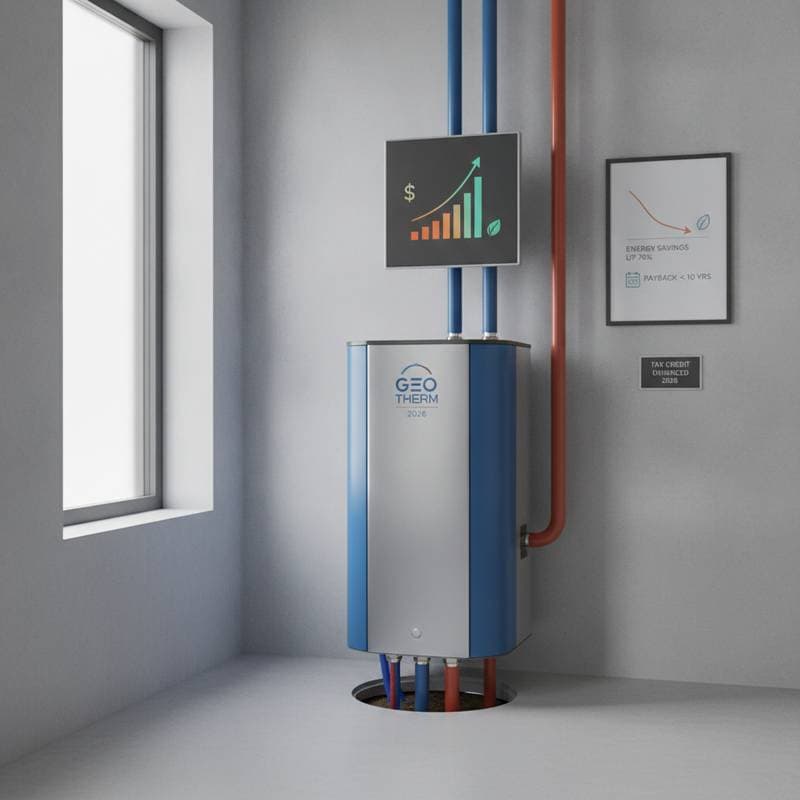
Homeowners often pause due to concerns over installation complexity or initial expenses. A standard geothermal system costs between $18,000 and $35,000 to install, varying with home size and loop design. However, energy savings and minimal maintenance typically recoup this investment in five to ten years. Available rebates, tax credits, and favorable financing for eco-friendly projects further accelerate returns.
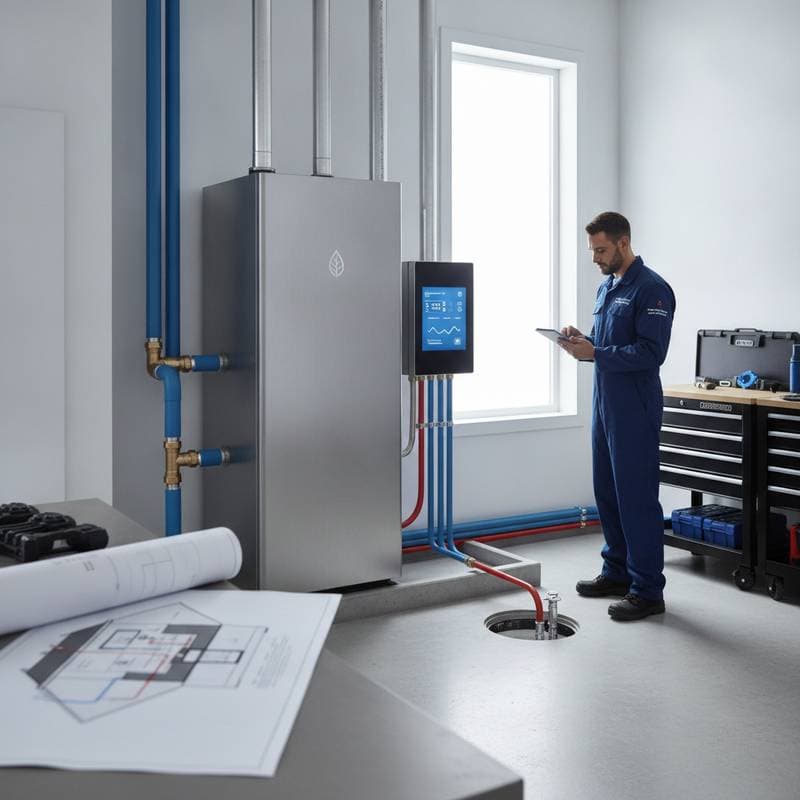
Site-specific issues also arise. Shallow rock layers or constrained outdoor space may hinder horizontal loop setups. Vertical loops or water-based alternatives serve as viable solutions in these scenarios. Professionals advise conducting a thorough site evaluation at the outset to identify the optimal configuration and excavation approach tailored to the property.
Proven Approaches for Effective Geothermal Installation
1. Perform a Thorough Energy Audit
Prior to excavation, assess the home's current energy profile. This audit reveals deficiencies in insulation, drafts, and obsolete fixtures that might compromise system output. Addressing these elements upfront maximizes the geothermal unit's potential.
2. Select the Appropriate Loop Configuration
Geothermal systems employ three primary loop types:
- Horizontal loops: Best for expansive properties with sufficient land. Pipes lay in shallow trenches, offering economical installation where space permits.
- Vertical loops: Appropriate for compact lots or challenging geology. Deep wells accommodate these systems, limiting surface impact despite requiring specialized drilling.
- Pond or lake loops: Viable near stable water sources. Submerged coils exploit water's uniform temperature for efficient heat exchange.
Site analysis dictates the choice. For example, clay-rich soils enhance heat retention compared to sandy variants, optimizing transfer rates.
3. Determine Precise System Capacity
Incorrect sizing diminishes efficiency and inflates expenses. Capacity hinges on home area, insulation quality, and local weather patterns. Experts apply Manual J calculations to specify the exact requirements, avoiding approximations or simplistic tools.
4. Incorporate Intelligent Controls
Contemporary geothermal installations integrate seamlessly with smart thermostats and zoning mechanisms. These features enable room-specific adjustments, usage monitoring, and remote operation. Such enhancements yield additional savings of 10 to 15 percent over time.
5. Schedule Routine Maintenance
Geothermal systems demand less attention than traditional HVAC, yet annual checks sustain performance. Service includes verifying fluid levels, pump operations, and electrical integrity. With diligent care, loops endure beyond 50 years, while heat pumps function for 20 to 25 years.
Enhancing Home Sustainability Alongside Geothermal
Geothermal performance amplifies through synergistic upgrades:
- Enhance insulation: High R-value materials form a robust thermal barrier, minimizing energy loss.
- Opt for efficient windows: Low-emissivity glass curbs heat gain or loss, lightening system demands.
- Switch to LED fixtures: Reduced heat generation from lights aids temperature stability.
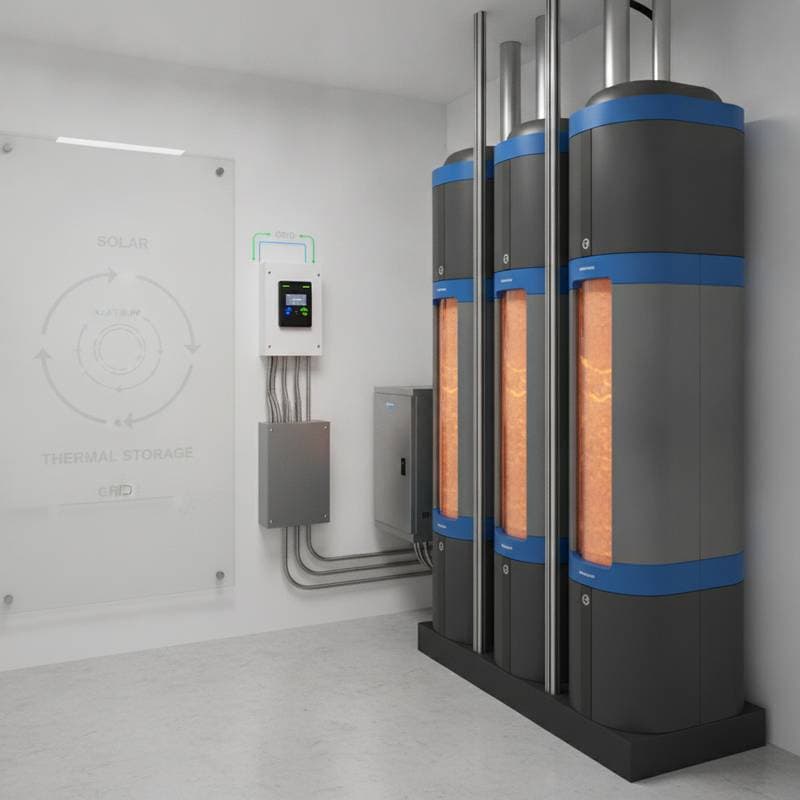
- Incorporate solar arrays: Pairing with photovoltaic systems offsets electricity needs, achieving near-total renewable operation.
- Deploy energy recovery ventilators: These maintain air quality by exchanging stale indoor air with fresh outdoor air while conserving energy.
Economic and Ecological Impacts
Geothermal HVAC demands upfront capital yet delivers enduring value. Initial outlays exceed those of air-source alternatives by two to three times, but cumulative savings and elevated property worth compensate. Data indicates recovery of 40 to 60 percent of costs via energy reductions in the first ten years, bolstered by lower upkeep and extended durability.
On the environmental front, benefits prove significant. These systems forgo combustion, slashing emissions by up to 75 percent versus fossil-based options. They also mitigate grid stress during peak periods. For regions targeting zero-carbon futures, geothermal contributes meaningfully to cleaner air and collective progress.
A colleague, certified energy consultant Maria Lopez, notes, “When homeowners grasp that geothermal represents a singular investment yielding decades of reliable, eco-friendly comfort, reservations fade. The financial and planetary gains are undeniable.”
Regional Climate Influences on System Effectiveness
Local weather profoundly affects geothermal outcomes. Humid coastal environments benefit from steady groundwater, ensuring consistent operation. In northern climates, systems excel by drawing from earth heat rather than cold air, delivering reliable warmth in harsh conditions. Arid zones necessitate soil moisture and conductivity tests to confirm heat exchange viability.
Engage installers familiar with regional traits, including geology, water tables, and regulations, to secure tailored, dependable results.
Aligning Geothermal with Green Certifications
Projects seeking LEED accreditation gain credits in energy categories through geothermal integration. Low consumption supports points for optimization and renewables. Maintain records of specifications, methods, and metrics to validate compliance with certification and local standards.
Steps to Implement Geothermal Successfully
To proceed, identify specialists certified by the International Ground Source Heat Pump Association. Review their project portfolios and secure comprehensive bids covering design, pricing, savings projections, and upkeep plans. Multiple comparisons ensure optimal quality-to-cost ratios.
For constrained budgets, phased rollouts target priority zones initially, with expansions funded by early savings. Combine with other retrofits to leverage incentives and streamline efforts.
Frequently Asked Questions
How long does installation of a geothermal HVAC system require?
Most homes complete the process in two to three weeks, encompassing drilling, loop placement, and final testing. Larger or intricate sites extend timelines accordingly.
What maintenance does a geothermal system need?
Annual professional inspections focus on fluid, pressure, and connections. Homeowners handle basic tasks like filter changes to prolong lifespan.
Are geothermal systems suitable for all climates?
Yes, they adapt well across regions, outperforming in extremes due to earth's stability, though site-specific adaptations ensure peak performance.
How do incentives affect costs?
Federal tax credits cover up to 30 percent, with state rebates varying. These often reduce effective costs below $20,000 for average homes.