#mycelium

Articles tagged with mycelium

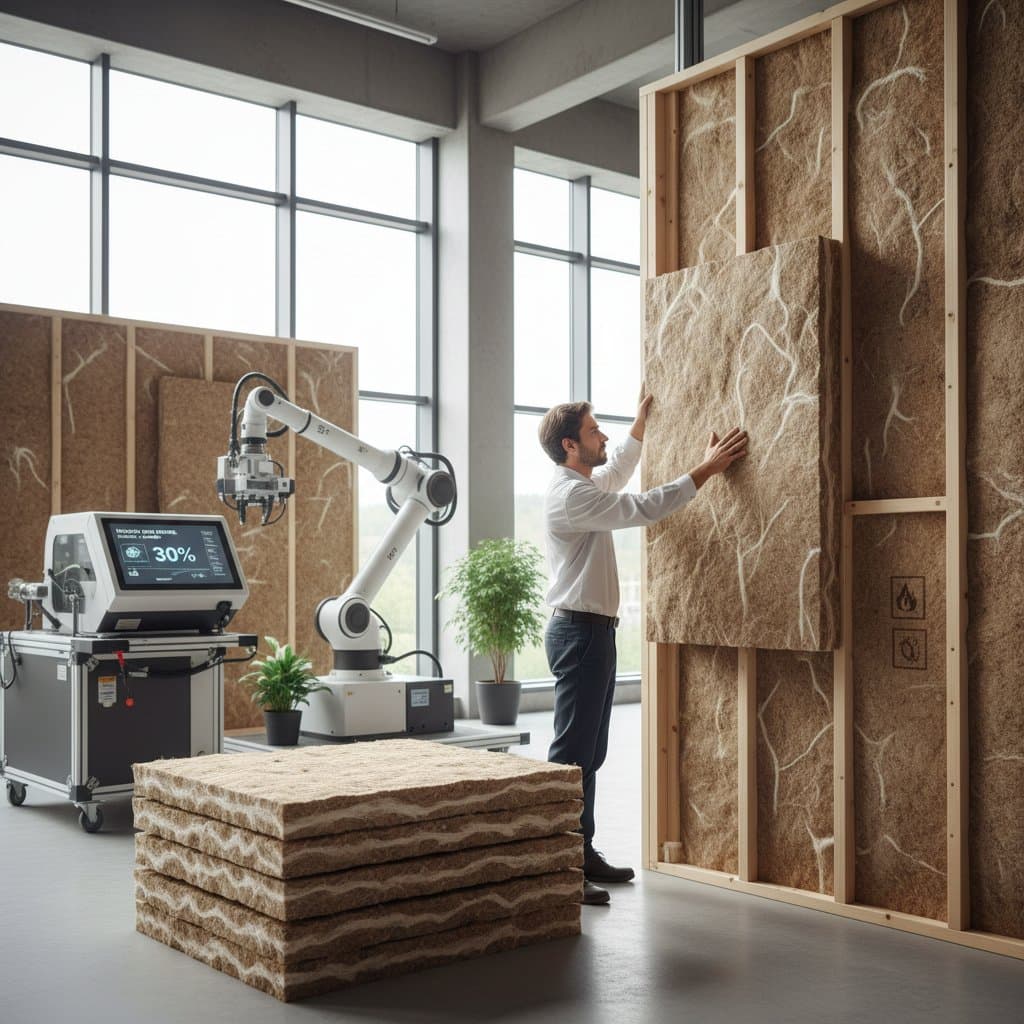
Featured image for Mycelium Insulation: Nature-Grown Alternative That Breathes

Mycelium Insulation: Nature-Grown Alternative That Breathes

Mycelium insulation revolutionizes home design by providing natural thermal regulation, fire resistance, and complete biodegradability. Derived from agricultural waste, this material reduces energy consumption and carbon emissions while fostering local circular economies. With competitive pricing and straightforward installation, it offers builders and homeowners an effective path to enhanced comfort and sustainability.

5 min read
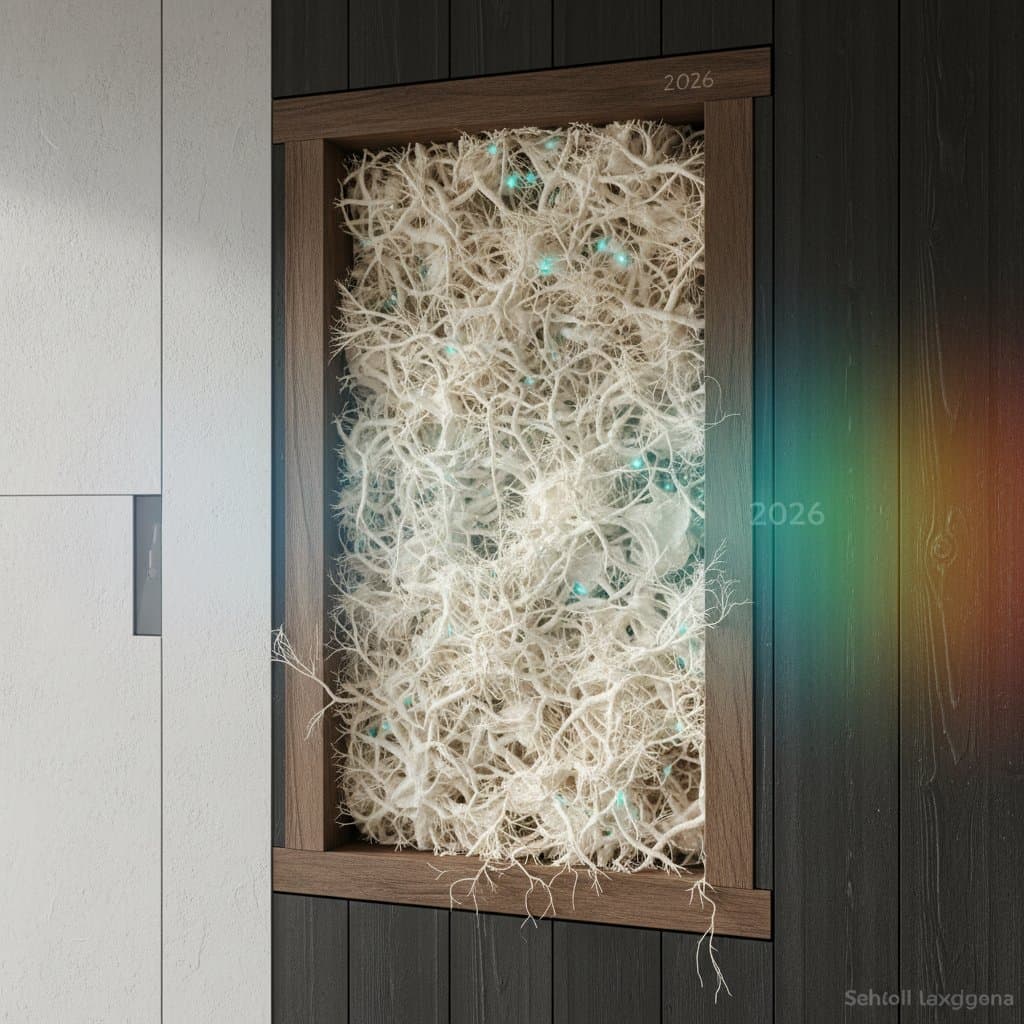
Featured image for Mycelium Insulation Cuts Carbon While Regulating Indoor Climate

Mycelium Insulation Cuts Carbon While Regulating Indoor Climate

Mycelium-derived mushroom insulation revolutionizes sustainable housing through its biodegradable, non-toxic, and energy-saving attributes. It matches conventional insulators in thermal efficiency, fire safety, and humidity management while slashing carbon emissions. Projections indicate broad integration by 2026, democratizing green living for contemporary residents.

7 min read
Featured image for Mushroom Insulation Cuts Remodel Costs in Half

Mushroom Insulation Cuts Remodel Costs in Half

Mycelium-based insulation revolutionizes home remodeling by reducing costs by nearly 50 percent compared to traditional options. This material features carbon-negative production, exceptional fire resistance, and outstanding thermal efficiency. Fully biodegradable and simple to install, it ensures healthier indoor environments and substantial long-term savings, establishing fungi as a cornerstone of sustainable and economical building practices.

5 min read
Featured image for Mushroom Insulation Cuts Energy Bills 25 Percent

Mushroom Insulation Cuts Energy Bills 25 Percent

Mushroom insulation, derived from mycelium, transforms sustainable home design. This material reduces energy expenses by up to 25 percent, offers complete biodegradability, and repurposes agricultural waste rather than petroleum products. With fire resistance, moisture management, and quick return on investment, this carbon-negative solution balances superior performance and environmental stewardship, redefining efficient and eco-friendly living spaces.

7 min read
Featured image for Mushroom Insulation Cuts Energy Bills 25% by 2026

Mushroom Insulation Cuts Energy Bills 25% by 2026

Mushroom-based insulation, derived from mycelium and agricultural waste, promises to reshape sustainable home design by 2026. This biodegradable, fire-resistant material enhances energy efficiency, potentially lowering heating and cooling costs by 25 percent. With low production energy needs and superior performance, it positions green construction as an attainable, environmentally sound norm.

4 min read
Featured image for Why Mushroom Insulation Tops 2026 Eco Upgrades

Why Mushroom Insulation Tops 2026 Eco Upgrades

Mushroom insulation, derived from mycelium, redefines sustainable construction by providing biodegradable thermal barriers that match synthetic options in efficiency. This innovative material slashes energy use, improves air quality, and minimizes carbon emissions, positioning it as a frontrunner for eco upgrades as manufacturing advances ensure broader accessibility and long-term viability.

4 min read
Featured image for Mycelium Insulation Cuts Energy Bills by 25 Percent

Mycelium Insulation Cuts Energy Bills by 25 Percent

Mycelium insulation, derived from fungal roots and agricultural waste, reduces home energy consumption by up to 25 percent, elevates indoor air quality, and minimizes environmental harm. This compostable, high-performance option revolutionizes sustainable construction, delivering enduring savings, superior comfort, and a pathway to eco-conscious residences.

5 min read
Featured image for Mycelium Insulation Cuts Carbon While Matching Foam Performance

Mycelium Insulation Cuts Carbon While Matching Foam Performance

Fungi are reshaping green construction through mycelium insulation—renewable, compostable, and impressively efficient. Grown from agricultural waste, it rivals traditional materials in thermal performance while slashing carbon footprints. Homeowners gain cleaner air, mold resistance, and long-term energy savings, making this living innovation a compelling step toward truly sustainable, planet-friendly homes.

5 min read
Featured image for Mycelium Insulation Cuts Energy Use by 25%

Mycelium Insulation Cuts Energy Use by 25%

Mycelium insulation, grown from mushroom roots and agricultural waste, is redefining sustainable construction. Offering strong thermal performance, fire resistance, and full biodegradability, it rivals traditional materials while slashing carbon emissions. As costs fall and standards evolve, this living innovation could soon insulate homes naturally—merging modern comfort with ecological harmony.

8 min read
Featured image for Mycelium Insulation Cuts Energy Bills by 25 Percent

Mycelium Insulation Cuts Energy Bills by 25 Percent

Mycelium insulation, cultivated from fungal networks, redefines sustainable building practices with its renewable, fully compostable panels that match conventional insulators. Delivering energy savings of 10 to 25 percent, along with fire resistance and declining production costs, this material combines environmental benefits with economic advantages. As production scales, mycelium emerges as a biodegradable solution to enhance home efficiency, comfort, and planetary stewardship.

4 min read
Featured image for Mushroom Insulation Cuts Energy Bills in Half by 2026

Mushroom Insulation Cuts Energy Bills in Half by 2026

Mycelium insulation, cultivated from mushroom roots, transforms residential energy use by 2026 with potential HVAC cost reductions of up to 50%. This renewable and biodegradable option excels in thermal performance, moisture control, and acoustic insulation, surpassing traditional materials. As manufacturing expands and prices decline, it emerges as a key element in designing energy-efficient, environmentally responsible living spaces.

4 min read
Featured image for Mycelium Insulation Grows Into Shape Using Farm Waste

Mycelium Insulation Grows Into Shape Using Farm Waste

Mycelium insulation represents a renewable material that develops from agricultural waste to form breathable, non-toxic panels. This option provides superior thermal resistance, inherent humidity regulation, and decreasing production costs, thereby reshaping sustainable residential architecture. Homeowners discover straightforward methods to cultivate and apply this environmentally sound insulation for forward-thinking habitats.

5 min read
Featured image for Mycelium Insulation: Nature's Fireproof Answer

Mycelium Insulation: Nature's Fireproof Answer

Mycelium insulation, cultivated from fungal networks, revolutionizes eco-friendly construction with inherent fire resistance, carbon sequestration, and superior thermal benefits. This toxin-free material reduces energy costs, enhances air quality, and supports regenerative design, appealing to builders and homeowners seeking safety and sustainability.

5 min read
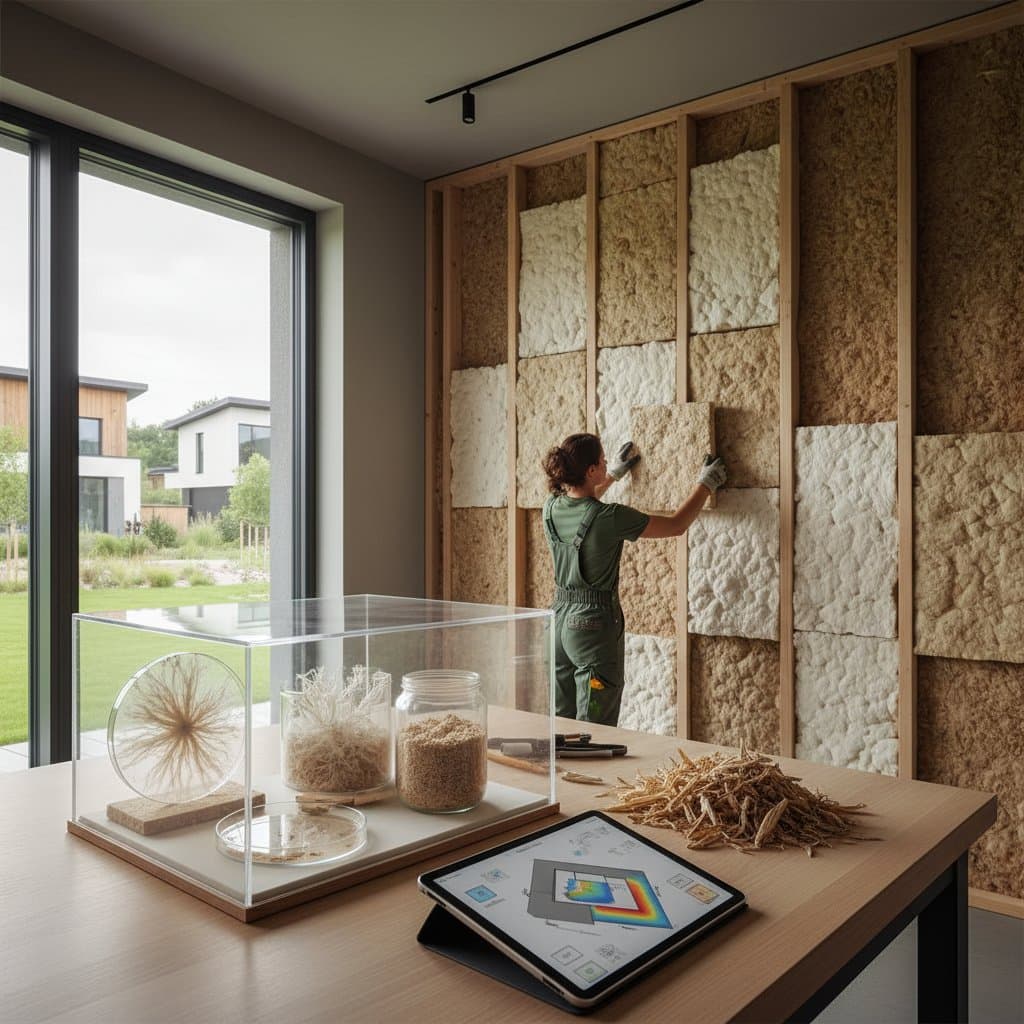
Featured image for Grow Living Insulation That Cuts Bills and Carbon

Grow Living Insulation That Cuts Bills and Carbon

Elevate your home's sustainability with mycelium insulation, a biodegradable option grown from fungi and waste materials. It matches traditional insulators in performance while sequestering carbon and improving air quality. Follow these steps to grow, install, and benefit from this living, compostable solution for lower bills and a greener planet.

6 min read
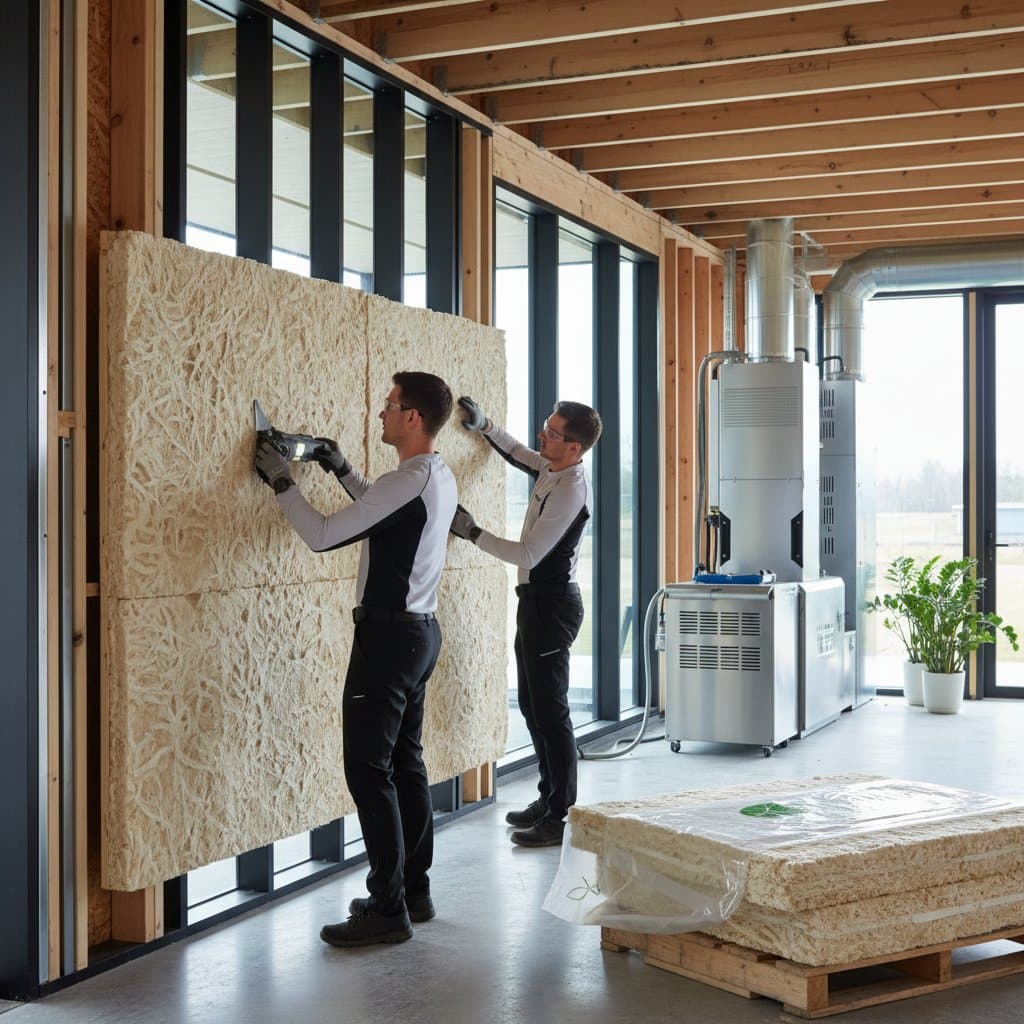
Featured image for Mushroom Insulation Outperforms Foam Without the Waste

Mushroom Insulation Outperforms Foam Without the Waste

Mycelium insulation, derived from fungal networks and agricultural waste, revolutionizes sustainable building. This lightweight, fully biodegradable material matches the thermal and acoustic efficiency of synthetic foams while minimizing carbon emissions. It delivers toxin-free performance, positioning it as a vital option for healthier, greener residential construction.

5 min read