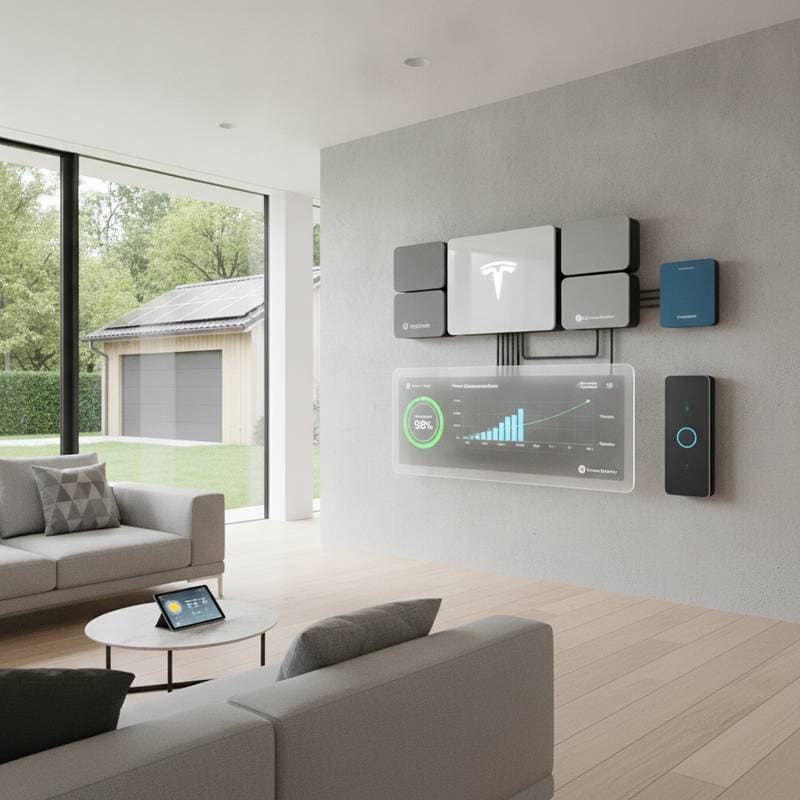
Why Geothermal HVAC Outperforms Solar in ROI for 2025
Homeowners seeking to lower energy expenses and minimize carbon footprints frequently consider solar panels as the primary option. However, geothermal HVAC systems provide superior long-term returns on investment. These systems leverage the earth's consistent underground temperature, unlike solar, which depends on variable sunlight.
Geothermal HVAC achieves this edge through higher efficiency and broader energy coverage. It handles both heating and cooling needs, leading to substantial savings over time. This reliability makes it a compelling choice for sustainable home improvements.
Essential Advantages
- Superior ROI: Geothermal systems yield returns of 12 to 20 percent, surpassing the 7 to 10 percent typical for residential solar setups.
- Exceptional Efficiency: Ground-source heat pumps operate at 400 to 500 percent efficiency, delivering four to five units of heating or cooling per unit of electricity used.
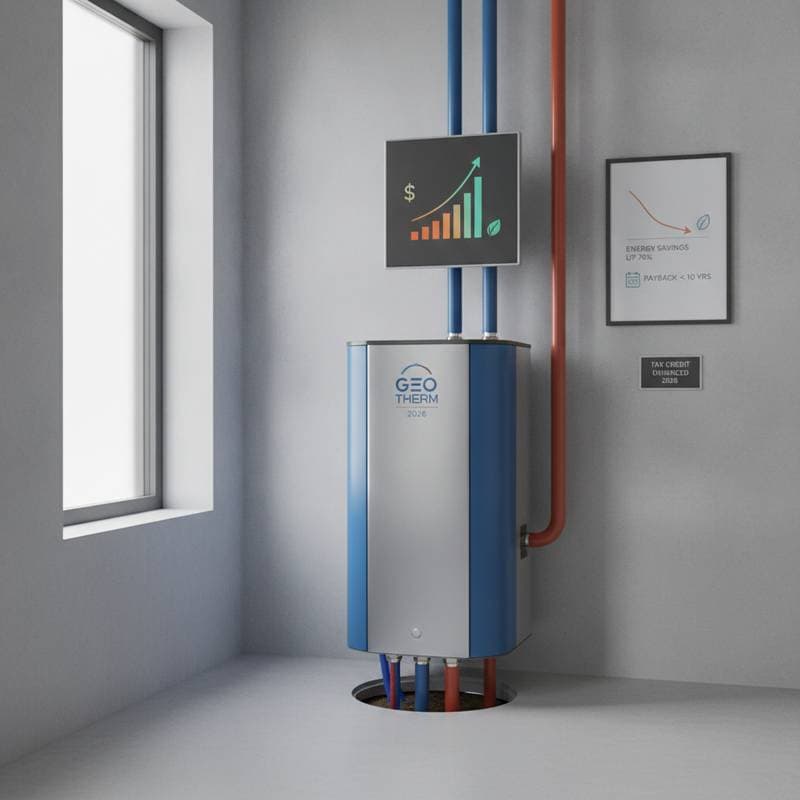
- Reduced Bills: Expect savings of 40 to 70 percent on heating and cooling costs annually.
- Extended Durability: Underground loops endure for 50 years or longer, with heat pump units outlasting standard furnaces or air conditioners by double the time.
- Reliable Operation: These systems function continuously, regardless of weather or time of day, without sunlight dependency.
Analyzing the ROI Gap
ROI calculations for energy solutions hinge on initial expenses and ongoing savings. Solar installations often start at lower prices, yet their output fluctuates with daylight and conditions. Geothermal requires a higher upfront investment but recovers costs more quickly due to consistent performance.
According to U.S. Department of Energy data, geothermal systems typically achieve payback in five to ten years, influenced by local energy rates and ground conditions. Solar payback aligns closely or extends slightly, focusing solely on electricity generation. Geothermal addresses heating and cooling, which consume nearly half of a home's energy.
Cost and Performance Comparison
| System Type | Typical Efficiency | Average Payback Period | Lifespan | ROI Range |
|---|---|---|---|---|
| Geothermal HVAC | 400–500% | 5–10 years | 25–50 years | 12–20% |
| Solar PV | 15–22% | 7–12 years | 20–30 years | 7–10% |
These figures highlight geothermal's dependable value. The buried loop accesses stable thermal energy, unaffected by clouds or seasons. Such predictability builds cumulative financial benefits.
How Geothermal Achieves Greater Efficiency
Geothermal systems utilize the earth's stable temperature, around 55 degrees Fahrenheit below the surface. During winter, they draw heat from the ground to warm interiors. In summer, they expel excess heat underground for cooling.
Solar panels produce electricity only under direct sun, with output falling over 80 percent on overcast days. Battery storage helps, but losses from weather and seasons persist. Geothermal independence from atmospheric conditions ensures performance in all regions.
The International Ground Source Heat Pump Association reports that geothermal can reduce home carbon emissions by up to 70 percent versus traditional setups. This environmental benefit parallels the economic gains.
Tangible Financial Gains
Geothermal installation costs range from $20,000 to $35,000, but incentives from federal and local programs cut effective costs by 30 percent or more. Post-installation, energy expenses drop significantly.
For a family spending $2,400 yearly on heating and cooling, geothermal might reduce that to $1,000. Over 20 years, savings exceed $28,000, excluding rising utility rates. Solar offsets some electricity but seldom covers full heating and cooling demands.
Maintenance further bolsters ROI. Solar needs regular cleaning and inverter changes every 10 to 15 years. Geothermal features few moving parts, with the loop requiring virtually no upkeep after burial.
Benefits for Environment and Comfort
Beyond finances, geothermal enhances living conditions and sustainability. It delivers uniform temperatures, controls humidity, and removes noisy external units. Heat transfer avoids combustion emissions from gas furnaces.
Solar generates clean power but may rely on grid sources for winter heating. Geothermal provides standalone operation, cutting fossil fuel use while ensuring steady comfort.
Sustainable energy researcher Dr. Lisa Hooper states, "For homes in mixed climates, geothermal offers the most balanced approach to energy reduction. It handles both heating and cooling with unmatched efficiency." This view underscores the shift toward ground-source heat pumps in residential green initiatives.
Key Factors for Homeowners
Assess these elements when choosing between geothermal and solar:
- Energy Needs: Properties with substantial heating or cooling requirements benefit most from geothermal.
- Available Space: Horizontal loops need yard area; vertical options suit compact sites.
- Current Systems: Replace aging furnaces or air conditioners with geothermal for optimal value.
- Utility Costs: High or increasing electricity prices amplify geothermal's efficiency advantages.
- Financial Support: Pair installations with tax credits and rebates to enhance returns.
Integrating geothermal with a modest solar setup powers the system renewably. This combination optimizes energy independence.
Steps to Implement Geothermal
Begin with a site evaluation from a certified professional to estimate costs and savings. Review incentive programs and project your payback period. Schedule installation during off-peak seasons to minimize disruptions and secure better rates.
This proactive approach positions geothermal as a cornerstone of efficient, eco-friendly living. Homeowners who adopt it enjoy reduced bills, enhanced comfort, and a smaller environmental footprint for decades.