Key Points
- Geothermal retrofits reduce heating and cooling costs by up to 60 percent.
- Ground-source heat pumps provide consistent comfort across diverse climates.
- Proper design and soil assessment ensure optimal long-term performance.
- Incentives and rebates enhance the affordability of geothermal systems for homeowners.
Envision a Home Powered by Earth's Stability
As a professional in green building, I have observed numerous homeowners grappling with volatile energy bills and outdated HVAC systems that struggle against seasonal shifts. Envision entering a residence where the temperature remains even, the air quality excels, and the system operates silently below ground, extracting renewable energy from the earth. This represents the advantage of a geothermal retrofit, which supplants reliance on fossil fuels with a clean, efficient alternative that utilizes the planet's inherent thermal reservoir to maintain comfort.
For those confronting escalating utility expenses or aiming to diminish their carbon emissions, a geothermal retrofit emerges as a transformative option. Advances in technology, combined with substantial incentives, render the upgrade of an existing HVAC system to a ground-source heat pump both practical and economically advantageous.
Reasons Homeowners Adopt Geothermal Retrofits
Conventional heating and cooling systems squander significant energy because they depend on outdoor air temperatures that vary widely. A geothermal system draws from the ground, where temperatures stay comparatively constant throughout the year. This stability enables the system to achieve superior efficiency during humid summers or severe winters without excessive strain.
Drawing from extensive field experience, I have witnessed geothermal retrofits decrease annual energy expenditures by almost 50 percent, while prolonging equipment durability to twice that of traditional units. The outcome yields a strategic investment in enhanced comfort and environmental stewardship.
The Mechanics of Geothermal Systems
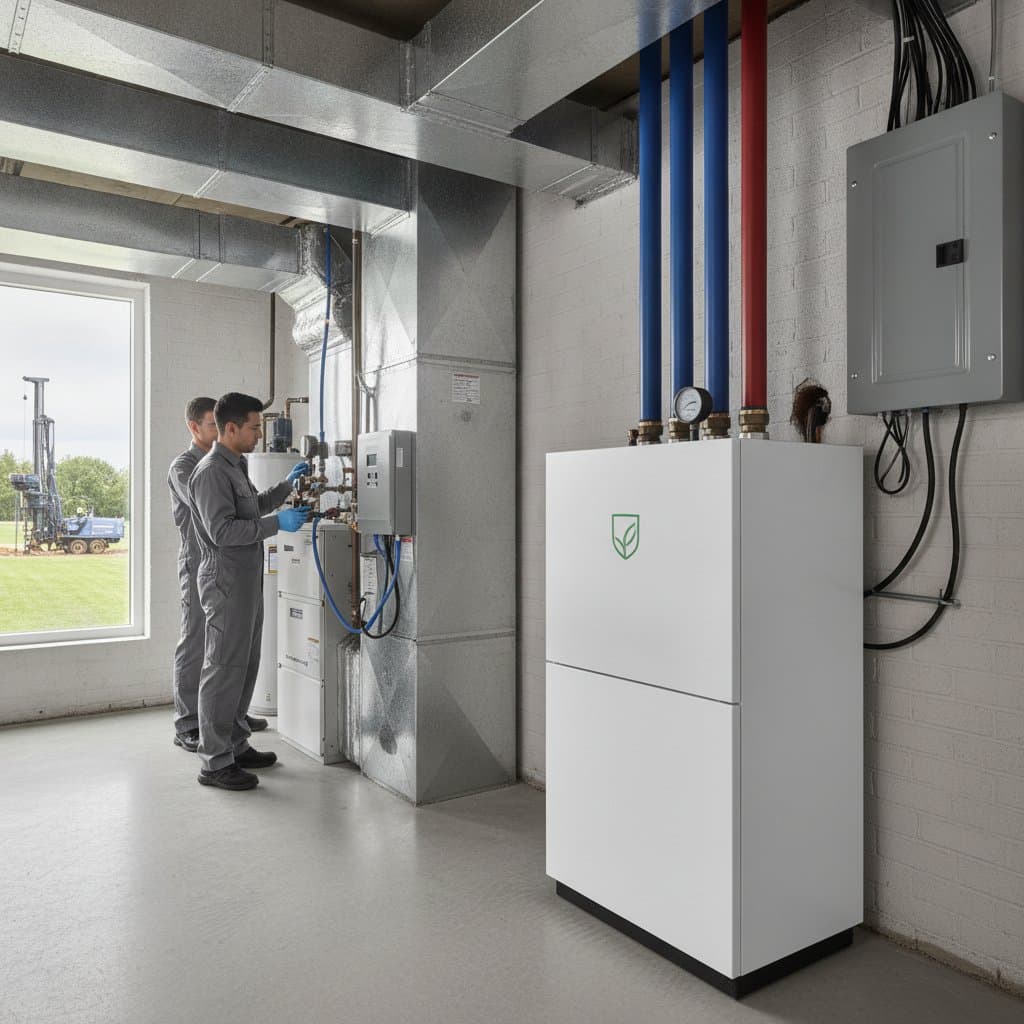
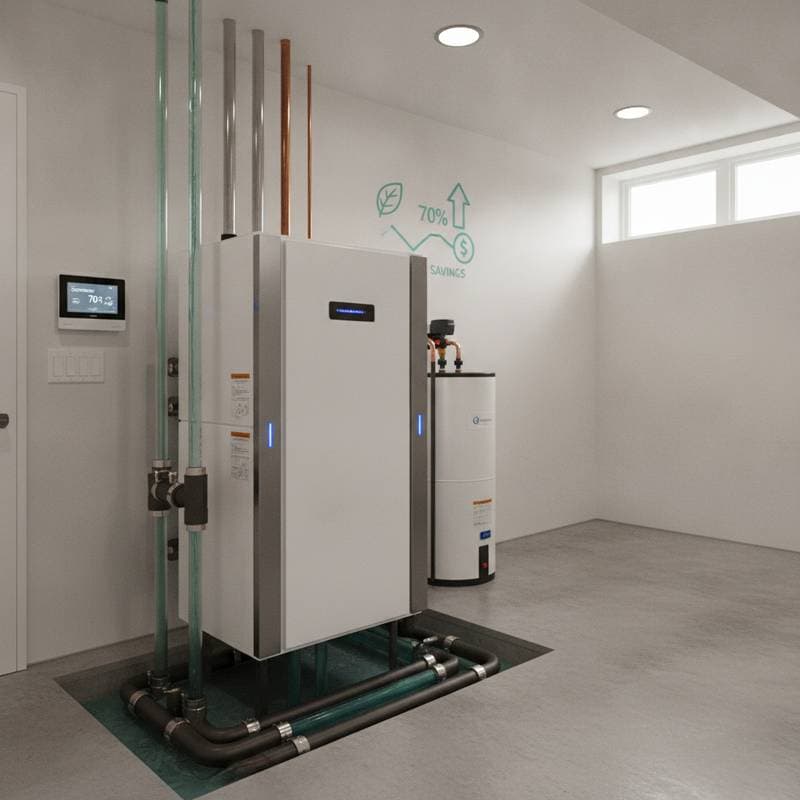
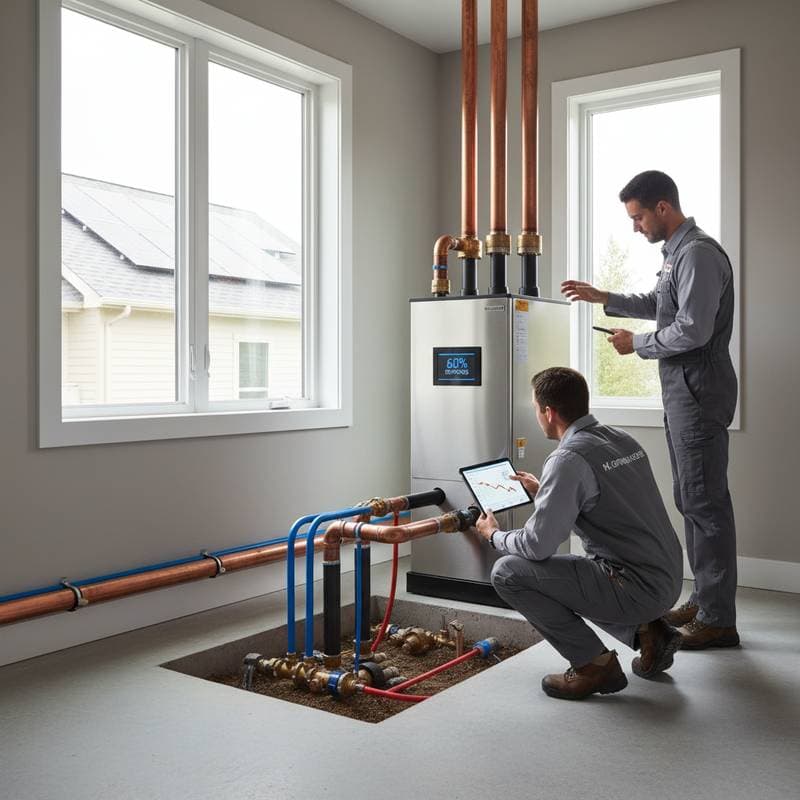
Consider a geothermal system as an underground network akin to a circulatory framework on your property. A series of buried pipes forms a loop that circulates fluid to capture heat from the ground during colder periods and dissipate it during warmer ones. This thermal transfer powers a ground-source heat pump within the home, which distributes heating and cooling via existing ductwork or radiant floor systems.
Since the ground sustains a moderate temperature, the system requires substantially less electricity compared to air-source heat pumps. Such efficiency directly results in cost reductions and a reduced ecological impact.
Essential Steps for an Effective Geothermal Retrofit
1. Perform a Professional Energy Audit
Initiate the process with a comprehensive energy audit to pinpoint inefficiencies in insulation, air sealing, and ductwork. Addressing these elements beforehand guarantees that the geothermal system functions at maximum efficiency.
2. Evaluate Soil and Site Conditions
Factors such as soil composition, moisture content, and land availability influence the loop configuration. Soils high in clay retain heat effectively, whereas rocky or arid soils demand specific modifications. A certified geothermal specialist conducts a thermal conductivity test to customize the system for your site.
3. Select the Appropriate Loop Configuration
Options include closed-loop systems, which recirculate fluid through subterranean pipes, or open-loop systems, which utilize groundwater. Each configuration presents distinct cost and upkeep implications, prompting your installer to suggest the optimal choice based on property characteristics and water resources.
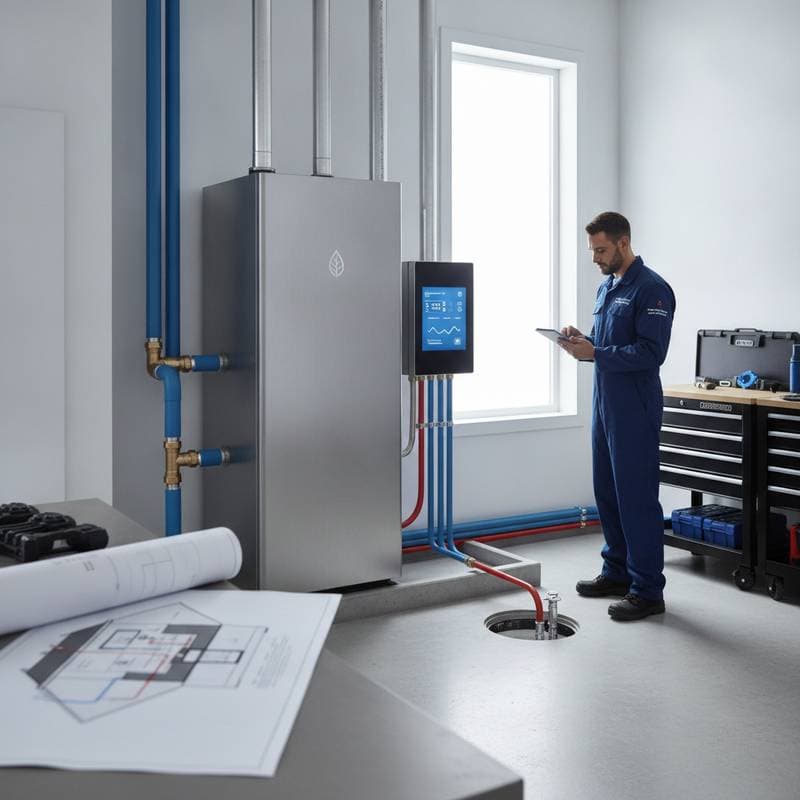
4. Incorporate with Current Infrastructure
Should the existing HVAC system remain in good condition, integration of geothermal elements may prove viable without full replacement. This hybrid approach minimizes installation expenses while yielding considerable efficiency improvements.
5. Obtain Incentives and Rebates
Numerous areas provide financial rebates or tax credits for geothermal projects. These supports can cover 20 to 40 percent of initial expenses, shortening the return on investment to under a decade in typical scenarios.
Key Factors to Consider Prior to Installation
The expense for a complete retrofit generally ranges from $18,000 to $35,000, influenced by home dimensions, soil properties, and loop setup. Although the initial outlay appears substantial, the system's operational life frequently surpasses 25 years, with the underground loop enduring beyond 50 years. Energy reductions of 40 to 60 percent facilitate positive returns within several years.
From my perspective as a green building specialist, engage only licensed geothermal professionals who adhere to local regulations and safety protocols. They manage permitting, pressure evaluations, and appropriate grouting to avoid groundwater pollution.
Safety remains paramount. Verify that all refrigerants and antifreeze solutions qualify as non-toxic and ecologically sound. Professional installation proves essential, as errors in loop sealing or pump calibration could cause performance declines or expensive fixes.
Advancing Toward Geothermal Implementation
Adopting geothermal energy constitutes more than a home improvement; it signifies dedication to a sustainable tomorrow. Success hinges on meticulous planning, expert execution, and ongoing upkeep to safeguard the investment. A well-engineered geothermal setup diminishes emissions, steadies energy expenses, and elevates property worth over time.
To proceed with geothermal retrofits, consult qualified local experts via our platform for a complimentary assessment. They assess your location, assist with incentive filings, and develop a tailored solution aligned with your regional climate and comfort needs.
Through informed support, your residence can exemplify renewable efficiency, offering unobtrusive, dependable comfort that contributes to planetary well-being.
Frequently Asked Questions
What is the typical payback period for a geothermal system?
Most installations recover costs within 5 to 10 years through energy savings and incentives, depending on local utility rates and system size.
Can geothermal systems work in all types of soil?
Yes, but adaptations are necessary. For instance, sandy soils may require longer loops, while clay soils enhance heat transfer efficiency.
Are geothermal retrofits suitable for older homes?
Absolutely, provided the structure supports ductwork integration or radiant systems. An energy audit helps identify necessary modifications.
How does geothermal compare to solar energy?
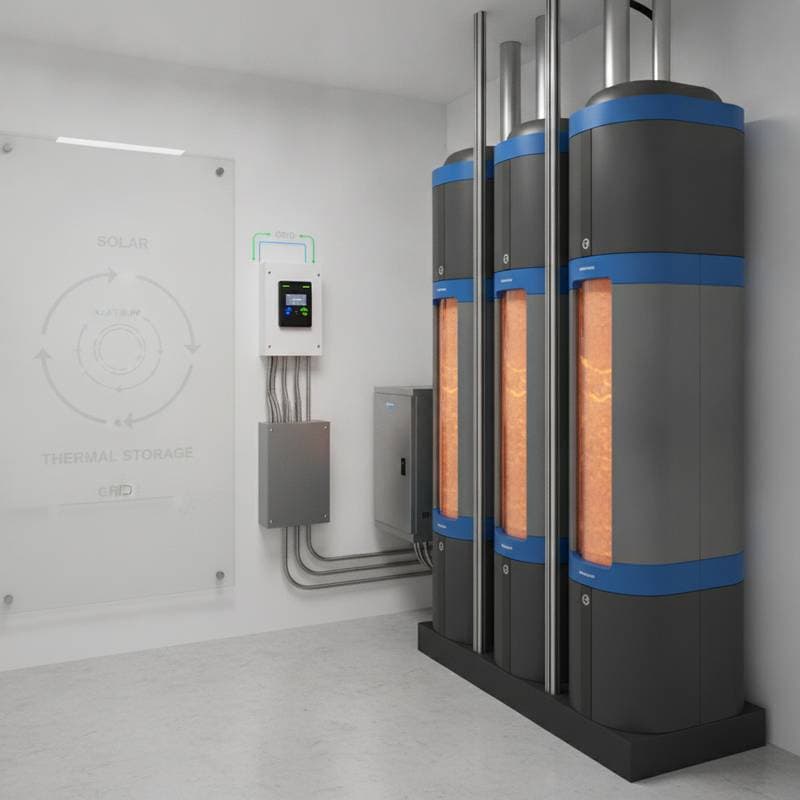
Geothermal provides reliable heating and cooling regardless of weather, complementing solar for comprehensive renewable coverage.