Key Points
- Mycelium insulation serves as a renewable, biodegradable option to replace petrochemical foams and mineral wools.
- The material delivers robust thermal performance, inherent fire resistance, and moisture regulation without relying on synthetic additives.
- Homeowners achieve cost competitiveness through scaled production, along with returns on investment from energy savings and enhanced indoor air quality.
- Effective installation and maintenance prove crucial for optimal performance, yet the material's inherent durability ensures enduring value.
The Challenge of Building Better
Homeowners pursuing energy efficiency navigate a delicate balance. They seek comfort and reduced utility bills alongside materials that honor environmental integrity and withstand decades of use. Conventional insulation choices yield inconsistent outcomes. Fiberglass often causes skin and respiratory irritation, whereas foam boards depend on fossil fuels and release pollutants during manufacturing. The construction sector has long grappled with identifying options that excel in performance, longevity, and ecological footprint.
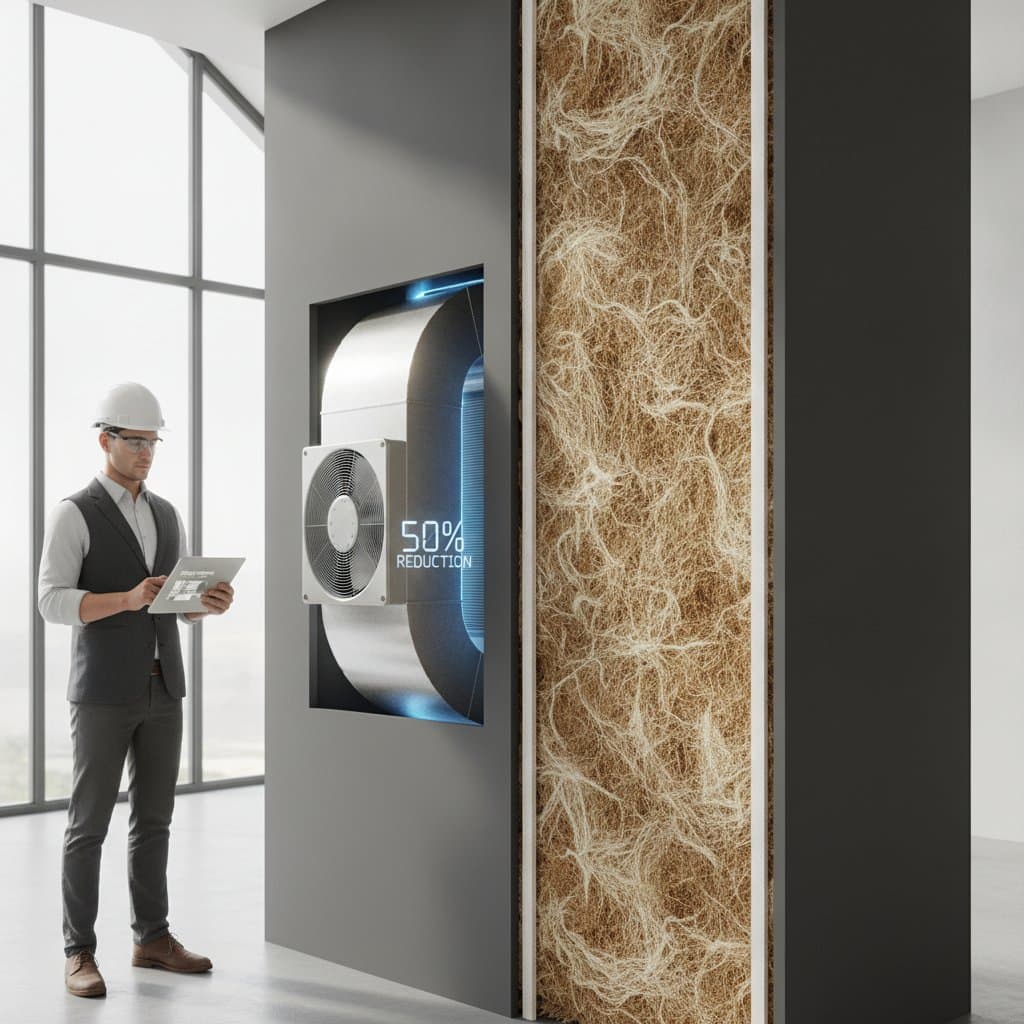
Mycelium insulation emerges as a compelling solution in this landscape. This material derives from the root-like filaments of fungi, which proliferate swiftly on agricultural waste to form a dense, foam-resembling substance. Producers shape it into panels or apply it as a spray into wall cavities. Beyond renewability, the product composts fully at the conclusion of its service life, establishing a closed-loop cycle unmatched by other insulations.
Why Mycelium Matters for Sustainable Construction
Insulation influences heating and cooling expenses, as well as indoor air quality, during new builds or renovations. Mycelium insulation tackles these elements through biological ingenuity paired with precise engineering.
- Thermal Efficiency: The material attains an R-value of 3 to 4 per inch, aligning closely with fiberglass or cellulose ratings. Such performance cuts heating and cooling requirements by 20 to 30 percent in typical residences.
- Natural Fire Resistance: Upon exposure to flames, mycelium chars rather than burns, forming a self-extinguishing shield that impedes fire progression without introducing harmful chemicals.
- Moisture Balance: Similar to wood, it absorbs surplus humidity and releases it methodically, thereby mitigating condensation and preventing mold proliferation.
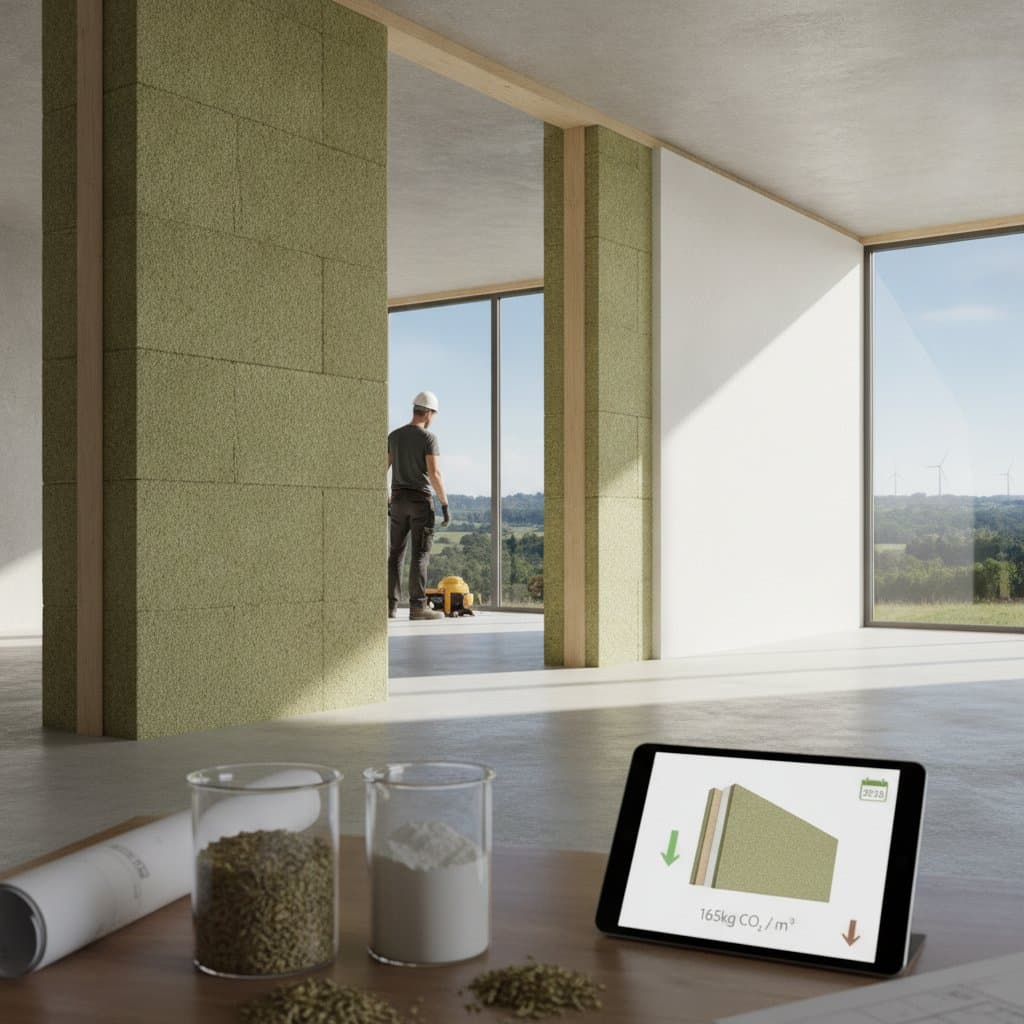
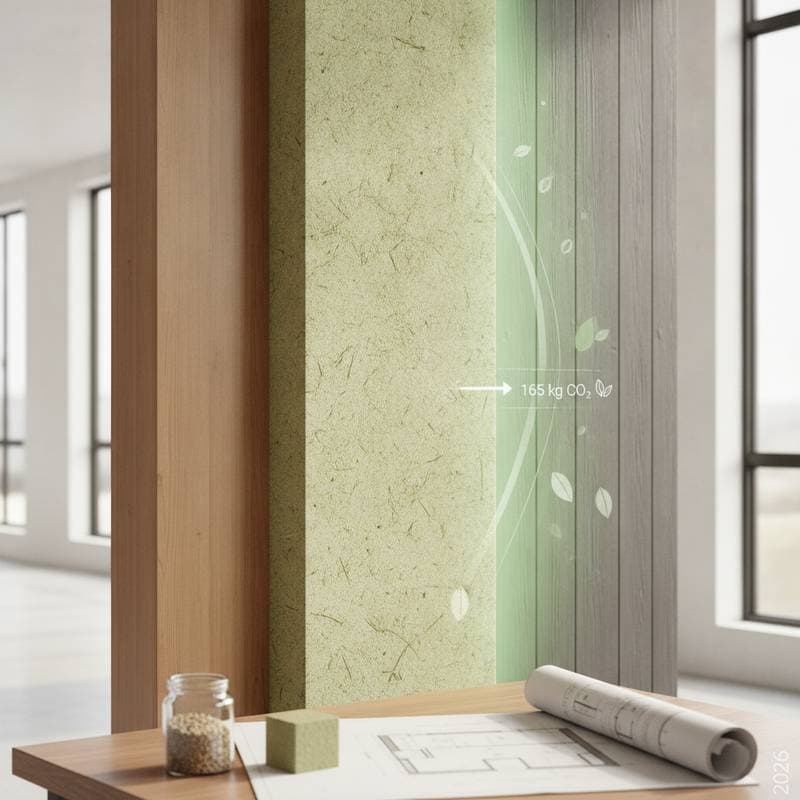
- Carbon Storage: One cubic meter of mycelium insulation sequesters approximately 150 kilograms of carbon dioxide, preventing its release into the atmosphere.
These attributes attract not only environmentally aware homeowners but also developers and builders aiming to satisfy advancing green building criteria.
The Financial Case: Cost, Payback, and Market Value
Early adopters sometimes assume sustainable materials incur elevated expenses. Mycelium insulation, however, demonstrates swiftly improving financial viability. Present production expenses position it marginally above cellulose yet below premium foam variants. With expanded manufacturing and localized plants, costs project to equal or surpass traditional insulations in the forthcoming construction phase.
A standard home retrofit allocates 10 to 15 percent more initially for mycelium panels versus fiberglass. Operational efficiencies, however, recoup this investment within five to seven years via diminished energy expenditures. Post-payback, owners enjoy perpetual reductions in utility costs.
Sustainable materials further elevate property appeal. Appraisers and purchasers now value the enduring advantages of non-toxic, low-carbon options. Residences featuring mycelium insulation often secure a 3 to 5 percent price uplift over similar properties lacking green credentials.
How It Works: From Farm Waste to Building Envelope
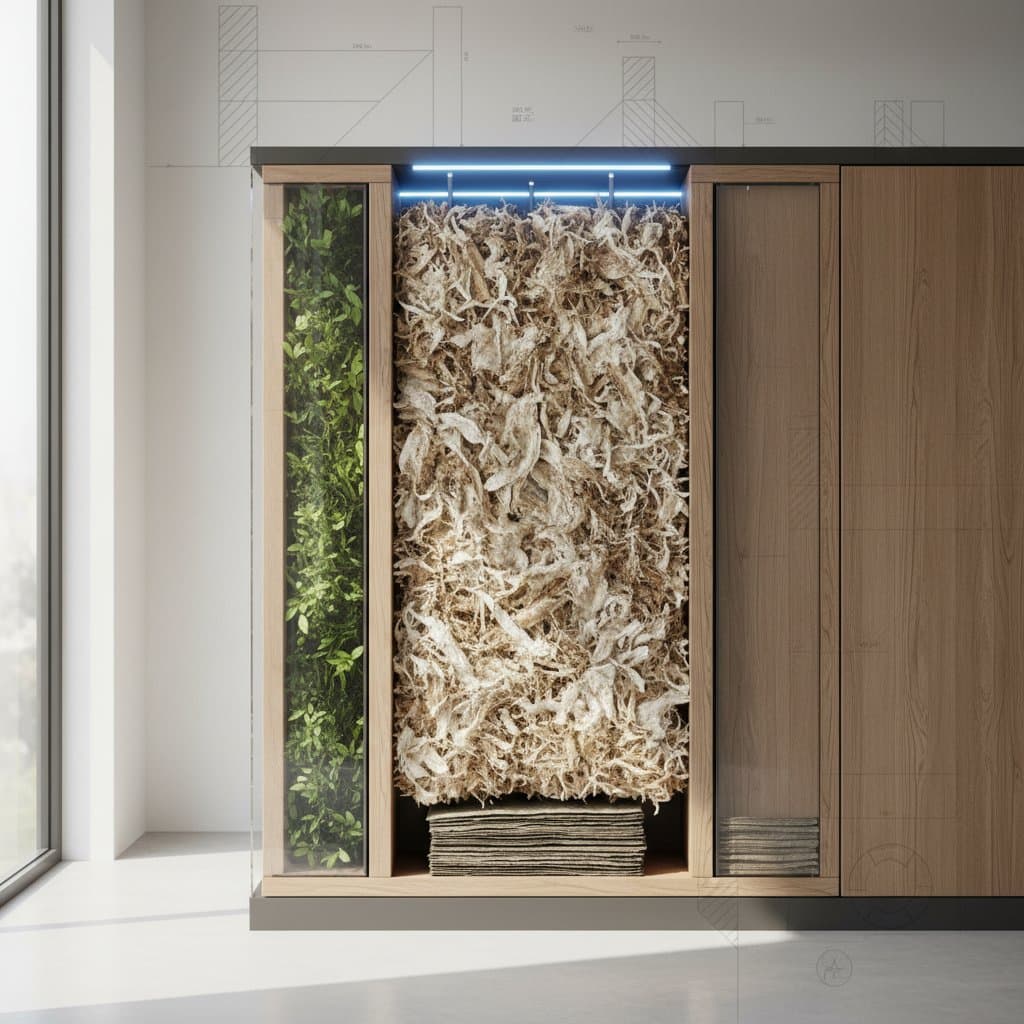
Production commences with agricultural residues like corn husks, hemp hurd, or sawdust. Workers sterilize these substrates and introduce fungal spores. In mere days, mycelium colonizes the material, forging a cohesive matrix. Upon reaching target density, applicators heat-treat the product to halt fungal activity and guarantee structural integrity.
Fabricators subsequently slice or form it into boards, blocks, or loose-fill variants. The outcome weighs lightly, handles easily, and poses no handling hazards. Mycelium requires no artificial binders or petroleum-derived components. Its organic framework imparts strength and adaptability, enabling it to accommodate subtle structural shifts without fracturing or contracting.
Comparing Mycelium to Common Alternatives
Each insulation type presents distinct compromises. A clear comparison equips homeowners to select wisely.
| Property | Mycelium | Fiberglass | Spray Foam | Cellulose |
|---|---|---|---|---|
| R-value (per inch) | 3-4 | 2.9-3.8 | 6-7 | 3.2-3.8 |
| Fire Resistance | Excellent without additives | Requires chemical treatment | Moderate | Good with additives |
| Moisture Handling | Breathable, resists mold | Poor | Poor | Moderate |
| Environmental Impact | Fully biodegradable | Energy-intensive | High carbon footprint | Low |
| Cost per sq. ft. (installed) | Medium | Low | High | Medium |
| End-of-Life Disposal | Compostable | Landfill | Landfill | Compostable |
Although mycelium does not yet eclipse spray foam in raw insulating capacity, its superior environmental and health profiles render it ideal for eco-oriented dwellings.
Design Flexibility and Construction Integration
Mycelium insulation adapts to diverse uses, such as:
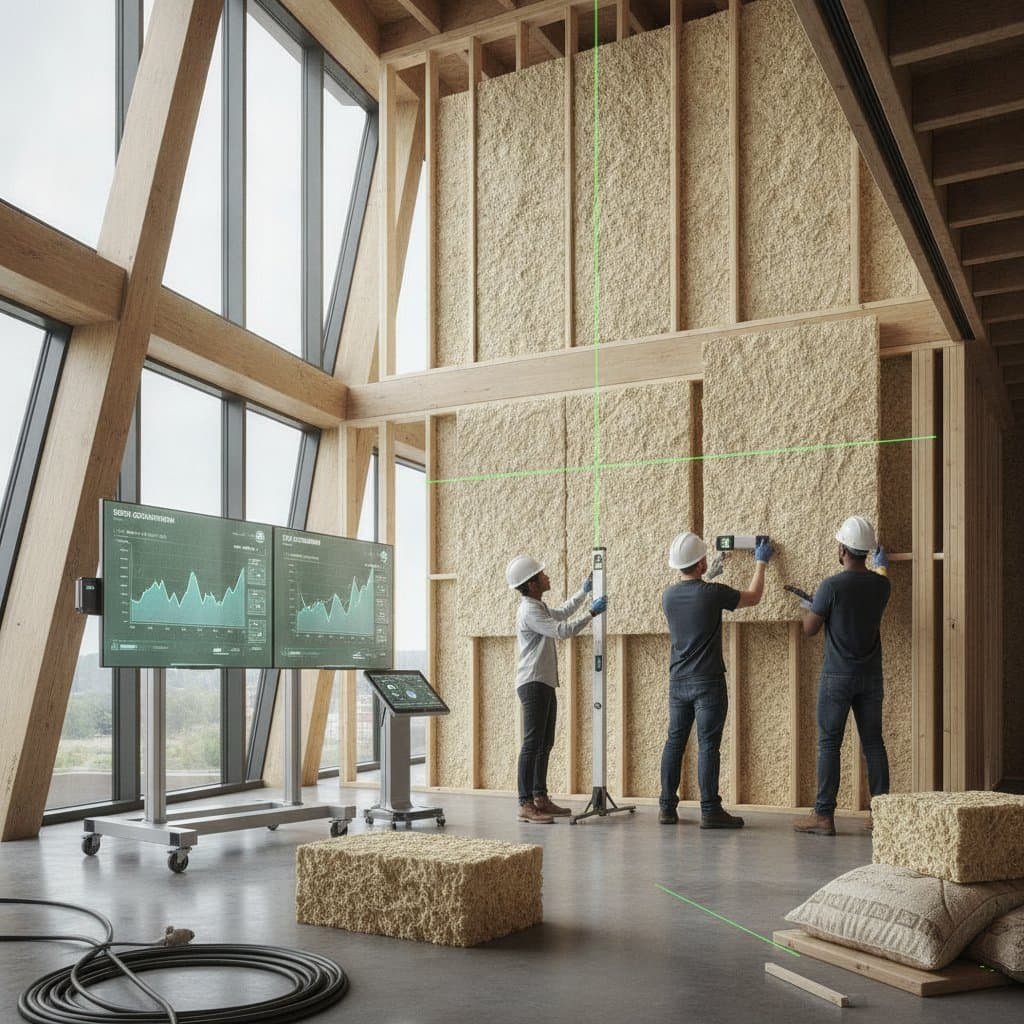
- Wall cavities: Positioned akin to standard batts or panels.
- Roof insulation: Applicable to attic floors and sloped ceilings.
- Acoustic control: The porous composition dampens sound, curbing reverberation and noise transfer between rooms.
- Modular construction: Pre-assembled wall sections embed mycelium cores to expedite on-site erection.
Contractors value its precise cutting, secure fitting, and non-irritating nature. In renovations, it substitutes prior insulation amid efficiency enhancements, demanding no unique tools.
Health, Safety, and Indoor Air Quality
Insulation profoundly shapes interior atmospheres, a factor many overlook. Synthetic foams and glues off-gas volatiles that compromise air purity and provoke breathing difficulties. Mycelium insulation releases zero volatile organic compounds and harbors neither microplastics nor formaldehyde.
The fungal network inherently repels insects and curbs bacterial development. For households prone to allergies or chemical reactions, it fosters a salubrious setting while preserving thermal equilibrium.
Addressing Common Questions
Will it rot or decompose inside walls?
Heat treatment renders mycelium dormant. It ceases growth and avoids consuming adjacent substances. Adequate moisture management averts any breakdown.
Can it handle humid or coastal climates?
It performs well when paired with conventional vapor barriers and airflow systems. The breathable quality manages humidity effectively rather than confining it.
Is it suitable for retrofits?
Panels slice to match current spaces, while loose-fill suits attics or joist gaps seamlessly.
Does it attract insects or rodents?
The processed form lacks appealing nutrients or scents. Its compact build discourages infestation.
Moving Toward Mainstream Adoption
Mycelium insulation's rise mirrors evolving perspectives on architecture. Sustainability evolves from optional enhancement to essential norm. Architects, builders, and residents alike pursue solutions that boost functionality while lessening planetary strain.
Regulatory entities and codes increasingly validate mycelium products. Pilot initiatives pave the way for widespread implementations as suppliers proliferate. Academic institutions and laboratories advance substrate formulations and stabilization techniques to elevate reliability and efficacy.
Making It Happen
Homeowners interested in mycelium should engage an energy assessor or sustainable construction expert first. Pinpoint areas of greatest thermal loss or gain. Solicit bids contrasting standard and mycelium options, specifying techniques, required thicknesses, and guarantees.
If comprehensive replacement proves impractical, prioritize attics, basements, or sun-exposed exterior walls. Targeted improvements yield measurable energy reductions.