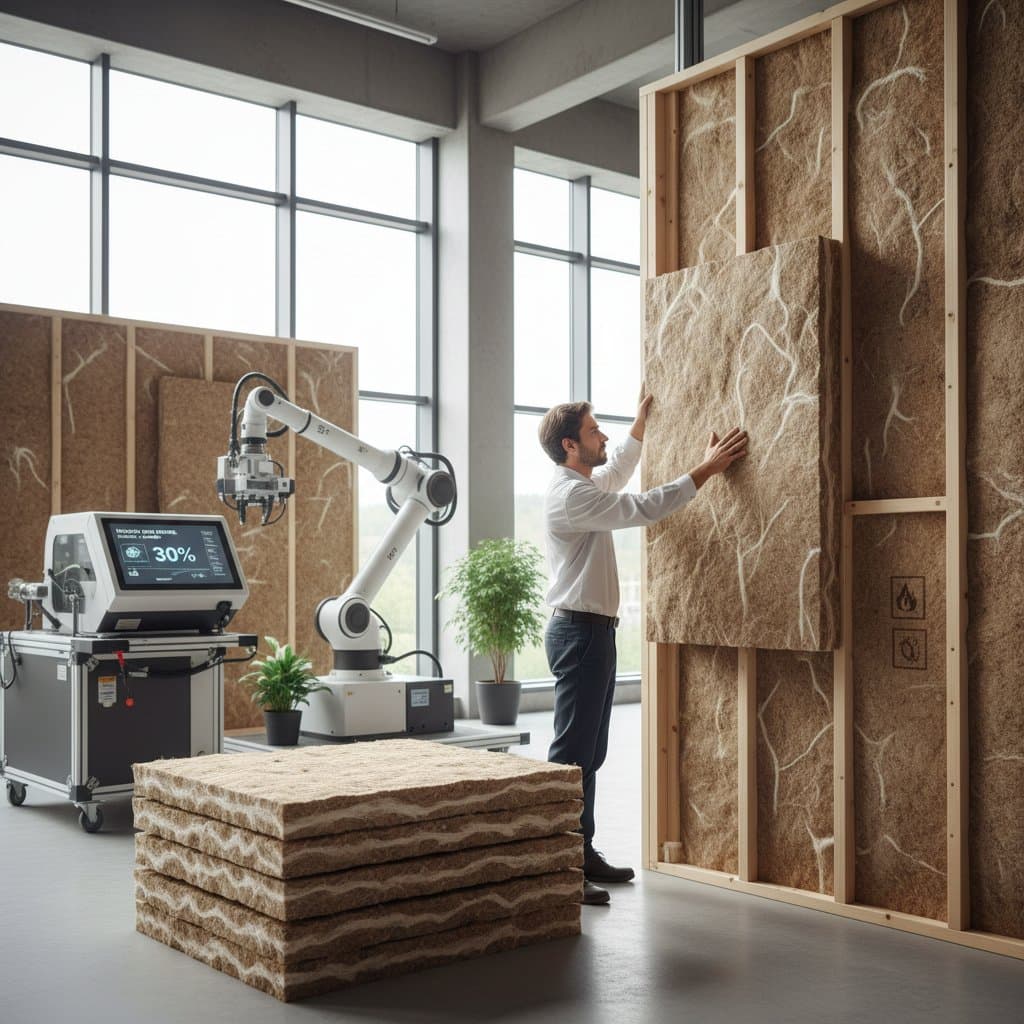
Mycelium Insulation: A Sustainable Path to Energy Efficiency
Insulation materials traditionally include fiberglass batts or rigid foam panels. A innovative alternative emerges from the sustainable construction sector, derived from mushrooms. Specifically, mycelium, the filamentous root structure of fungi, binds organic substrates to form effective insulation. This biological material reshapes perspectives on insulation, waste reduction, and thermal performance.
Essential Features
- Mycelium insulation lowers residential energy consumption by up to 30 percent relative to standard options.
- The material proves biodegradable, non-toxic, and utilizes agricultural residues in its creation.
- Manufacturing demands approximately 90 percent less energy than synthetic counterparts.
- Fire resistance and acoustic damping properties suit applications in homes and commercial structures.
- Expanding production scales contribute to declining costs, enhancing accessibility for conventional building projects.
Understanding Mycelium Insulation Science
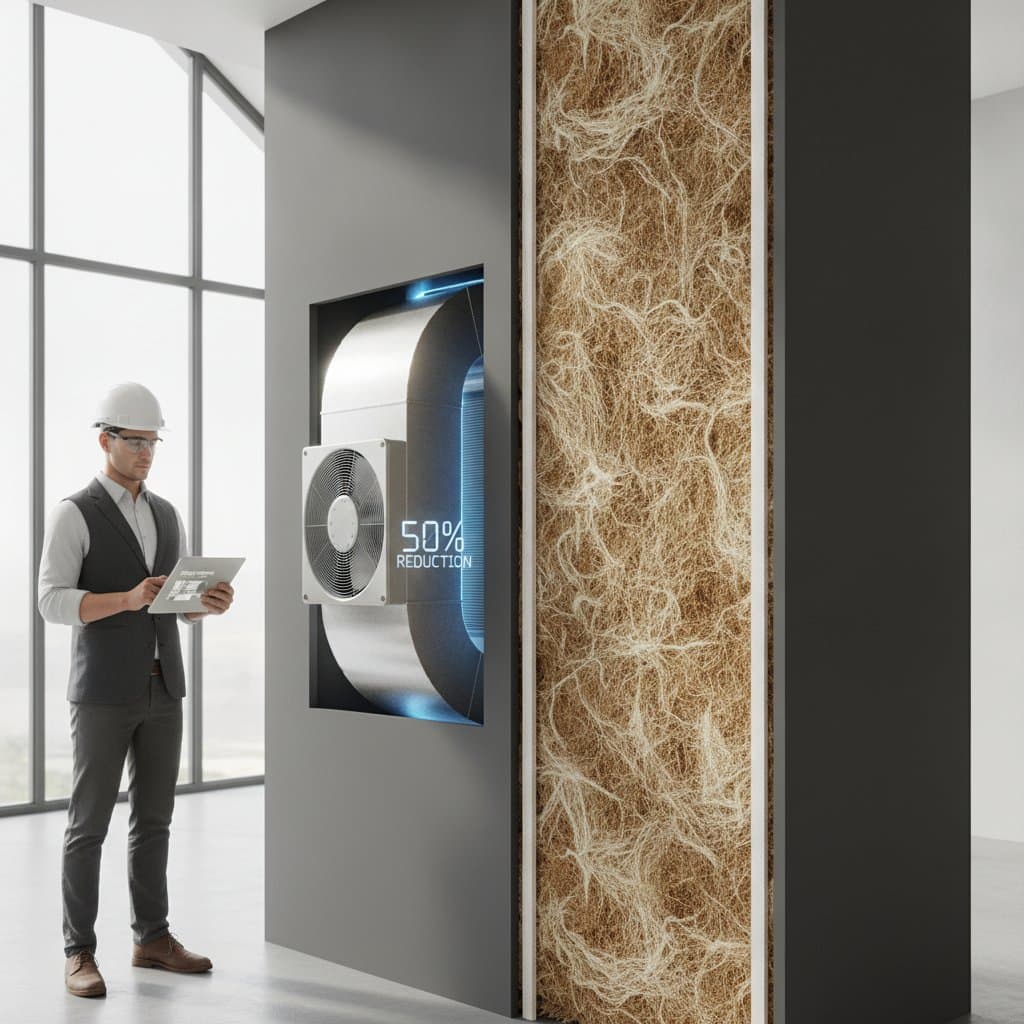
Mycelium functions as a natural adhesive, colonizing substrates like corn stover, hemp fibers, or wood chips. In a controlled mold, the fungus digests the feedstock and develops a compact, lightweight matrix. Heat treatment halts fungal activity, yielding a durable, non-living product.
The resulting structure mimics foam insulation in density and utility, yet avoids ecological burdens. Studies from materials research facilities indicate an R-value of 3 to 4 per inch for mycelium panels, comparable to numerous synthetic foams. This delivers robust heat retention with minimal environmental impact.
Production of mycelium insulation achieves carbon negativity, as fungal growth captures atmospheric carbon while synthetic foam fabrication releases it. Sustainability professionals and architects regard this material as a leading advancement in green building solutions.
Evaluation Against Conventional Materials
| Material Type | Average R-Value (per inch) | Environmental Impact | Biodegradable | Cost per Square Foot |
|---|---|---|---|---|
| Fiberglass | 2.9 - 3.8 | Moderate | No | Low |
| Spray Foam | 3.5 - 6.5 | High | No | High |
| Cellulose | 3.2 - 3.8 | Low | Partially | Moderate |
| Mycelium | 3 - 4 | Very Low | Yes | Moderate |
Fiberglass and foam insulations depend on resource-heavy processes and may release volatile compounds. These options excel in thermal resistance but produce long-lasting waste. In contrast, mycelium insulation decomposes through composting at end-of-life. It maintains indoor warmth in cold seasons and blocks heat in warmer periods, while promoting healthier air by avoiding chemical emissions.
Advantages for Construction Professionals and Residents
Mycelium insulation offers practical benefits that transcend environmental concerns. Construction teams value its inherent fire resistance, achieved without synthetic treatments. Laboratory evaluations demonstrate that the material carbonizes under flame exposure, inhibiting rapid fire propagation and enhancing safety during incidents.
Residents gain from superior noise reduction, with mycelium panels absorbing up to 60 percent of external sounds. This feature proves valuable in apartments or urban settings. The material also manages indoor humidity through slight permeability, which prevents moisture buildup and inhibits mold formation in building envelopes.
Pricing positions mycelium in the moderate range currently. It exceeds basic fiberglass costs due to limited-scale operations but undercuts premium spray foams. With projected annual energy reductions of 20 to 30 percent, payback periods typically span two to five years, depending on local utility rates and installation scope.
Integration in Eco-Conscious Architecture
Designers integrate mycelium insulation into projects seeking environmental certifications. The ability to cultivate it in bespoke shapes accommodates non-standard voids better than prefabricated boards. Combinations with materials like recycled cellulose or wool enhance overall performance in moisture regulation and insulation value.
The full lifecycle of mycelium products highlights efficiency. Unlike persistent synthetic insulations that burden landfills, mycelium enables composting or reuse as growth medium. In circular building frameworks, project remnants feed subsequent productions, diminishing demand for new resources and bolstering regional farming sectors.
Sustainable materials expert Dr. Lena Ortiz notes that mycelium fosters regenerative architecture, where components actively contribute to ecological recovery rather than mere harm reduction. This philosophy diverges from traditional methods centered on performance alone.
Overcoming Adoption Obstacles
Mycelium insulation holds significant promise, yet encounters operational challenges. Fungal growth cycles last several days, slower than industrial synthetic processes. Variations in cultivation conditions, such as temperature or moisture levels, can affect uniformity. Ongoing research introduces automated, climate-controlled systems to ensure consistent quality.
Moisture handling requires attention. The dried material resists fungal regrowth, but sustained wetting compromises integrity. Installers apply vapor retarders and protective sheathing, mirroring protocols for other natural insulations like cellulose or hempcrete.
Building regulations present another hurdle, as standards evolve gradually. Certification agencies perform ongoing assessments for fire safety and thermal efficacy. Successful demonstrations in demonstration projects support broader market entry.
Implementation Guidance for Projects
For renovations or new constructions incorporating mycelium insulation, identify optimal locations first. The material excels in interior partitions, roof spaces, and subfloors. In moisture-prone areas, integrate natural barriers like lime-based renders to preserve longevity.
Consider these steps:
- Engage a specialist in sustainable construction to evaluate site-specific factors, including regional climate.
- Obtain documentation verifying R-value, fire ratings, and material composition.
- Analyze total ownership costs, factoring in energy offsets and end-of-life disposal.
- Prioritize suppliers using local feedstocks to cut transport-related emissions.
- Design systems with adequate airflow to stabilize humidity levels.
Such preparations maximize thermal comfort and ecological gains.
Advancing with Biological Building Materials
Mycelium insulation embodies a transition to materials harmonized with ecological processes. Adoption aligns structures with natural cycles, yielding energy efficiencies alongside broader planetary benefits. Buildings equipped with mycelium foster resilience, where insulation supports not only savings but enduring environmental stewardship.