Key Points
- Mushroom insulation, produced from mycelium, provides a biodegradable, non-toxic alternative to synthetic materials.
- The material regulates temperature and moisture naturally, which boosts energy efficiency and indoor air quality.
- Cost per square foot exceeds that of fiberglass, yet long-term savings arise from lower energy use and waste disposal expenses.
- Mycelium insulation grows into specific shapes, which minimizes manufacturing waste and transportation energy.
- Early applications in residential and small commercial settings demonstrate robust performance, with increasing adoption among sustainable builders globally.
The Universal Challenge: Building Comfort Without Compromise
Homeowners everywhere confront a common issue: achieving comfortable, efficient living spaces without harming the environment or straining finances. Traditional insulation options, such as fiberglass and foam boards, control energy costs effectively. However, these materials depend on petrochemicals and generate landfill waste upon disposal.
Mushroom insulation, cultivated rather than produced in factories, alters this dynamic completely. This approach shifts from resource extraction to regeneration and from temporary solutions to enduring environmental stewardship. Envision insulation that develops organically, creating durable, fire-resistant panels from agricultural waste.
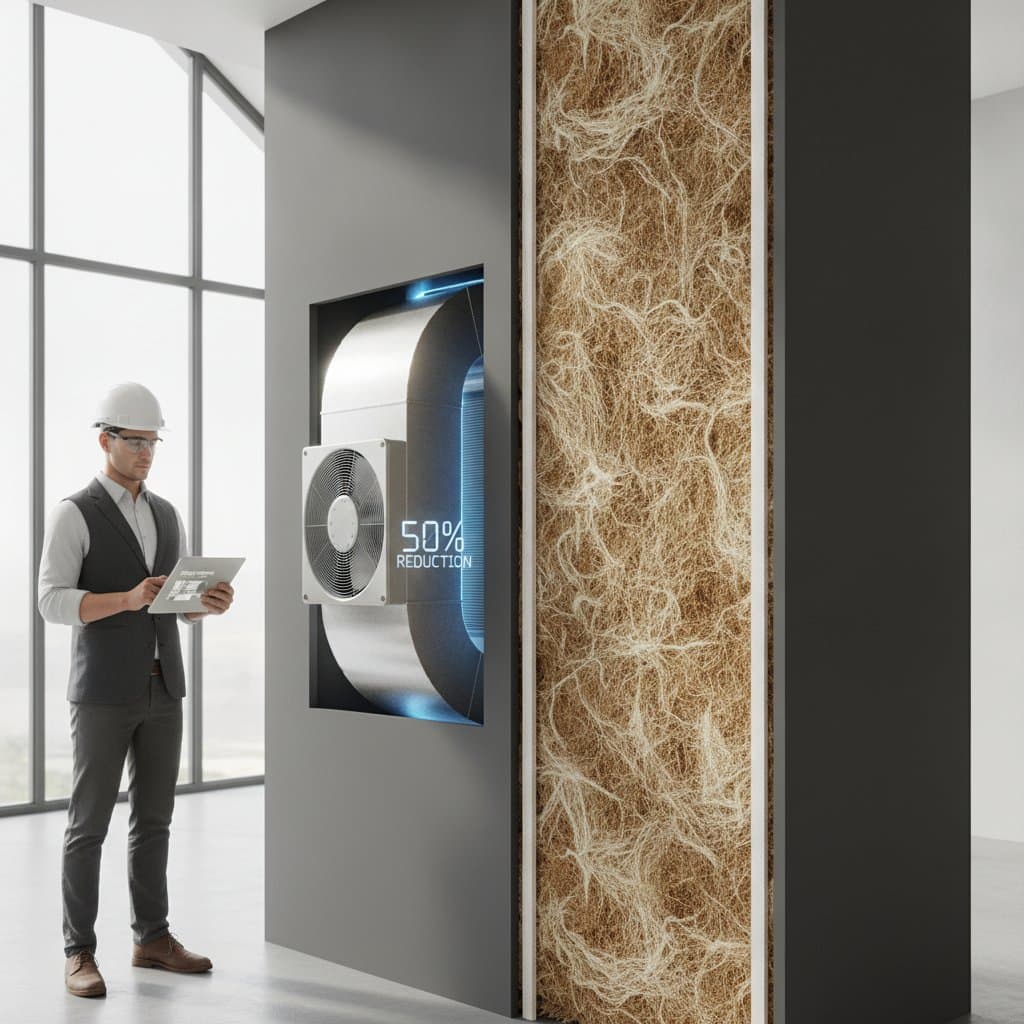
Mycelium, the root-like network of mushrooms, binds organic fibers into compact, lightweight forms. After drying, these forms yield solid, permeable structures resistant to pests and mold by nature. The material matures in mere days rather than years and decomposes harmlessly into the soil at the end of its useful life.
Why Mushroom Insulation Matters Now
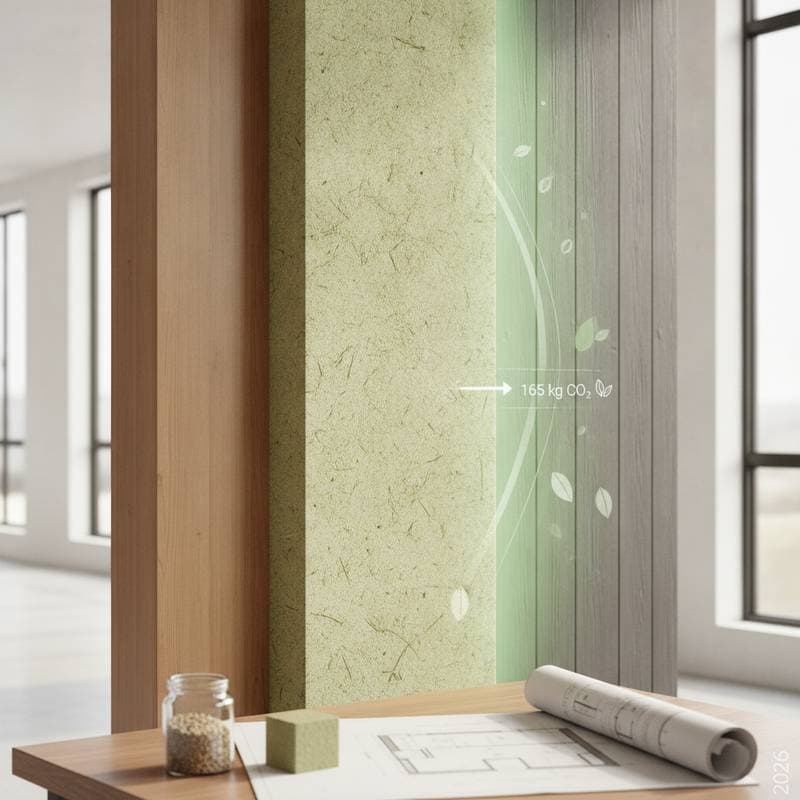
Discussions on building materials extend beyond mere energy efficiency to encompass circular design, carbon mitigation, and durability. Mushroom insulation aligns seamlessly with these principles. Its creation demands little energy, and the material sequesters carbon during growth, yielding a net environmental gain throughout its existence.
Homeowners benefit practically and economically. Energy expenses constitute a major household outlay, and insulation influences these costs directly. Mycelium panels deliver thermal performance comparable to mineral wool and surpass many low-density foams. Such capabilities yield energy reductions of 10 to 20 percent relative to outdated systems.
Over time, these reductions compensate for the elevated upfront expense, particularly as production methods advance. The material supports broader goals, including reduced carbon footprints and enhanced building longevity.
How It Works: Growing a Building Material
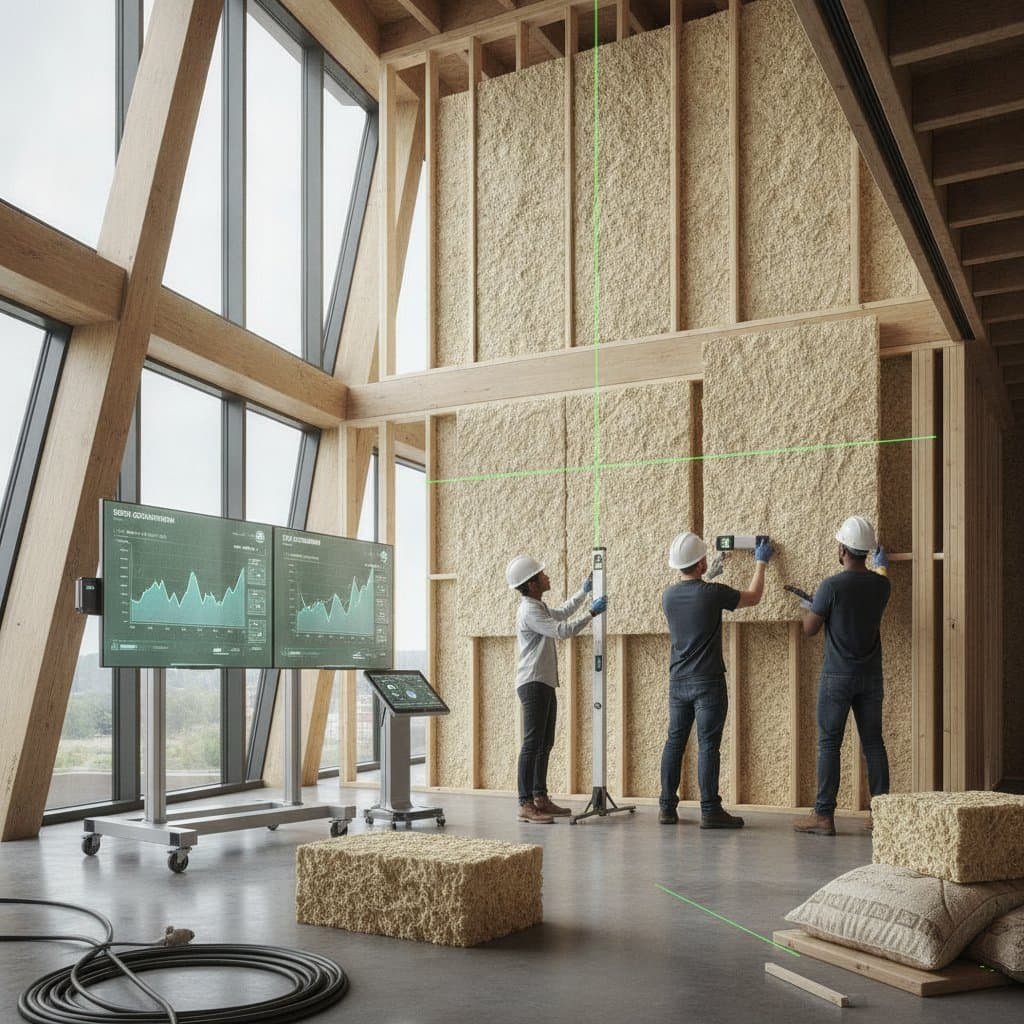
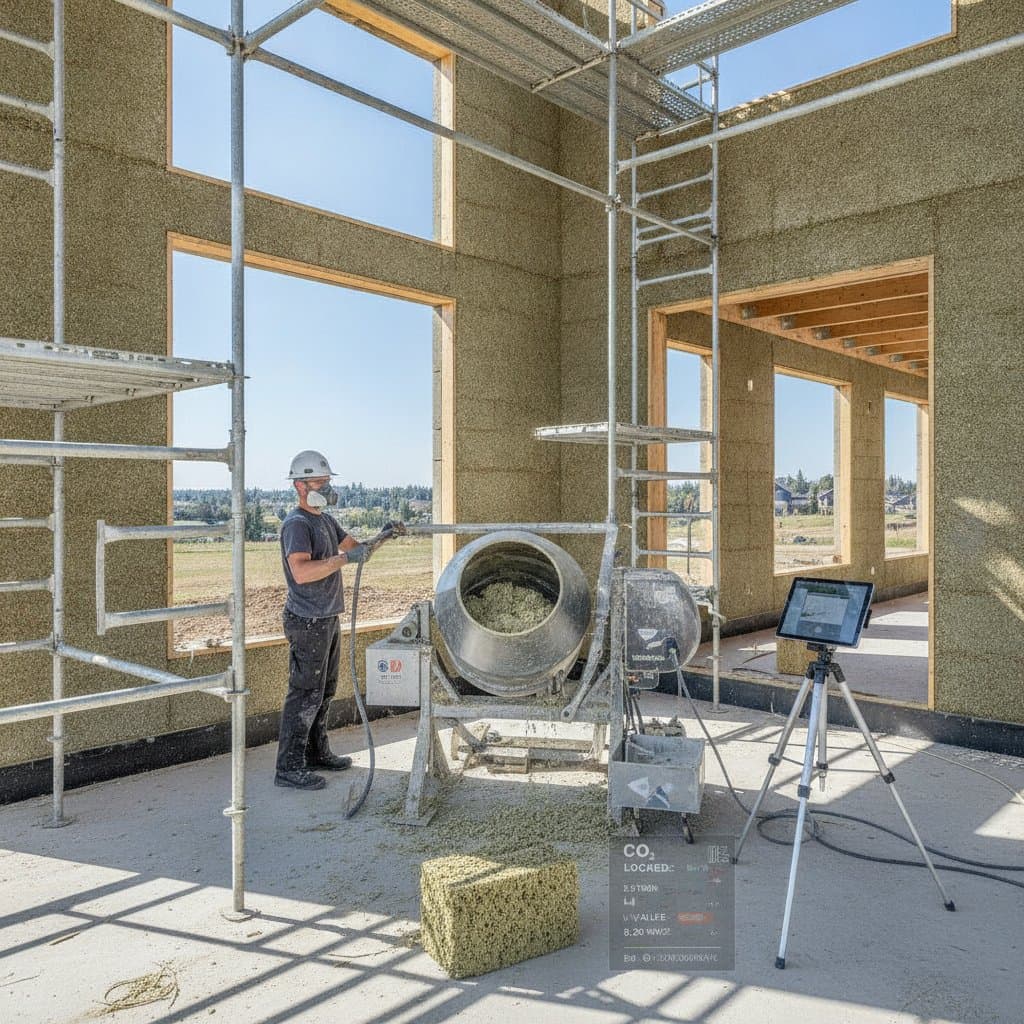
The process simplicity underscores its ingenuity. Agricultural residues, including corn husks or hemp hurds, receive inoculation with mushroom spores. As mycelium expands, it interlaces the substrate, forming natural polymers that serve as robust adhesives.
Upon full colonization of the mold, heat treatment halts growth and produces a stable, non-reactive structure. The resulting panel exhibits several key attributes:
- Lightweight yet strong, with compressive strength akin to polystyrene.
- Thermally stable, preserving effectiveness across diverse temperature conditions.
- Completely biodegradable, decomposing naturally after service.
- Free from toxic resins, which elevates indoor air quality for inhabitants.
Custom shaping during growth eliminates nearly all waste. This efficiency lowers factory energy demands and transport-related emissions, fostering a sustainable supply chain from inception to completion.
Cost and Performance Considerations
Innovative materials must demonstrate viability in ecological and economic terms. At present, mushroom insulation panels command 15 to 25 percent more per square foot than fiberglass equivalents. This difference diminishes when accounting for:
- Reduced waste disposal costs, as panels compost rather than enter landfills.
- Lower operational expenses, stemming from superior thermal performance.
- Health-related value, derived from natural composition that fosters superior indoor settings.
In a typical mid-sized home, the additional investment spans a few hundred to several thousand dollars, influenced by regional availability and project scale. Energy savings alone recoup costs within five to eight years. The overall lifecycle advantages, including diminished environmental effects and sustained comfort, provide enduring returns across decades.
Expert Insights: Builders and Scientists Converge
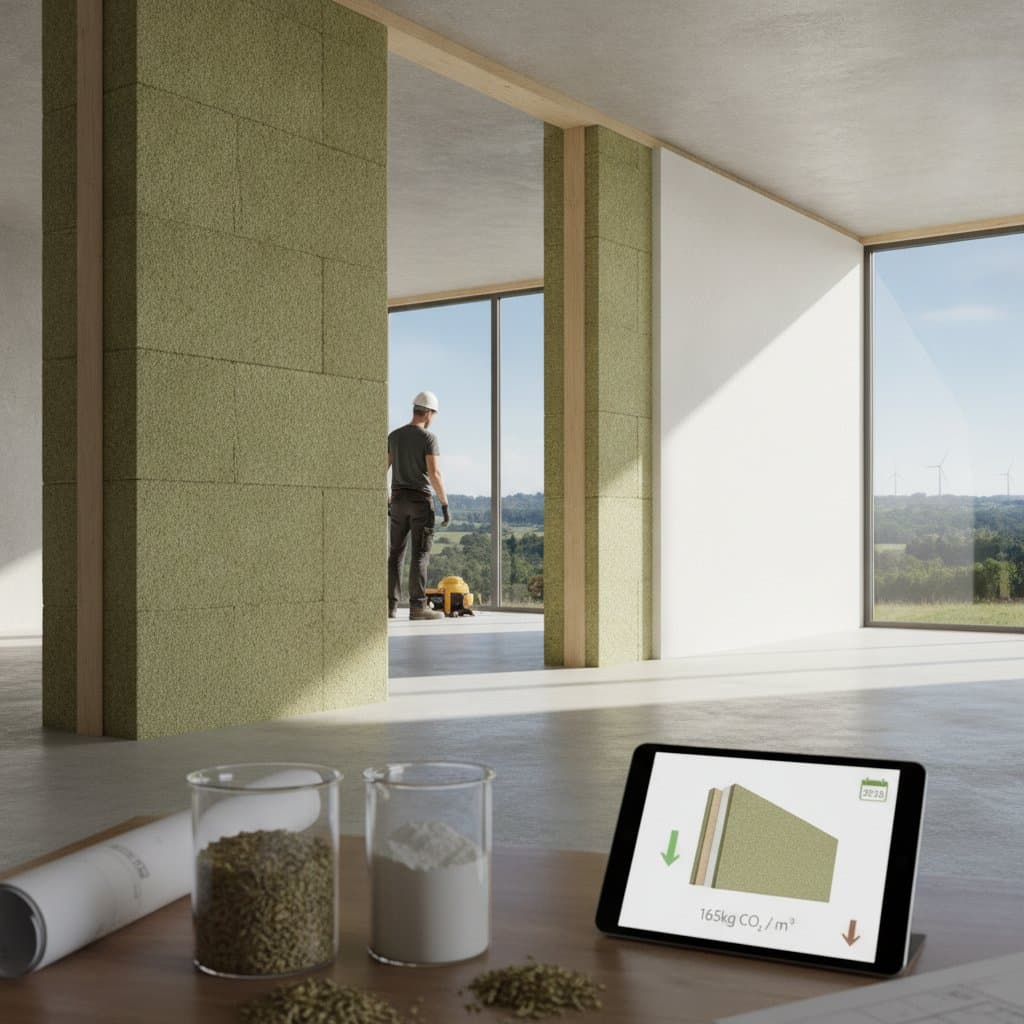
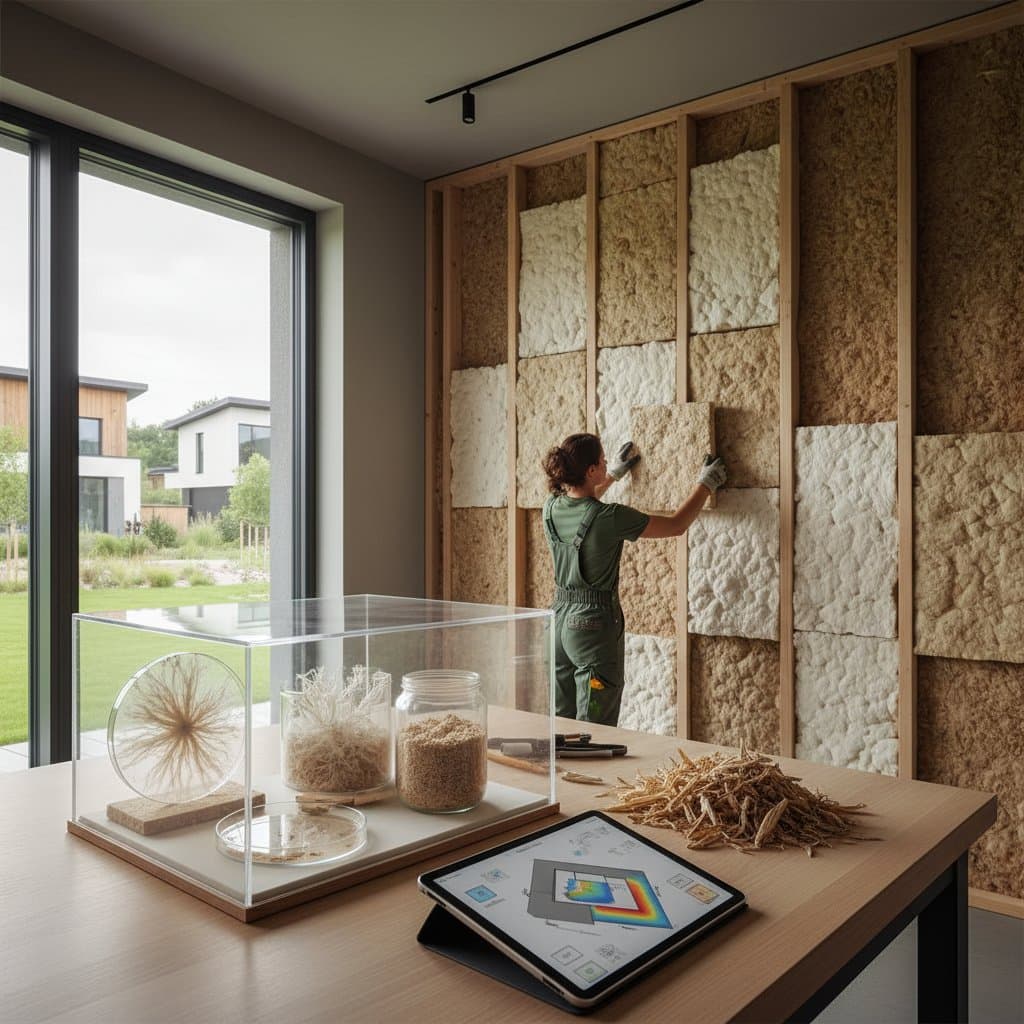
Professionals in sustainable construction regard mycelium insulation as an exceptional blend of biology and engineering. Structural engineers value its low density and compression resilience, while environmental designers emphasize its renewable origins. Architects explore hybrid configurations, combining mushroom insulation with recycled wood to form humidity-regulating wall assemblies.
Material science specialists confirm that mycelium composites achieve or surpass benchmarks in R-value, sound absorption, and fire resistance. Proper treatment ensures the material chars instead of burning, delivering strong fire safety without synthetic chemicals. These qualities render it ideal for residential upgrades, where safety and sustainability hold equal importance.
Health and Wellness Benefits
Contemporary homes frequently retain airborne contaminants, compromising indoor air quality. Mushroom insulation promotes healthier interiors through multiple mechanisms:
- Absence of volatile organic compounds or formaldehyde.
- Breathable design that manages moisture and curbs mold development.
- Humidity stabilization, which enhances comfort and supports respiratory well-being.
For individuals with allergies or sensitivities, these features offer substantial relief. The overall sense of vitality from a pure, naturally equilibrated living space extends value beyond quantifiable energy reductions.
Resilience and Long-Term Value
Durability often determines a material's suitability. Mushroom insulation withstands pest and moisture damage when sealed appropriately. It preserves structural soundness for decades without emitting hazardous fibers or substances.
The economic edge emerges from energy efficiencies, alongside minimal maintenance and replacement requirements. As climate variability intensifies, resilience emerges as a core design element. Mycelium insulation accommodates temperature fluctuations adeptly and aids comfort during outages or severe weather.
Its minimal embodied energy and renewable sourcing position it among the most forward-thinking options in current use.
Common Questions About Mushroom Insulation
Is it safe for people with mushroom allergies?
The heat treatment process eliminates spores, rendering the material inert and non-allergenic.
Can it be used in existing homes?
Yes, it substitutes fiberglass batts in standard wall spaces or suits attic and basement installations within conventional framing.
How does it perform in humid climates?
With suitable vapor barriers and ventilation, mycelium insulation functions dependably in humid or arid environments.
What about building codes?
Ongoing testing and certification progress rapidly; numerous areas approve mycelium composites under bio-based material provisions. Consult local experts to verify adherence prior to proceeding.
Taking Action: Steps Toward a Greener Home
Homeowners interested in this advancement should initiate with modest projects. Options include attic retrofits, standalone studios, or basement transformations. Such endeavors enable direct assessment of performance and comfort while bolstering a nascent sustainable sector.
Evaluate suppliers for certified products and integrate with energy audits to maximize benefits. This strategic adoption not only upgrades individual residences but also advances collective environmental progress.