Understanding Mushroom Insulation
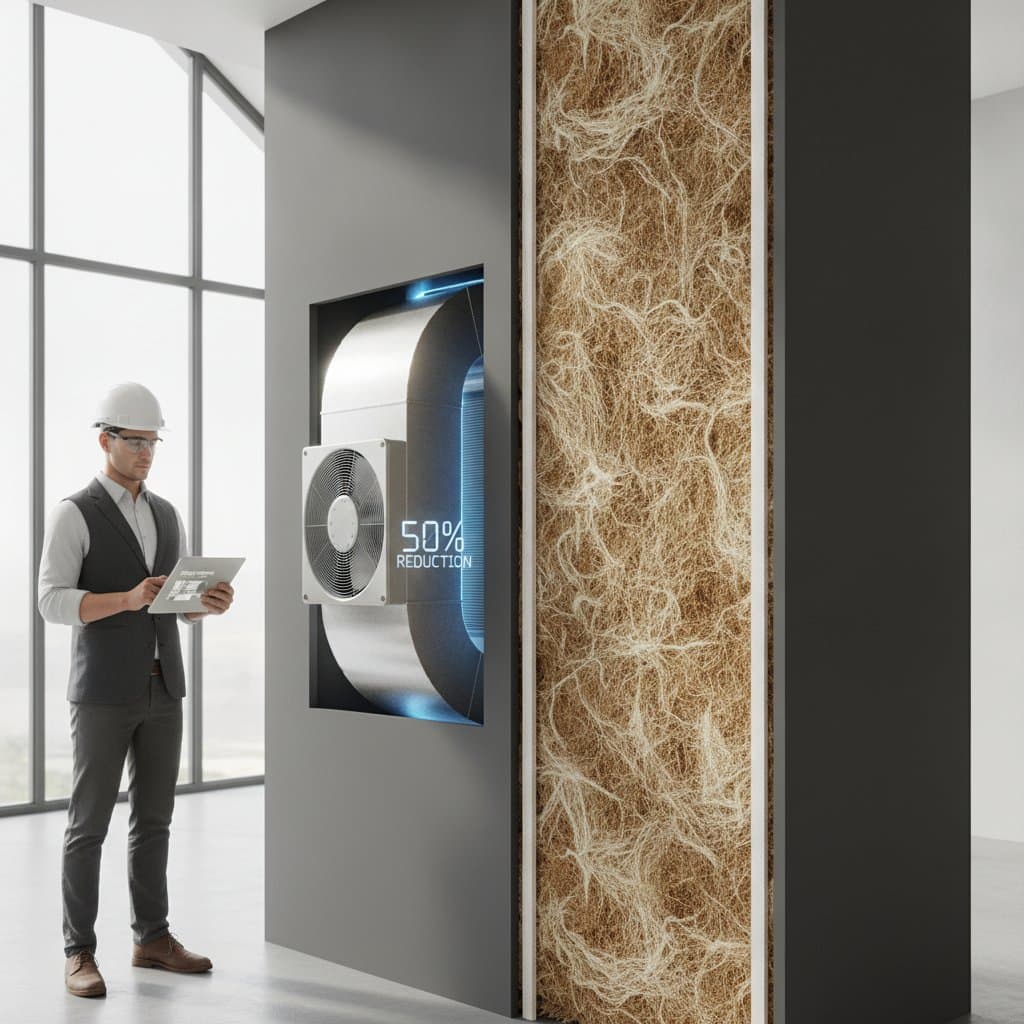
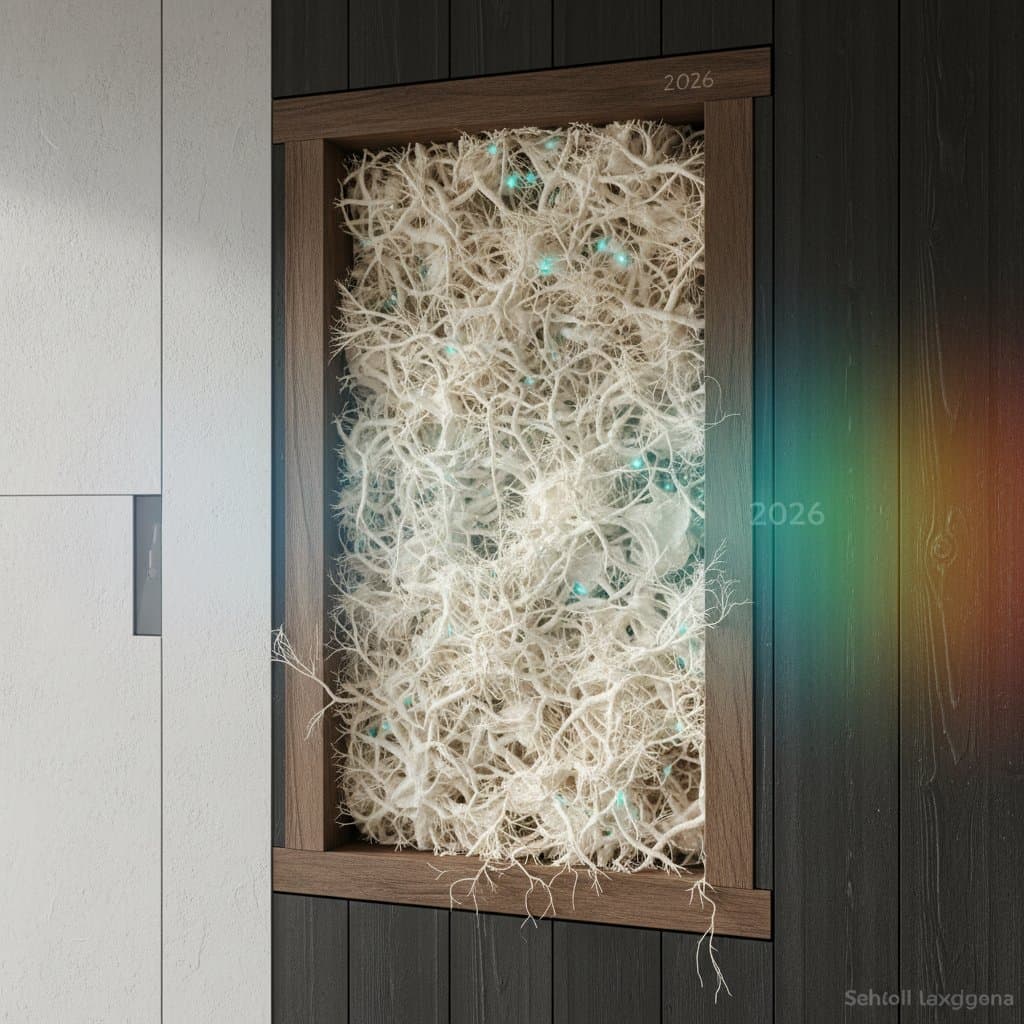
Mushroom insulation emerges from the root-like structure of fungi known as mycelium. Builders mix mycelium with agricultural byproducts such as hemp hurds or corn stalks to form a substrate that the fungi colonize over days or weeks. The result yields rigid panels or custom-grown forms that integrate seamlessly into wall assemblies, providing insulation without the energy-intensive manufacturing processes of traditional materials.
This biological approach mimics natural ecosystems where fungi break down organic matter. In construction, the process occurs in controlled molds, allowing precise shaping for specific building needs. Homeowners benefit from a material that not only insulates but also actively contributes to a healthier indoor environment by regulating humidity.
Key Advantages Over Conventional Insulation
Mushroom insulation excels in thermal efficiency, with R-values comparable to fiberglass or foam boards, often reaching R-3.5 per inch. Its cellular structure traps air pockets that resist heat transfer, maintaining comfortable indoor temperatures year-round. Studies indicate that homes using this material experience up to 30 percent reductions in heating and cooling demands.
Fire resistance stands out as a critical feature. Unlike synthetic foams that melt or release toxic fumes, mycelium-based insulation chars slowly when exposed to flames, forming a protective barrier that limits spread. This property meets stringent building codes in many regions, offering peace of mind for families.
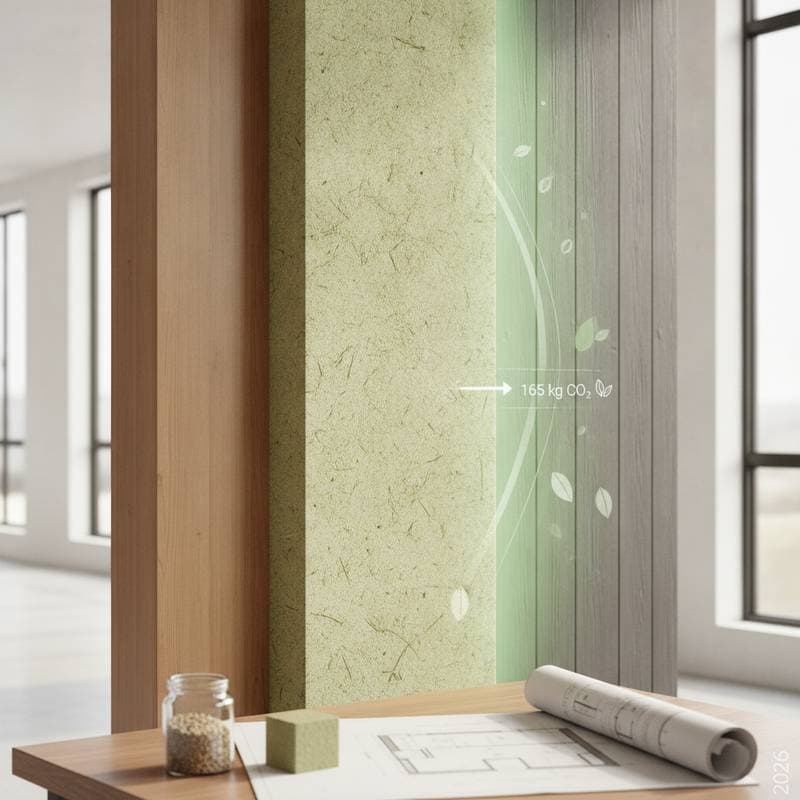
The production process proves carbon-negative, as mycelium sequesters carbon dioxide while decomposing substrates that would otherwise contribute to waste. At the end of its lifespan, the material breaks down in compost piles, returning nutrients to the soil without landfill contributions. Such lifecycle benefits align with global sustainability goals, reducing the overall carbon footprint of residential construction.
Installation Process for Homeowners
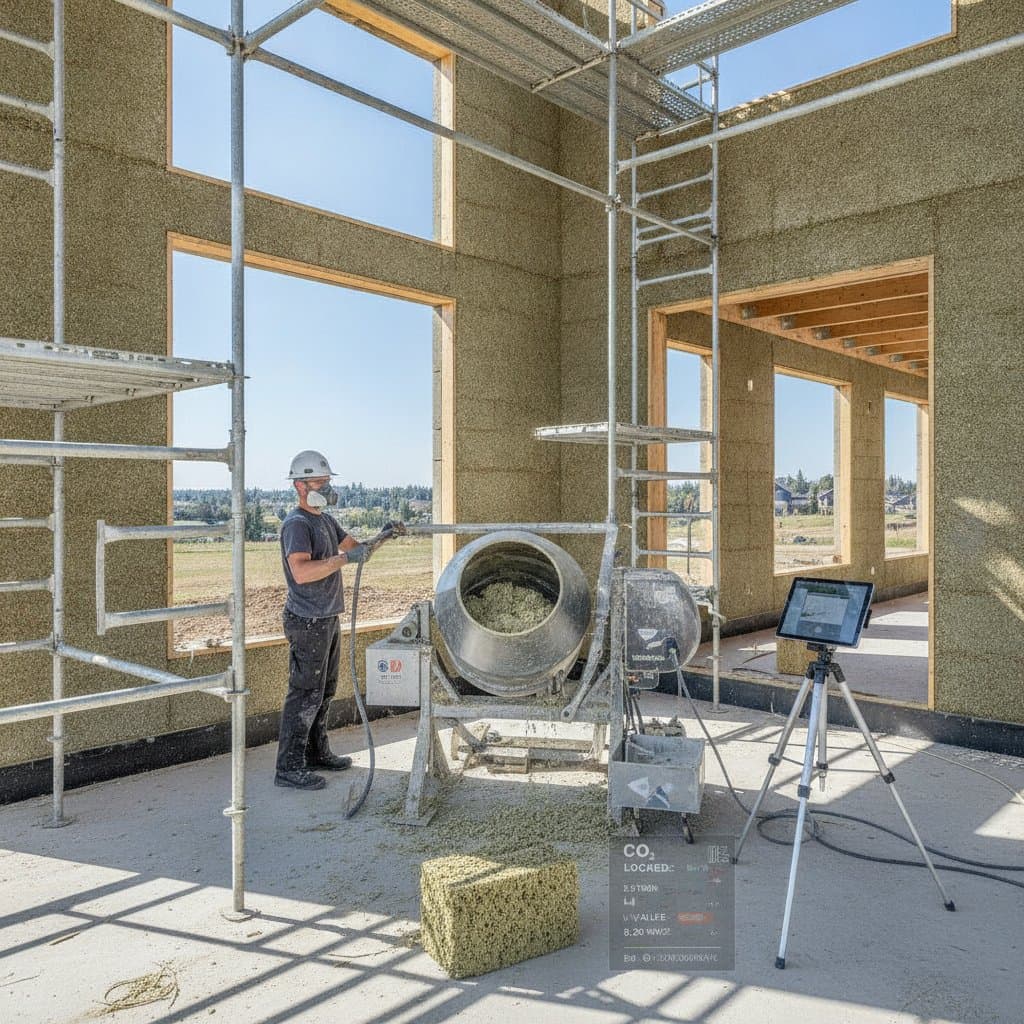
Installing mushroom insulation begins with preparing the wall cavity. Professionals inoculate the substrate with mycelium spores in on-site molds or prefabricated panels, allowing growth in a warm, humid environment for seven to fourteen days. Once mature, the hardened material fits directly into framing, secured with minimal adhesives to preserve its integrity.
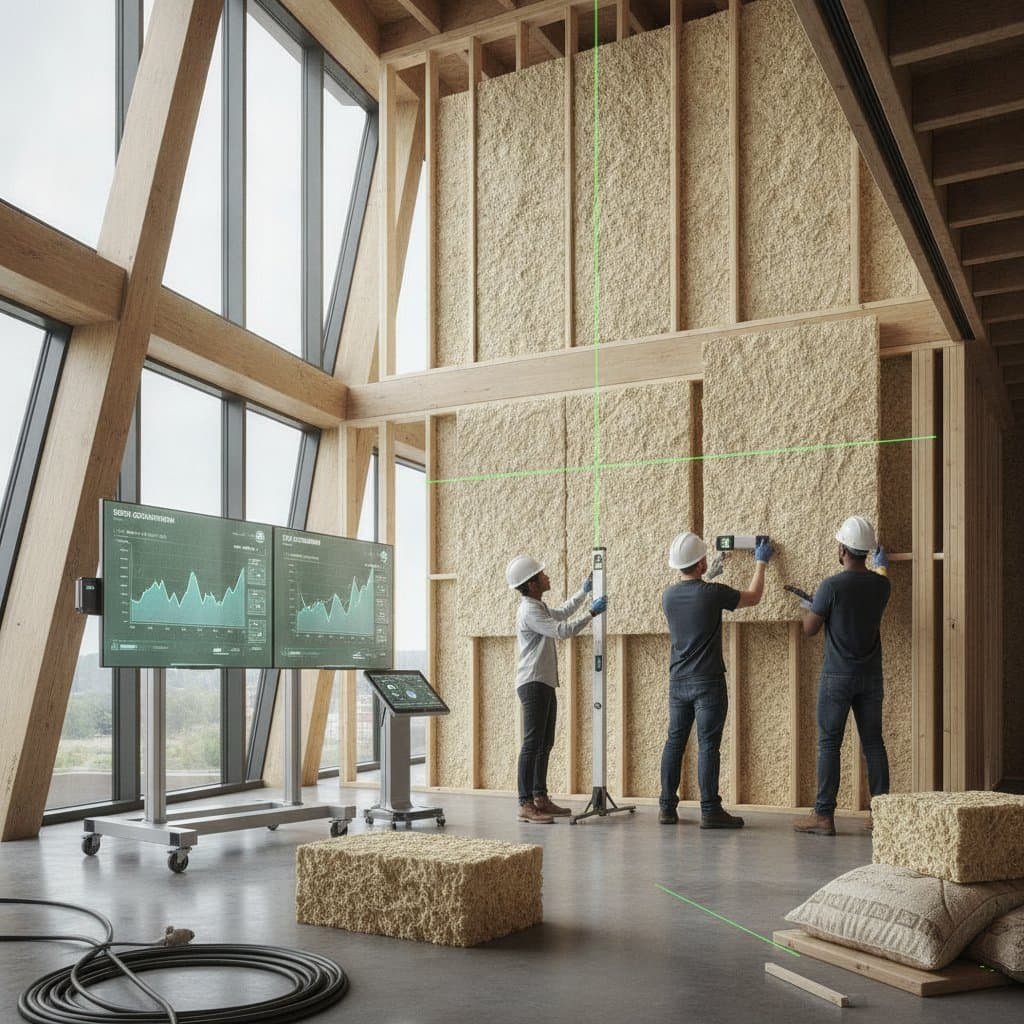
For retrofit projects, existing walls require careful removal of old insulation to avoid contamination. New installations in frame construction prove simpler, as panels slot between studs like standard batts. Builders recommend sealing joints with natural tapes to enhance airtightness, ensuring optimal performance.
Homeowners can explore DIY options for smaller applications, such as insulating sheds or interior partitions. Kits from specialized suppliers provide pre-inoculated blocks that expand to fill spaces, though professional consultation ensures compliance with local regulations. The process demands patience but rewards with a living material that adapts to its surroundings.
Cost Considerations and Long-Term Savings
Upfront costs for mushroom insulation range from 20 to 50 percent higher than fiberglass, typically 8 to 12 dollars per square foot installed. Factors include material sourcing and growth time, which add to labor expenses. However, these investments pay off through reduced utility bills, with payback periods of five to ten years in moderate climates.
Incentives such as green building rebates or tax credits further offset initial outlays. For new constructions, integrating mycelium early in design minimizes additional framing adjustments. Over decades, the durability of this material, resistant to mold and pests, lowers maintenance needs compared to synthetic alternatives that degrade over time.
The Future of Mycelium in Home Design
By 2026, advancements in mycelium cultivation promise broader adoption. Researchers develop strains that grow faster and achieve higher densities for enhanced insulation values. Integration with smart home systems could allow mycelium panels to monitor and adjust moisture levels automatically.
Architects increasingly incorporate this material into modular housing and tiny homes, where space efficiency matters. Community projects demonstrate its scalability, from urban infills to rural retreats. As supply chains mature, prices should stabilize, making sustainable insulation accessible to more households.
Embracing Mycelium for a Greener Tomorrow
Choosing mushroom insulation transforms homes into active participants in environmental stewardship. This material not only conserves energy but also fosters a connection to natural processes. Homeowners who adopt it contribute to a built environment that regenerates rather than depletes resources, securing comfort for generations ahead.