Key Points
- Energy leaks waste up to 30 percent of household heating or cooling costs, often without visible signs.
- Thermal imaging and energy audits reveal hidden inefficiencies in insulation, windows, and mechanical systems.
- Smart retrofits like air sealing, attic upgrades, and window improvements can deliver paybacks from 3 to 7 years.
- Combining diagnostic tools with strategic investments creates both comfort and long-term financial stability.
The Hidden Heat Challenge
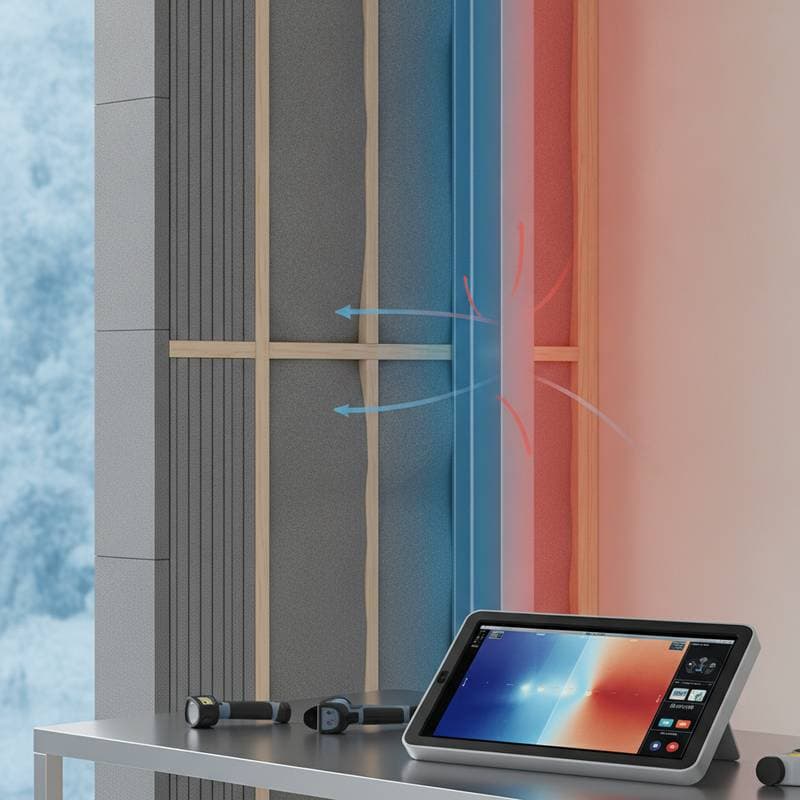
Picture a chilly morning when you step into your living room expecting warmth, only to feel a cold draft sneaking through the walls. You adjust the thermostat again, unaware that the real problem is invisible. Heat is slipping through cracks, poorly insulated corners, and outdated materials. Across neighborhoods of every climate, this silent energy loss drains wallets and increases strain on heating systems.
The good news is that technology now gives homeowners the power to see what the eyes cannot. Thermal imaging and smart energy audits expose where money literally escapes through the building envelope. Understanding these leaks is the first move toward smarter retrofits that save energy and increase property value.
Why Locating Heat Loss Matters
Energy efficiency is not only an environmental goal but also a financial strategy. Every degree of heat lost through the roof, walls, or windows increases energy bills. On average, sealing and insulation improvements can cut heating and cooling costs by 15 to 30 percent. For many households, that translates to hundreds of dollars saved annually while improving indoor comfort.
Beyond immediate savings, energy-efficient homes command higher resale value. Buyers increasingly prioritize properties with verified performance data. A professional energy audit provides that confidence, showing measurable improvements that strengthen negotiating power.
Thermal Imaging: Seeing the Invisible
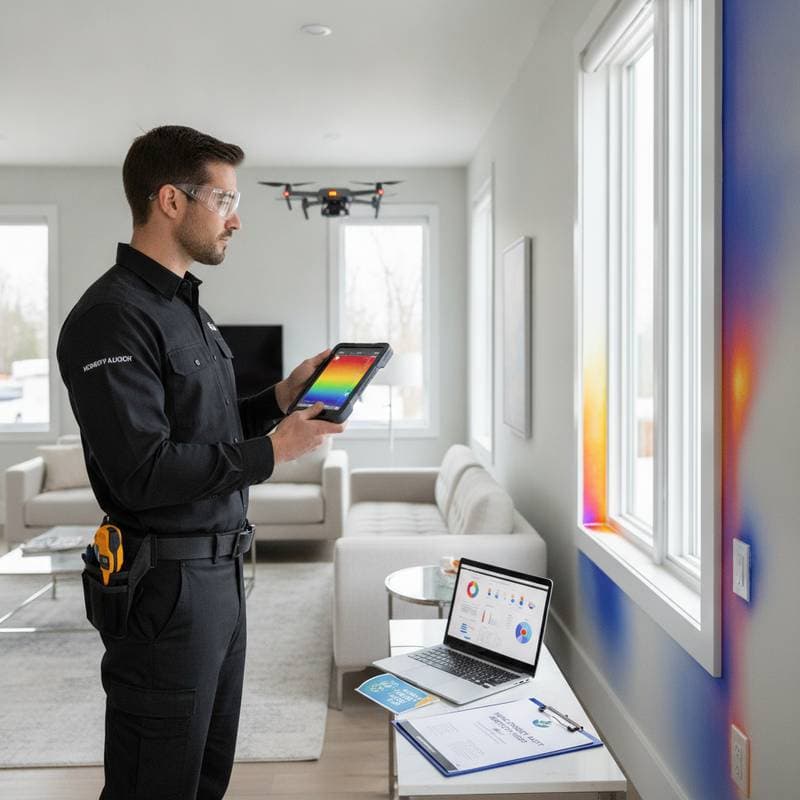
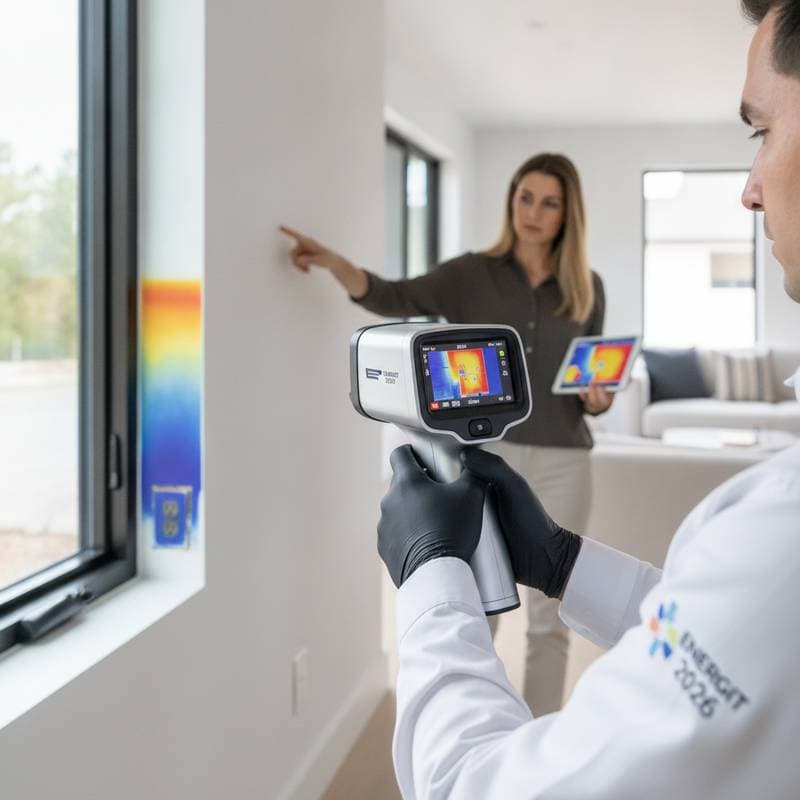
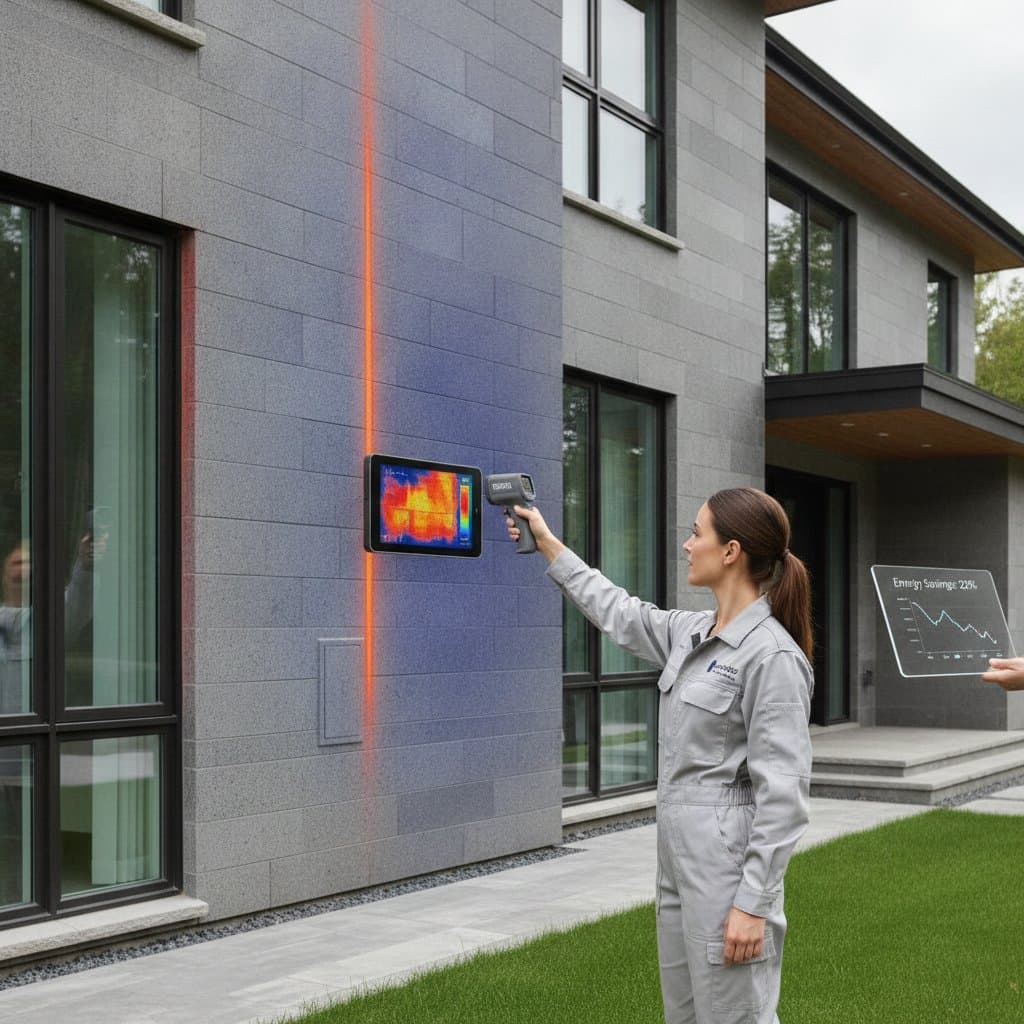
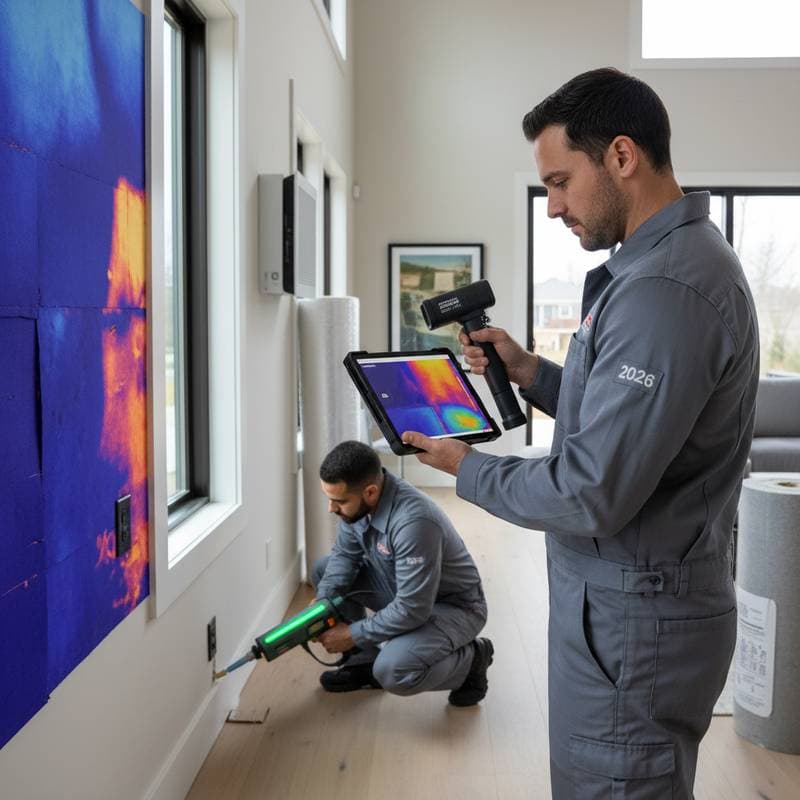
Thermal imaging cameras detect temperature variations across surfaces, translating them into color-coded images. Cold areas appear as dark zones, revealing where insulation is missing or air is infiltrating. This diagnostic step identifies problems that standard inspections often miss.
Common Issues Detected by Thermal Imaging
- Air leaks around windows and doors that compromise comfort and efficiency.
- Insulation gaps in attics, walls, and floors that allow rapid heat transfer.
- Moisture intrusion that reduces insulation performance and can lead to mold.
- Uneven heating caused by duct leaks or blocked vents.
A professional energy auditor uses these images alongside blower door tests, which measure air tightness. Together, these tools create a roadmap for targeted improvements instead of guesswork renovations.
Smart Retrofit Strategies
Once the leaks are identified, the next step is prioritizing upgrades that provide maximum return. Not every homeowner has the budget for a full-scale retrofit, so the smartest path is a layered approach.
1. Air Sealing and Insulation
Sealing gaps and cracks around windows, doors, wiring penetrations, and attic hatches is one of the most cost-effective measures. A few tubes of high-quality caulk and weatherstripping can reduce heat loss dramatically. Upgrading attic insulation to meet current efficiency standards often yields a payback within five years.
2. High-Performance Windows
Replacing single-pane or poorly sealed windows can reduce heat loss by up to 20 percent. Double or triple glazing with low-emissivity coatings offers better thermal resistance. For homes with newer windows, adding interior storm panels provides a lower-cost alternative that still improves performance.
3. HVAC Optimization
An efficient heating and cooling system only performs well if ductwork is sealed and balanced. Duct leaks can waste up to 25 percent of conditioned air. A professional tune-up combined with smart thermostats ensures that your system runs efficiently and adapts to your living patterns.
4. Reflective and Efficient Roofing
Modern reflective roofing materials reduce heat absorption, keeping interiors cooler in summer and reducing strain on cooling systems. In colder regions, proper attic ventilation avoids ice dam formation and maintains insulation performance.
Balancing Costs and Returns
Every retrofit project involves balancing upfront costs against long-term savings. Air sealing and insulation upgrades typically cost between a few hundred and a few thousand dollars, with paybacks of three to five years. Window replacements may take longer to recoup, but they deliver improved comfort, noise reduction, and curb appeal that increase property value.
Energy-efficient HVAC systems can return 10 to 20 percent annually through reduced operating costs. When combined with improved insulation and airtight construction, the entire building performs as a cohesive system rather than a collection of separate components.
The financial return is not only measured in lower utility bills. Reduced maintenance, longer equipment life, and enhanced indoor comfort contribute to ongoing value.
Health and Comfort Bonus
A draft-free, well-insulated home maintains even temperatures and better air quality. Reduced infiltration means fewer allergens, pollutants, and moisture problems. When paired with smart ventilation systems, these retrofits support healthier living environments without sacrificing energy efficiency.
Many homeowners report that after sealing leaks and upgrading insulation, rooms once deemed “unusable” in winter or summer become comfortable year-round. Comfort is often the most immediate and noticeable reward.
Future-Proofing Your Home
Energy codes and performance expectations continue to evolve. Investing in efficient materials and diagnostic assessments ensures your home remains competitive and adaptable. Features like accessible mechanical systems, modular insulation panels, and smart controls prepare your property for future upgrades without major disruption.
Sustainability is also about resilience. High-performance envelopes provide better temperature stability during power outages or extreme weather, protecting both occupants and property.
Making It Happen
Start with a professional energy audit that includes thermal imaging. This establishes a clear baseline and identifies the most cost-effective improvements. Request a detailed report that ranks upgrades by cost, savings potential, and comfort impact.
Next, create a phased plan. Begin with air sealing and insulation, then move to mechanical and window improvements. Consider rebates, tax incentives, or low-interest energy loans available through local programs to reduce out-of-pocket costs.
Finally, track your results. Compare energy bills before and after improvements, and monitor comfort levels through each season. The data will confirm that each dollar invested in reducing heat loss contributes directly to long-term savings and property value.
A home that retains heat efficiently is more than a technical achievement. It is a statement of responsible ownership, smart financial planning, and commitment to sustainable living.