Key Points
- Federal geothermal tax credits reach record levels in 2025, lowering costs for ground source heat pumps.
- Strategic installation and design maximize upfront savings and ongoing efficiency gains.
- Local rebates often combine with federal incentives to shorten payback periods significantly.
- Eligibility requirements and application timing demand careful attention to secure full benefits.
- Certified professional installation remains essential for credit qualification.
Embrace Geothermal for Sustainable Comfort
Homeowners face escalating energy costs and inconsistent climate control. Imagine returning to a home where cooling systems operate efficiently, drawing from the earth's stable thermal energy rather than straining against extreme weather. Ground source heat pumps achieve this by leveraging consistent underground temperatures for heating, cooling, and water heating.
The 2025 record geothermal tax credits make these systems accessible to more households. This moment presents an ideal opportunity for upgrades that enhance home resilience, reduce utility dependence, and promote environmental stewardship.
Benefits of Geothermal Systems for Homeowners
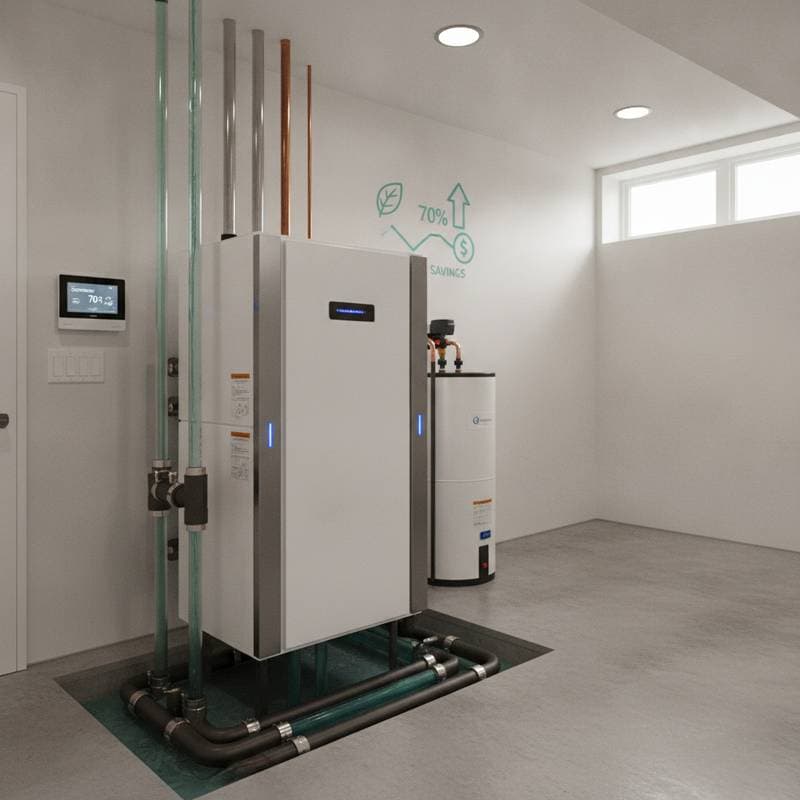
Geothermal systems, known as ground source heat pumps, employ buried loops to exchange heat with the earth. The ground's stable temperature enables highly efficient operation across seasons, often integrating water heating capabilities.
Field experience demonstrates that these systems reduce household energy use by up to 50 percent relative to conventional HVAC setups. Annual savings increase as utility rates climb, while carbon emissions drop substantially due to the absence of on-site combustion.
In variable climates, geothermal provides reliable performance. Systems maintain comfort during cold snaps or heat waves without excessive energy fluctuations.
Leverage Historic Tax Incentives
Federal credits for geothermal installations hit unprecedented levels in 2025. Eligible homeowners receive a direct tax credit covering a substantial portion of costs, including equipment, labor, and site preparation.
State, county, and utility programs frequently supplement these with rebates or financing options. Combined incentives can offset 40 percent or more of total expenses.
Residential systems typically cost $20,000 to $35,000, varying by home size and site conditions. Credits may yield $6,000 to $10,000 in immediate savings, followed by $1,000 to $2,000 annual reductions in utility bills.
Engage installers experienced in incentive processes. They manage complex documentation and ensure compliance with eligibility standards.
Strategies to Optimize Eco-Efficiency
Maximize credits through integrated planning that accounts for your home's energy needs, site specifics, and sustainability objectives.
Conduct a Comprehensive Energy Audit
Evaluate current energy consumption to identify inefficiencies like air leaks or poor insulation. Professional audits, often subsidized by utilities, can reduce required system capacity by 10 to 20 percent, lowering costs accordingly.
Select Appropriate Loop Configuration
Geothermal loops vary by installation method:
- Closed Horizontal Loops: Laid in shallow trenches, suitable for spacious lots with favorable soil.
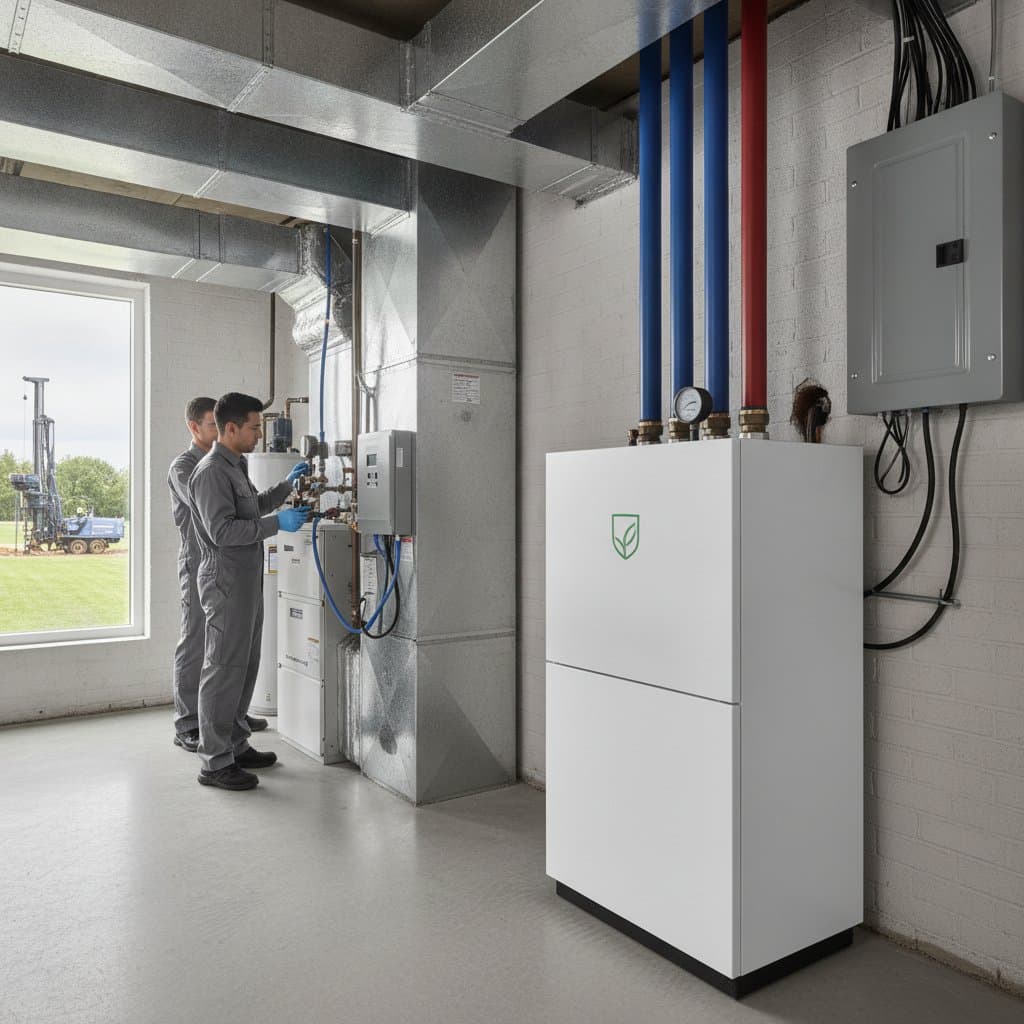
- Closed Vertical Loops: Bored into deeper ground, ideal for compact sites or challenging terrain.
- Open Loop Systems: Utilize nearby water sources like wells, offering high efficiency where water quality permits.
Installers assess soil thermal properties and hydrology to recommend the optimal type.
Confirm Installer Qualifications
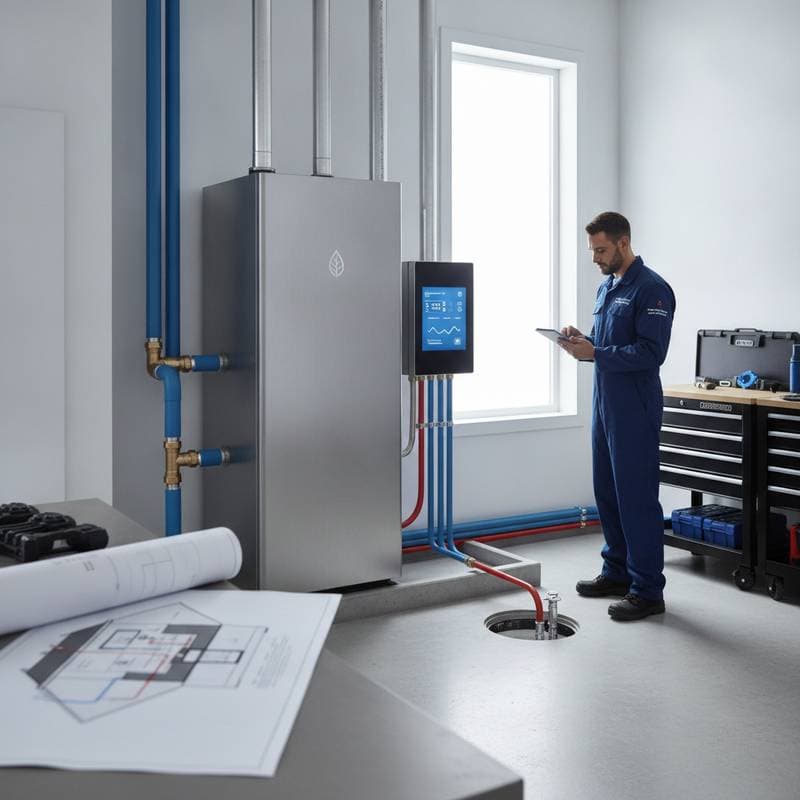
Credits mandate systems meeting ENERGY STAR standards and installation by accredited professionals. Seek IGSHPA certification and review project references to verify expertise.
Incorporate Intelligent Controls
Integrate smart thermostats and zoning to enhance performance. Automation optimizes operation, potentially cutting energy use by 15 percent through precise scheduling.
Bundle Complementary Upgrades
Pair geothermal installation with insulation enhancements, window replacements, or duct improvements. These measures amplify overall efficiency, allowing for a more compact and cost-effective system.
Essential Planning Factors
Address these elements to ensure system success and value.
Cost Analysis and Return on Investment
Initial outlay ranges from $20,000 to $35,000 for typical homes. After incentives, net costs often fall below $20,000, with payback through energy savings in 5 to 8 years. Systems then deliver decades of low-cost operation.
Installation Process and Duration
Projects span 1 to 2 weeks, influenced by drilling and complexity. Permitting may extend timelines, particularly in areas with environmental oversight.
Durability and Upkeep
Loops endure over 50 years, with indoor components lasting 20 to 25 years. Routine annual checks, costing under $200, maintain peak efficiency and avert repairs.
Environmental and Safety Aspects
Closed-loop designs use sealed, water-based fluids with biodegradable antifreeze. Verify installer adherence to non-toxic standards to minimize ecological impact.
Compliance and Permitting
Local permits prove necessary. Installers manage filings, but retain records for tax purposes. Geothermal contributes points toward LEED or ENERGY STAR certifications.
Pitfalls to Sidestep
Avoid these errors to fully capitalize on incentives.
- Procrastination on Scheduling: Credits tie to installation dates; book early to circumvent installer shortages.
- Overlooking Site Evaluation: Inaccurate soil or depth assessments lead to unexpected expenses; insist on thorough surveys.
- Amateur Installation Efforts: Specialized tools and expertise required; improper work invalidates credits and warranties.
- Neglecting System Validation: Post-install checks confirm optimal pressures, levels, and flows against specifications.
Case Study: Transforming Energy Use in a Ranch Home
A client with a spacious ranch house replaced inefficient electric heaters with a vertical closed-loop geothermal system. Energy consumption halved, dropping from high bills to manageable levels. The $28,000 project netted to $17,000 after federal and state credits, achieving payback in six years while providing uniform comfort.
Geothermal installer Mark Jensen notes, "The biggest surprise for most homeowners is how quiet and stable the system feels. Once it is running, you hardly notice it. The comfort is completely even from room to room."
Steps to Proceed with Confidence
Initiate by reviewing utility statements and consulting certified experts. They assess feasibility, rebate potential, and tailored designs.
- Assess Site Suitability: Review lot dimensions, soil composition, and water availability to select loop type.
- Solicit Competitive Bids: Obtain detailed proposals from at least three qualified installers, including references.
- Consult Tax Advisors: Clarify qualifying expenses and claim procedures.
- Time for Optimal Conditions: Schedule during stable weather to ease ground work.
- Track Outcomes: Monitor post-installation energy metrics to validate performance.
Geothermal harnesses earth's reliable energy, insulating against fuel price volatility. This incentive era enables homes to gain value, efficiency, and ecological alignment simultaneously.
Frequently Asked Questions
What qualifies a geothermal system for federal credits?
Ground source heat pumps achieving ENERGY STAR ratings, installed by certified professionals, qualify. Coverage extends to equipment, labor, and site preparation.
How long will the tax credit be available?
The credit applies through the current policy term, subject to potential legislative changes.