Key Points
- Geothermal HVAC systems utilize stable underground temperatures to provide efficient heating and cooling for homes.
- Energy savings typically range from 30 to 70 percent relative to traditional systems.
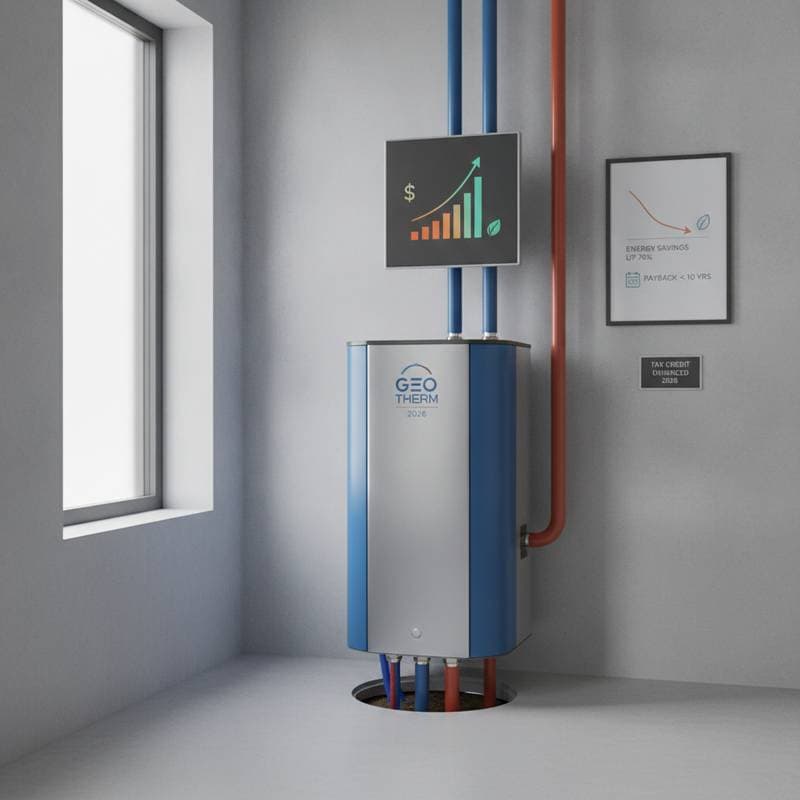
- Upfront installation costs exceed those of standard units, yet payback periods span seven to twelve years based on local energy prices and incentives.
- Effective design and thorough site evaluations ensure optimal performance.
- Ground loops often last over fifty years, while indoor components endure twenty-five years or more.
Addressing the Rising Demand for Efficient Cooling
Summers intensify across numerous regions, placing additional demands on conventional air conditioning units to maintain comfortable indoor environments. This leads to elevated energy expenses, overburdened electrical grids, and increased urban heat from outdoor condenser units. Homeowners and builders seek dependable, cost-effective, and environmentally responsible alternatives that deliver consistent comfort without prohibitive operational costs. Geothermal HVAC, also known as ground-source heat pump technology, emerges as a leading option.
Consider a residence that remains cool during summer and warm in winter by drawing on the constant temperature below the yard. Without the hum of an outdoor compressor, dramatic seasonal energy fluctuations, or reliance on fossil fuels, this approach reshapes perspectives on climate management.
The Importance of Geothermal HVAC
Conventional HVAC systems depend on ambient outdoor air, which varies dramatically in temperature. Geothermal systems, however, access the earth's consistent subsurface temperatures as a thermal reservoir. This stability allows the heat pump to function with considerably less electrical input.
Homeowners benefit from notable financial advantages. Geothermal installations generally decrease energy use by 30 to 70 percent compared to standard heating and cooling setups. Throughout the system's lifespan, these reductions often surpass the original outlay multiple times over.
Environmentally, geothermal technology substantially lowers greenhouse gas outputs. It avoids on-site fuel burning, limits refrigerant leakage, and qualifies for various renewable energy credits. For projects involving new builds or extensive renovations, geothermal HVAC presents a straightforward route to enduring, sustainable comfort.
Operating Principles of Geothermal Systems
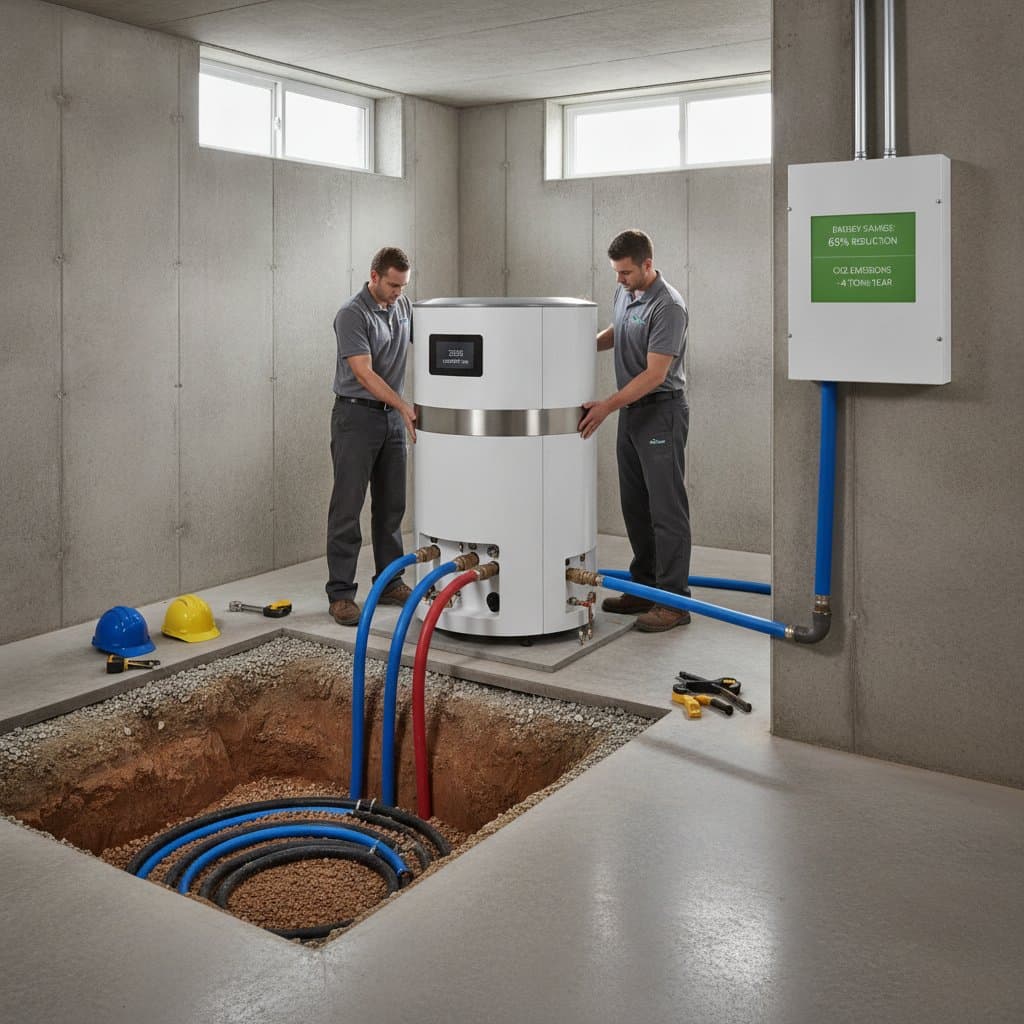
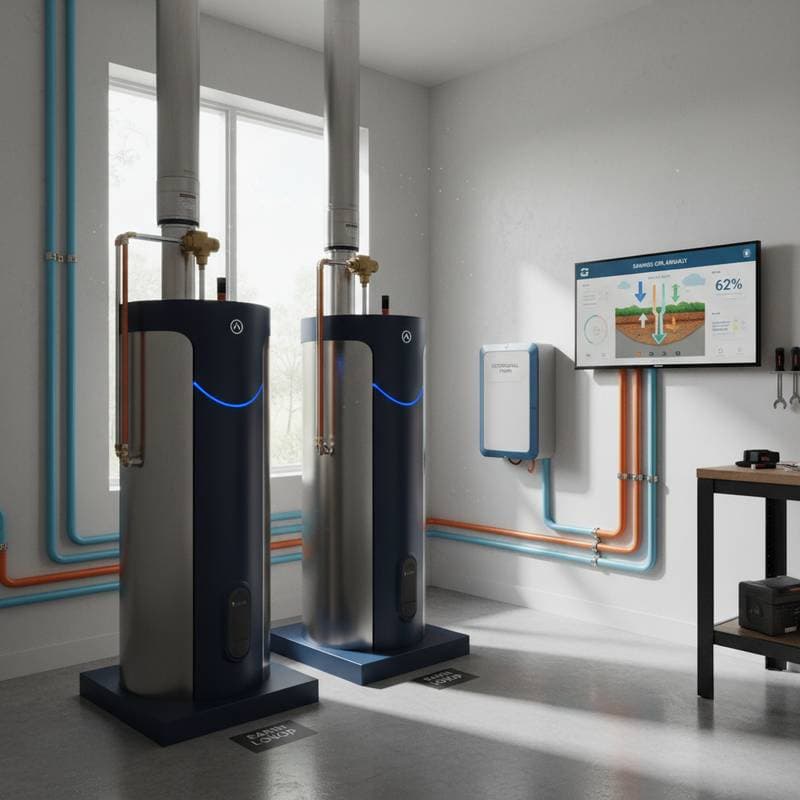
Central to a geothermal setup is the ground loop, which circulates a water-antifreeze blend through underground pipes to exchange heat between the earth and the home's heat pump. The system functions in two primary modes:
- Cooling Mode: The heat pump removes heat from indoor air and deposits it into the ground.
- Heating Mode: The operation inverts, extracting heat from the ground and distributing it indoors.
Underground temperatures hold steady year-round, enabling high-efficiency performance irrespective of external conditions.
Ground Loop Configurations
Four main loop types exist:
- Horizontal Loops: Placed in trenches four to six feet underground, best for sites with ample land.
- Vertical Loops: Bored several hundred feet deep, appropriate for confined or rocky areas.
- Pond or Lake Loops: Submerged coils in adjacent water bodies, a cost-effective selection when feasible.
- Open Loops: Directly employ groundwater, discharging it back via wells or surface outlets.
Each type involves distinct expenses, efficiencies, and upkeep needs. Horizontal setups usually cost less to install, whereas vertical ones excel in space-constrained locations.
Financial Analysis: Expenses and Returns
The primary obstacle for prospective adopters is the initial expenditure. Residential geothermal systems range from $40,000 to $80,000, influenced by site specifics, home dimensions, and loop design. Nevertheless, the enduring financial benefits prove persuasive.
Operational Expenses: Energy demands fall markedly, frequently halving or more monthly utility payments.
Upkeep Expenses: With fewer mechanical elements and no weather-exposed outdoor units, yearly maintenance runs 50 to 75 percent below that of traditional systems.
Payback Timeline: Accounting for savings, rebates, and lower servicing, repayment occurs in seven to twelve years for most installations.
Investment Yield: Across a twenty-five-year indoor component life, returns can surpass 300 percent, especially in high-cost energy areas.
In new constructions, early integration of geothermal allows for downsized ducts, diminished electrical requirements, and elimination of outdoor unit spaces, thereby mitigating expenses.
Environmental and Property Value Benefits
Properties featuring geothermal HVAC frequently achieve premium resale prices, thanks to reduced running costs and eco-conscious attributes. Appraisers now account for such energy upgrades as tangible asset enhancements.
On the ecological front, geothermal excels with its minimal carbon impact. Heat transfer, rather than production, demands little input energy. A standard setup cuts annual household emissions by multiple metric tons versus fossil-dependent alternatives.
At the community level, broader use eases grid pressures during severe weather, bolstering overall energy security. Developers incorporating geothermal showcase commitment to ethical building, appealing to buyers prioritizing sustained environmental and economic viability.
Performance Specifications
Experts assess geothermal efficiency via the Coefficient of Performance (COP) for heating and the Energy Efficiency Ratio (EER) for cooling.
- COP: Gauges heating output. Geothermal units commonly reach 3.5 to 5.5, producing 3.5 to 5.5 heat units per electricity unit used.
- EER: Quantifies cooling effectiveness. Ratings span 18 to 30, far exceeding those of typical air conditioners.
These figures underpin cost reductions. Even with escalating electricity prices, inherent efficiency buffers economic effects.
Installation and Design Factors
Effective geothermal deployment hinges on precise planning and load assessments. Improper sizing undermines efficiency and comfort. Essential considerations encompass:
- Soil type and moisture, impacting heat transfer.
- Land availability for loops.
- Groundwater presence and subsurface geology.
- Home insulation, layout, and sealing integrity.
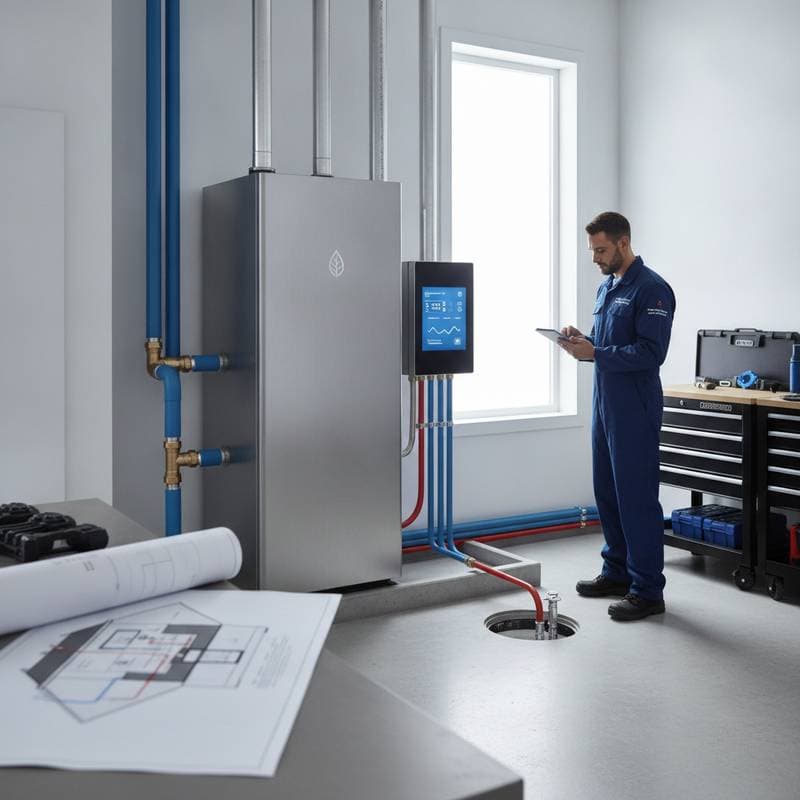
Certified installers apply dedicated software and on-site tests to select ideal loop dimensions and layouts.
Compatibility with Current Setups
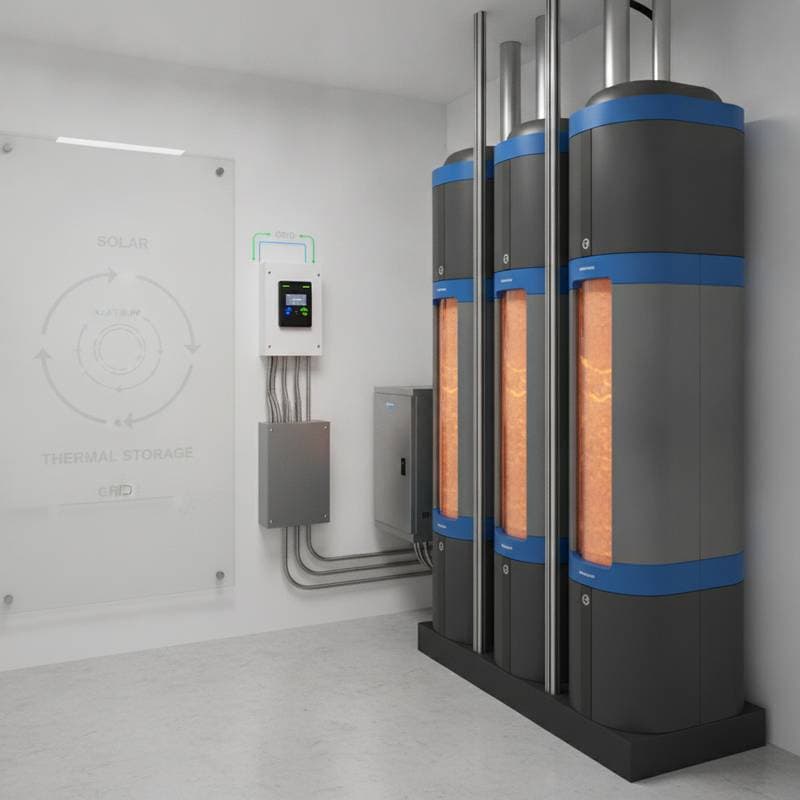
In upgrades, geothermal components integrate with sound existing ducts. Hydronic compatibility supports radiant floors or chilled water distribution. Hybrid models, blending geothermal with solar or auxiliary gas, boost adaptability and dependability.
Indoor Health and Comfort Gains
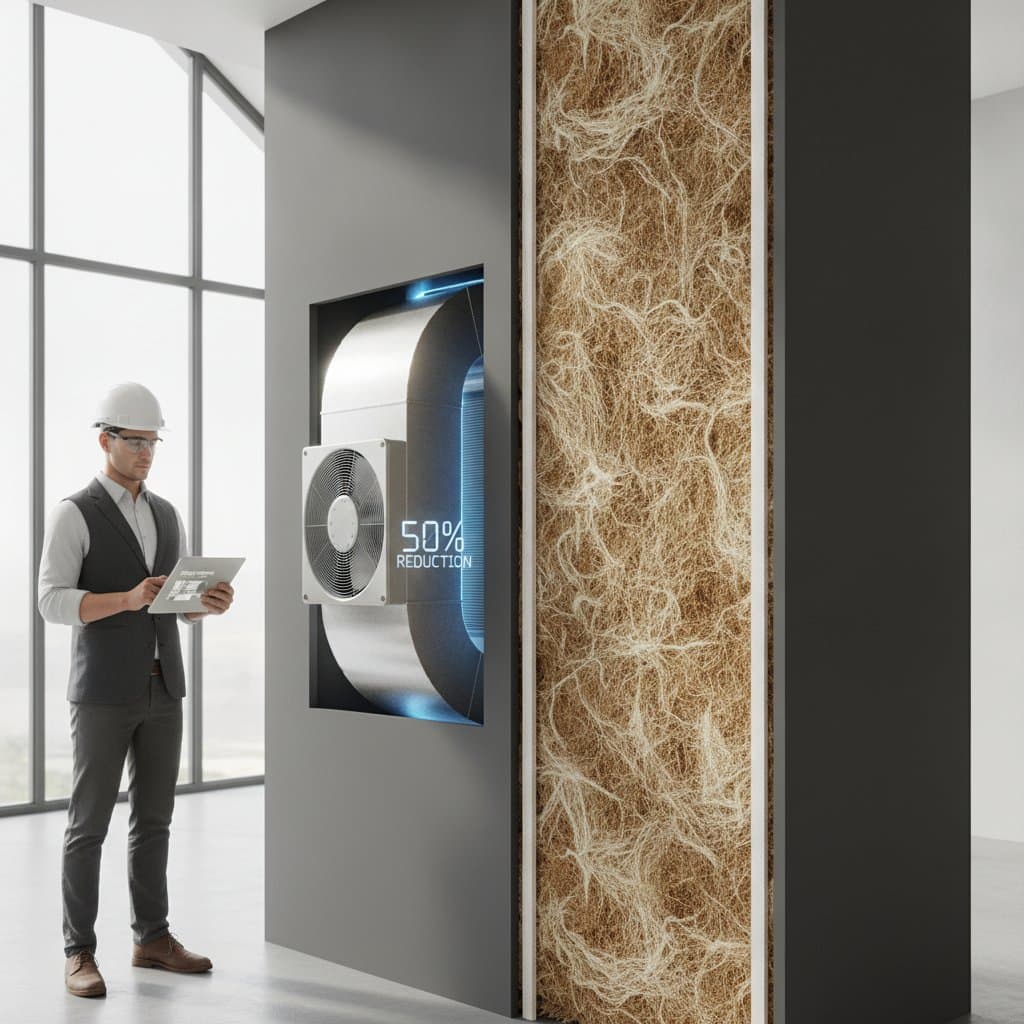
Geothermal extends beyond savings to foster superior indoor air quality. It sidesteps combustion byproducts, curbs dust circulation, and regulates humidity evenly. Removing outdoor units also eradicates noise near outdoor areas.
Stable temperatures lessen strain on structures, enhancing longevity and uniform comfort across living spaces.
Dispelling Frequent Myths
Limited Space Precludes Installation. Vertical loops enable feasibility on small urban parcels.
Yard Damage Is Inevitable. Advanced techniques limit disturbance, with full surface restoration post-installation.
Upkeep Proves Complex. Geothermal demands less attention than conventional HVAC; routine visits cover fluid inspections, filter changes, and efficiency checks.
Suitability Confines to Specific Climates. Steady ground temperatures support strong performance in diverse hot and cold zones.
Industry Evolution and Projections
Projections indicate robust expansion in geothermal use for homes and businesses. Escalating energy prices, regulatory pressures, and preferences for green tech fuel this momentum. Innovations include variable-speed drives, intelligent controls, and hybrid designs for peak operation.
Analysts anticipate geothermal becoming a conventional choice for climate control soon. Declining costs from refined drilling and market scale will broaden accessibility for homeowners.
Builders regard geothermal as a competitive edge. Its inclusion aids green certifications and prepares structures for future efficiency mandates.
Steps for Prospective Adopters
Interested homeowners benefit from a systematic process:
- Perform an Energy Audit: Evaluate insulation, windows, and seals to optimize system scale and expense.
- Consult Accredited Experts: Select installers from reputable groups, emphasizing local geological knowledge.
- Obtain a Site Evaluation: Professionals analyze soil, space, and loop viability.
- Review Funding Options: Investigate tax rebates, grants, or favorable loans to ease initial burdens.
- Analyze Bids Thoroughly: Examine specs, guarantees, and savings estimates.
- Arrange Ongoing Care: Plan yearly reviews and track fluid and performance data.
Options for Varied Financial Capacities
Full geothermal represents a high-end commitment, yet adaptable alternatives suit different means:
- Segmented or Combined Systems: Pair geothermal with standard HVAC to lower startup costs.
- Shared Community Loops: Collective infrastructure in neighborhoods distributes expenses.
- Compact Retrofit Units: Certain models fit existing ducts with reduced loop sizes.
These approaches render geothermal viable for diverse budgets and sites.
Securing Long-Term Comfort and Savings
Geothermal HVAC aligns with trends toward durable, efficient, low-emission structures. Combined with solar arrays, heat recapture, and superior insulation, it anchors net-zero designs.
Discerning owners view sustainability as both ecological duty and fiscal prudence. While energy markets vary, subsurface stability endures. Geothermal investment secures reliable comfort and cost control for generations.