Key Points
- Recycled glass countertops merge aesthetic appeal, structural strength, and environmental benefits, positioning them as a top option for eco-friendly kitchen renovations.
- These surfaces redirect waste glass from landfills, lessen the environmental toll of mining, and demand lower energy input during production compared to conventional stone alternatives.
- Homeowners select from diverse colors and textures, each variant reflecting a narrative of resource recovery and innovative design.
- Correct installation and upkeep guarantee performance over decades, while maintaining a reduced ecological impact.
- Sourcing materials locally and engaging skilled fabricators amplify both sustainability and the overall value of kitchen updates.
A Fresh Take on Kitchen Design
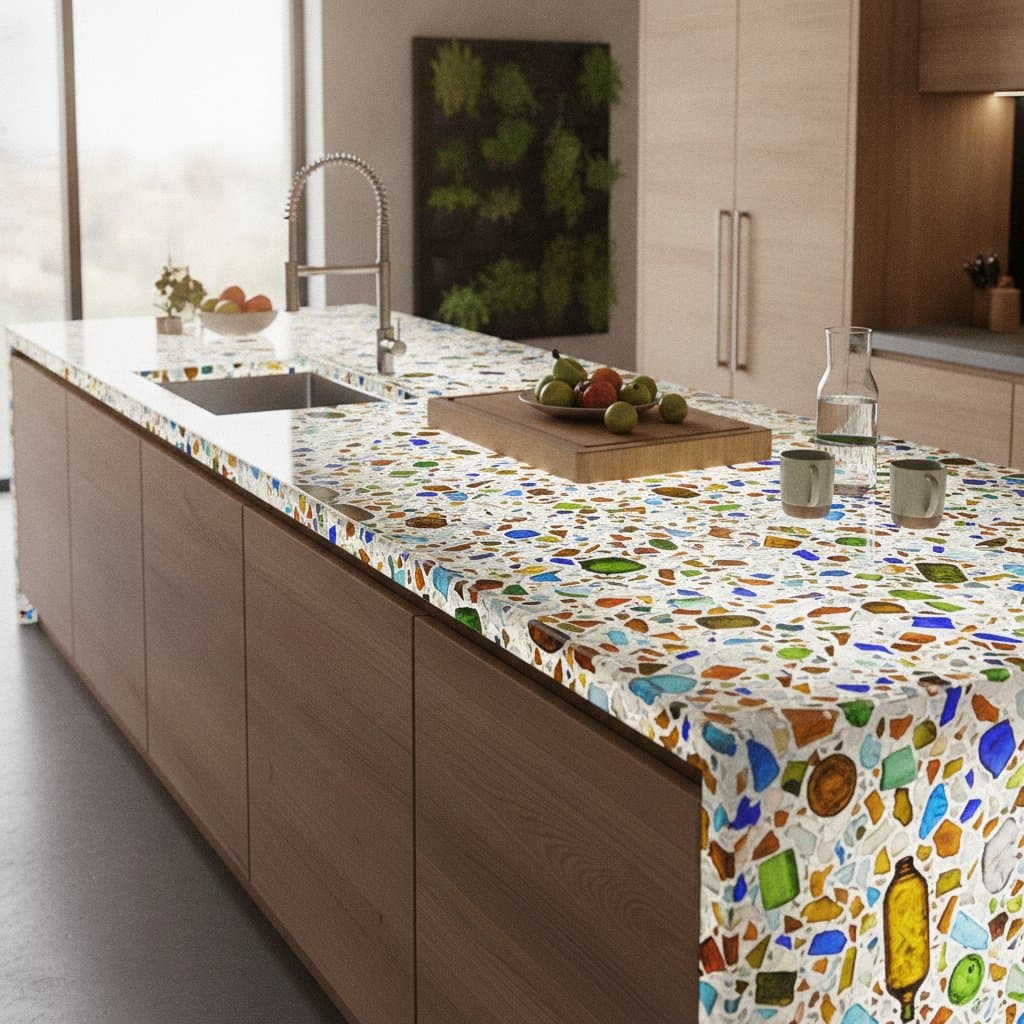
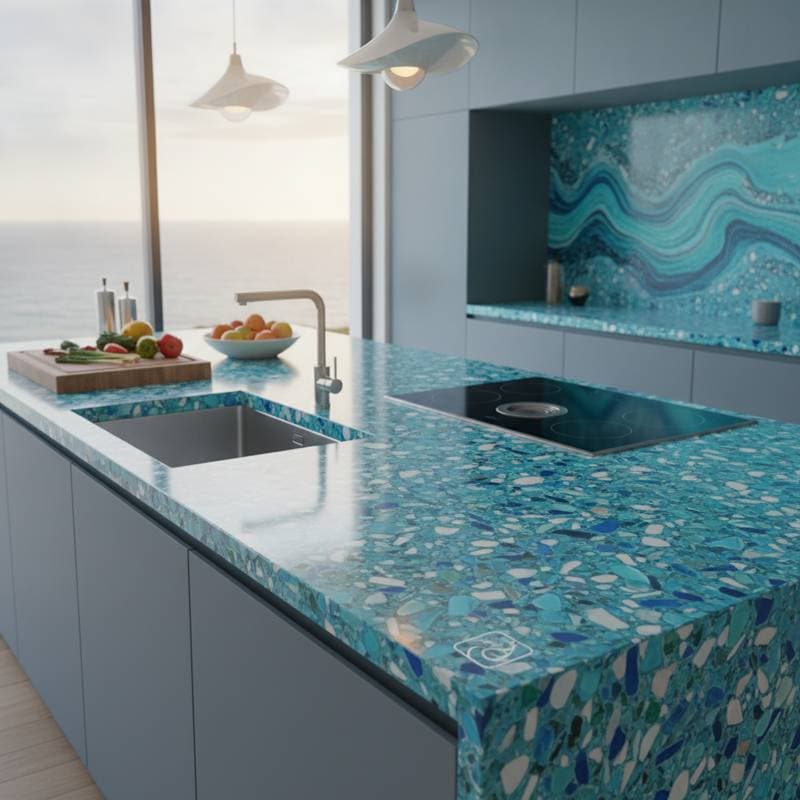
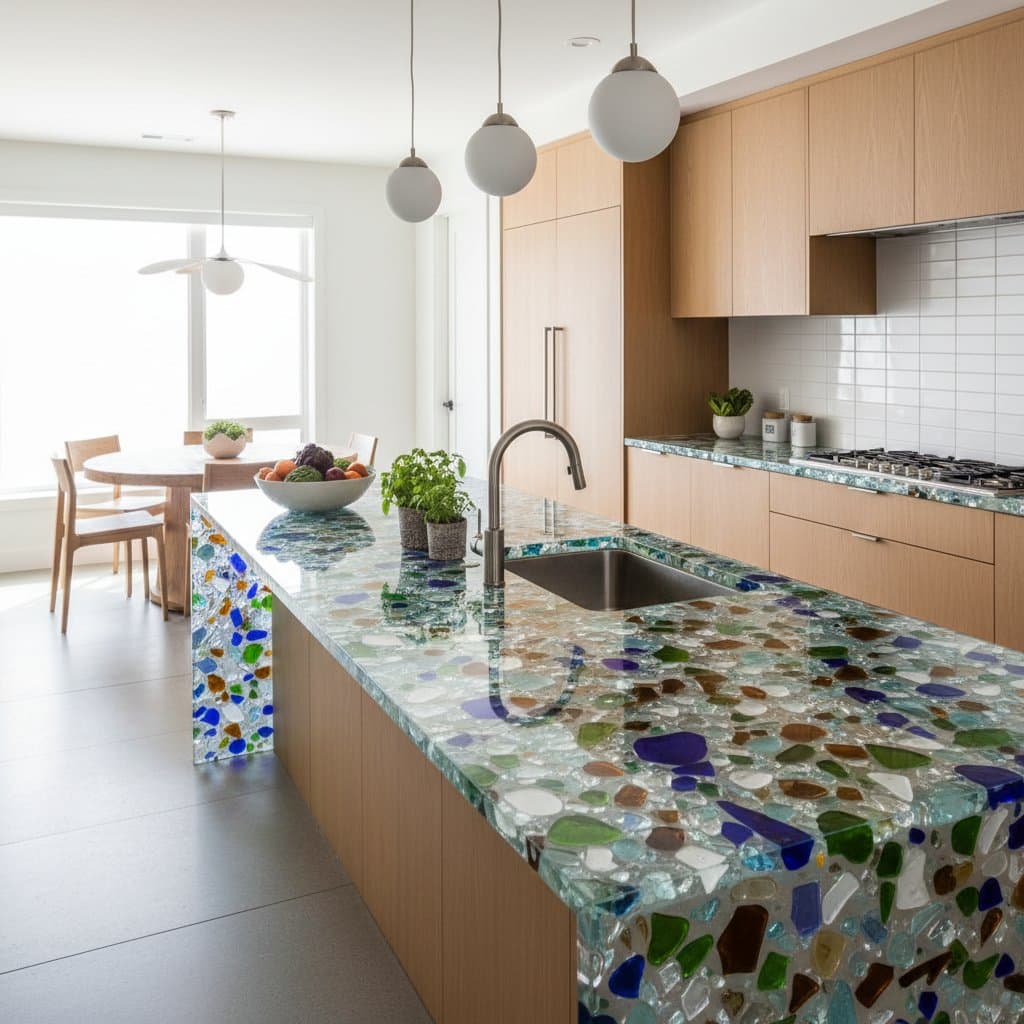
Imagine sunlight filtering through a kitchen window and catching the iridescent hues of emerald and cobalt on a countertop. The surface feels cool to the touch, smooth with subtle texture, and carries a history of renewal. What was once discarded bottles, outdated tabletops, and fragments of window glass now serves as the focal point of an environmentally conscious kitchen.
Homeowners frequently face the challenge of integrating style, durability, and planetary stewardship. Recycled glass countertops address these priorities effectively. This material emerges as a compelling choice in contemporary kitchen design, demonstrating that eco-responsibility enhances visual allure.
Why Homeowners Are Turning to Recycled Glass Countertops
In numerous areas, excess waste glass accumulates faster than recycling centers can process it. Much of this material ultimately resides in landfills, where decomposition never occurs. Converting it into countertops revives this plentiful resource and diminishes reliance on quarried stone and carbon-intensive concrete.
Manufacturers create recycled glass countertops by mixing crushed glass with a binding agent, such as resin or cement, to form durable slabs. Customization extends to color, pattern, and finish options. Certain varieties showcase vibrant, gemstone-like particles embedded in clear resin, whereas others emulate the refined subtlety of terrazzo. Such versatility allows alignment with a kitchen's character and personal sustainability principles.
The Eco Logic Behind Recycled Glass
Sustainability encompasses not only material origins but also production methods and service life. Recycled glass countertops excel across these dimensions.
- Resource Efficiency: A single countertop incorporates up to 90 percent post-consumer glass, substantially decreasing the need for raw materials.
- Reduced Energy Use: Processes for melting virgin glass or extracting natural stone require substantial energy. Repurposing existing glass lowers emissions and energy demands.
- Low VOCs and Toxins: Numerous formulations employ non-toxic binders or resins with minimal volatile organic compounds, supporting superior indoor air quality.
- Longevity: With appropriate maintenance, these surfaces endure as long as granite, often surpassing expectations.
Verify that selected products draw from local glass sources and provide clear sustainability documentation. Certifications from programs like GreenGuard or Cradle to Cradle offer additional validation of environmental integrity and product reliability.
Comparing Recycled Glass to Other Countertop Materials
Homeowners assess countertops based on appearance, resilience, and expense. Recycled glass distinguishes itself by performing well in each category.
- Granite: Offers robustness but involves quarrying that disrupts landscapes and consumes water.
- Quartz: Engineered for toughness, though it depends on extracted silica and artificial resins.
- Laminate: Provides affordability yet proves transient, often contributing to landfill waste.
- Concrete: Delivers style but demands high energy for production and risks cracking without proper sealing.
Recycled glass combines the luminous depth of quartz with the organic appeal of stone, alongside superior sustainability credentials. It withstands heat, stains, and scratches effectively, although sharp blows may cause chipping in glass elements. Professional installation and edge treatments prove crucial for enduring results.
Expert Tips to Boost Your Home's Eco-Efficiency
Approach a kitchen remodel holistically to maximize environmental benefits, viewing the countertop as one element in a cohesive system. Consider these practical measures:
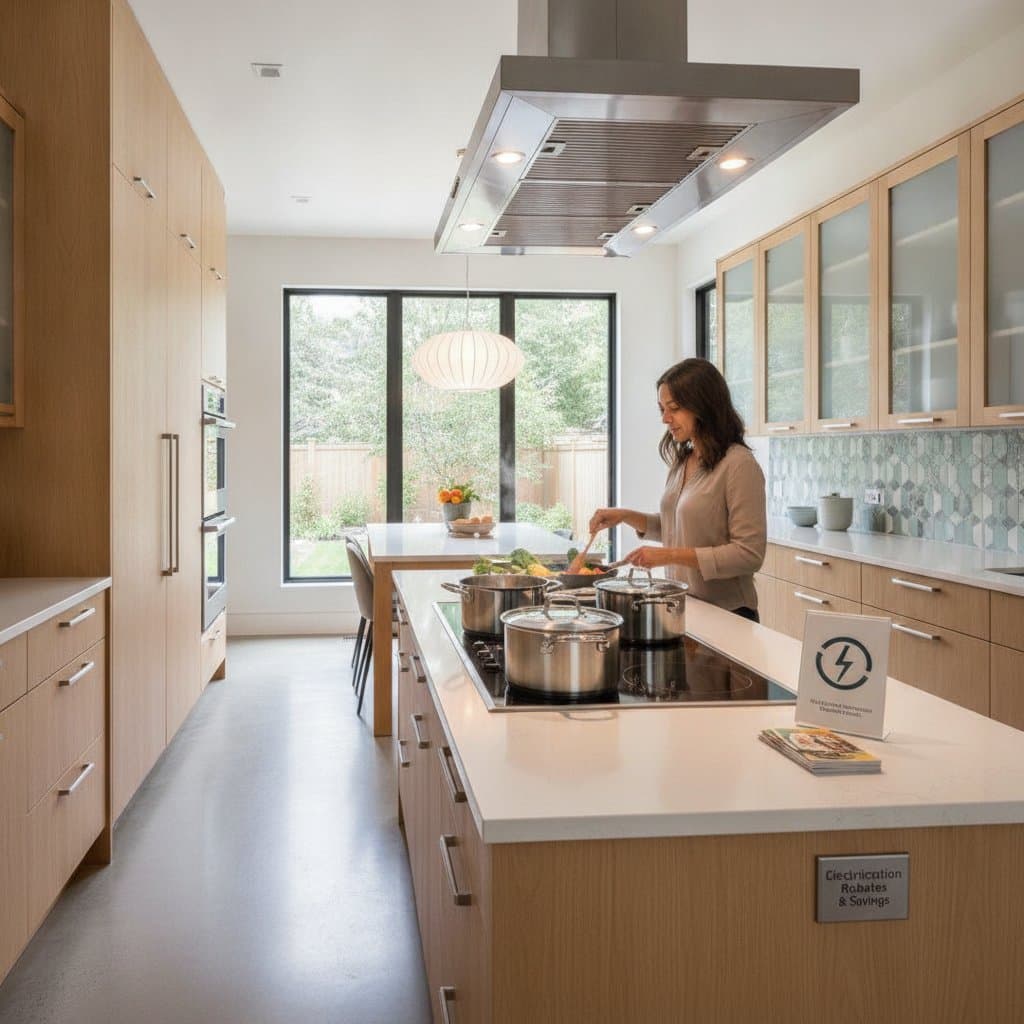
- Pair With Energy-Efficient Appliances: Integrate low-energy induction cooktops or Energy Star-certified refrigerators to complement the surface.
- Install Smart Lighting: Position LED strips under upper cabinets to accentuate the countertop's sparkle while conserving power.
- Use Sustainable Cabinetry: Select FSC-certified wood or bamboo bases for seamless ecological harmony.
- Seal Responsibly: For cement-bound options, apply non-toxic sealants to preserve strength and repel moisture.
- Plan for Longevity: Craft layouts that sustain functionality and appeal across decades, beyond fleeting trends.
These integrations foster material synergy and elevate property value, as eco-features gain prominence in the housing market.
Understanding the Costs and ROI
Financial considerations remain central to any renovation. Recycled glass countertops accommodate various budgets, with installed basic options beginning at $60 per square foot and custom premium selections ascending to $120 or higher. Although upfront expenses exceed those of laminate or tile, enduring advantages typically justify the investment.
Premium recycled glass endures 25 years or more through routine care. Maintenance involves little more than annual cleansing with mild soap and water. Savings accrue from deferred replacements and mitigated disposal impacts. Additionally, the light-reflecting properties of glass diminish reliance on overhead illumination, yielding further energy efficiencies.
As green consultant Maria Chen observes, “When clients invest in recycled glass, they are buying both beauty and conscience. The material performs, but it also tells a story of renewal that people connect with.”
Design Possibilities That Spark Imagination
Recycled glass countertops invite boundless creativity. Translucent versions illuminate under ambient light, while opaque ones ground rustic schemes.
- Coastal Vibes: Blend seafoam greens and neutral sands to capture shoreline essence.
- Urban Chic: Pair dark resin foundations with transparent glass flecks for contemporary sophistication.
- Classic Elegance: Employ muted palettes with fine glass particles to achieve a marble-inspired subtlety.
Some individuals incorporate glass from sentimental sources, like vintage bottles or inherited pieces. This customization elevates the surface into a meaningful artifact that invites dialogue.
Installation Insights from the Field
Effective installation safeguards aesthetics and functionality. Recycled glass demands meticulous handling and accurate alignment.
- Hire Experienced Installers: Confirm fabricators' familiarity with the material prior to commitment.
- Inspect the Substrate: Verify cabinet stability and levelness, given the weight and rigidity of glass slabs.
- Use Professional Adhesives: Apply specialized agents to secure seams against fractures.
- Request Edge Finishing: Opt for rounded or beveled profiles to prevent chips and enhance safety.
Projects span one to three days, varying by configuration. Secure warranties encompassing materials and labor for comprehensive protection.
Maintenance Made Simple
Upkeep for recycled glass countertops requires minimal effort. Wipe daily with warm water and a soft cloth to eliminate residue. Address persistent stains using a diluted vinegar mixture, steering clear of abrasive tools that could diminish sheen.
Cement formulations warrant resealing every one to two years, whereas resin variants rarely need attention. Minor chips yield to professional restoration with matching resin. Diligent practices preserve vibrancy over extended periods.
Practical Sustainability Considerations
True sustainability accounts for the full lifecycle, including transport, manufacturing, and end-of-use handling. Prioritize suppliers utilizing regional recyclers and low-impact processes to minimize carbon emissions.
Instruct installers to repurpose scraps into tiles or accents, avoiding waste. Seek records of recycled content and ethical practices to inform decisions. This diligence ensures alignment with broader environmental goals.
Bringing It All Together
Kitchen selections reflect personal priorities and forward-thinking ideals. Recycled glass countertops represent a commitment to intentional design, where form and function support ecological balance. They illustrate how repurposed elements foster enduring beauty and satisfaction.
Touching the polished, luminous expanse conveys resilience and intent. Such choices advance restoration, ingenuity, and designs attuned to global well-being.
Making It Happen
To incorporate recycled glass, consult certified green building specialists through trusted platforms. Professionals evaluate spaces, suggest brands, and link to qualified local experts. Examine physical samples to assess textures and colors in your lighting.
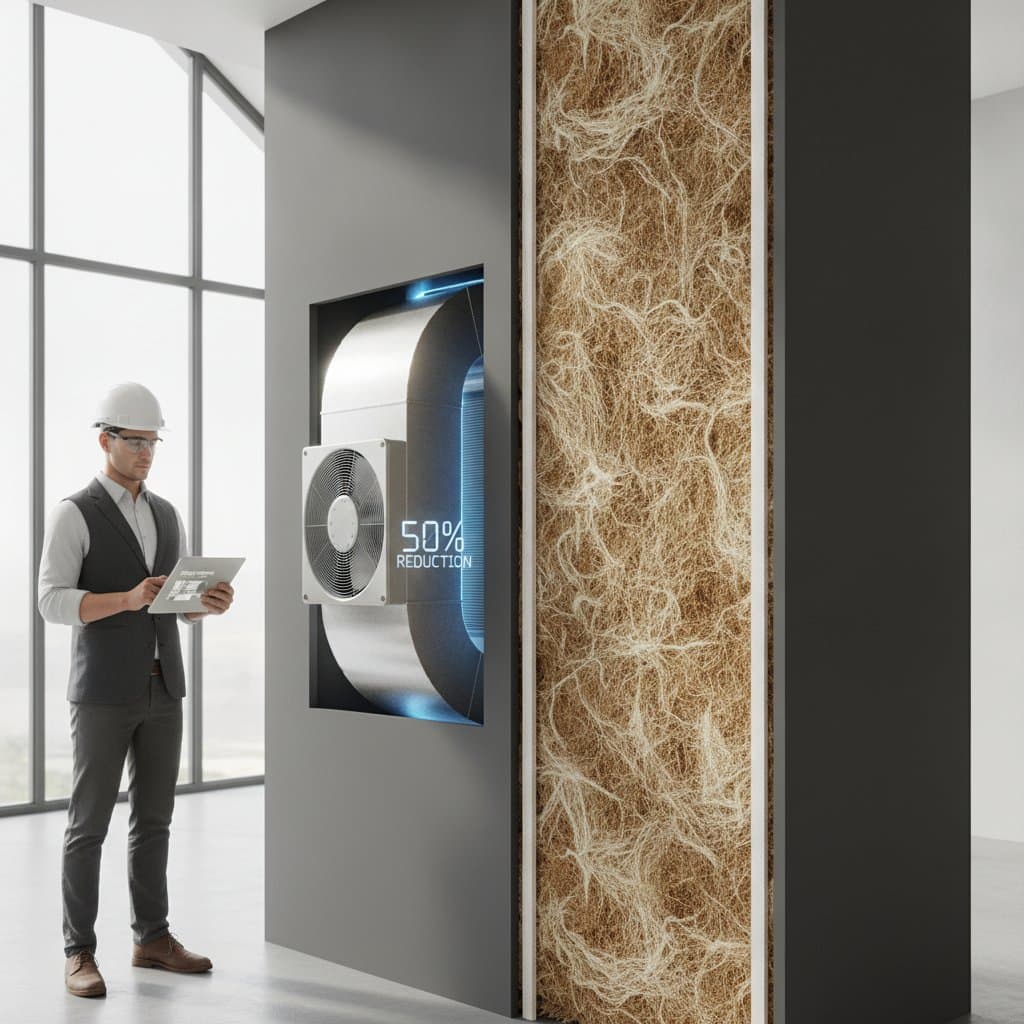
Amplify impacts by pairing with upgrades like water-efficient faucets, LED systems, and superior insulation. These enhancements yield a durable, streamlined, and motivational kitchen environment.
A remodel transcends mere refresh; it declares stewardship and discernment, illuminated by the understated elegance of recycled glass.
Frequently Asked Questions
Q: How durable are recycled glass countertops compared to granite or quartz?
A: Recycled glass matches the hardness of granite and quartz, enduring scratches and heat in everyday scenarios. Refrain from impacting the surface with heavy items, as glass inclusions may chip. Proper maintenance supports longevity beyond two decades.