Key Points
- Recycled shingles, produced from plastic and rubber waste, advance sustainable roofing practices.
- These materials provide superior durability, weather resistance, and cost savings over traditional asphalt shingles.
- Community recycling programs and green building certifications facilitate their widespread use.
- Professional installation and routine maintenance maximize energy efficiency and longevity.
The Evolution of Sustainable Roofing
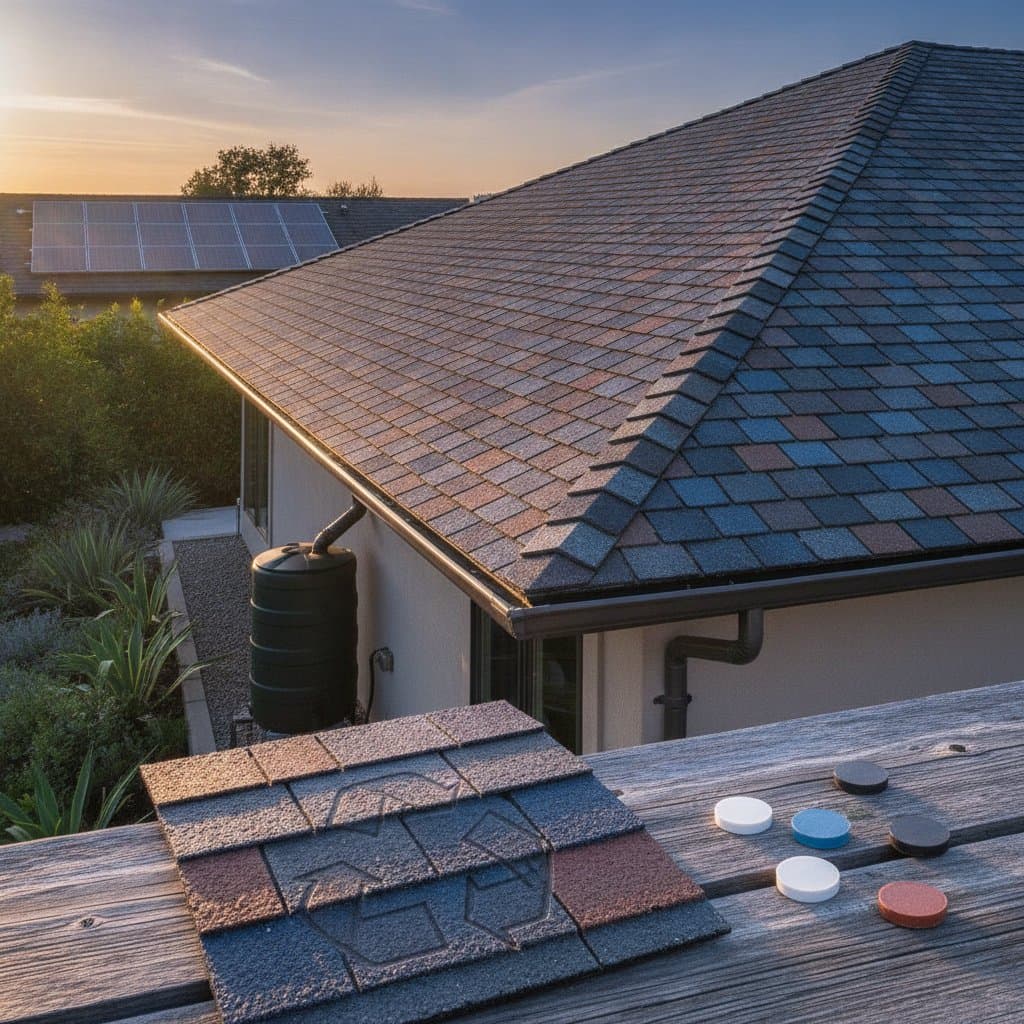
As a professional in green building, I observe homeowners frequently grappling with the challenge of integrating roof durability, affordability, and environmental accountability. In numerous areas, deteriorating asphalt shingles generate substantial waste that accumulates in landfills each year. Consider an alternative: a resilient roof constructed from recycled plastics and rubber, resembling slate or cedar, that prevents thousands of pounds of material from entering disposal sites. This vision embodies the recycled shingle initiative currently redefining sustainable roofing.
For those confronting escalating material expenses or heightened awareness of their home's ecological impact, recycled shingles present a compelling option. They merge innovative design with responsible resource use, delivering performance that matches or surpasses standard roofing products.
Addressing Waste and Weather Vulnerabilities in Traditional Roofing
Conventional roofing materials pose significant waste challenges. In various communities, discarded asphalt shingles prove challenging to process for reuse, resulting in landfill accumulation and the slow release of petroleum-derived compounds that persist for centuries. Concurrently, environmental factors such as intense precipitation, elevated humidity, or prolonged solar exposure accelerate material breakdown, necessitating premature replacements.
Through extensive field experience, I note that homeowners often renew asphalt roofs every 15 years, influenced by regional weather patterns. Such cycles burden finances and exacerbate ecological strain. The potential emerges from adopting materials that repurpose existing waste, minimize ongoing disposal, and endure varied climate demands.
Introducing Recycled Shingles as a Viable Solution
Recycled shingles utilize post-consumer plastics, rubber, and composite elements. They replicate the appearance of established roofing styles, including wood shakes and slate tiles, while offering distinct environmental benefits.
- Waste Diversion: A single roof installation can redirect thousands of pounds of plastic from landfills.
- Extended Durability: Properly maintained systems endure 40 to 50 years.
- Improved Energy Performance: Reflective properties limit heat uptake, maintaining cooler interiors and reducing reliance on air conditioning.
- Enhanced Weather Resilience: Engineered for high winds and substantial rainfall, they adapt effectively across climate zones.
From my perspective as a green building specialist, I advise homeowners to evaluate these options for their visual appeal and role in fostering a circular economy, where materials cycle through reuse rather than single-use disposal.
Strategies to Enhance Home Energy Efficiency
Conduct a Comprehensive Roof Assessment
Prior to roof replacement, perform an evaluation of energy performance and structural integrity. This process pinpoints heat escape points and deterioration areas. Professional inspections generally cost $200 to $400 and yield insights for selecting an appropriate recycled shingle variant.
Align Materials with Local Climate Conditions
Shingles composed primarily of plastic thrive in humid or coastal environments due to their resistance to mold and water damage. Rubber-infused varieties suit regions with significant temperature variations, benefiting from inherent flexibility. Select compositions that correspond to specific geographic challenges to optimize endurance.
Confirm Green Building Certifications
Seek products validated by standards such as LEED or comparable frameworks. These endorsements verify production quality and document the proportion of recycled components.
Engage Certified Installation Professionals
Variations in recycled shingle formulations demand specialized handling. Inaccurate securing or sealing may undermine water resistance. Choose contractors endorsed by regional sustainability organizations or platforms that verify environmental expertise.
Implement Ongoing Maintenance Practices
Although these shingles require limited care, yearly reviews prove beneficial. Clear gutters regularly and monitor for debris or algal growth to sustain optimal reflectivity.
Essential Factors for Homeowners
Regarding expenses, installed recycled shingles cost $7 to $12 per square foot, varying by manufacturer and design. Although initial outlay exceeds basic asphalt, the extended service life, often double that of alternatives, yields considerable savings over time.
Concerns about insurance and regulatory adherence arise commonly. Most recycled systems achieve fire and wind ratings comparable to or exceeding those of conventional products.
Beyond waste mitigation, these materials often incorporate specialized coatings that boost solar reflection, potentially lowering cooling energy consumption by 20 percent.
Steps to Implement Recycled Shingles
To proceed with recycled shingles, consult a qualified green building specialist via our platform for a complimentary estimate. Experts assess roof framework, climate influences, and financial parameters to suggest the most suitable product.
Envision the fulfillment of a roof that blends sophistication with ethical considerations. The consistent advantage of reduced energy use, the assurance of sourcing from recovered materials, and the knowledge that your residence aids planetary health converge to inspire responsible ownership.
Success depends on thorough groundwork: precise evaluations, accredited products, and proficient application. Upon completion, the roof transcends mere shelter, becoming an active contributor to sustainability.
Frequently Asked Questions
How long do recycled shingles typically endure?
Many manufacturers guarantee 40 to 50 years of service, contingent on environmental conditions and upkeep. This duration approximately doubles the effective life of standard asphalt shingles.
Are recycled shingles compatible with all roof configurations?
Yes, they suit typical roof structures. Heavier composite types might necessitate reinforcement, which competent contractors evaluate prior to proceeding.
What maintenance is required for recycled shingles?
Yearly checks and periodic cleaning suffice in most cases. Steer clear of abrasive chemicals and maintain unobstructed gutters to avoid water accumulation.
Do recycled shingles qualify for incentives?
In several areas, they do. Local governments or energy initiatives may provide rebates or tax benefits for products with recycled content or high reflectivity.
How do recycled shingles fare in severe weather?
They resist fracturing, distortion, and discoloration from extreme sunlight, downpours, or gales. Rubber-enhanced models maintain pliability amid thermal shifts.
Selecting recycled shingles elevates your roofing while committing to enduring sustainability. Every tile installed signifies a meaningful advancement toward a more temperate world.