Key Points
- Recycled plastic siding delivers exceptional durability with almost no maintenance needs.
- This material diverts large amounts of plastic waste from landfills while providing a sleek, modern look.
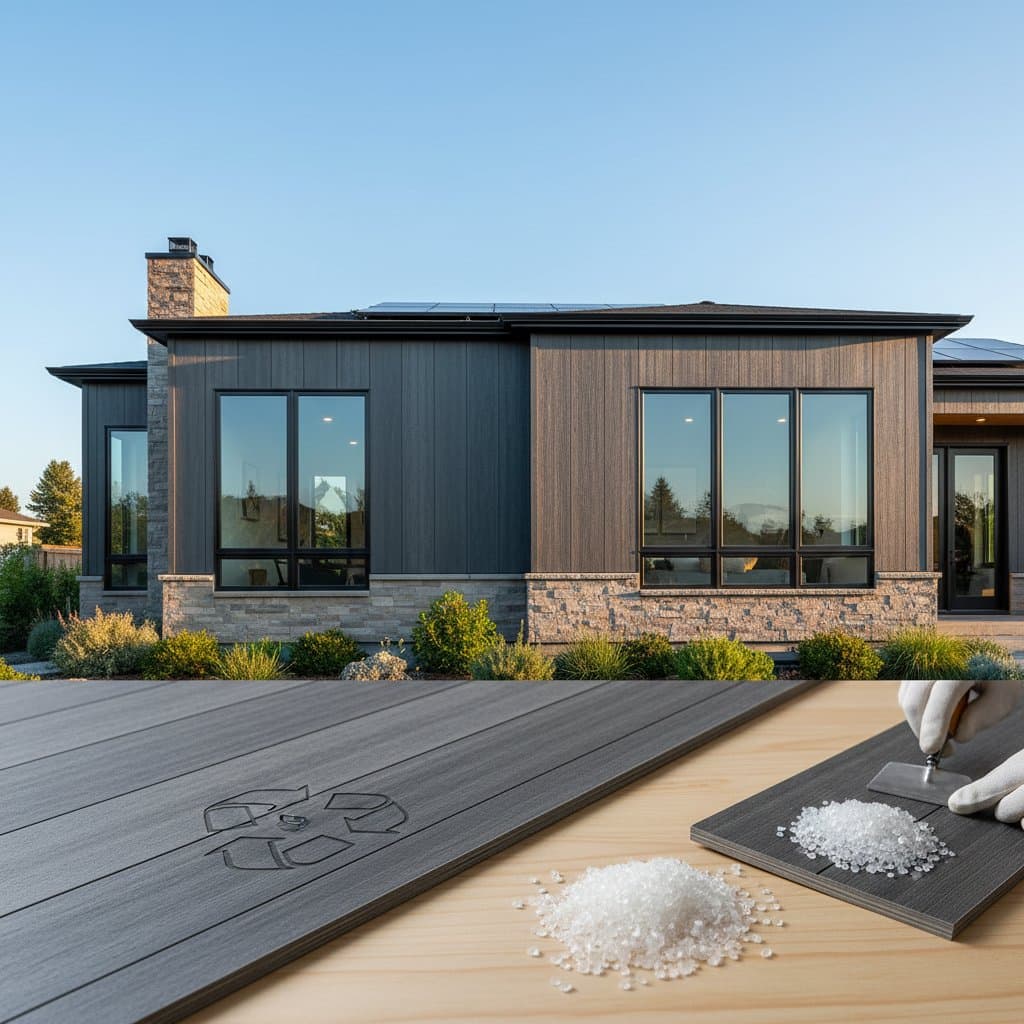
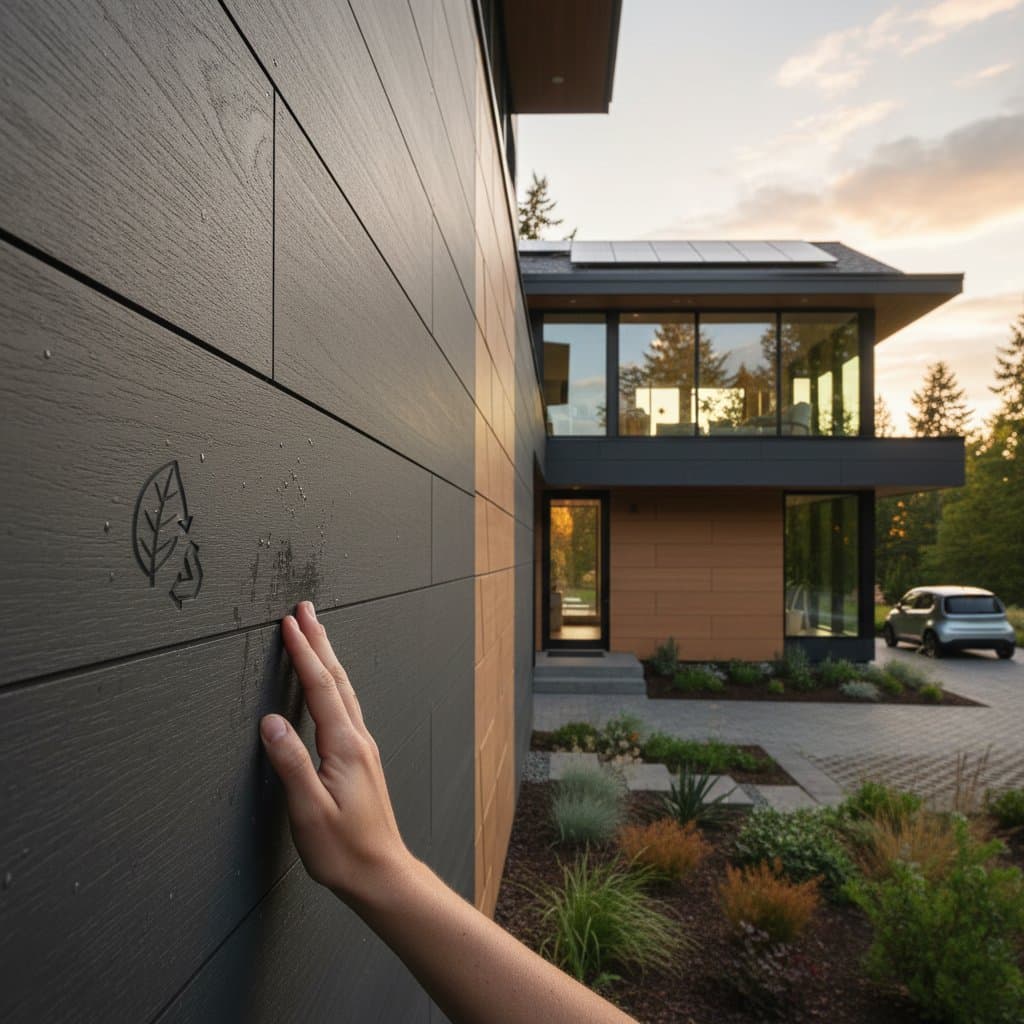
- Advanced manufacturing processes produce textures mimicking wood or stone without the environmental drawbacks.
- Proper installation and simple cleaning extend its lifespan far beyond traditional siding materials.
The Rise of Recycled Plastic Siding
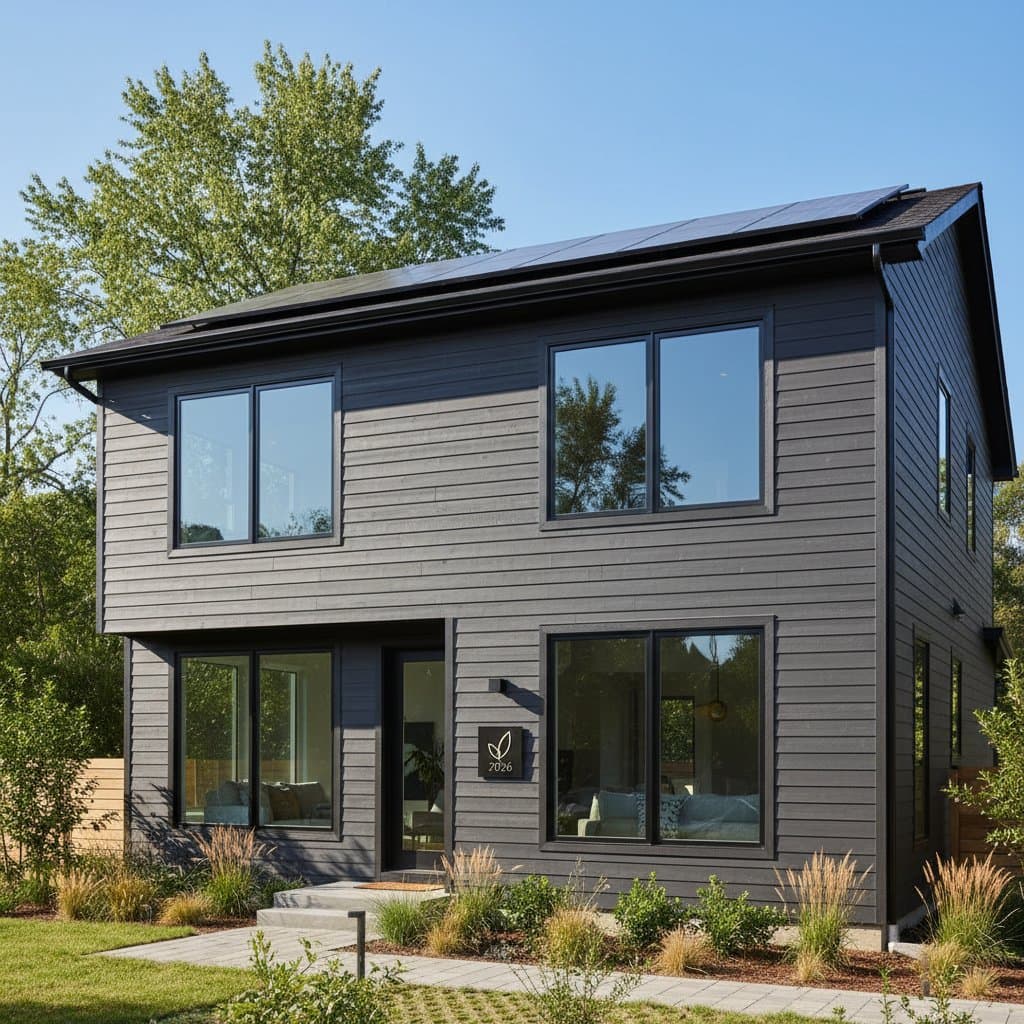
In my work with sustainable building practices, I often see homeowners frustrated by exterior materials that fade, crack, or demand constant repainting. People now demand options that preserve beauty, protect the home, and reduce harm to the planet. Picture a siding that resists rot, sheds water, and adds a sophisticated touch to any property. Recycled plastic siding meets these needs as the premier choice for eco-friendly durability.
This siding thrives in challenging conditions, from extreme temperature swings and salty coastal air to heavy rain, where wood or fiber cement might fail. Sourced from everyday post-consumer items like bottles and packaging, the panels lock together firmly to boost insulation and shield the structure. Homeowners appreciate how it maintains its form year after year, eliminating the cycles of repair that plague older materials.
Why Homeowners Switch to Recycled Plastic Siding
Traditional siding often hides ongoing costs. Wood can warp or rot with exposure, and vinyl production releases harmful emissions. Recycled plastic siding, however, cuts waste and holds up for decades with minimal effort.
Studies in green construction show that using recycled polymers reduces embodied carbon by about 50 percent compared to new materials. This leads to a smaller environmental impact while keeping performance strong. One homeowner recounted how their recycled plastic siding emerged intact from a brutal hailstorm, avoiding the repair bills that hit neighboring homes with wood siding. Stories like this highlight its real-world strength and appeal.
Beyond resilience, the material enhances energy efficiency. Its insulating properties help regulate indoor temperatures, potentially lowering heating and cooling bills by 10 to 15 percent in moderate climates. This combination of longevity and savings makes the switch worthwhile for forward-thinking owners.
Selecting and Installing Recycled Plastic Siding
1. Assess Local Climate Factors
Match the siding formula to your area's weather patterns. In humid regions, select panels with built-in UV stabilizers and mold-resistant additives to ensure long-term performance.
2. Verify Recycled Content Certifications
Look for labels confirming high levels of post-consumer materials. Reputable brands incorporate 90 percent or more recycled plastic, guaranteeing both quality and sustainability.
3. Hire Experienced Installers
Even though the material weighs less than many alternatives, precise fitting prevents issues from heat expansion. Expect costs of $6 to $10 per square foot, depending on the project's scope and location.
4. Maintain the Finish Effectively
Perform yearly cleaning with mild soap and water to keep surfaces vibrant. Avoid abrasive tools that could scratch or dull the protective coating.
Practical Advice from Real Projects
Based on years in the field, I recommend focusing on long-term value rather than upfront price. Recycled plastic siding may cost a bit more initially, but its energy-saving insulation and lack of repainting needs often pay for the difference in three to five years. The fade-resistant colors mean no more seasonal touch-ups, saving time and resources.
For homes aiming for LEED certification or similar green standards, this siding earns credits in areas like material reuse, waste reduction, and sourcing from nearby suppliers. It fits perfectly with city programs promoting circular economies in construction, helping communities build more responsibly.
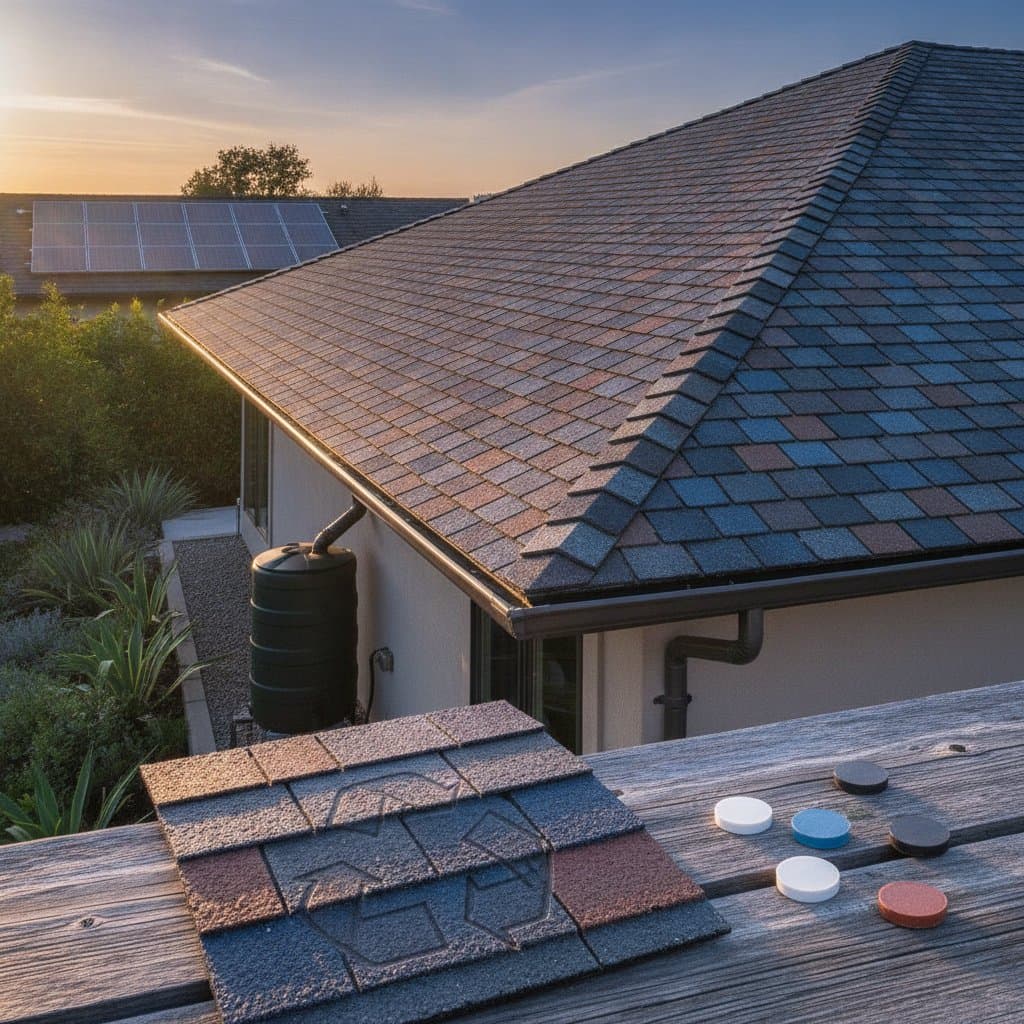
Consider compatibility with existing features, such as integrating with solar panels or rain gardens, to maximize eco-benefits. In one recent project, a coastal home used this siding to create a seamless barrier against salt spray, extending the roofline's protection without added weight.
Steps to Upgrade Your Home
Choosing recycled plastic siding strengthens your home's defenses and supports global sustainability. View it as turning everyday waste into a durable shield for your living space. To get started, connect with certified sustainable builders through our platform for tailored guidance and quotes.
FAQ
Q: What is the typical lifespan of recycled plastic siding?
A: With proper maintenance, it lasts 40 to 60 years, often outliving wood or vinyl by a wide margin.
Q: Is this siding suitable for all climates?
A: It performs reliably across most conditions when chosen for the specific area. Options include UV protection for sunny spots or antifungal treatments for damp zones.