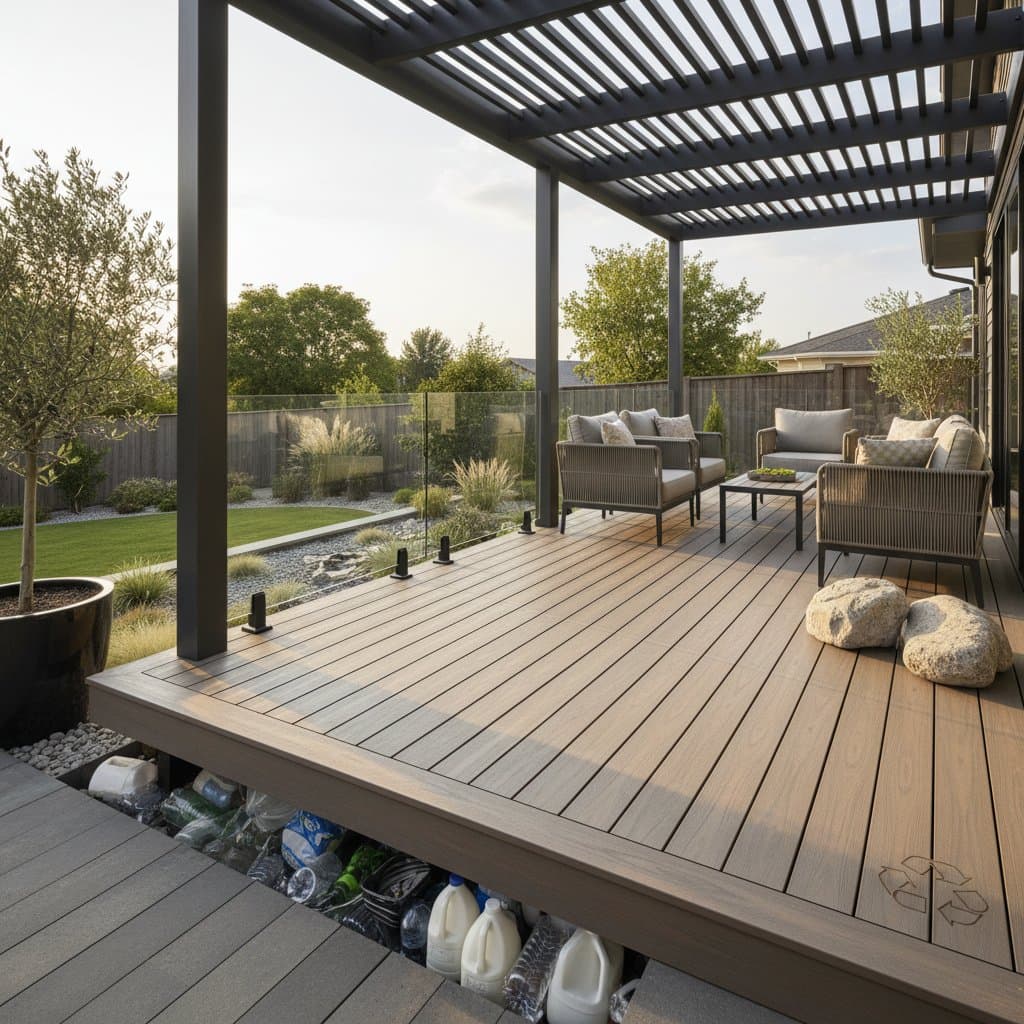
Why Recycled Plastic Decks Outlast Wood by Three Times
Recycled plastic decking provides remarkable longevity when compared to conventional wood decks. Wood decks generally endure for 10 to 15 years before replacement becomes necessary due to issues such as rot, warping, and insect infestation. In contrast, recycled plastic decks last 30 years or longer with little upkeep. This advantage arises from the material's inherent resistance to moisture, ultraviolet radiation, and biological degradation. Homeowners gain substantial savings on replacement expenses and repair frequency over the years.
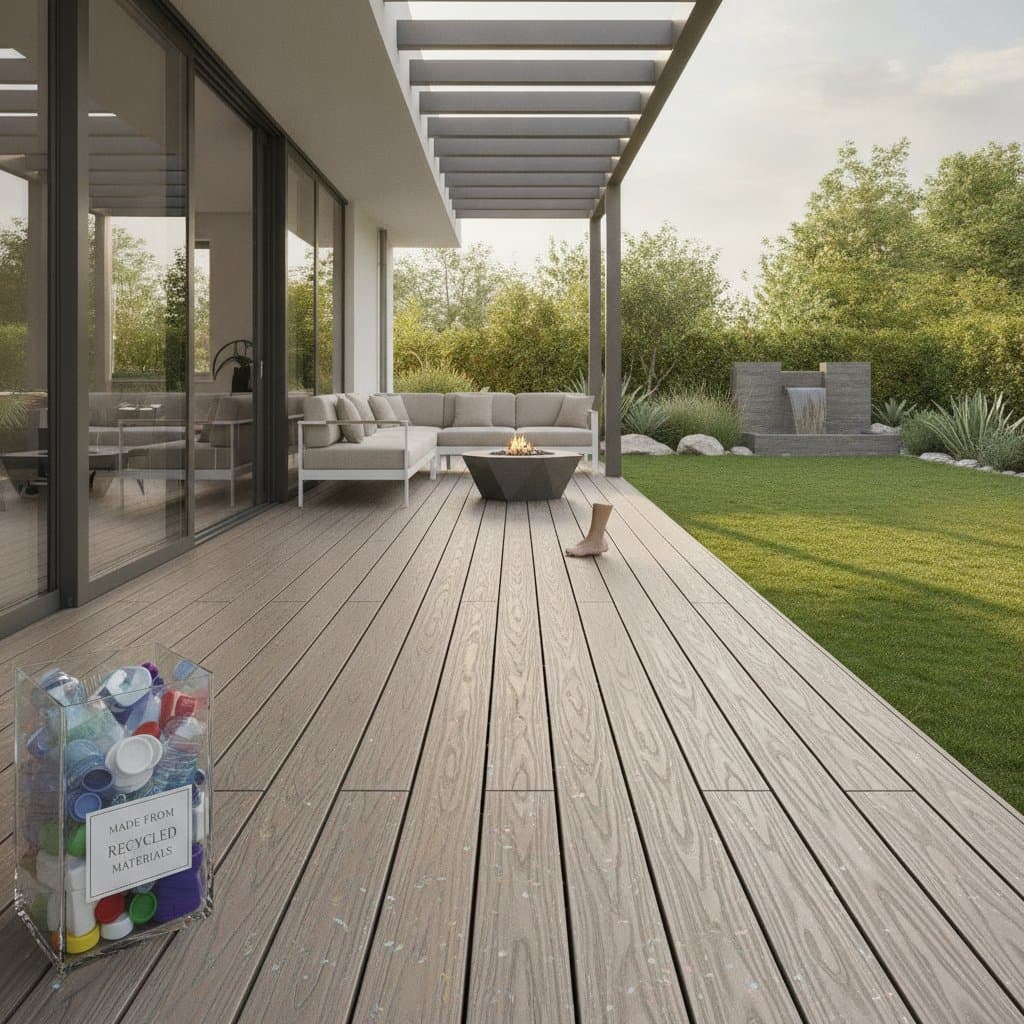
Deck manufacturers utilize high-density polyethylene (HDPE) along with other recovered plastics, incorporating as much as 90 percent post-consumer waste. This composition yields a robust product that retains structural strength amid severe weather. Industry-standard testing verifies that recycled plastic handles freeze-thaw cycles and intense foot traffic more effectively than pressure-treated lumber.
Installation Essentials for Recycled Plastic Decking
Correct installation enhances the longevity of recycled plastic decks. Professionals certified in the field adhere to precise protocols to guarantee stability and functionality. Essential phases encompass site preparation, framing, and board installation.
-
Site Preparation and Framing: Start by establishing a level foundation with pressure-treated lumber or steel joists positioned at intervals of no more than 16 inches. This configuration bears the deck's load and averts sagging. Incorporate slight sloping in the frame to direct drainage away from the home's foundation.
-
Fastening Systems: Numerous boards employ concealed clip mechanisms that produce a smooth surface free of exposed screws. Such methods boost visual appeal and minimize water entry risks. Secure the clips to the frame using stainless steel screws to resist corrosion.
-
Thermal Expansion Considerations: Recycled plastic materials expand modestly under heat, so installers position boards with narrow gaps of 1/8 to 1/4 inch to allow for this movement. These intervals also facilitate contraction during colder periods, thereby avoiding buckling.
-
Cutting and Drilling: Conventional woodworking tools suffice, although blades with carbide tips yield smoother edges. Predrill openings near board extremities to prevent cracks, and employ dust collection equipment while cutting to foster a secure work environment.
Maintenance Made Simple
The minimal maintenance demands of recycled plastic decking stand out as a key benefit. Preserve its fresh appearance through gentle cleaning with mild soap, water, and a soft brush. This material requires no sealing, staining, or sanding, unlike wood alternatives.
Perform a thorough rinse one or two times per season to eliminate dirt and pollen buildup. For persistent marks such as grease spots, opt for biodegradable cleaning agents as suggested by producers. The non-porous surface ensures that liquids do not seep in or lead to enduring stains.
Conduct periodic checks to identify loose fasteners or gathered debris in the spaces between boards. Clear away leaves without delay to inhibit mold development in shaded spots. These straightforward practices prolong the deck's service life and sustain its visual quality annually.
Design Flexibility and Aesthetic Trends
Contemporary recycled plastic decks have shed their outdated, unnatural appearance. Advances in production techniques have broadened creative options significantly.
Color and Texture Options
Producers now fabricate boards that replicate premium woods like ipe, teak, and mahogany, featuring realistic wood-grain textures and nuanced color shifts. Planks with multiple tones add visual depth, and matte surfaces heighten authenticity.
Certain brands provide modular setups including accent borders and bespoke inlays. Homeowners can thus showcase individual preferences while upholding strength. Choose hues according to sunlight levels; deeper colors retain warmth, whereas paler ones remain cooler to the touch.
Integration with Outdoor Living Features
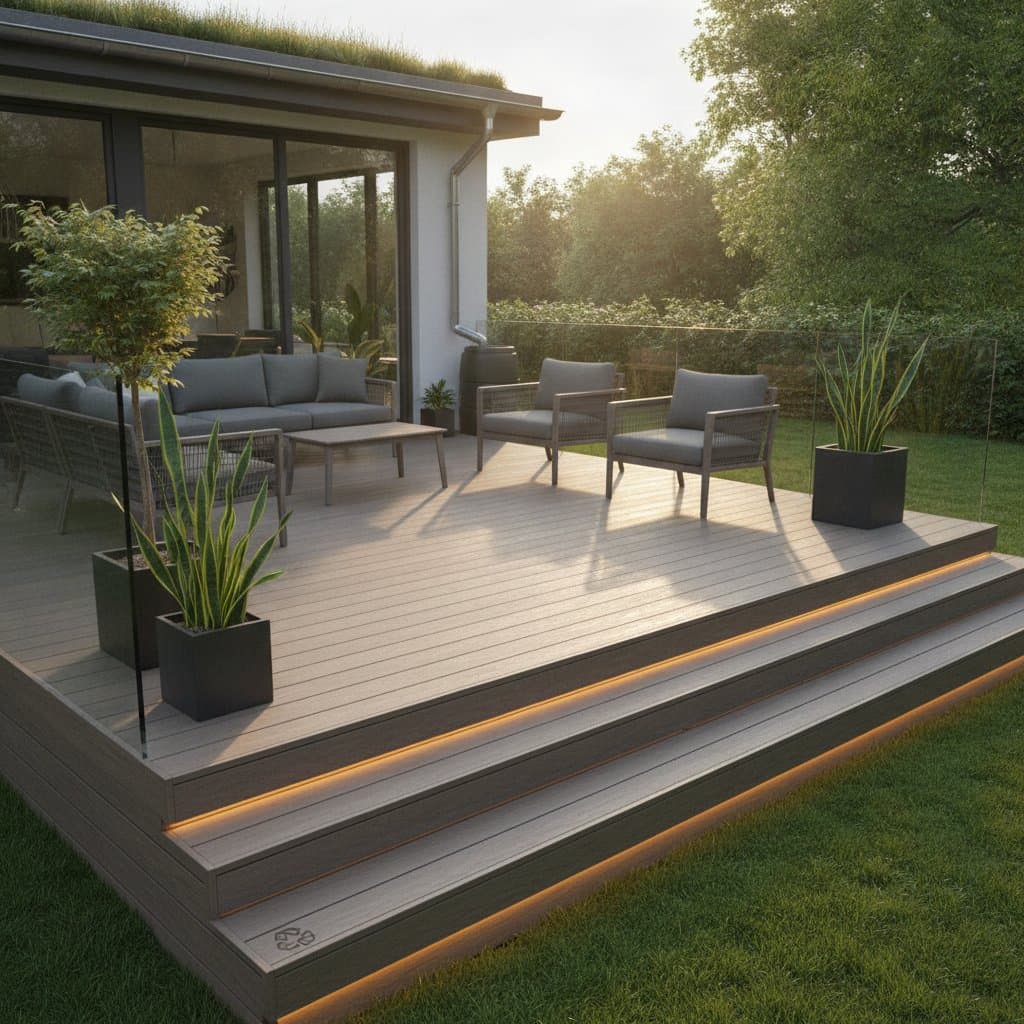
Recycled plastic decking aligns seamlessly with the rise of comprehensive outdoor environments. Integrate elements such as kitchens, fire pits, and pergolas atop these surfaces. The decks' resistance to heat conduction and dampness offers a reliable base for substantial installations.
Pair with cable railings, aluminum details, and LED illumination to achieve a modern, unified aesthetic. This combination merges opulent style with eco-friendly efficiency. Incorporate fixed benches or planters to customize the area further.
Addressing Common Concerns
Potential users may pause before adopting recycled plastic decking owing to myths surrounding expense, feel, or end-of-life handling. Clarity on these matters dispels doubts.
-
Heat Retention: Decks made from plastic can warm up under intense sun, yet pale shades and textured profiles aid in heat dissipation. Recent material blends incorporate light-reflecting additives to curb excessive warming. Combine with shading elements for comfort in the hottest months.
-
Surface Traction: Older composite versions occasionally proved slick in wet weather, but current boards include enhanced grip via raised patterns and fine textures. These features comply with safety benchmarks for damp surfaces, providing firm footing for households and animals.
-
Recycling End-of-Life Boards: Leading manufacturers facilitate recycling initiatives or partner with community drop-off sites. Single-polymer constructions simplify reprocessing. Upon reaching the end of use, these decks steer materials away from landfills and bolster circular systems.
Such developments resolve prior barriers, rendering recycled plastic decking suitable for homes and businesses alike.
Steps to Build Your Lasting Deck
Assess your outdoor usage patterns when planning a deck. Consider whether the space serves for gatherings or serene relaxation. This evaluation guides material selection and configuration choices.
Obtain estimates from qualified installers experienced in composite and recycled plastic applications. Expert work guarantees appropriate gaps, airflow, and hardware choices, all of which influence endurance. Examine warranty terms, often spanning 25 to 50 years, for reassurance.
View the deck as a commitment to enduring value and environmental stewardship. Selecting recycled options supports waste reduction while securing a feature that endures aesthetically and functionally for generations. This evolution in decking underscores a commitment to resilient, planet-friendly exteriors.