Key Points
- Recycled plastic lumber revolutionizes decking through exceptional durability, minimal maintenance requirements, and strong sustainability credentials.
- Homeowners realize long-term financial savings via decreased upkeep needs and prolonged service life.
- Options in composite materials and fully recycled plastic provide versatility to accommodate various budgets and visual preferences.
- Correct installation practices and adequate ventilation guarantee sustained performance and structural integrity.
The Shift in Backyard Design
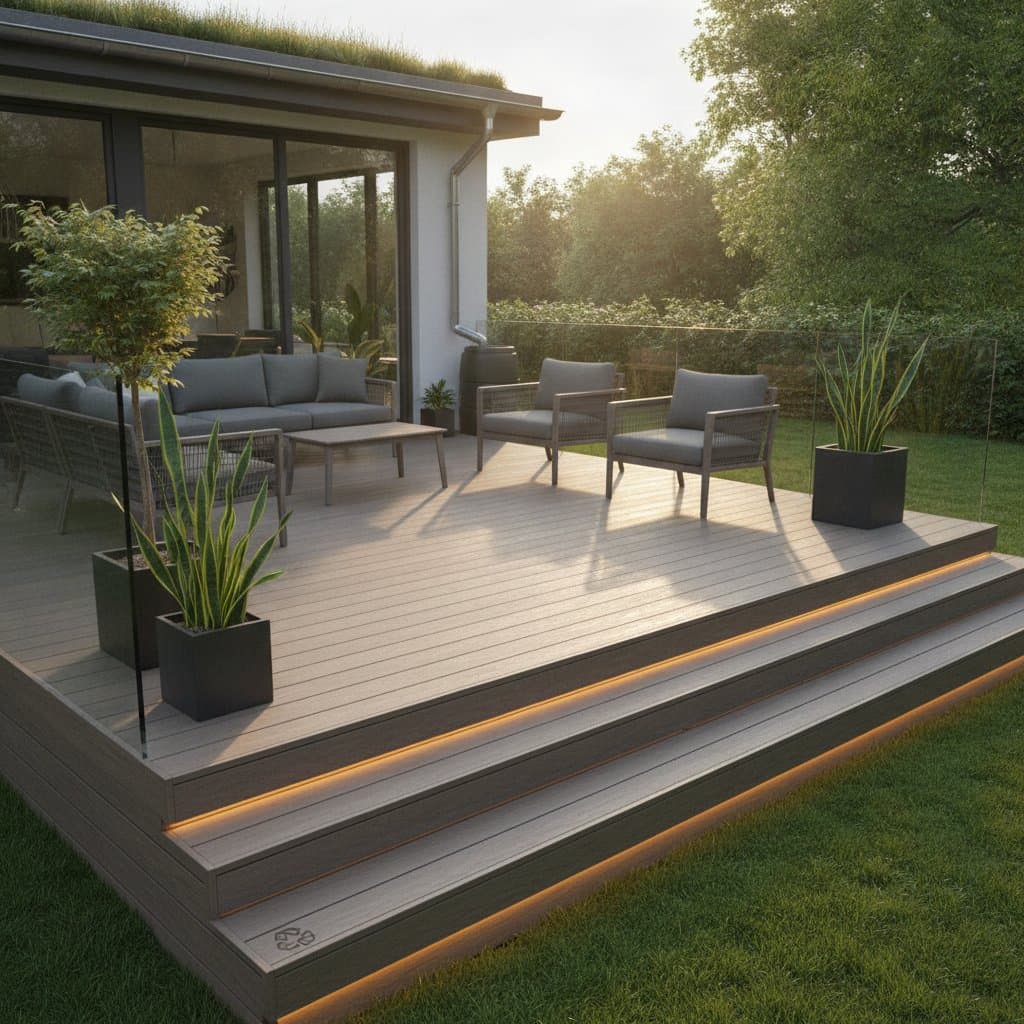
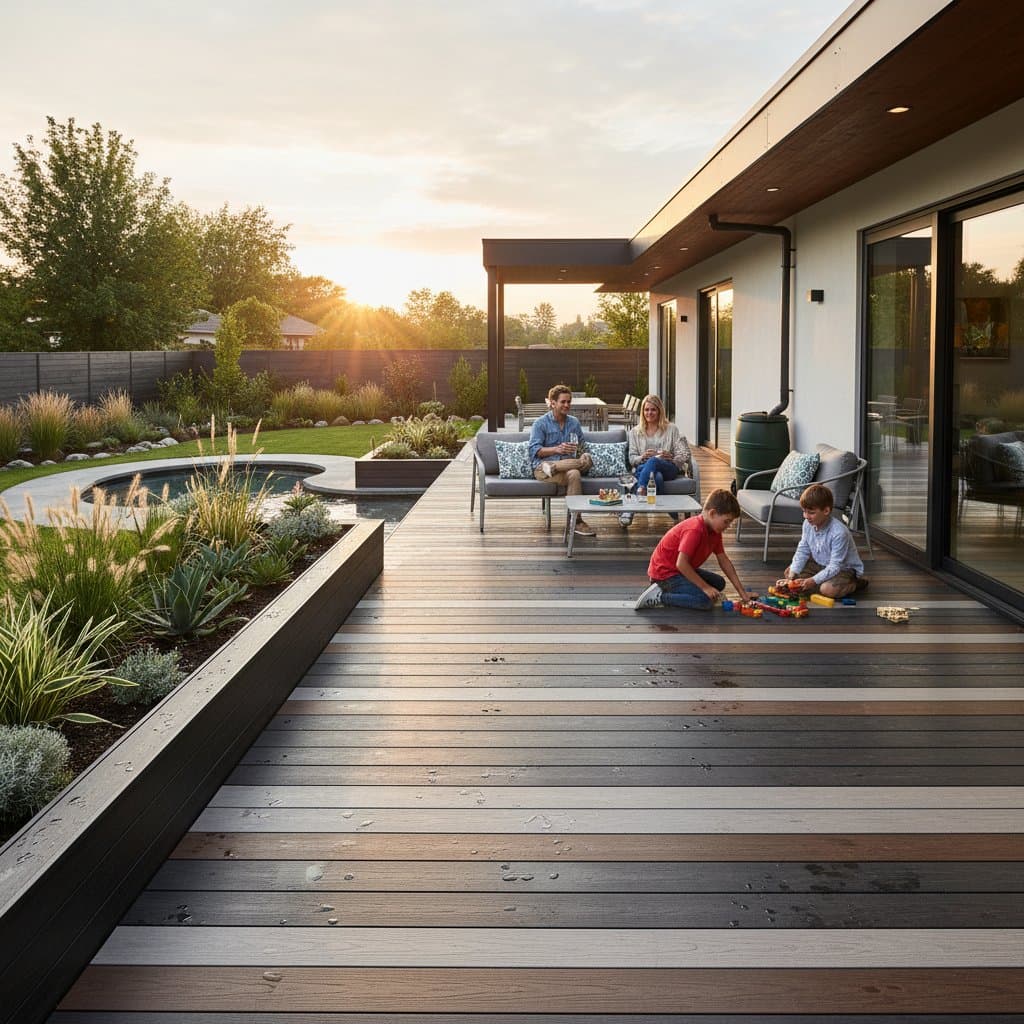
Picture walking onto your deck following a brief rain shower. The surface remains dry to the touch, the hue stays vibrant, and no rough edges endanger your feet. This effortless experience explains the growing appeal of recycled plastic lumber among homeowners seeking aesthetic appeal without the ongoing tasks of sanding, sealing, or staining associated with conventional wood. The movement toward eco-friendly decks extends beyond material substitution; it involves a fundamental reevaluation of constructing resilient outdoor environments.
The Importance of Plastic Lumber
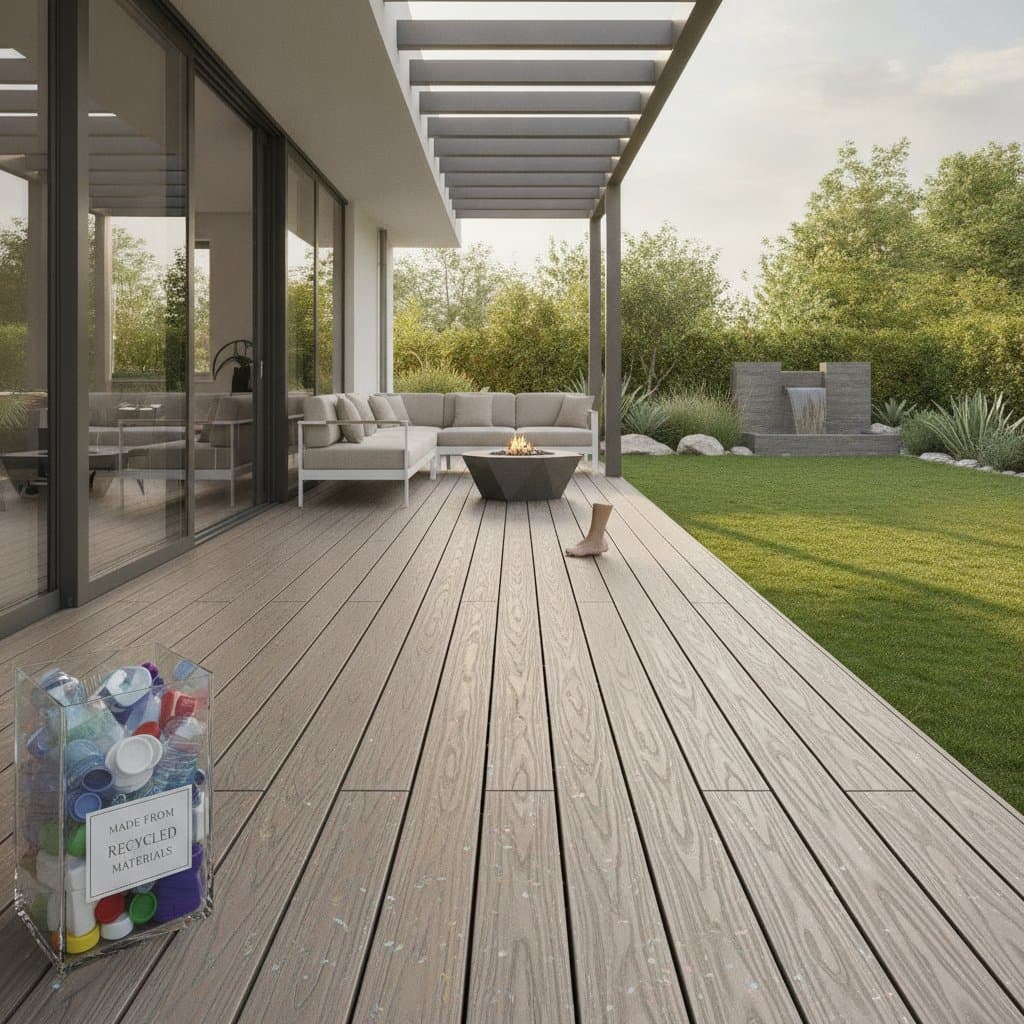
Conventional wood decks present an attractive appearance initially, yet they often discolor, fracture, or decay after prolonged exposure to the elements. Plastic lumber, crafted from recycled items such as milk jugs and detergent containers, withstands moisture effectively and eliminates the need for refinishing. Each board repurposes plastics that would otherwise accumulate in landfills, thereby promoting waste diversion and resource preservation. This approach transforms discarded materials into functional areas for social gatherings.
From an economic perspective, this transition proves advantageous. The initial expense for plastic decking may range from 20 to 50 percent above that of pressure-treated wood, but reductions in maintenance and extended durability typically recoup the difference within a few years. Consider the additional benefit of avoiding the need to replace individual boards or repaint large areas, which further amplifies the overall value over time.
Essential Planning Factors
Prior to commencing installation, evaluate the intended use of your outdoor area. Plastic lumber primarily falls into two categories:
- Composite decking, which combines recycled plastic with wood fibers to achieve a more authentic wood-like look and feel.
- Pure recycled plastic lumber, denser in composition, completely impervious to water, and suited for regions with elevated moisture levels or salt air.
Selections in color and surface texture now closely mimic natural wood varieties, while numerous brands provide certifications that confirm recycled content levels and ecological impact. During product evaluation, prioritize features such as slip-resistant surfaces, resistance to ultraviolet degradation, and warranties for structural performance that align with local weather conditions.
Analyzing Costs and Return on Investment
The average cost for a plastic lumber deck installation ranges from 15 to 25 dollars per square foot, influenced by factors like design intricacy, material grade, and local labor expenses. Premium composite variants may approach 30 dollars per square foot. Pressure-treated wood options appear more affordable at the outset, but recurring maintenance and eventual replacements narrow this disparity rapidly. Across a 15-year span, plastic lumber decks frequently yield lifecycle costs that are 60 to 70 percent lower.
Sustainable decking also elevates property worth. Prospective buyers favor residences with low-maintenance and environmentally conscious features, making a recycled material deck a compelling asset that increases marketability and resale potential.
Environmental Benefits and Performance Advantages
The primary ecological strength of plastic lumber lies in its circular economy model. Repurposing post-consumer plastics reduces the carbon footprint linked to virgin material manufacturing. Several producers implement closed-loop processes that reintegrate production scraps into fresh boards. This yields a robust, non-toxic material devoid of chemical treatments or heavy metals. Furthermore, it repels mold growth, insect damage, and dimensional changes, thereby minimizing waste from replacements and upkeep supplies.
Frequently Asked Questions
Does plastic lumber absorb more heat than wood?
It may increase in temperature under intense sunlight, though selecting lighter shades and ensuring good airflow effectively limits excessive warmth.
Can plastic lumber be painted or stained?
Manufacturers typically infuse color during production, rendering additional painting unnecessary. Certain types allow for refinishing should a color change become desirable.
Is plastic lumber capable of supporting substantial weight?
Yes, provided proper support structures are in place. Structural-grade versions offer load-bearing capacities equivalent to standard wood decking.
What is the expected lifespan of a plastic lumber deck?
Properly installed units often endure for multiple decades with negligible deterioration.
Simple Upkeep for Lasting Enjoyment
With your eco deck installed, routine care consists solely of periodic cleaning using a garden hose. Splinter-free surfaces, stable finishes, and the absence of labor-intensive repairs allow full appreciation of the space. Recycled plastic lumber enables seamless outdoor living focused on relaxation rather than renovation.