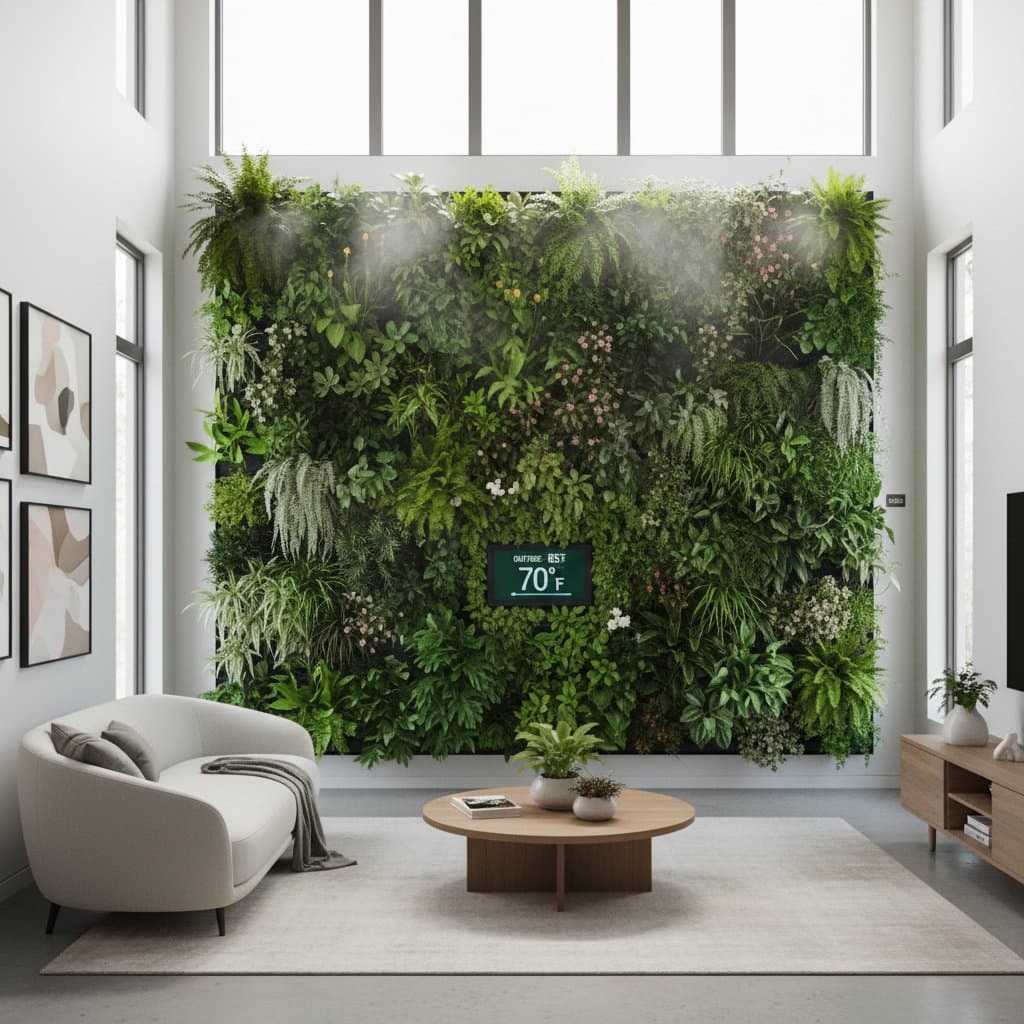
Vertical Gardens: Naturally Cooling Indoor Temperatures by Up to 15 Degrees
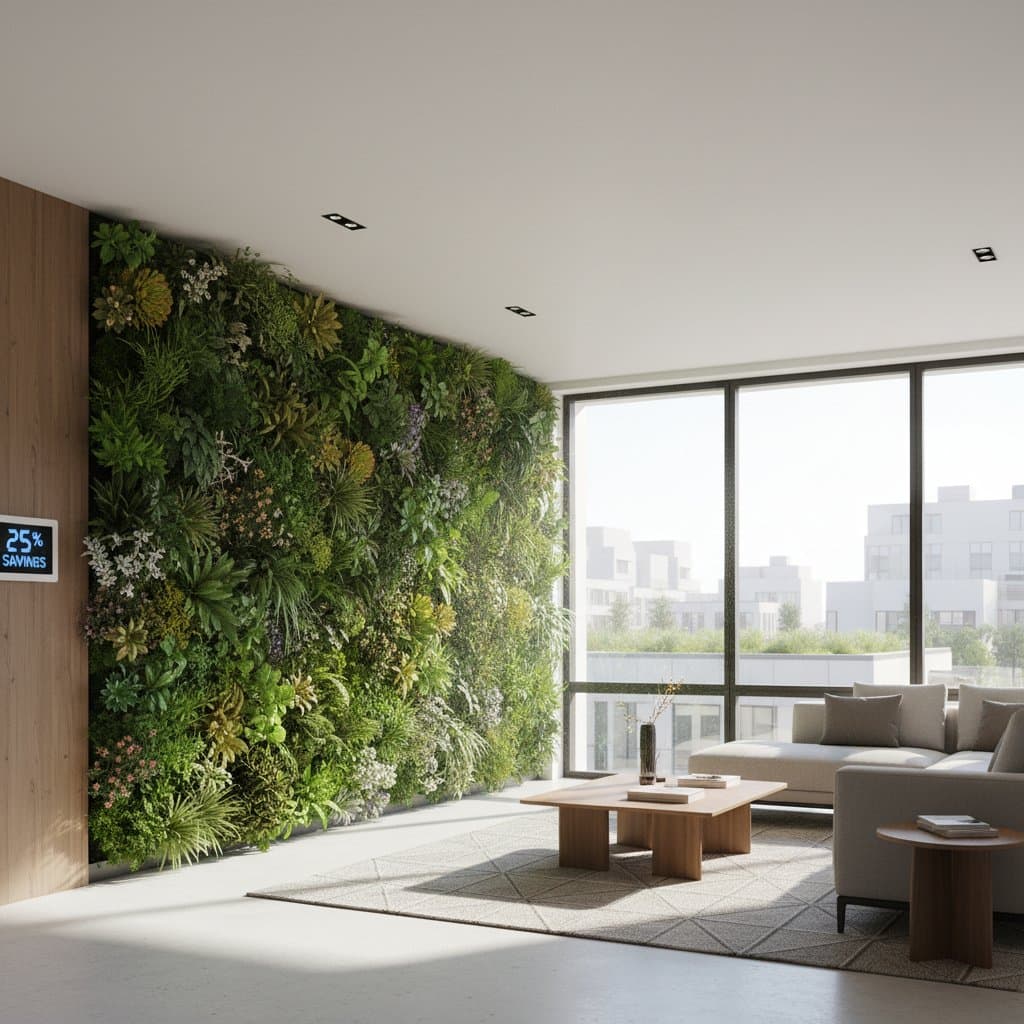
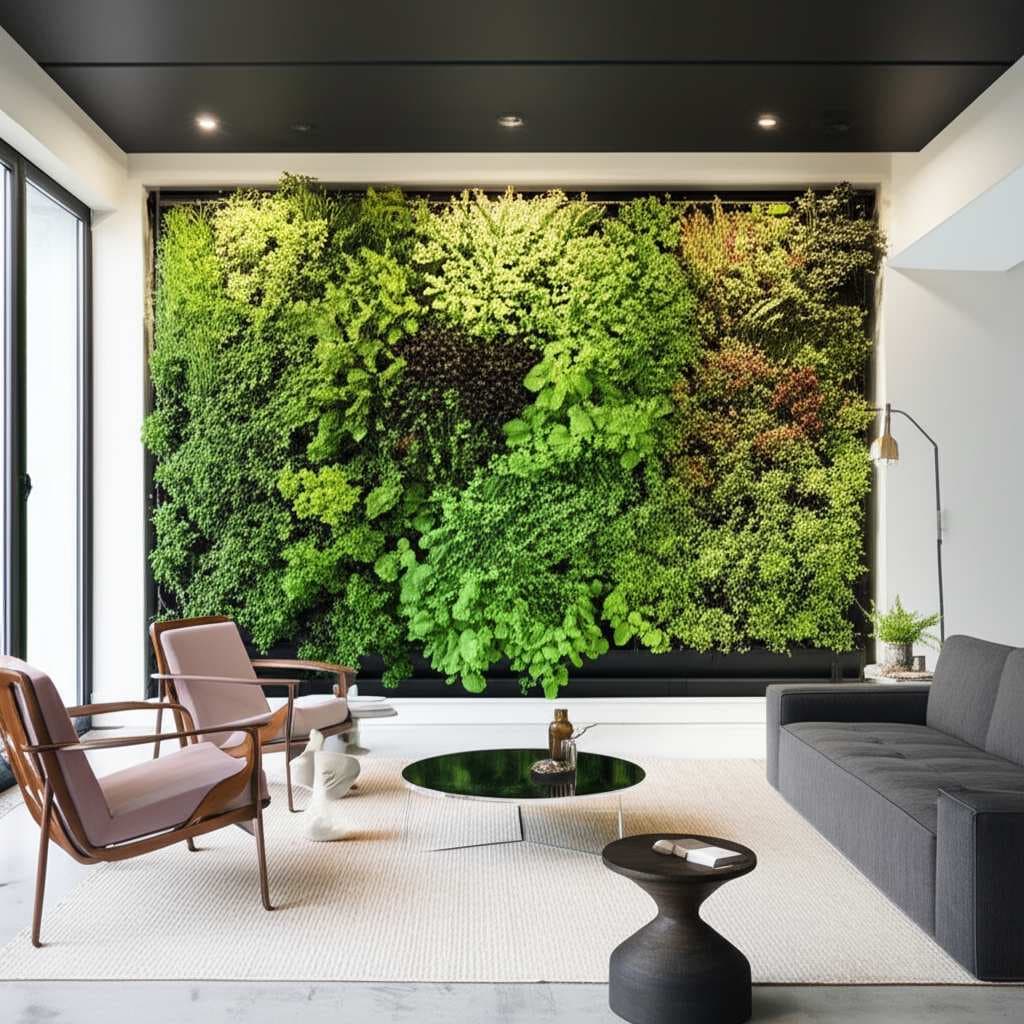
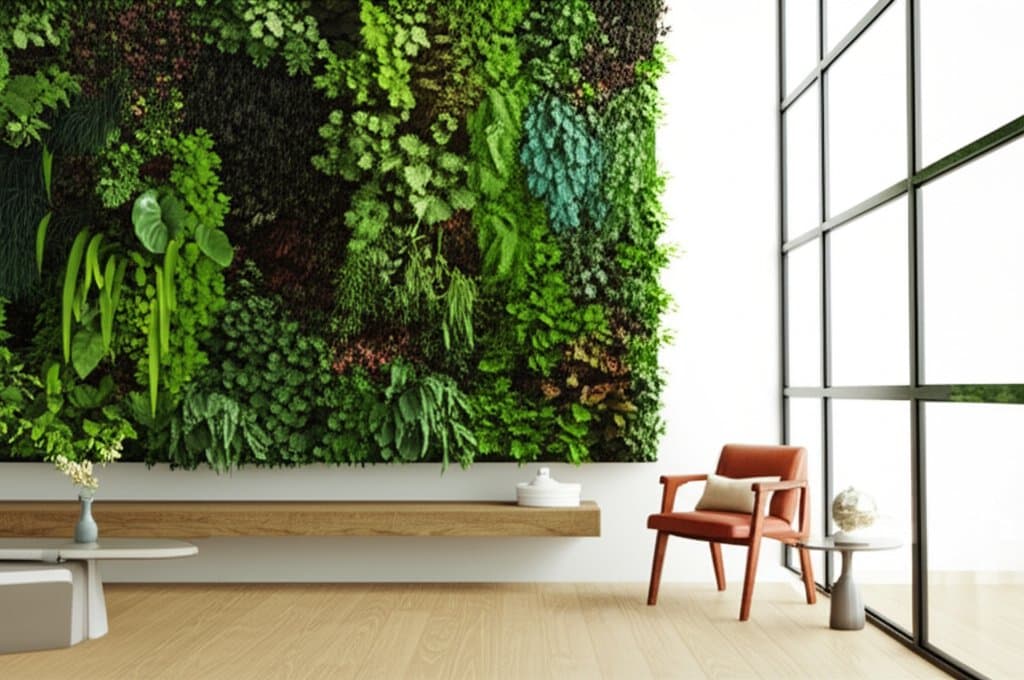
Vertical gardens offer a sustainable solution for maintaining comfortable indoor environments. These living walls utilize plants to absorb heat and provide natural cooling effects. Homeowners can achieve temperature reductions of up to 15 degrees through strategic design and plant selection.
Understanding the Cooling Mechanism of Vertical Gardens
Vertical gardens function as natural insulators against external heat. Plants on walls create a barrier that shades surfaces and reduces solar gain. Evapotranspiration from the foliage releases moisture into the air, which cools the surrounding space through evaporation.
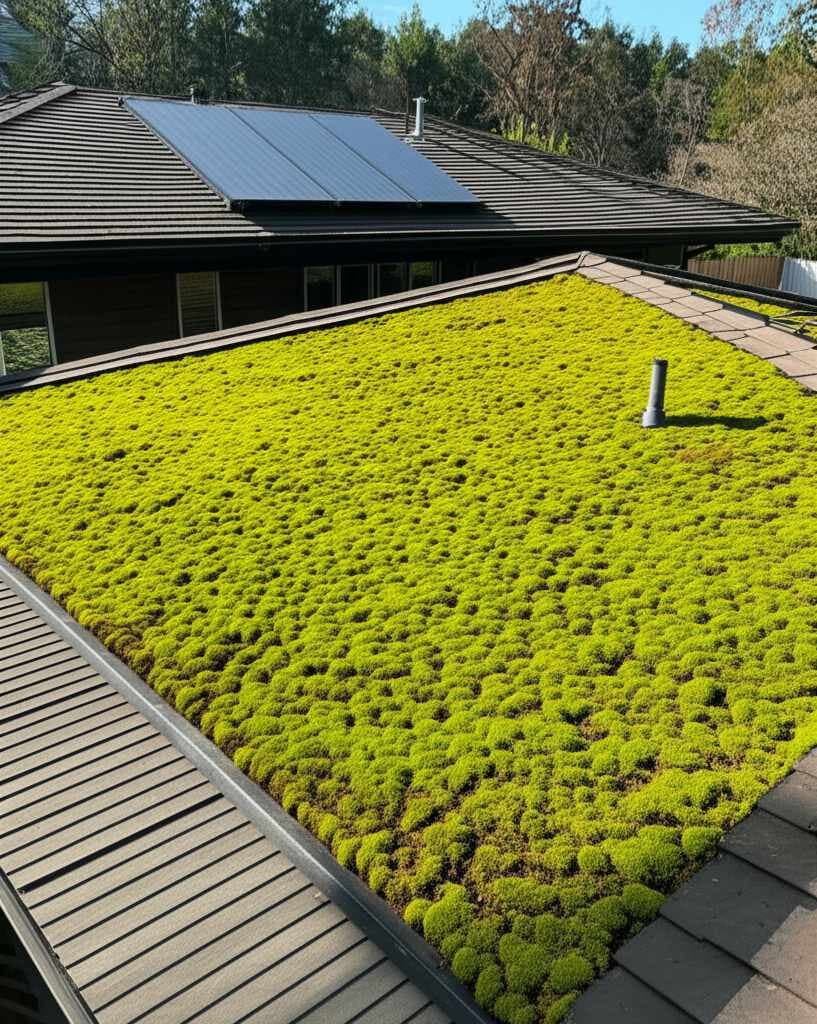
This process mimics the effect of a green roof but applies it vertically. Studies indicate that well-designed systems can lower wall temperatures by 10 to 15 degrees. The result is a more stable indoor climate without relying heavily on mechanical cooling.
In urban settings, where heat islands amplify temperatures, vertical gardens prove especially effective. They mitigate the warmth absorbed by concrete and glass structures. Overall, this approach enhances energy efficiency in residential and commercial buildings.
Selecting Plants for Optimal Cooling
Choose plants with high transpiration rates to maximize cooling benefits. Ferns and ivy release significant moisture, contributing to humidity that aids evaporation. Succulents like sedum store water and provide shade while requiring minimal maintenance.
Consider native species adapted to local climates for best performance. In temperate regions, pothos and philodendron thrive indoors and offer dense foliage coverage. For sunnier exposures, opt for heat-tolerant options such as spider plants or peace lilies.
Layer plants strategically: low-water varieties at the base and climbers higher up. This arrangement ensures even cooling distribution. Test small sections first to observe growth patterns and adjust selections accordingly.
Designing an Effective Vertical Garden System
Start with a sturdy framework that supports the weight of soil and plants. Modular panels made from recycled materials allow for easy installation on interior or exterior walls. Ensure proper drainage to prevent water buildup, which could lead to mold.
Incorporate irrigation systems for consistent moisture delivery. Drip lines connected to a timer simulate natural rainfall without waste. Position the garden on south- or west-facing walls to block the most intense sunlight.
For indoor applications, select non-toxic plants and use hydroponic setups to avoid soil mess. Integrate sensors to monitor humidity and temperature, adjusting watering as needed. Professional consultation may help with complex installations.
Installation Steps for Homeowners
-
Assess the wall space and measure dimensions to determine system size.
-
Prepare the surface by cleaning and ensuring it can bear the load; reinforce if necessary.
-
Assemble the panels or pockets, securing them with brackets or adhesives suitable for the material.
-
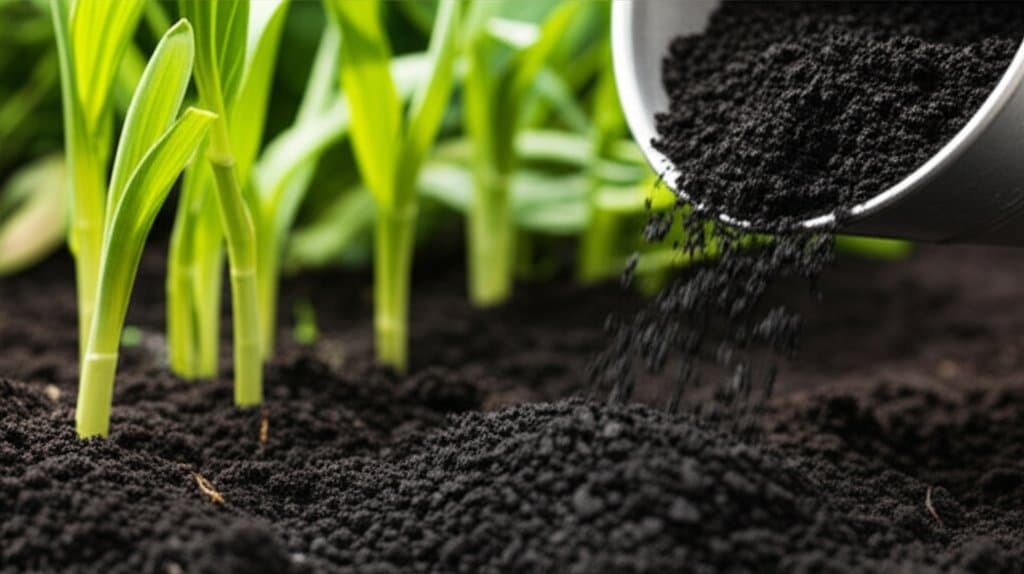
Fill with lightweight growing medium and plant selected species, starting from the bottom up.
-
Connect irrigation and test for leaks before full operation.
-
Monitor for the first few weeks, pruning as plants establish.
These steps typically take a weekend for a small setup. Tools required include a drill, level, and watering can for initial planting.
Maintenance Practices for Long-Term Performance
Regular care ensures the garden remains effective at cooling. Water plants according to their needs, usually every few days depending on climate. Trim dead leaves to promote healthy growth and airflow.
Fertilize quarterly with organic nutrients to support vitality. Inspect for pests and treat with natural remedies like neem oil. Seasonal adjustments, such as adding shade cloth in summer, enhance performance.
Annual evaluations help identify areas for improvement. Rotate plants if growth becomes uneven. With proper attention, these gardens last for years, providing ongoing benefits.
Broader Benefits Beyond Cooling
Vertical gardens improve air quality by filtering pollutants and producing oxygen. They reduce energy bills through decreased air conditioning use, potentially saving hundreds annually. Property values increase due to the aesthetic and eco-friendly appeal.
Biodiversity flourishes as these installations support pollinators and wildlife. In apartments, they maximize limited space creatively. Community initiatives often feature vertical gardens to promote sustainability.
Health advantages include stress reduction from proximity to nature. Children and pets benefit from the calming green environment. These elements make vertical gardens a holistic home improvement.
Achieving Sustainable Comfort with Vertical Gardens
Implement these strategies to transform your space into a cooler, greener haven. The investment yields immediate and lasting rewards in comfort and efficiency. Embrace vertical gardening for a balanced, eco-conscious lifestyle.