Key Points
- Mushroom-based insulation uses mycelium, the root network of fungi, to create nontoxic, biodegradable panels that rival traditional insulation.
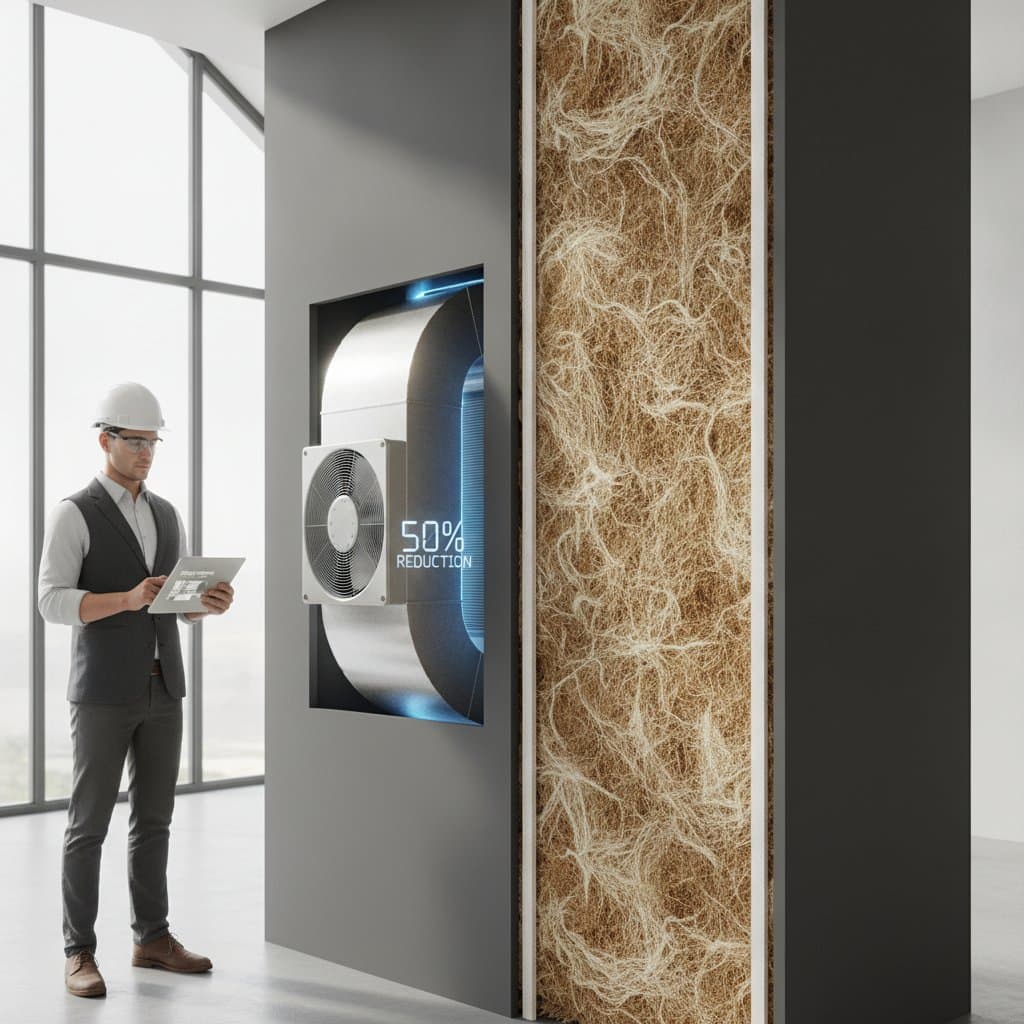
- Properly installed, this natural material can reduce HVAC costs by up to half while improving indoor air quality.
- Mycelium insulation is fire-resistant, pest-repellent, and grown locally, making it ideal for eco-conscious homeowners seeking long-term savings.
A Natural Solution for Modern Energy Challenges
Picture this. You walk into a home on a humid summer afternoon. Instead of the usual blast of cold, recycled air, you feel a steady, balanced comfort. The air feels fresh, not forced, and your utility bill is noticeably lighter.
As a green building expert, I have seen this transformation countless times. It is often sparked by a single, unexpected material: mushroom insulation. Homeowners are increasingly drawn to mycelium insulation because it delivers both sustainability and performance.
Why Traditional Insulation Falls Short
Fiberglass and foam boards have been standard choices for decades. They often trap pollutants, release harmful chemicals, and lose efficiency over time. In warm, humid regions, these materials can even harbor mold or pests if moisture seeps in. The result is higher HVAC demand and a less healthy living space.
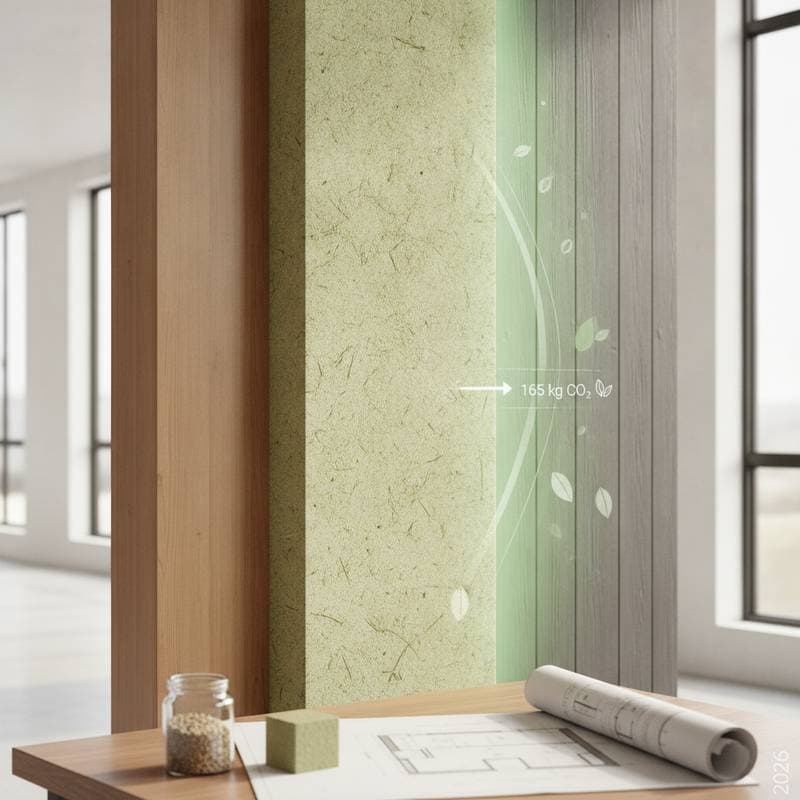
Mycelium insulation changes that equation. It grows into dense, interlocking fibers that naturally regulate temperature and moisture. This living structure creates a breathable thermal barrier that traps heat in winter and blocks it during summer.
How Mushroom Insulation Works
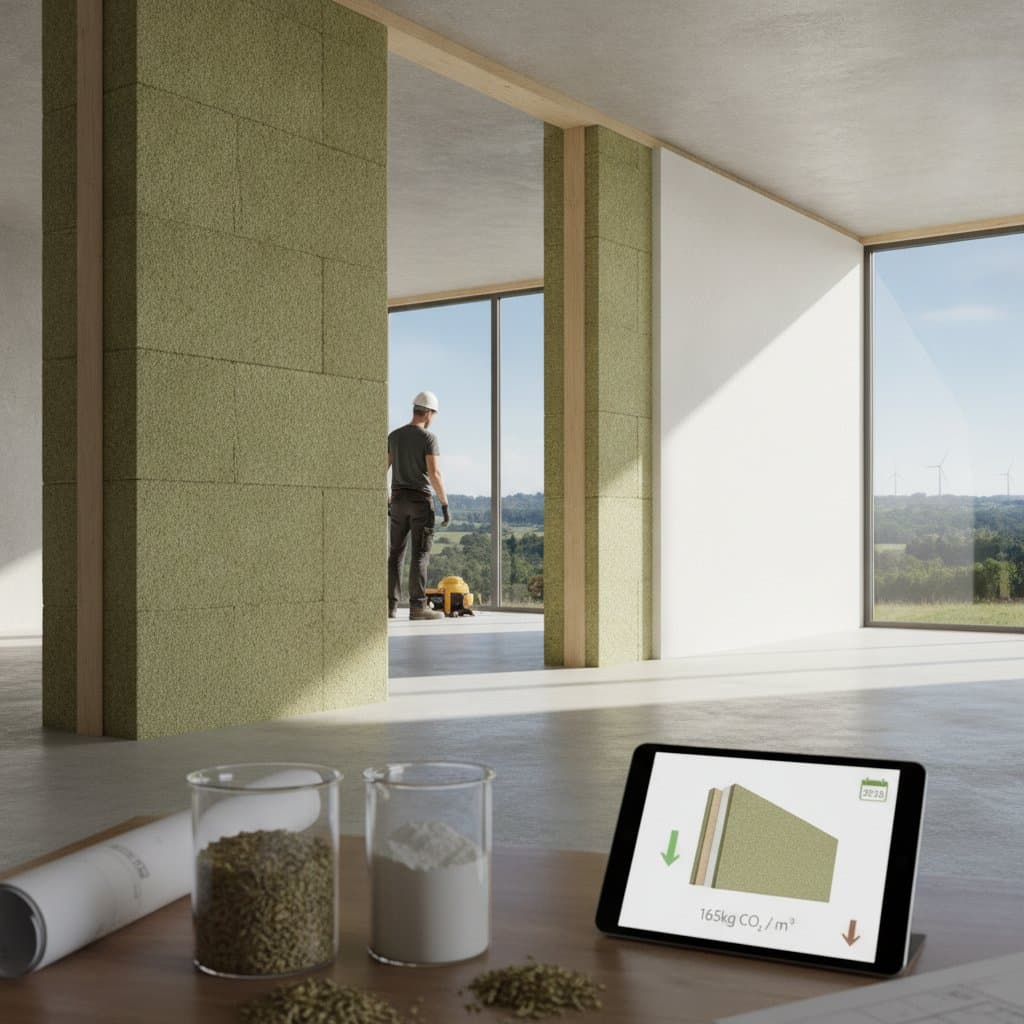
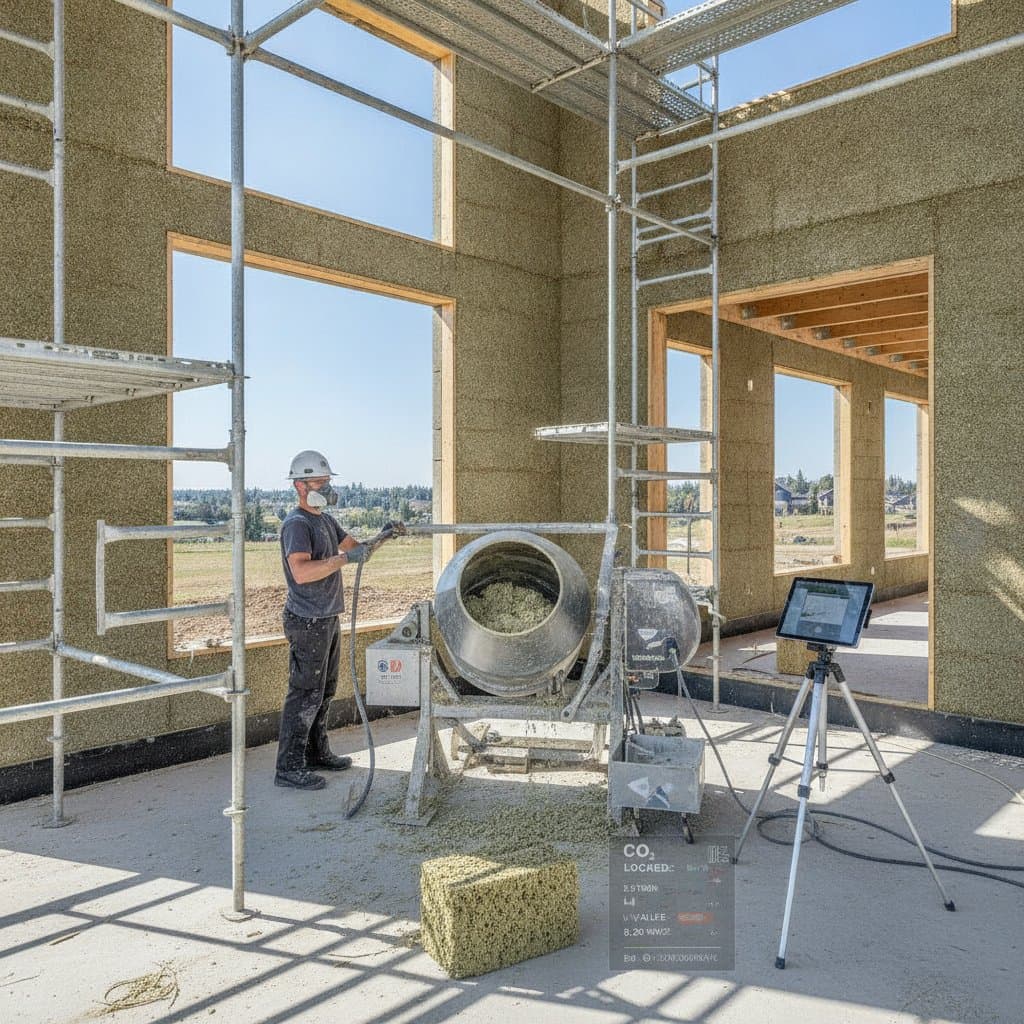
The process begins with agricultural waste, such as corn husks or hemp stalks, combined with mycelium spores. Over several days, the fungi colonize the substrate, forming a dense, foam-like material. Once fully grown, panels are heat-treated to stop growth and ensure long-term stability.
Expert Tips to Maximize Efficiency
- Test your current insulation. Have a professional energy audit performed before replacement. This identifies where heat loss or air leaks occur.
- Choose the right density. Denser mycelium panels provide higher R-values. For colder climates, opt for panels rated around R-4 per inch.
- Ensure proper sealing. Combine mushroom insulation with tight air barriers around windows, attics, and crawl spaces to prevent thermal bridging.
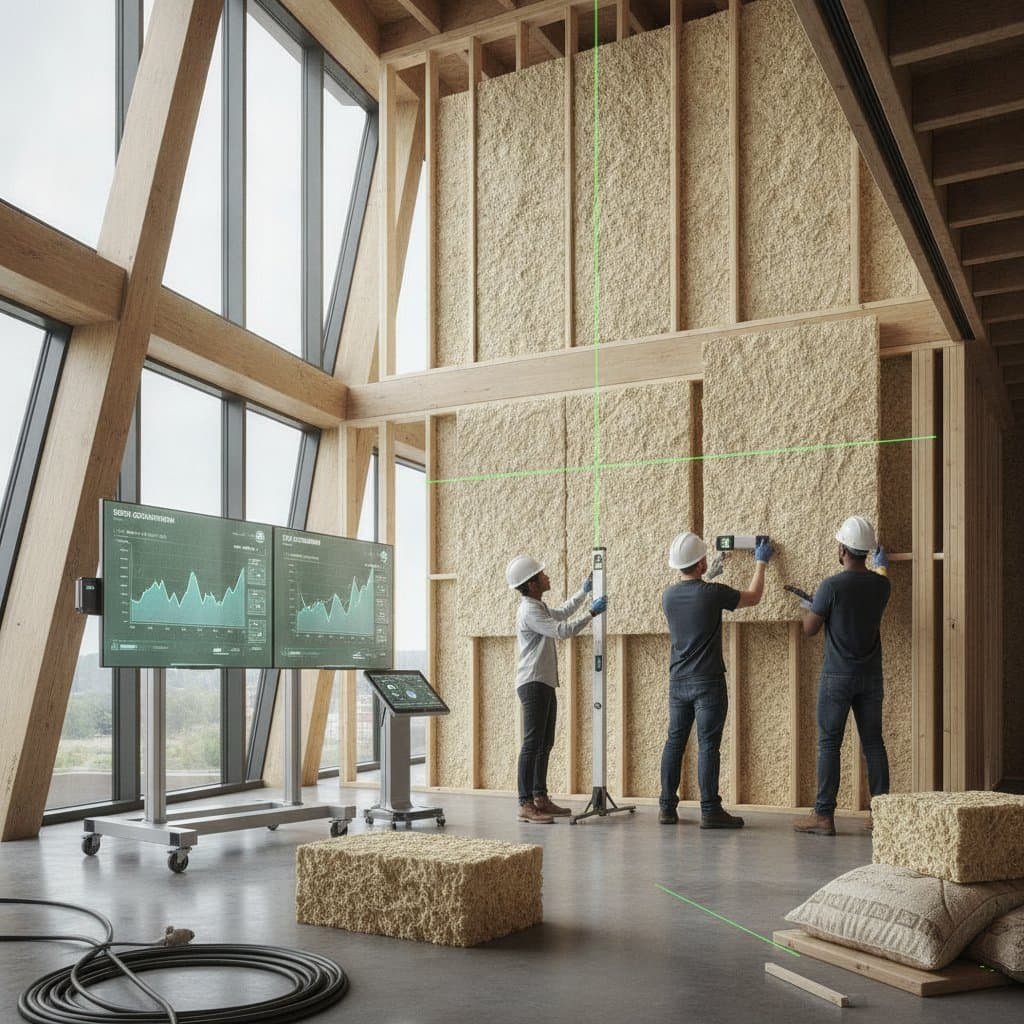
- Hire trained installers. While some panels can be DIY-friendly, expert installation ensures consistent performance and longevity.
The Financial and Environmental Payoff
Mycelium insulation typically costs 10 to 15 dollars per square foot installed. This price is slightly higher than fiberglass but far lower in lifetime costs. Many homeowners report HVAC energy reductions of 40 to 50 percent within the first year after installation.
Beyond savings, this material is completely compostable at end of life. It leaves no synthetic residue. It also has a naturally high fire resistance, often outperforming foam insulation without chemical additives. As Dr. Lena Ortiz, a sustainable materials researcher, said, "Mycelium insulation does not just insulate. It breathes with the building, creating harmony between structure and environment."
Next Steps for Homeowners
If you are ready to cut your energy costs while investing in a healthier home, mushroom insulation offers one of the most promising paths forward. Start by contacting a vetted green building professional for a no-obligation quote. Together, you can design an insulation strategy matched to your local climate and budget.
When you choose mycelium, you are not just upgrading your insulation. You are cultivating a home that lives in balance with nature, one that feels as good as it performs.
FAQ
Q: How long does mushroom insulation last?
A: When properly sealed and installed, it can last as long as traditional materials, often 30 years or more.