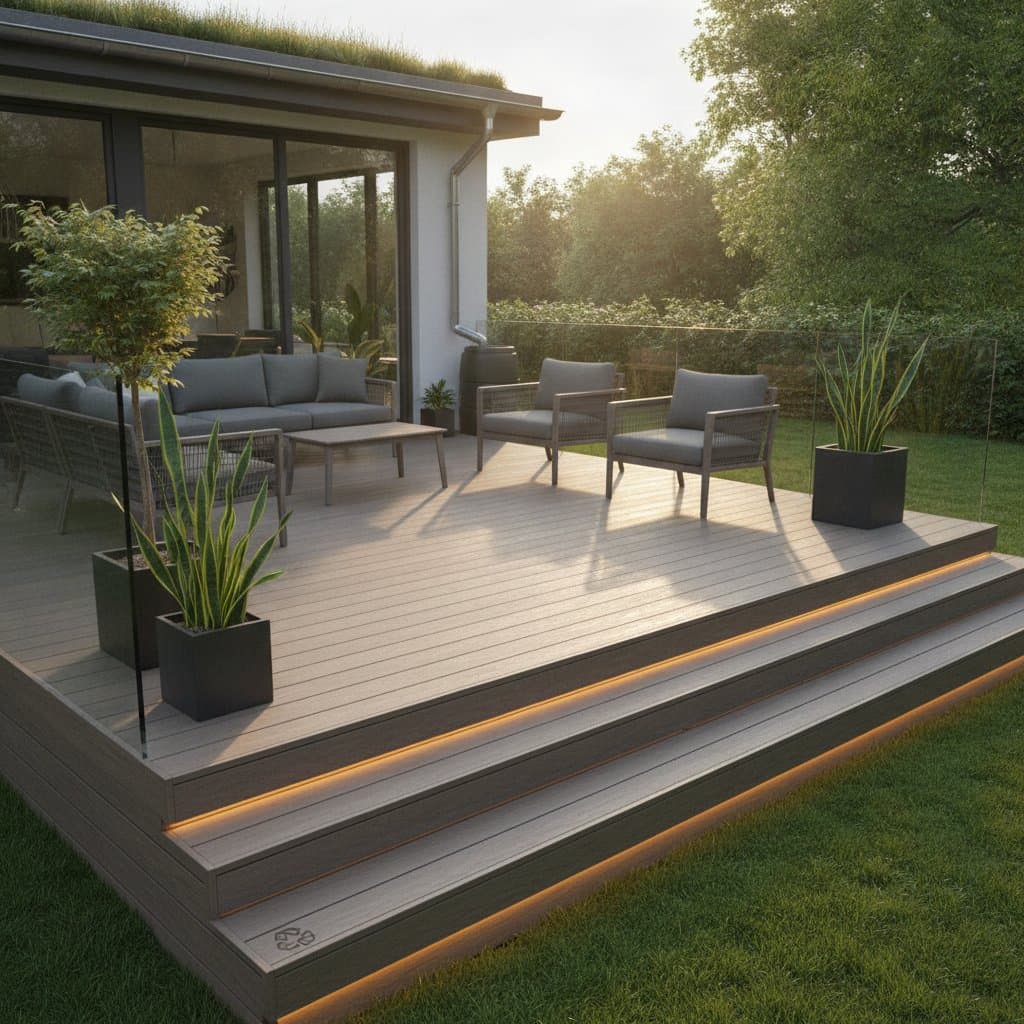
Recycled Plastic Lumber Outlasts Wood by Decades
Key Points
- Recycled plastic lumber offers exceptional durability and low maintenance compared to wood decking.
- It diverts tons of plastic waste from landfills, providing a circular solution for sustainable outdoor living.
- Installation methods and aesthetics have evolved, making recycled plastic lumber nearly indistinguishable from natural wood.
- Costs are higher upfront, but long-term savings and environmental benefits outweigh the initial investment.
The New Face of Outdoor Living
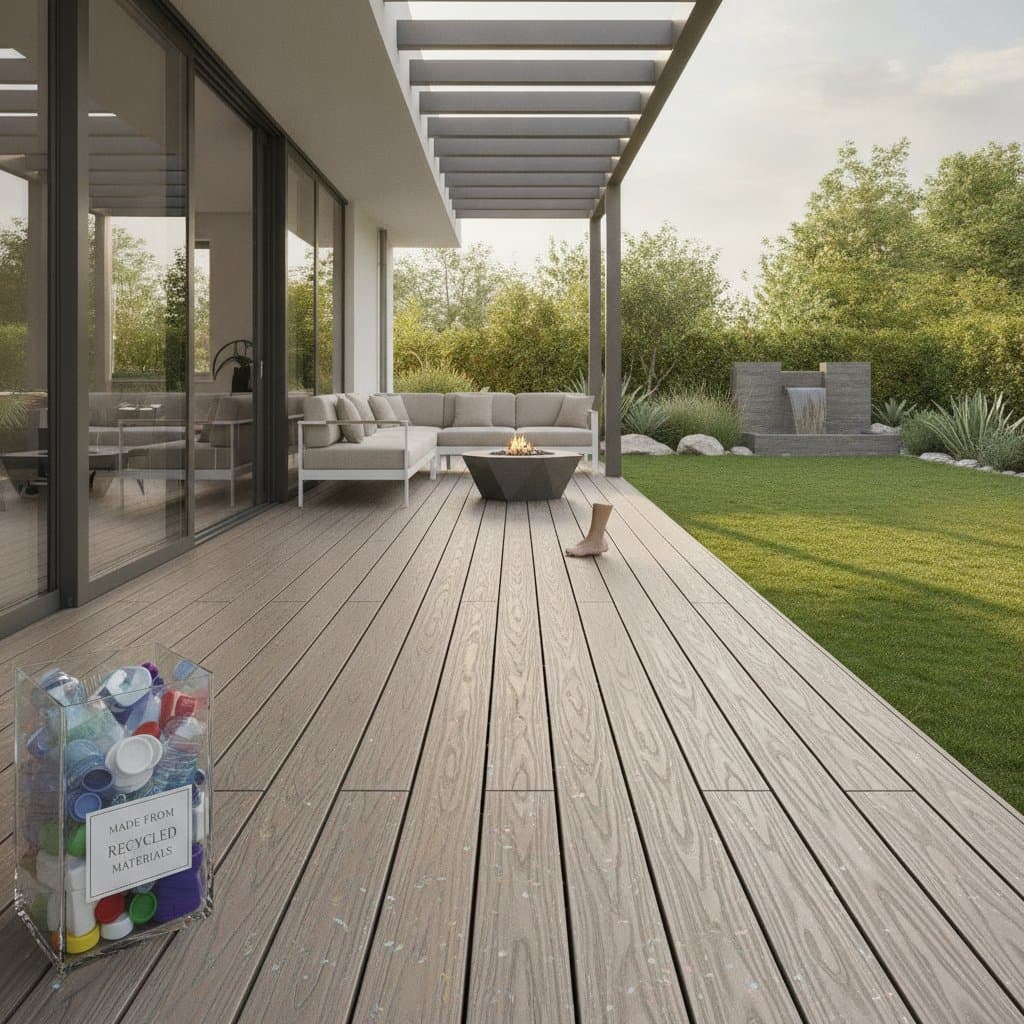
Homeowners often face decks that fade, crack, or rot under sun and rain. Many seek a beautiful outdoor space that requires little upkeep and supports environmental goals. Recycled plastic lumber meets these needs by converting discarded bottles and containers into solid, mold-resistant boards that resemble timber.
This material has moved from niche applications to a standard option in sustainable construction. It appeals to those who prioritize longevity, safety, and responsible material choices. Its consistent dimensions also simplify design planning, especially for homeowners creating built-in benches, planter boxes, privacy screens, or outdoor dining areas.
Unlike wood, recycled plastic lumber does not depend on yearly staining to preserve its appearance. That makes it especially useful for busy households, rental properties, and vacation homes where routine maintenance can be difficult. A well-planned deck can remain attractive through changing seasons with only occasional cleaning.
Limitations of Traditional Decking
Wood decks face challenges in humid or variable climates. Moisture causes warping and splinters, while treated lumber requires repeated sealing that introduces chemicals into waterways. Reports indicate that untreated or poorly maintained wood decks lose nearly half their strength within ten years.
Earlier composite products mixed wood fibers with plastic and still showed fading or cracking. Pure recycled plastic lumber avoids organic fillers entirely, which prevents rot, insect damage, and water absorption. It also eliminates many of the weak points created when moisture enters exposed end grain or small surface cracks.
Performance Advantages of Recycled Plastic Lumber
Manufacturers create this decking from post-consumer and post-industrial plastics through extrusion and molding processes. The resulting boards replicate wood grain yet exceed wood in strength and weather resistance.
Practical Benefits
- Durability under pressure. Boards withstand ultraviolet exposure, salt air, and heavy use while staying cool and colorfast.
- Minimal upkeep. A simple wash with mild soap maintains appearance without sanding or sealing.
- Family safety. The surface remains free of splinters, suiting homes with children and pets.
- Waste reduction. Each square foot incorporates pounds of recovered plastic that would otherwise enter landfills or oceans.
Green building expert Maria Chen notes that recycled plastic lumber now functions as a premium structural option rather than a substitute.
The material can also support a more flexible decorating scheme. Neutral gray boards complement contemporary homes, while brown and cedar tones coordinate with traditional siding, stone, and brick. Homeowners can use one shade for the main deck and another for stair edges or borders, creating definition without adding paint or stain.
Planning a Deck Project
Assess Site Conditions
Review sunlight, drainage, and wind patterns. Plastic lumber excels in coastal or humid zones because it does not absorb moisture. It also resists damage from freeze-thaw cycles in colder regions.
Consider how the deck connects to the home and how people will move through the space. Leave room for furniture, planters, grills, and circulation around doors. Shade from trees, umbrellas, or pergolas can improve comfort and protect furnishings, even though the boards themselves resist weather exposure.
Select Appropriate Grades
Structural-grade products support framing loads, while lighter boards suit surface applications. Confirm that chosen materials meet local building codes for outdoor use and load requirements.
Ask suppliers about recycled content, color stability, slip resistance, and warranty coverage. A product intended for a walkway may require a different texture than one used for a decorative privacy wall. Reviewing samples outdoors is helpful because colors can appear different in direct sunlight than in a showroom.
Establish a Stable Base
Allow small gaps between boards to accommodate thermal expansion. Stainless steel fasteners and proper joist spacing improve ventilation and extend service life. Professional installers can verify compliance with code standards.
A level, well-drained foundation remains essential. Although plastic lumber resists moisture, standing water beneath a deck can affect surrounding structures and encourage drainage problems. Installers should also allow adequate ventilation and avoid fastening boards too tightly, since plastic responds to temperature changes differently than wood.
Review Finish Options
Available colors include cedar, walnut, and coastal gray. Textured surfaces capture the appearance of real wood. Contrasting borders or mixed tones add visual interest.
Built-in seating, low-voltage lighting, and wide stair landings can make the deck feel like an extension of the interior. Repeating indoor colors outdoors, such as matching trim or furniture upholstery, creates a connected design.
Cost and Installation Factors
Initial prices run 20 to 30 percent higher than pressure-treated wood. Maintenance savings accumulate over time and typically recover the difference within a decade. Many products carry high fire-resistance ratings and qualify for LEED credits based on recycled content.
The material is denser than wood, so installers use specialized cutting tools and adjusted joist layouts. Certified professionals ensure code compliance and optimal results. Homeowners frequently report higher resale values from the deck longevity and sustainability features. Some municipalities offer incentives that further support these projects.
Before construction, request a detailed estimate covering demolition, foundation work, fasteners, railings, stairs, and disposal. Comparing complete project costs prevents a lower material price from hiding expensive installation requirements. Routine cleaning should still be included in the maintenance plan, especially in areas with pollen, leaves, or coastal residue.