Key Points
- Ground source heat pumps will see broad adoption in 2025, supported by expanded incentives, lower installation costs, and increasing energy prices.
- These systems can reduce utility bills by up to 70 percent compared to traditional HVAC setups.
- Recent innovations in drilling techniques and loop designs make them viable for smaller lots and retrofit projects.
- Builders and remodelers incorporate geothermal options to meet strict energy-efficiency standards and carbon reduction goals.
Expert Insights on Geothermal Potential
As a green building professional, I have seen many homeowners struggle to balance year-round comfort with rising costs and environmental concerns. Traditional HVAC systems often prove unreliable in the face of fluctuating energy demands and fuel prices, especially across varied climates from humid coastal regions to chilly inland areas. Imagine a home that maintains steady temperatures, delivers clean air, and runs silently by tapping into the earth's consistent thermal energy. Ground source heat pumps make this vision a reality, and 2025 promises to accelerate their growth.
Addressing Homeowner Challenges
Energy costs continue to strain household budgets, with heating and cooling accounting for nearly half of a home's energy use. Many homeowners perceive geothermal technology as expensive or overly complicated, but attitudes are shifting quickly. Manufacturers have refined system designs, and advances in drilling have cut installation costs by as much as 25 percent in certain areas. As a result, these systems provide cleaner operation, less noise, and improved affordability.
Environmental pressures further boost their attractiveness. Communities set ambitious sustainability targets, encouraging residents to contribute. Geothermal setups can slash greenhouse gas emissions by up to 70 percent compared to fossil fuel-based options. In addition, energy-efficient homes tend to appreciate more rapidly and command higher market values.
Drivers Behind the 2025 Surge
Technology often advances rapidly at key moments, and ground source heat pumps have reached such a point. Several factors converge to make 2025 a pivotal year for geothermal heating and cooling.
- Expanded Incentives and Rebates: Governments and utilities offer significant tax credits, low-interest loans, and rebates for renewable HVAC systems, which can offset thousands of dollars in upfront costs.
- Improved Accessibility: New compact vertical drilling tools enable installations on limited urban lots that were once considered impractical.
- Technological Advancements: Variable-speed compressors and smart controls boost efficiency, enabling precise temperature management with reduced energy consumption.
- Increased Public Awareness: High-profile local installations build confidence, showing that geothermal works well in suburban and urban homes, not just large estates or commercial buildings.
Steps to Implement a Geothermal Upgrade
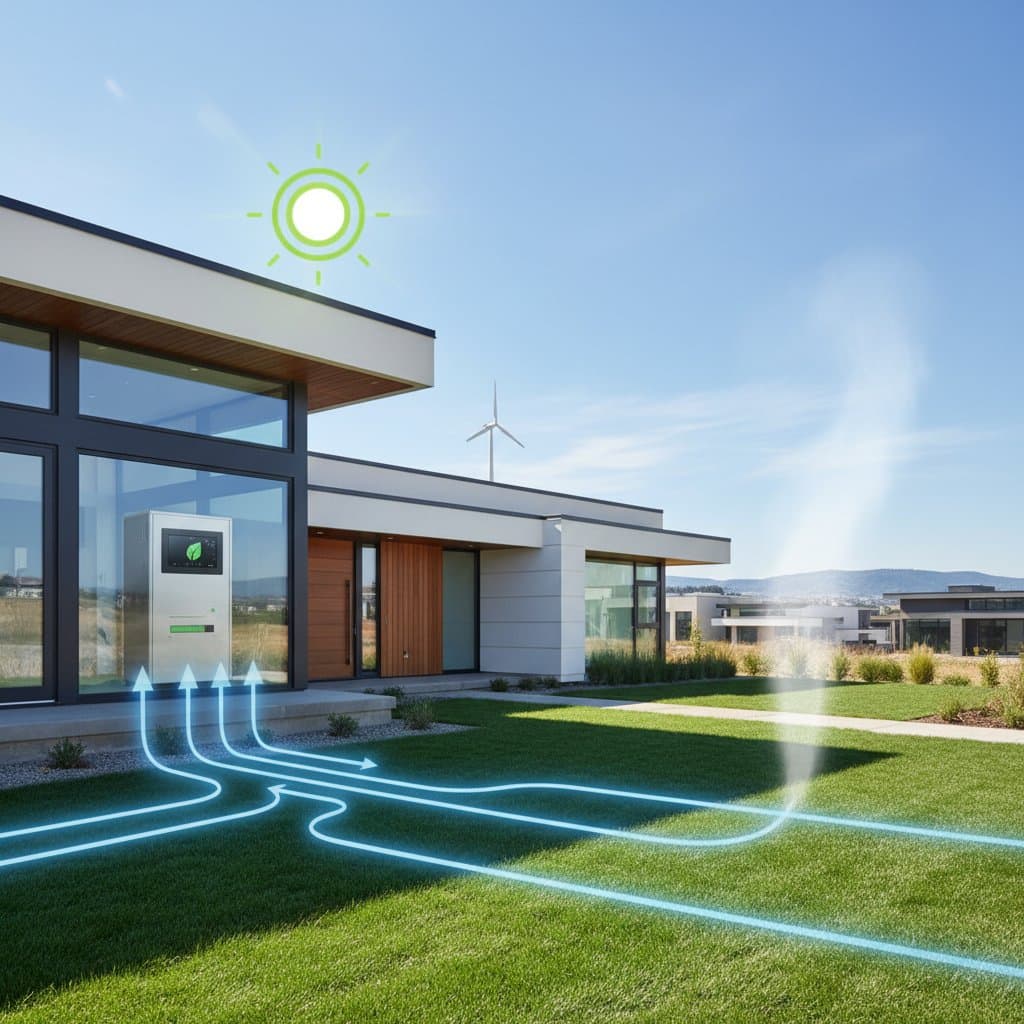
Homeowners considering an upgrade should focus on ground source heat pumps, which draw on the earth's stable temperature for efficient heating and cooling. Buried pipe loops circulate fluid to absorb or release heat as needed, using underground consistency to regulate indoor climates.
Follow these steps for a smooth process:
-
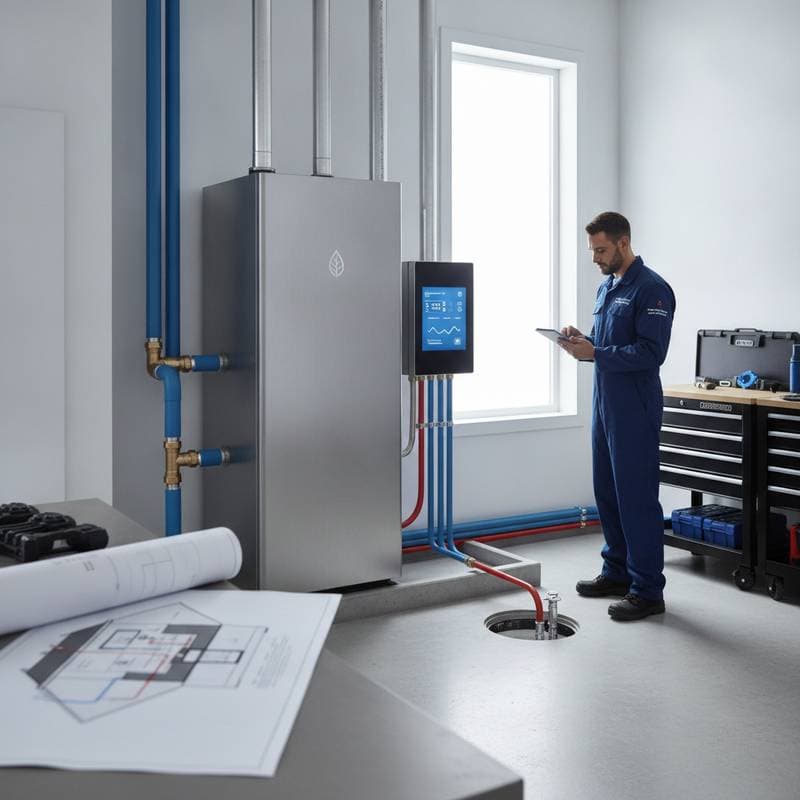
Conduct a Site Assessment: Hire a certified geothermal expert to evaluate soil type, property size, and water table levels. This determines the best loop type, such as horizontal loops for larger open spaces or vertical bores for tighter areas.
-
Assess Insulation and Air Sealing: Effective heat pump operation requires a well-sealed building envelope. Perform an energy audit to pinpoint drafts, then apply measures like spray foam insulation or weatherstripping to maximize performance.
-
Calculate System Capacity: Use precise load calculation tools to match the unit to your home's needs and avoid inefficiency. Experienced contractors ensure the sizing fits your specific thermal demands.
-
Add Zoning Features: Install programmable thermostats to control different zones independently, which suits multi-story homes or areas with varying sunlight exposure, enhancing both comfort and savings.
-
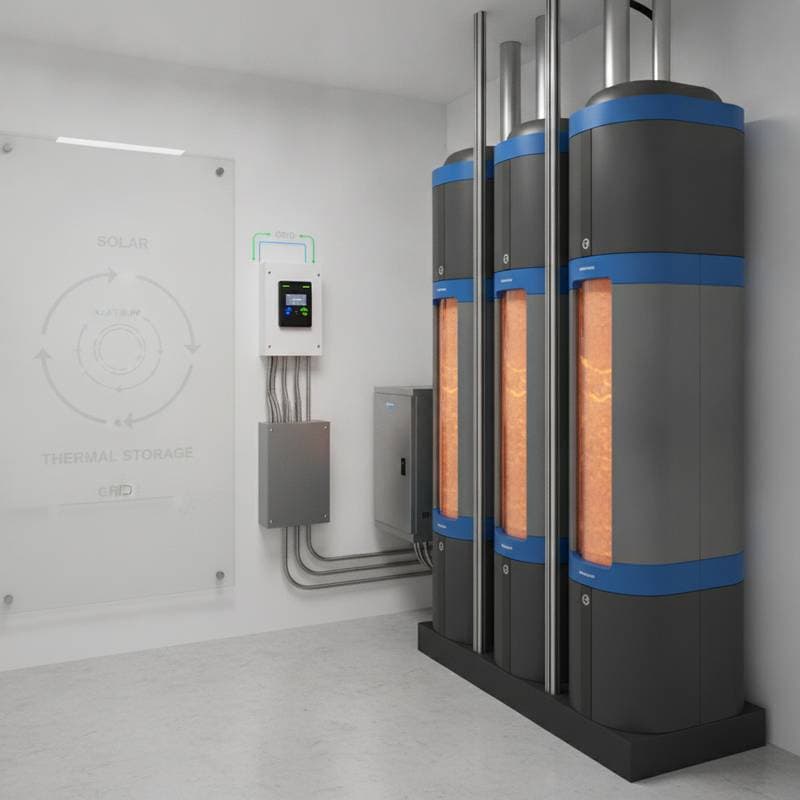
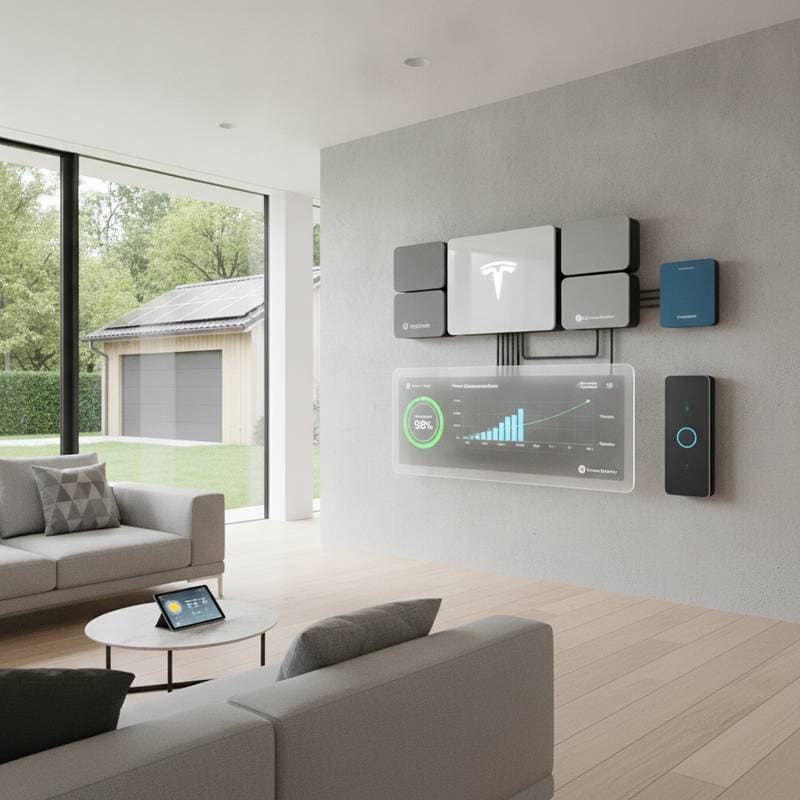
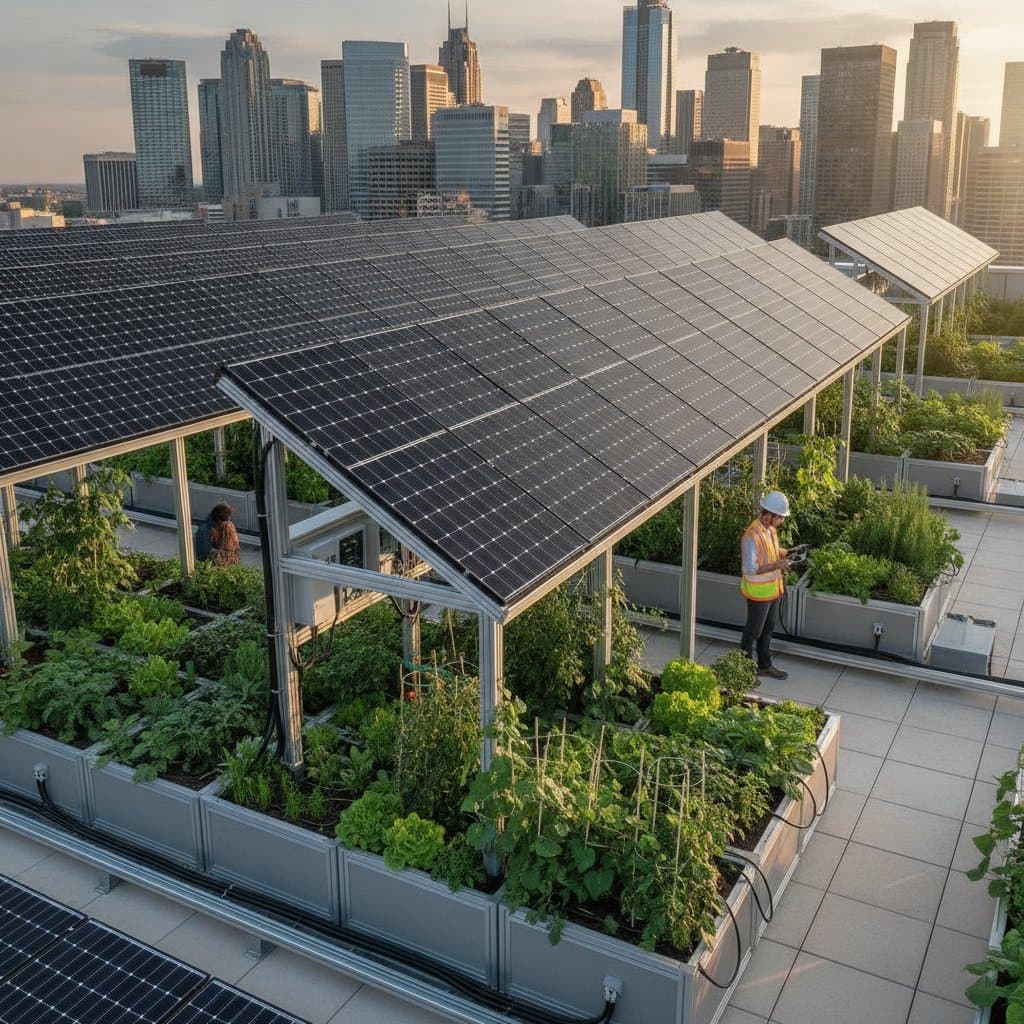
Integrate with Solar Panels: Connect the heat pump to solar photovoltaic systems for potentially net-zero energy bills, as the pump's steady operation complements solar's variable output.
Key Installation Considerations
Plan geothermal projects with a clear understanding of costs, timelines, and maintenance.
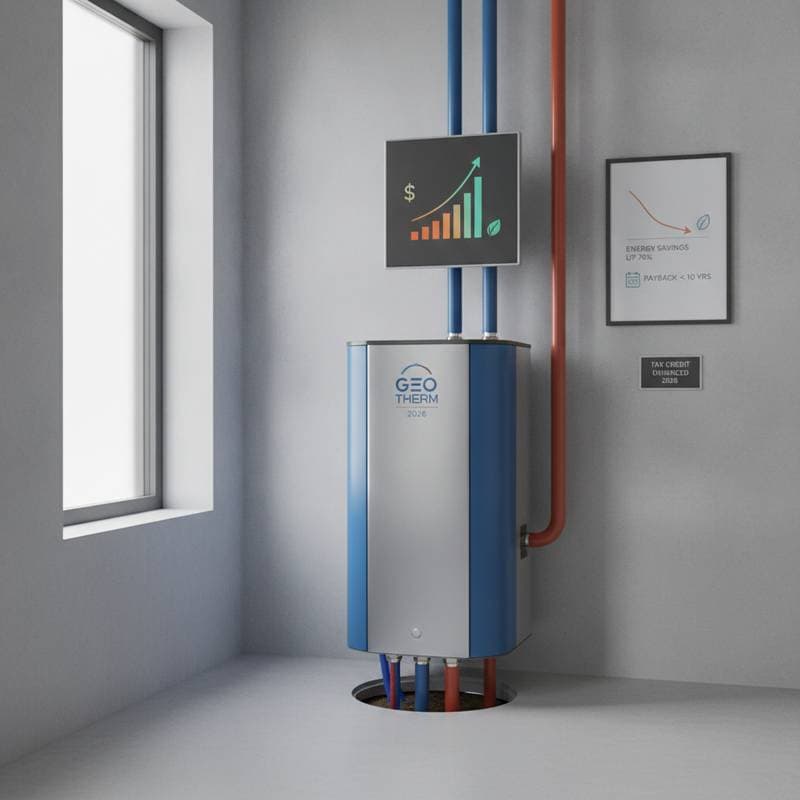
- Initial Costs: Residential systems range from $18,000 to $35,000, depending on size, loop configuration, and site conditions. While the upfront investment exceeds that of conventional HVAC, rebates and long-term savings often lead to payback within 5 to 10 years.
- Operating Costs: Annual heating and cooling expenses drop by 40 to 70 percent, with low maintenance thanks to the protected underground elements.
- Longevity: Ground loops last over 50 years, while indoor components operate reliably for 20 to 25 years.
- Timeline: Full installation typically takes two to three weeks, covering excavation, piping, and system hookup.
- Permits and Standards: Contractors handle necessary approvals for ground work, ensuring compliance with guidelines like LEED or ENERGY STAR.
Comfort and Environmental Gains
These systems provide even, gentle heating in winter and cooling in summer, without the hum of outdoor units. They improve indoor air quality by reducing the circulation of dust and allergens, which proves helpful for allergy sufferers. When combined with radiant floor heating, they distribute warmth uniformly without drying the air.
On the environmental front, ground source heat pumps reduce reliance on fossil fuels and lower individual carbon footprints. They ease pressure on the electrical grid by balancing load demands and fit into larger community efforts, such as shared loop systems in new developments.
Advice for Builders and Remodelers
Sustainable building practices now routinely include ground source heat pumps to reach net-zero goals and earn certifications that boost property desirability. Retrofitting has become easier with modular components and efficient tools.
Maria Lopez of EcoThermal Solutions observes, "We used to reserve geothermal for luxury projects, but now we're installing it in midrange homes every month. The technology has matured, and clients love the stability it brings."
Integrate these systems during early design phases to simplify utility layouts and site preparation. Present them to clients as protection against volatile energy prices, adding lasting value to properties.
Tailoring to Local Conditions
Geothermal performance adapts to regional differences. In northern areas, they deliver dependable heat during harsh winters; coastal regions benefit from efficient cooling without overburdening the grid; and moderate climates thrive with hybrid ground-air configurations.
Soil properties guide the setup: sandy soils work well with horizontal loops, while rocky terrain calls for vertical drilling. Experts consider factors like moisture content, heat transfer rates, and available space to create customized solutions.
Long-Term Value and Resilience
Geothermal systems build home resilience against power outages and price fluctuations, with fewer repairs and predictable costs. Owners consistently praise their dependable performance over years of use.
From a financial standpoint, these upgrades increase resale values by 5 to 10 percent, as buyers seek proven efficiency. Broader community benefits include reduced emissions and support for resilient infrastructure.
Moving Forward with Geothermal
Start by scheduling an energy audit to benchmark your current setup. Reach out to certified installers for on-site evaluations and detailed proposals; compare quotes from reputable sources to secure the best deal.
Research available rebates and tax credits through utilities or government programs, which can reduce costs by up to 40 percent. After installation, schedule maintenance every two years to keep efficiency at peak levels.
Frequently Asked Questions
What sets ground source heat pumps apart from air source models? Ground source versions exchange heat with buried loops in the earth for superior efficiency, unlike air source units that depend on fluctuating outdoor air temperatures.
Do geothermal systems work in every climate? Yes, they operate effectively nationwide, supplying heat in cold regions and cooling in hot ones, with modifications for specific local needs.
How can I access incentives? Review federal, state, and utility offerings; most require certified equipment and installation by qualified professionals.
What maintenance is involved? Simple tasks like annual filter replacements and occasional loop checks keep them running smoothly, demanding far less effort than conventional systems.