How Geothermal Systems Operate
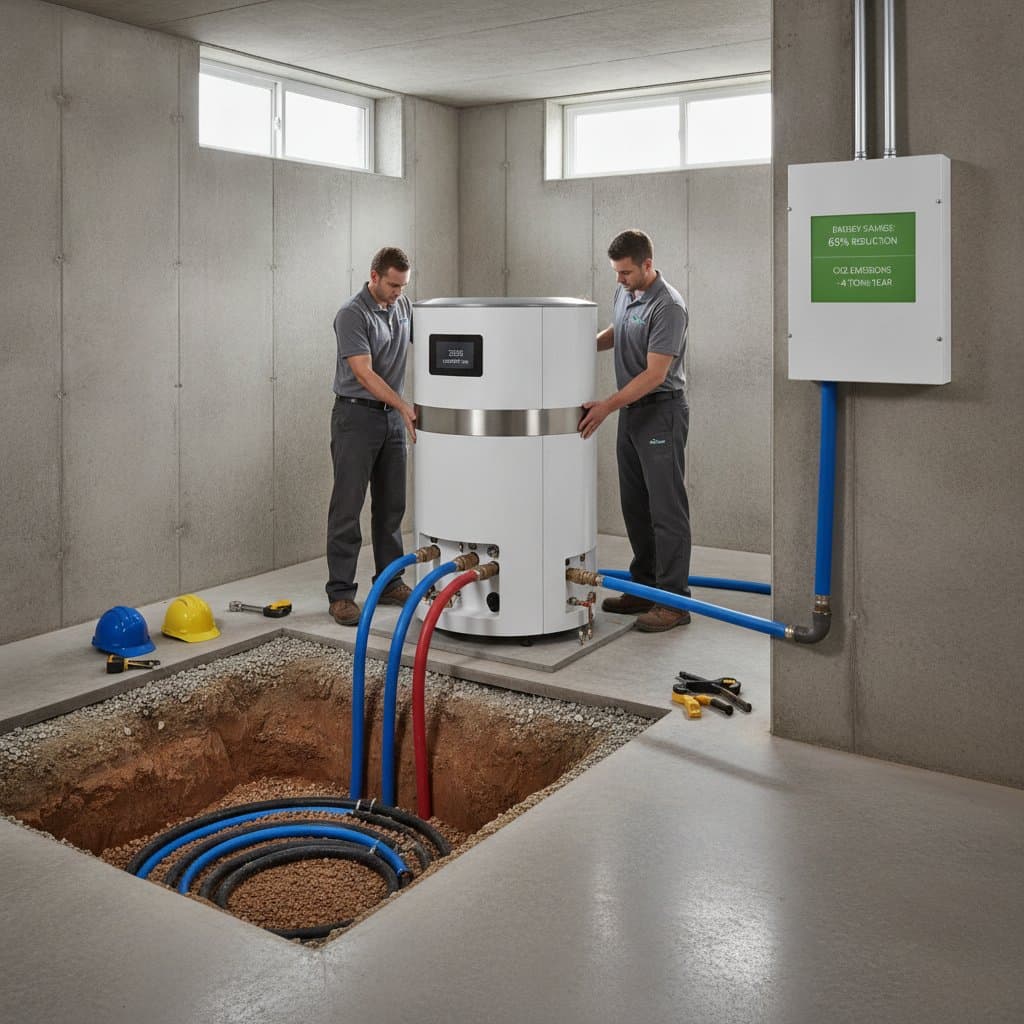
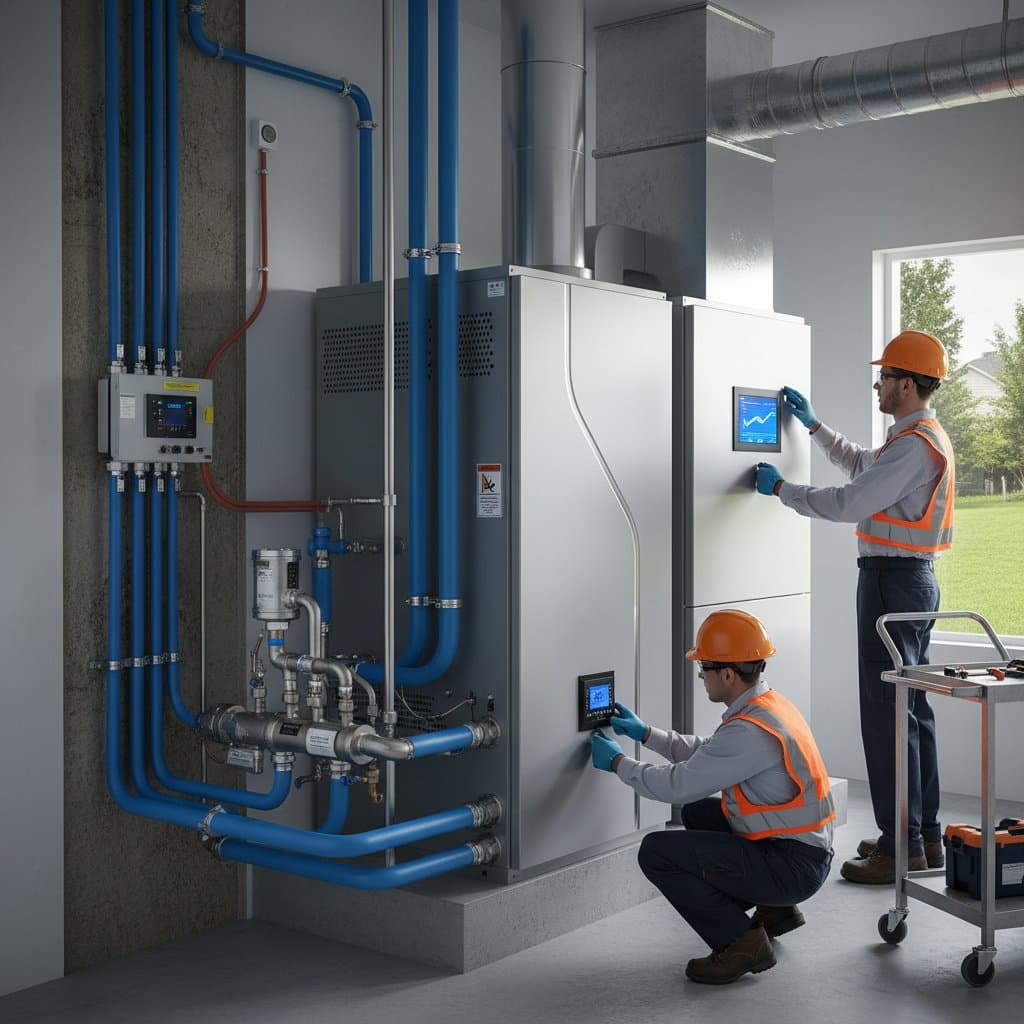
The process begins with the ground loop capturing thermal energy. The heat pump then amplifies this energy using electricity, achieving a coefficient of performance that often exceeds four, meaning it produces four units of heat for every unit of electricity consumed. This efficiency stems from leveraging the earth's natural heat reservoir rather than combating variable outdoor conditions.
In heating mode, the system extracts low-grade heat from the ground and upgrades it to warm indoor air. Cooling follows a similar reversal, dumping excess heat underground where it dissipates harmlessly. Over time, this closed-loop design maintains peak efficiency without the degradation associated with air-based systems.
Comparing Geothermal to Traditional HVAC Options
Geothermal systems stand out when evaluated against common alternatives. The following table summarizes key metrics for a typical 2,000-square-foot home in a moderate climate.
| System Type | Average Efficiency (COP) | Lifespan | Annual Energy Cost (Typical Home) | Maintenance Frequency |
|---|---|---|---|---|
| Geothermal Heat Pump | 3.5 to 5.0 | 25 to 50 years | $600 to $900 | Minimal |
| Air-Source Heat Pump | 2.0 to 3.0 | 12 to 15 years | $1,200 to $1,800 | Moderate |
| Natural Gas Furnace | 0.8 to 0.95 | 15 to 20 years | $1,000 to $2,000 | Moderate |
| Central Air Conditioner + Furnace | 0.75 to 0.9 | 12 to 18 years | $1,800 to $2,400 | High |
This comparison underscores geothermal's advantages in efficiency and longevity. Although initial installation costs range from $20,000 to $40,000, the lower operating expenses and extended durability offset this premium quickly.
Leveraging the 30 Percent Tax Credit for Rapid Payback
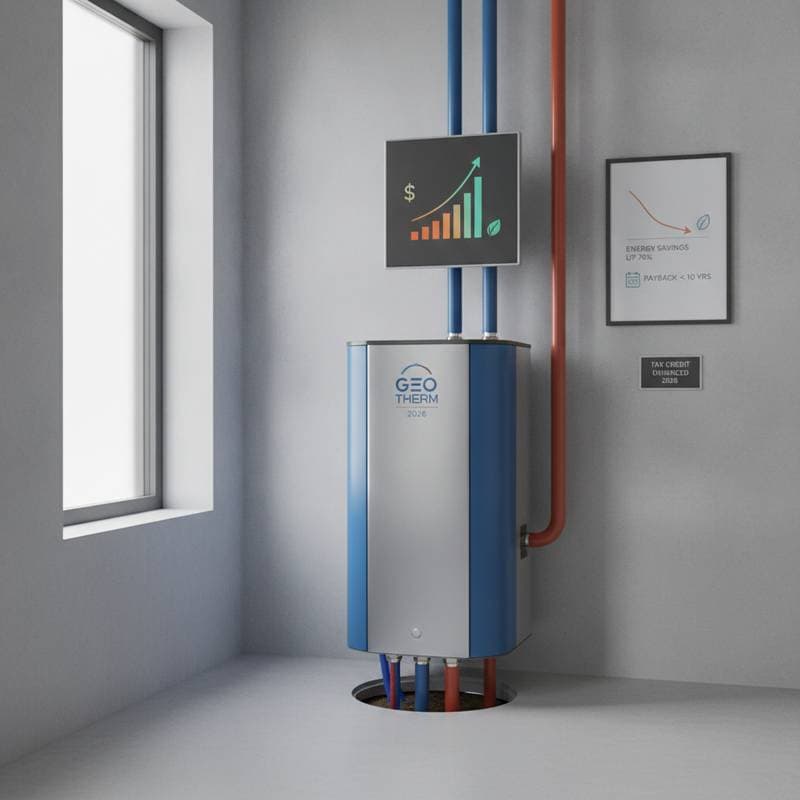
The federal tax credit, expanding to 30 percent in 2026 under the Inflation Reduction Act, applies to qualified geothermal heat pump installations. This non-refundable credit caps at $2,000 per year but covers a broad range of system costs, including labor and materials. Homeowners should consult IRS guidelines to confirm eligibility and retain receipts for filing.
With average energy savings of 40 to 70 percent, a geothermal system can recoup its net cost in as little as five years. For instance, a $30,000 installation reduced by a $9,000 credit leaves $21,000 to recover. At $1,200 annual savings compared to a traditional setup, payback arrives swiftly, followed by decades of net gains.
To maximize returns, pair the system with home energy audits to identify insulation upgrades. These enhancements amplify efficiency, potentially qualifying for additional rebates through state programs. Professional installers certified by the International Ground Source Heat Pump Association ensure compliance and optimal performance.
Securing Energy Savings and Home Resilience
Investing in geothermal HVAC now positions homeowners for financial and environmental advantages. The technology reduces reliance on fossil fuels, cutting household carbon emissions by up to 70 percent. It also shields against fluctuating utility rates, providing predictable budgeting.
Beyond economics, these systems enhance indoor air quality by minimizing pollutant circulation and humidity issues. They contribute to property value increases, with energy-efficient homes selling faster and at premiums of 3 to 5 percent. As incentives like the 2026 tax credit phase in, early adopters secure the best opportunities for modernization.
Communities benefit collectively from widespread adoption, easing grid strain during peak demand. Homeowners play a direct role in this shift toward sustainable living, enjoying reliable comfort without compromising the planet's resources.