Mycelium Insulation: Transforming Eco-Homes by 2026
Home innovations frequently highlight devices such as smart thermostats or solar panels. Yet, real advancements happen in the building's core structure. Mycelium insulation, sourced from fungal networks, offers a natural alternative to foam and fiberglass. It provides environmental sustainability, financial advantages, and reliable durability, establishing it as a key element in future eco-residences.
Core Benefits
Mycelium insulation lowers heating and cooling costs by up to 25 percent through superior thermal performance. The product breaks down naturally, poses no toxicity risks, and incorporates agricultural waste during manufacturing. Its R-value, a measure of heat resistance, equals or surpasses that of many standard insulators. Manufacturing this material uses 90 percent less energy than synthetic counterparts. Builders incorporate it more often in both homes and commercial spaces.
How Mycelium Insulation Works
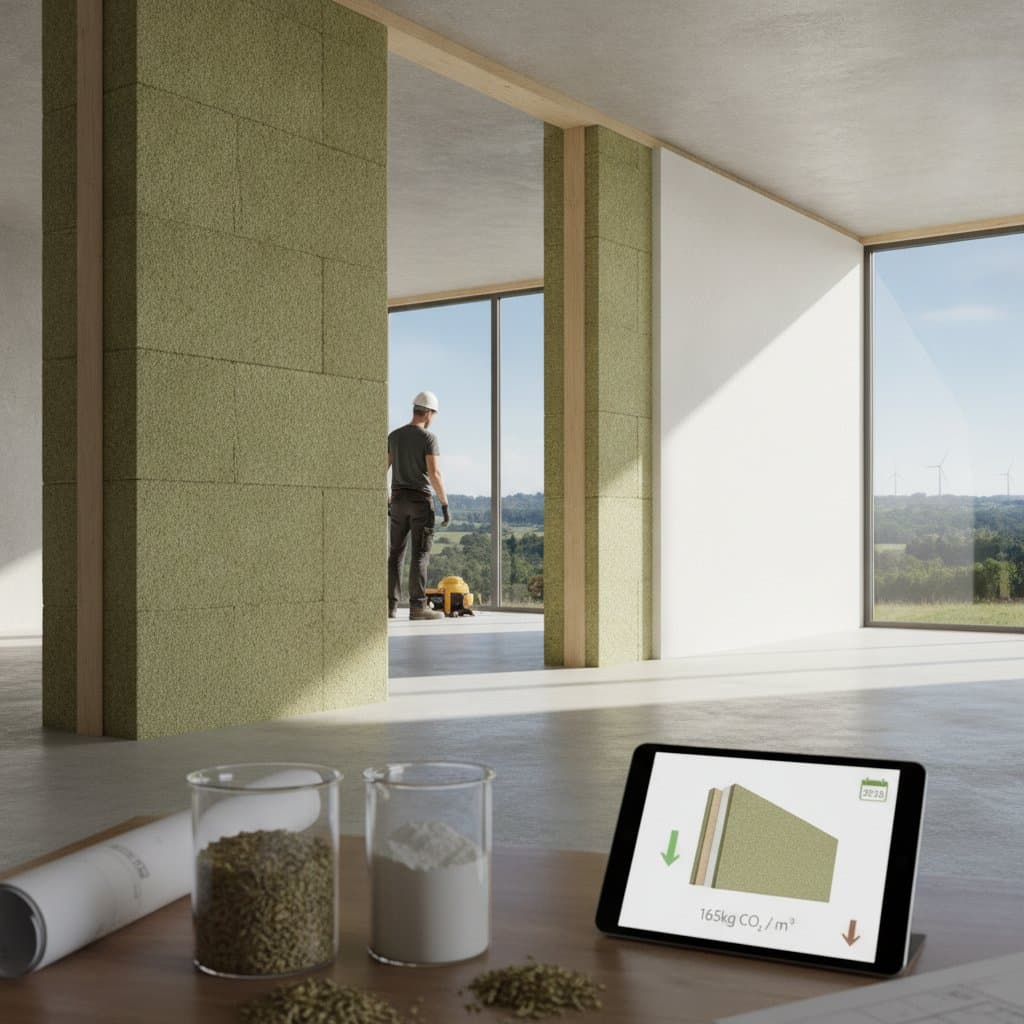
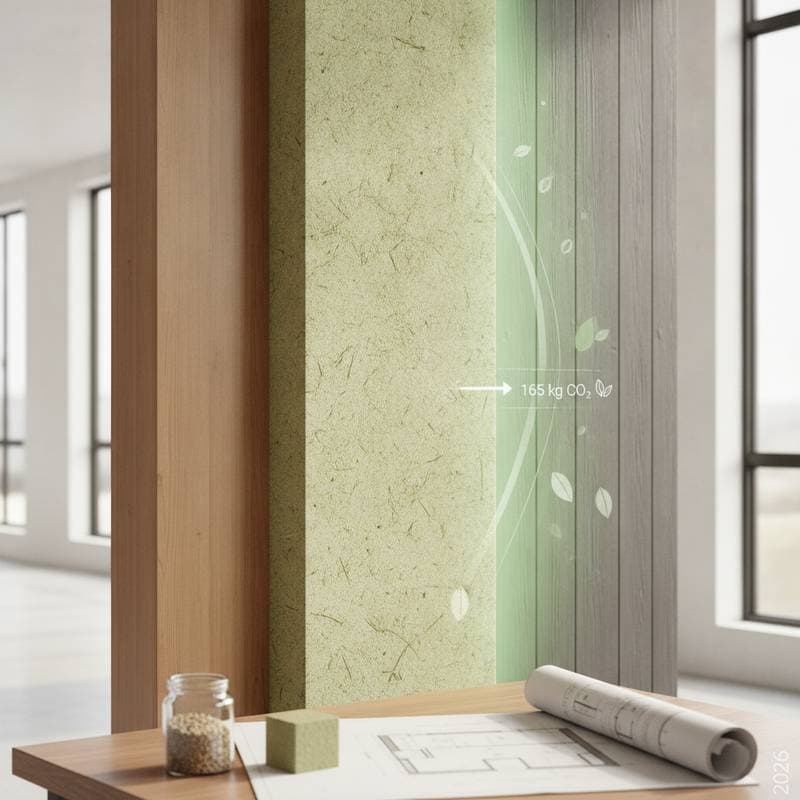
Mycelium insulation comes from the thread-like roots of fungi. Producers mix these roots with crop leftovers like corn stalks or hemp fibers to form a solid, foam-like material. The blend expands into custom forms inside molds, and once dried, it becomes a light, fire-resistant, and sturdy panel.
Research from sustainable building groups confirms its strong ability to trap heat. Mycelium panels achieve R-values similar to mineral wool or cellulose options. Unlike synthetic materials that release microplastics or harmful chemicals, this natural choice improves indoor air quality without any emissions.
Manufacturing Steps
The process begins by adding fungal spores to plant-based waste. In a few days, the mycelium spreads through the material, binding it into a solid form. A heating step stops growth and strengthens the final product. The result includes firm blocks or sheets that replace foam boards or sprays in walls, roofs, and floors.
This method reduces harm to the environment in production. Plants need basic equipment and can use nearby waste, which cuts down on shipping distances and related pollution.
Environmental and Financial Gains
Standard insulation depends on oil-based methods that demand high energy and release climate-warming gases. Mycelium insulation avoids these problems by developing through natural growth. It reuses farm byproducts, saves natural resources, and keeps waste out of dumps.
Side-by-Side Environmental Comparison
| Aspect | Mycelium Insulation | Traditional Insulation |
|---|---|---|
| Energy for Production | Minimal | Substantial |
| Breakdown Potential | Completely compostable | Does not decompose |
| Chemical Releases | Zero | Medium to high |
| Fire Safety | Inherent resistance | Needs added chemicals |
On the financial side, upfront prices might run slightly higher than basic materials. Savings build over time from lower energy bills and less upkeep. Better air quality in homes reduces health-related costs. Experts forecast an 18 percent return on the investment in the first few years, based on energy cuts and long life.
Disposal at the end of a structure's use also saves money. Mycelium components break down on their own, avoiding fees for disposing non-degradable waste in landfills.
Real-World Uses and Future Outlook
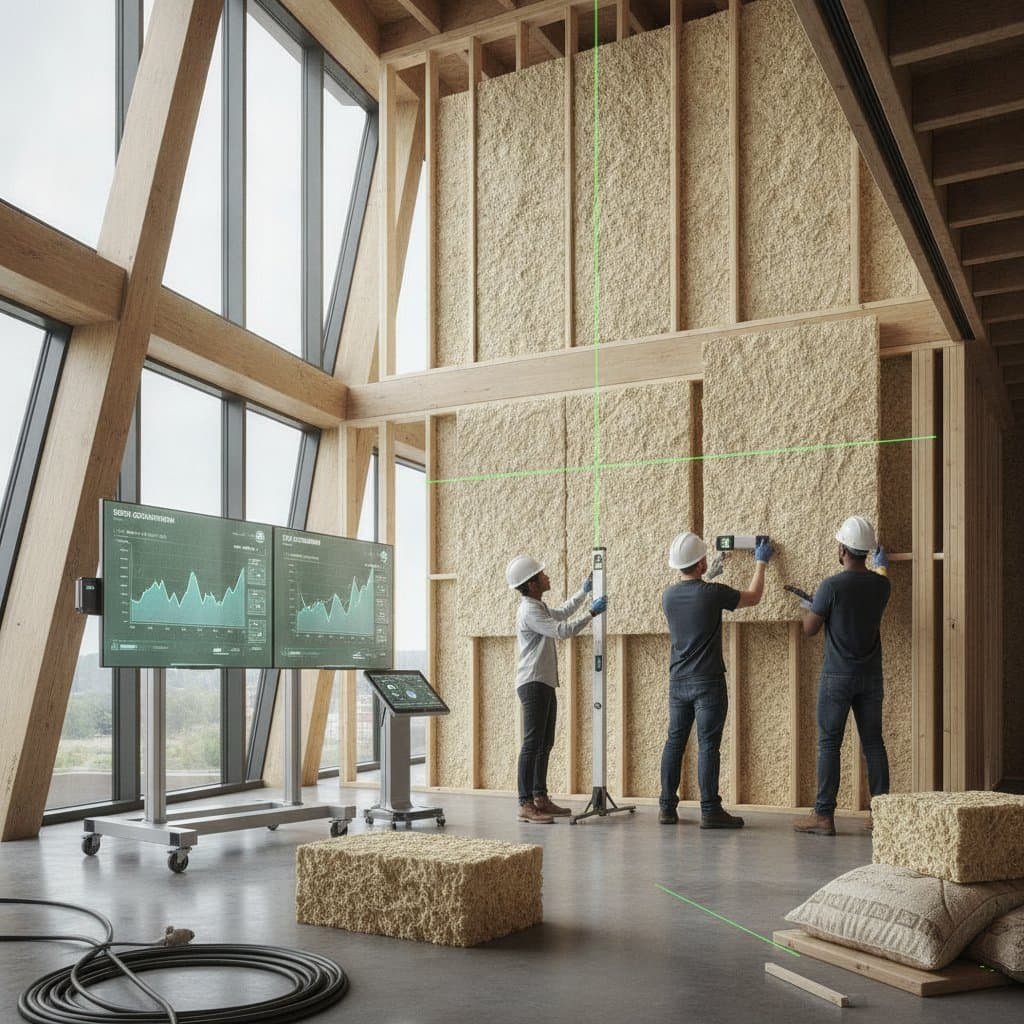
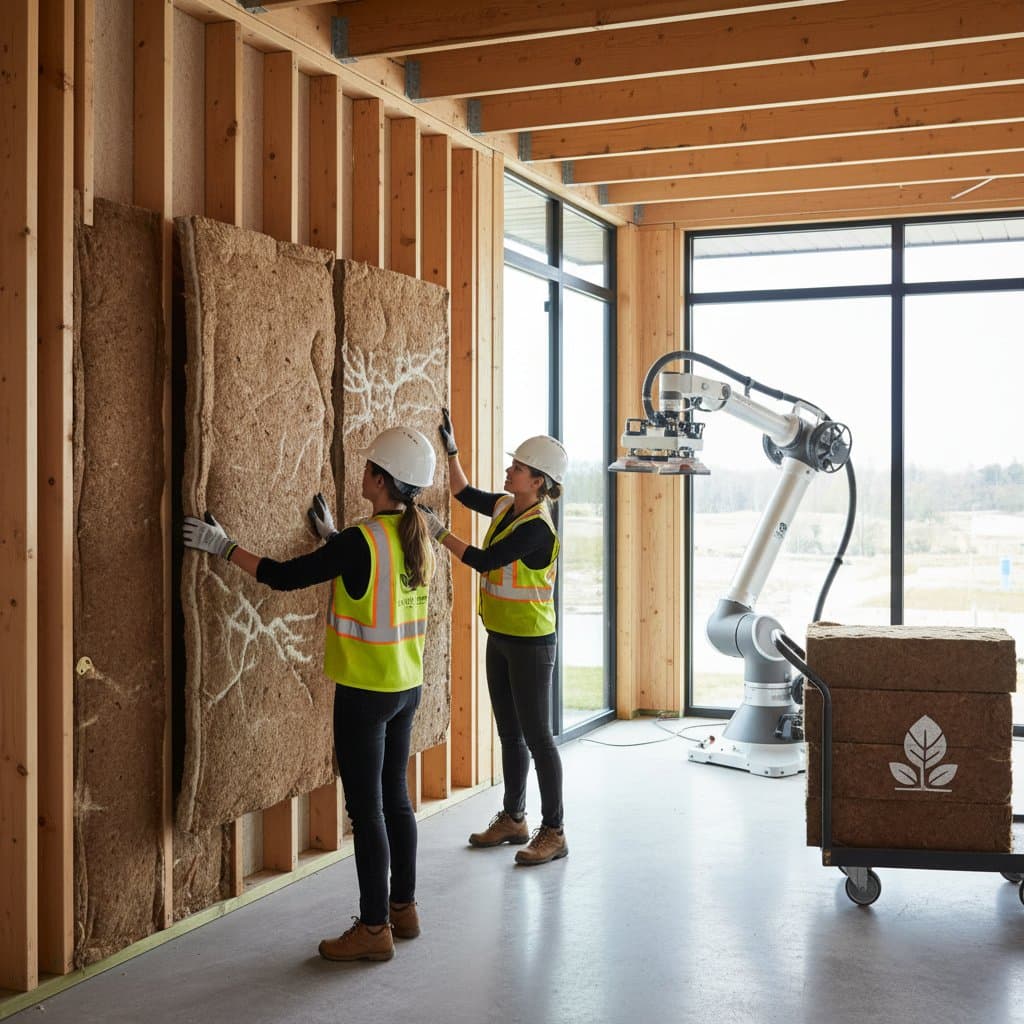
Designers already use mycelium insulation in test houses, labs, and green projects. Its flexibility lets it shape into wall sections, roof tiles, or noise-reducing parts. The light weight eases shipping and setup, cutting worker time by up to 20 percent with standard tools.
In homes, people add it to update old buildings or include it in fresh constructions for top energy results. Businesses apply it in office upgrades for both heat control and sound dampening. Examples from eco-communities show full installations leading to 20 to 25 percent less energy use across seasons.
Growth in production will speed up its reach. New factories plan to serve large areas, matching rules that favor low-emission products. By 2026, experts expect it to become common, backed by approvals from construction authorities. This change supports worldwide eco-targets and opens high-quality green building to various income levels.
Incorporating Mycelium Insulation into Your Project
For remodels or new builds, mycelium insulation offers a clear path to better performance and less environmental strain. Start by finding local providers of plant-based building supplies. Check choices for R-values from 3.5 to 4.5 per inch, plus how they handle moisture and cost per square foot.
Talk with architects experienced in natural materials to check fit with your setup. In planning, estimate savings with your area's utility prices; a typical house in a mild region could recover costs from lower bills in fewer than five years.
Choosing this insulation goes further than short-term wins. It creates strong, flexible living spaces that meet rising green rules. Those who select it help forward-thinking farming and cut reliance on fossil fuels, contributing to larger global improvements.