Key Points
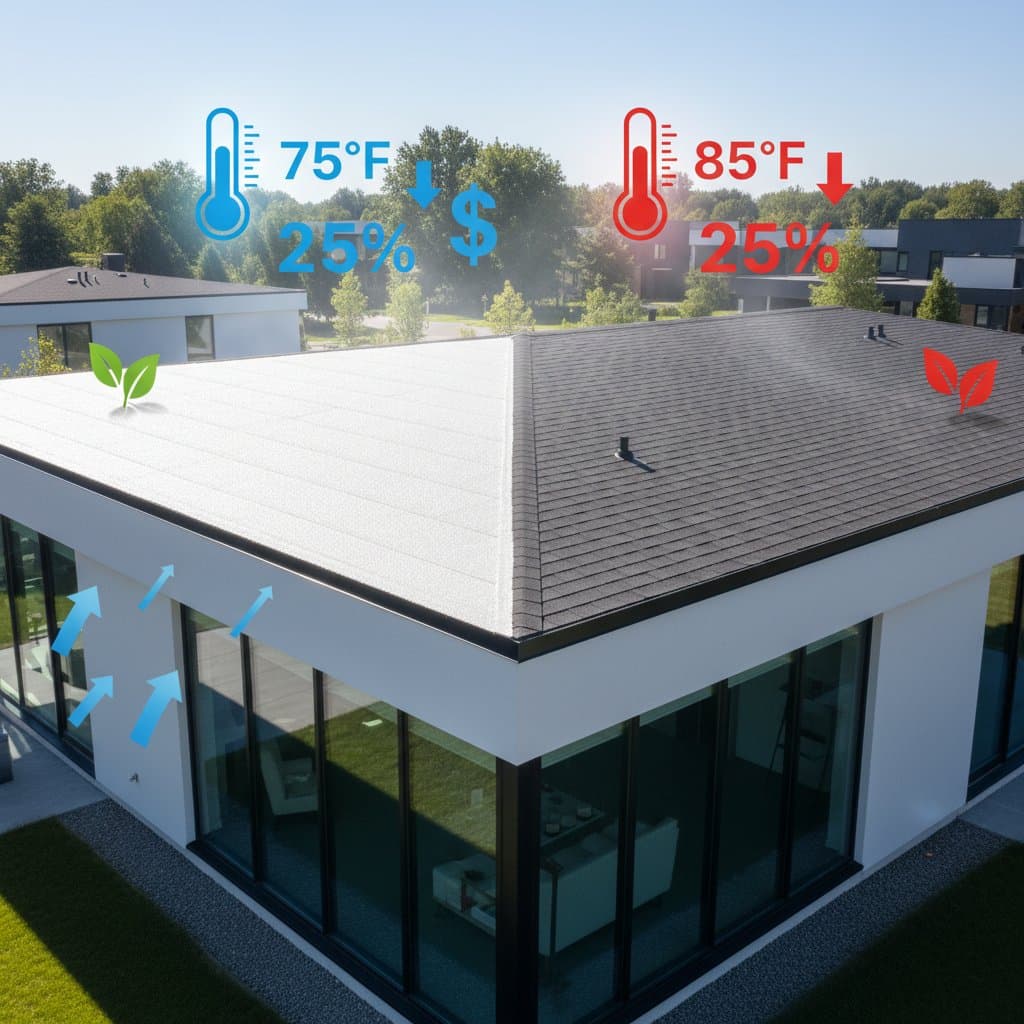
- Cool roofs reflect sunlight to minimize heat absorption, lowering indoor temperatures by up to 10 degrees Fahrenheit.
- Homeowners can achieve about 25 percent savings on air conditioning costs with reflective roofing materials.
- These roofs extend the lifespan of roofing materials, reduce heat-related wear, and help mitigate the urban heat island effect for greater community comfort.
- Installation costs vary, but energy savings and lower maintenance often lead to payback within three to five years.
The Heat Trap on Your Roof
Picture the discomfort of stepping barefoot onto a sun-heated driveway on a hot afternoon. Your roof faces a comparable challenge every day under direct sunlight. Traditional dark roofs absorb most solar energy, turning the attic into a hot space that overworks air conditioners and drives up electricity use. Cool roofs counteract this by reflecting sunlight, similar to choosing a light-colored plate over a dark one to keep food cooler longer.
The Growing Importance of Cool Roofs
Cool roofs offer more than simple cooling; they improve overall home efficiency. These roofs use materials that bounce back a high percentage of solar radiation, reducing heat flow into the home. In strong sunlight, a standard dark roof can reach 150 to 190 degrees Fahrenheit, while a cool roof stays between 100 and 120 degrees. This difference lightens the load on cooling systems and cuts utility bills.
Savings on air conditioning often range from 15 to 25 percent for typical homes, with higher reductions in areas of extended summer heat. Environmentally, cool roofs lower carbon emissions by cutting energy needs and help cool local air temperatures. When many homes adopt them, neighborhoods experience noticeable relief from overall warmth.
Essential Factors in Selecting a Cool Roof
Choose a cool roof by considering how well it reflects heat, how it fits your home's look, and your budget. Key types include:
- Reflective Coatings: These go over current roofs and use acrylic or silicone to increase solar reflection at a low cost.
- Single-Ply Membranes: Ideal for flat or low-slope roofs, materials like TPO or PVC offer strong reflection and durability.
- Reflective Shingles or Tiles: Designed for sloped roofs, they include reflective granules while matching traditional appearances.
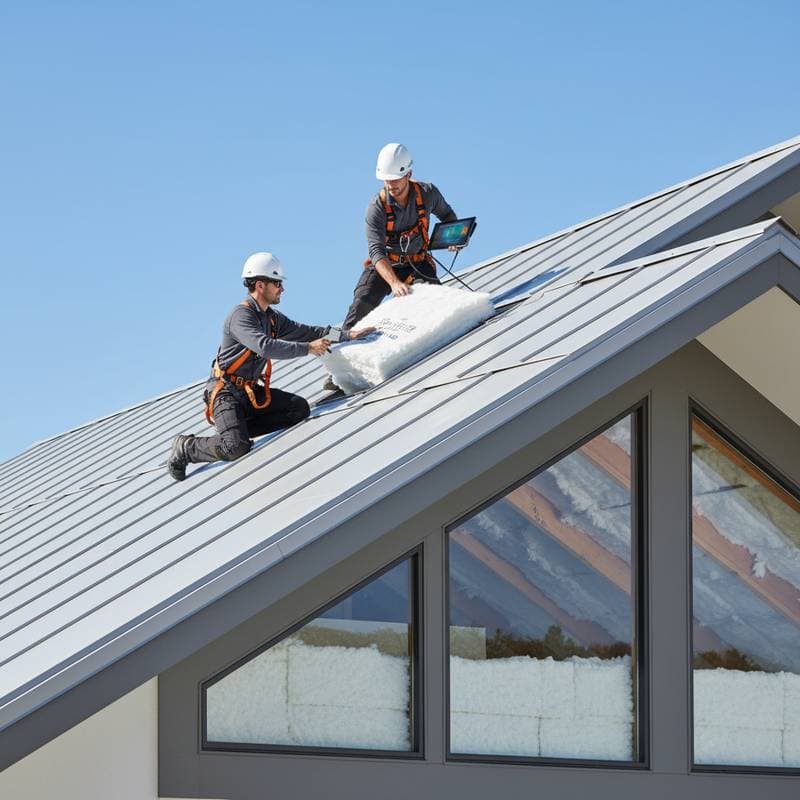
- Metal Roofs with Reflective Coatings: These work for modern or classic styles, providing long-lasting heat control and strength.
Maintenance depends on the choice. Coatings may need reapplication every five to ten years, but membranes and metal roofs last decades with less frequent care, though they cost more initially.
Analyzing Costs and Return on Investment
Installation costs depend on materials and labor, ranging from simple upgrades to full replacements. Reflective coatings run two to four dollars per square foot, while new reflective roofs cost eight to twelve dollars per square foot.
Homeowners recover these costs in three to seven years through lower electricity bills, extended HVAC life, and slower roof degradation. Energy-efficient roofs also increase home value, as buyers seek features that reduce ongoing expenses.
Sample Return on Investment Overview
- Modest Home Upgrade: A 2,000 to 4,000 dollar investment saves 300 to 500 dollars yearly on energy.
- Average-Sized Roof Replacement: Spending 8,000 to 12,000 dollars leads to 600 to 1,000 dollars in annual savings.
- Extensive Home or Commercial Project: Projects over 15,000 dollars pay back faster in hot climates or high-energy-cost areas.
Influences on Design and Effectiveness
Effectiveness relies on solar reflectance, which shows how much sunlight the roof repels, and thermal emittance, which measures heat release. Look for products certified by ENERGY STAR or the Cool Roof Rating Council to meet high standards.
Color plays a role in performance. White roofs reflect the most, but new pigments allow effective options in light grays, beiges, or soft earth tones. This balance keeps your home attractive while improving comfort inside.
Broader Sustainability and Performance Benefits
Cool roofs strengthen roof structure by limiting heat exposure, which reduces cycles of expansion and contraction. They combat urban heat islands, where built-up heat raises temperatures in cities even at night.
Pair them with good insulation and ventilation for a full strategy that improves air quality, manages moisture, and ensures comfort all year. For sustainable living, these roofs aid green building certifications by cutting energy use and supporting eco-practices.
Frequently Asked Questions
What maintenance is required for a cool roof?
Clean the surface regularly to remove dirt, dust, or pollen that reduces reflection. Inspect coatings and seals periodically to maintain performance.
How do cool roofs perform in different climates?
They work best in sunny, warm areas but benefit any location with notable sun exposure. In cooler regions, focus shifts to savings during hot spells.
Can cool roofs be installed over existing ones?
Yes, coatings or matching membranes often apply directly if the base roof is stable. Consult a professional to confirm fit and safety.
Achieving Lasting Comfort Through Smart Roofing
A cool roof investment brings better living conditions and environmental gains. It reduces bills, protects the roof, and cools the community. For meaningful home improvements, reflective roofing offers reliable, long-term efficiency.