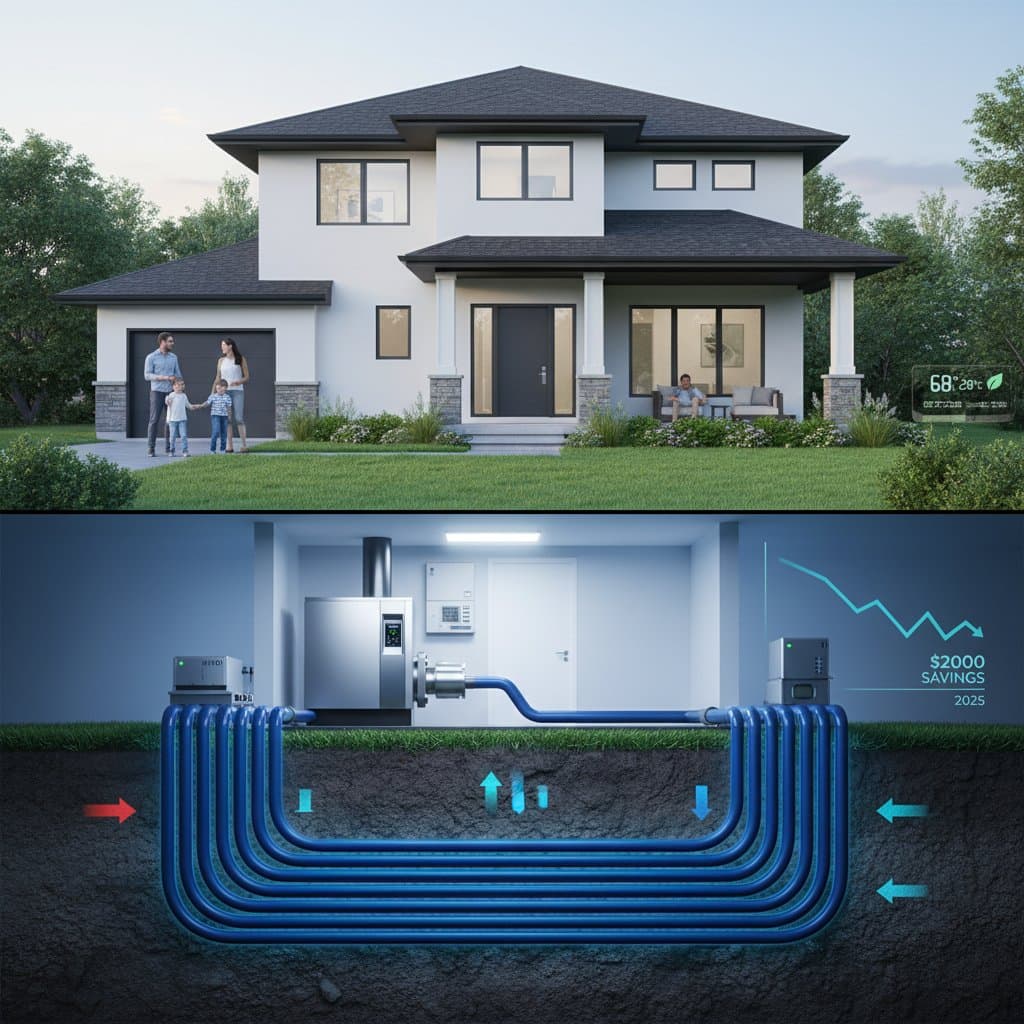
Understanding Geothermal HVAC Systems
Geothermal heating and cooling systems draw on the earth's stable subsurface temperatures to maintain home comfort efficiently. These ground-source heat pumps operate by transferring heat rather than generating it, which leads to significant reductions in energy consumption. Homeowners often achieve savings of 40 to 70 percent on heating and 30 to 50 percent on cooling when compared to traditional systems.
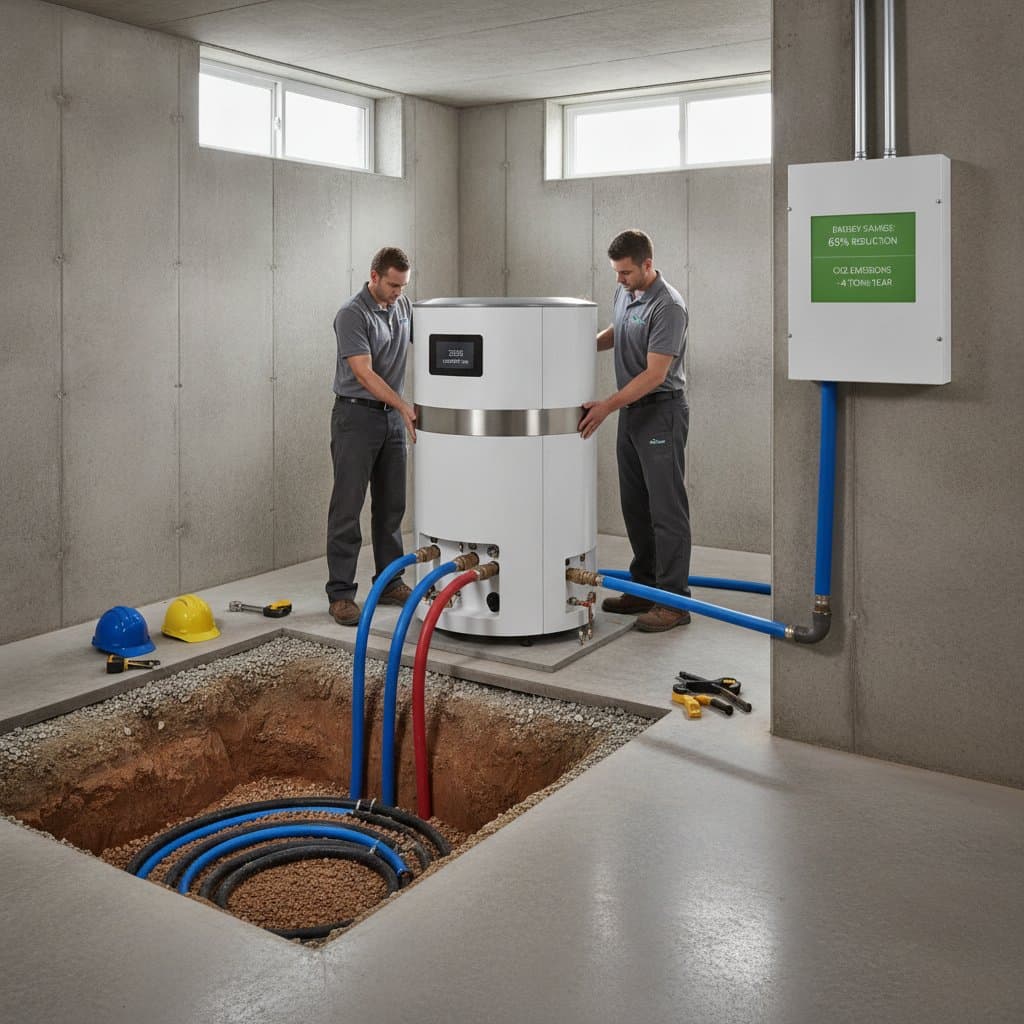
The technology relies on underground loops filled with fluid that absorb or release heat from the soil. In winter, the system extracts warmth from the ground to heat the home; in summer, it dissipates excess indoor heat back into the earth. This closed-loop process minimizes energy waste and environmental impact while delivering consistent performance.
Benefits of Geothermal Technology
Geothermal systems stand out for their efficiency and longevity compared to conventional HVAC options. Traditional units consume fuel or electricity to produce heat, leading to higher operational costs and faster equipment degradation. In contrast, ground-source heat pumps use minimal electricity solely for circulation, resulting in lower utility bills and reduced carbon emissions.
Over a system's lifespan, which often exceeds 50 years for underground components and 25 years for indoor units, the cumulative savings become substantial. These systems require less frequent repairs and operate more quietly than air-based alternatives. For homeowners in regions with variable climates, geothermal technology offers a reliable path to energy independence and sustainability.
Essential Planning Factors
Successful geothermal installation begins with a thorough assessment of site-specific conditions. Soil type plays a critical role, as sandy or water-saturated soils conduct heat more effectively than dense clay or rocky terrain. Professional evaluations also consider groundwater presence and local regulations to avoid complications during excavation.
System configurations vary to suit different properties. Closed-loop designs, which recirculate fluid through buried pipes, suit most residential applications and prevent contamination risks. Open-loop systems, which use well water, may prove more efficient in areas with abundant groundwater but demand careful water quality testing.
Space allocation influences the loop layout. Horizontal loops spread across larger yard areas at shallow depths, ideal for spacious lots. Vertical loops drill deeper boreholes, conserving surface space while accessing more stable temperatures, which benefits urban or compact properties.
Integration with existing electrical infrastructure requires expert oversight. Electricians ensure the heat pump connects seamlessly to the home's power supply without overloading circuits. Collaboration with certified contractors during this phase optimizes overall system performance and compliance with building codes.
Financial Analysis and Return on Investment
Initial costs for a residential geothermal system range from $18,000 to $35,000, influenced by system capacity, site preparation needs, and loop configuration. This upfront expense exceeds that of standard HVAC replacements, yet multiple factors accelerate financial recovery.
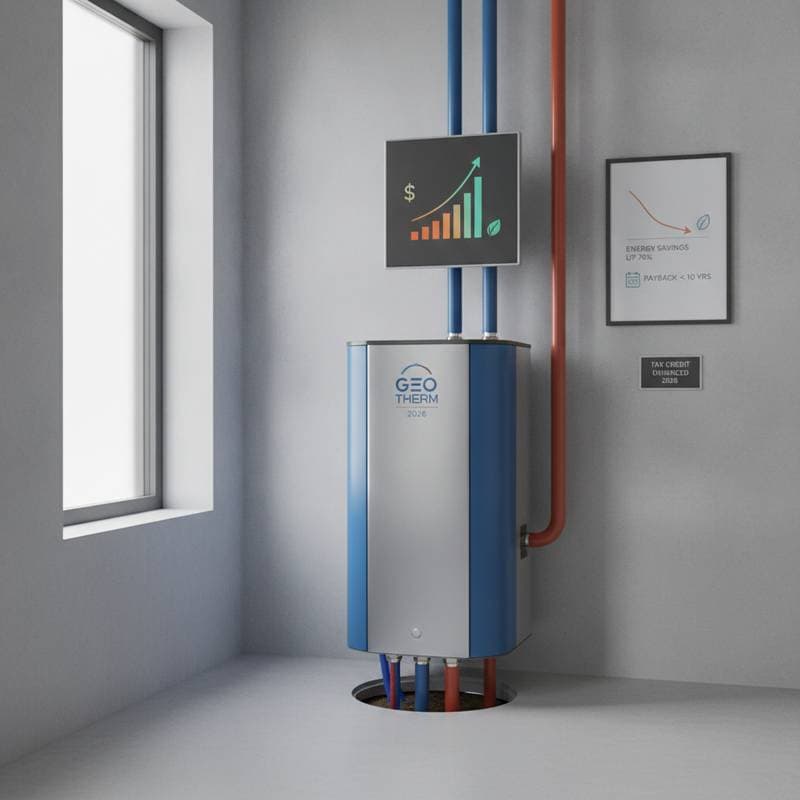
Annual energy savings typically fall between $1,500 and $2,500, depending on local utility rates and home size. Federal tax credits, such as the 30 percent investment tax credit available through 2025, along with state rebates and utility incentives, can offset 40 to 60 percent of installation expenses. Low-interest loans further ease the burden for qualified applicants.
The return on investment materializes within 5 to 10 years for most households. After payback, the system generates net gains through continued efficiency and minimal upkeep costs. When evaluated against alternatives like solar installations, geothermal often yields superior lifetime value due to its dual heating and cooling capabilities.
Optimizing System Performance
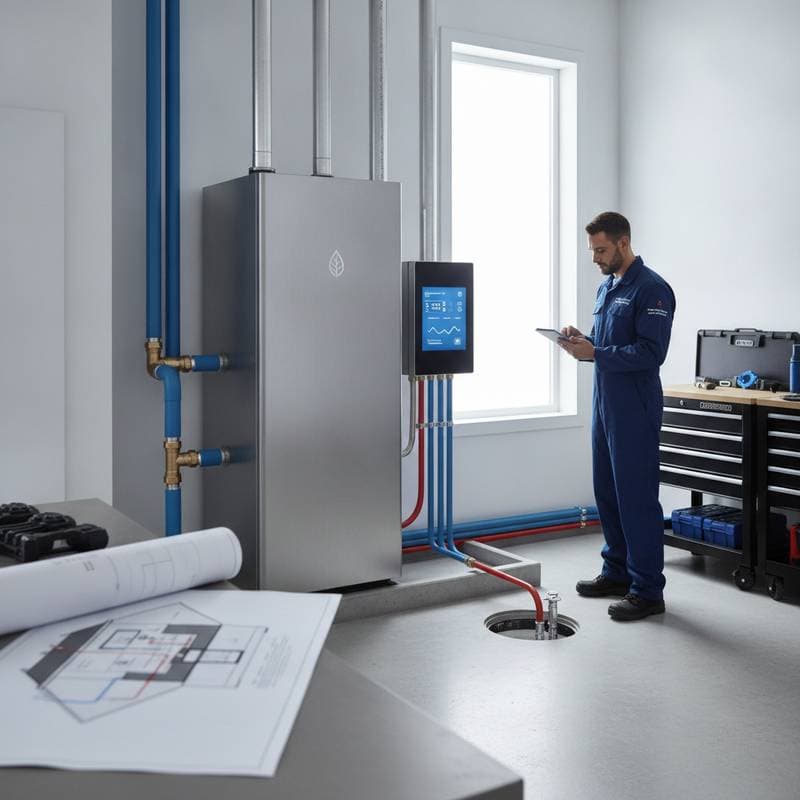
Proper sizing ensures the heat pump matches the home's heating and cooling demands without excess capacity. Engineers calculate load requirements based on square footage, insulation levels, and climate zone to prevent inefficiencies from oversized or undersized units.
Enhancing the building envelope amplifies geothermal benefits. Adding insulation to walls, attics, and floors reduces heat loss, while sealing air leaks around windows and doors minimizes energy escape. Upgrading to high-efficiency ductwork further streamlines air distribution.
Smart technology integration allows precise control. Zoning systems divide the home into temperature-controlled areas, while programmable thermostats adjust settings based on occupancy patterns. These features prevent unnecessary operation and fine-tune comfort levels.
Routine maintenance sustains peak efficiency. Schedule annual professional inspections to check refrigerant levels and loop integrity, and replace air filters every three months. Such practices extend equipment life and maintain the projected 65 percent energy reduction.
Common Questions About Geothermal Systems
Do geothermal systems function effectively in cold climates?
Ground temperatures remain above freezing at typical installation depths, enabling consistent heat extraction even during harsh winters. Performance data from northern regions confirm reliable operation without supplemental heating in most cases.
Does installation disrupt landscaping?
Contractors employ techniques to limit surface disturbance, such as phased digging and temporary protective measures. Post-installation, sites restore quickly, with buried loops invisible beneath restored turf or gardens.
Are geothermal systems compatible with existing homes?
Yes, retrofits work well in many structures, particularly those with basements or accessible yards. Assessments determine feasibility, and modular designs adapt to varied architectural layouts.
Achieving Sustainable Home Comfort
Adopting a geothermal HVAC system transforms energy use from a recurring expense into a strategic asset. Homeowners gain not only substantial bill reductions but also enhanced indoor air quality and reduced reliance on fossil fuels. Consult local experts to explore options tailored to your property and start reaping the rewards of earth's natural efficiency today.