Key Points
- Geothermal cooling utilizes consistent underground temperatures for year-round home comfort, reducing energy costs significantly.
- Initial installation expenses exceed those of conventional systems, yet savings often offset more than half of typical air conditioning expenditures over time.
- Advancements in controls, compact loop configurations, and drilling methods enhance accessibility for residential properties.
- These systems endure for decades with low maintenance, providing superior efficiency, silent performance, and ecological advantages.
Understanding the Challenge of Traditional Cooling
Traditional air conditioners strain under peak summer heat, driving up electricity use and utility bills. Homeowners often face surging costs as compressors labor against rising outdoor temperatures. Geothermal cooling offers a reliable solution by drawing on the earth's stable subsurface conditions to maintain indoor comfort with far less energy.
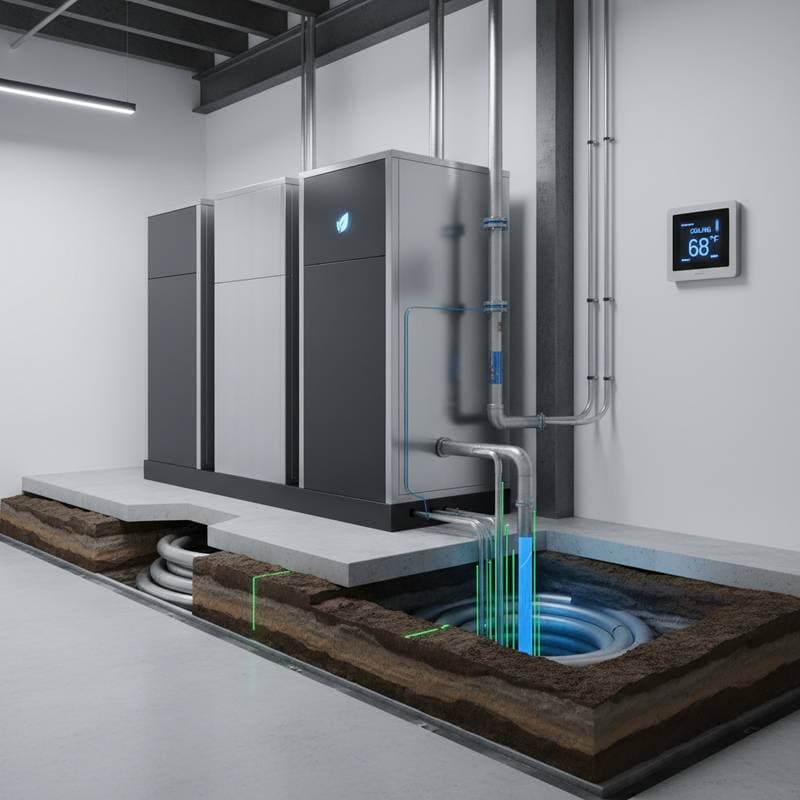
This technology functions through buried pipe networks filled with a heat-transfer fluid. During cooling mode, the system moves excess indoor heat into the ground, where it dissipates efficiently. Unlike conventional units that exhaust heat into the hot air outside, geothermal approaches avoid this inefficiency, resulting in consistent performance.
Financial and Environmental Benefits
Air conditioning typically consumes a substantial share of household energy, especially in warmer climates. Standard systems suffer efficiency losses on the hottest days due to variable outdoor conditions. Geothermal setups achieve efficiencies two to four times greater, operating with reduced electricity input.
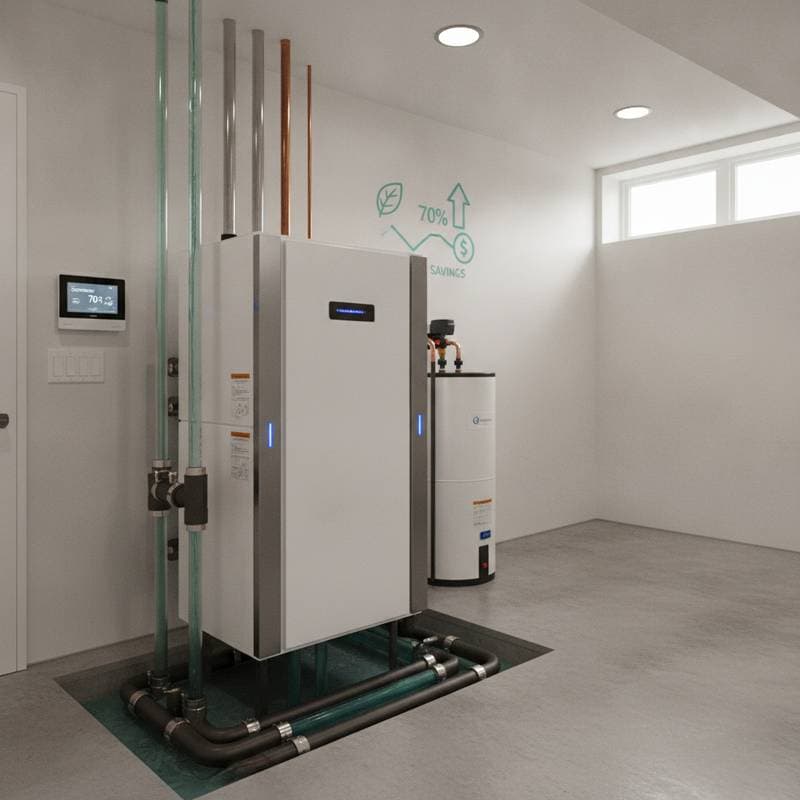
Installation costs range from $15,000 to $40,000, influenced by system scale and site specifics. Homeowners commonly realize 30 to 70 percent reductions in cooling expenses, with payback periods of five to ten years. Beyond savings, these systems demand less maintenance and feature durable components, enhancing long-term value.
Environmentally, geothermal cooling lowers greenhouse gas outputs by decreasing reliance on high-energy appliances. It supports seasonal versatility, including heating, and strengthens home resilience against energy price volatility. Properties equipped with such systems often command higher resale values due to their efficiency credentials.
Essential System Types and Site Evaluation
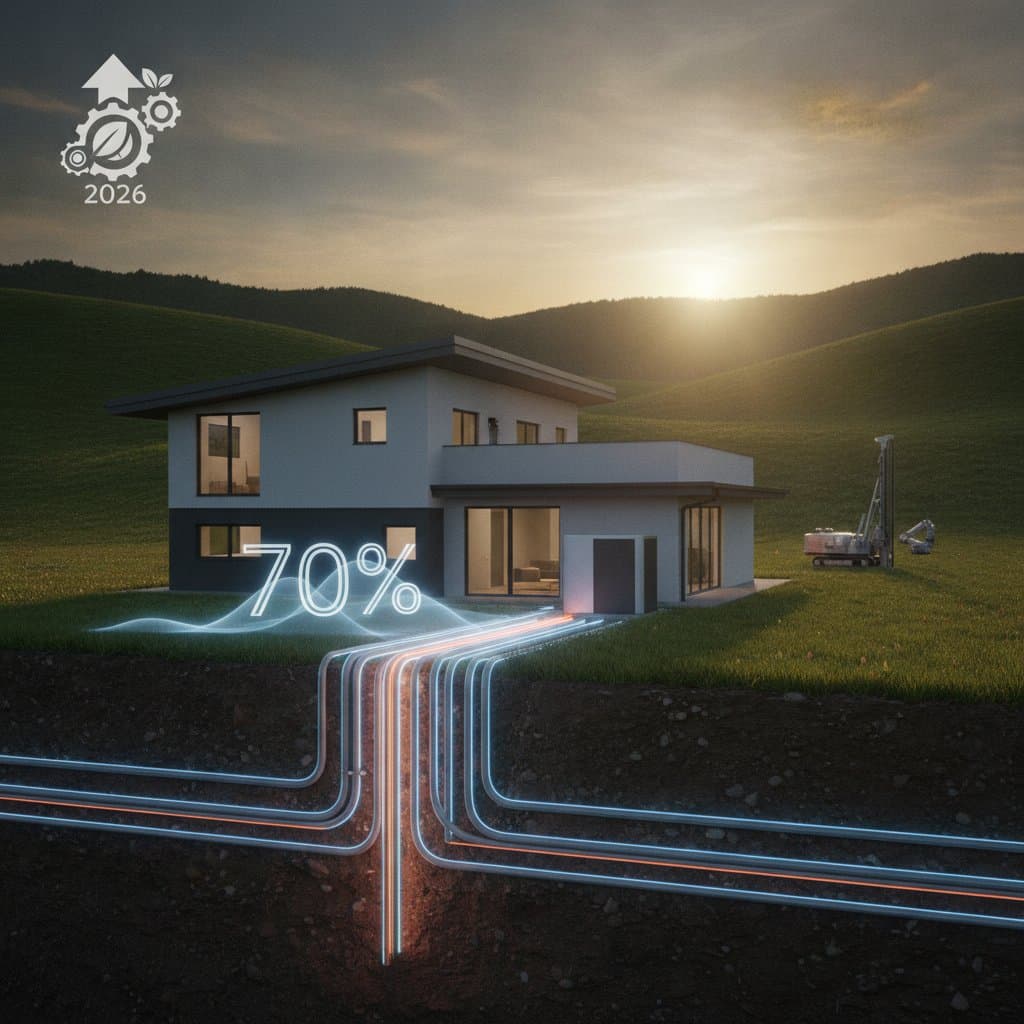
Geothermal installations vary to suit different properties. Closed-loop horizontal systems involve shallow trenches for pipe placement, best for expansive lots. Vertical closed-loop designs use deep wells, accommodating compact urban sites with minimal surface disruption.
Pond or lake loops submerge pipes in nearby water bodies, simplifying setup where excavation proves challenging. Open-loop systems draw from groundwater sources, though they require regulatory approval and sufficient aquifer access. Each type balances space, cost, and performance based on local conditions.
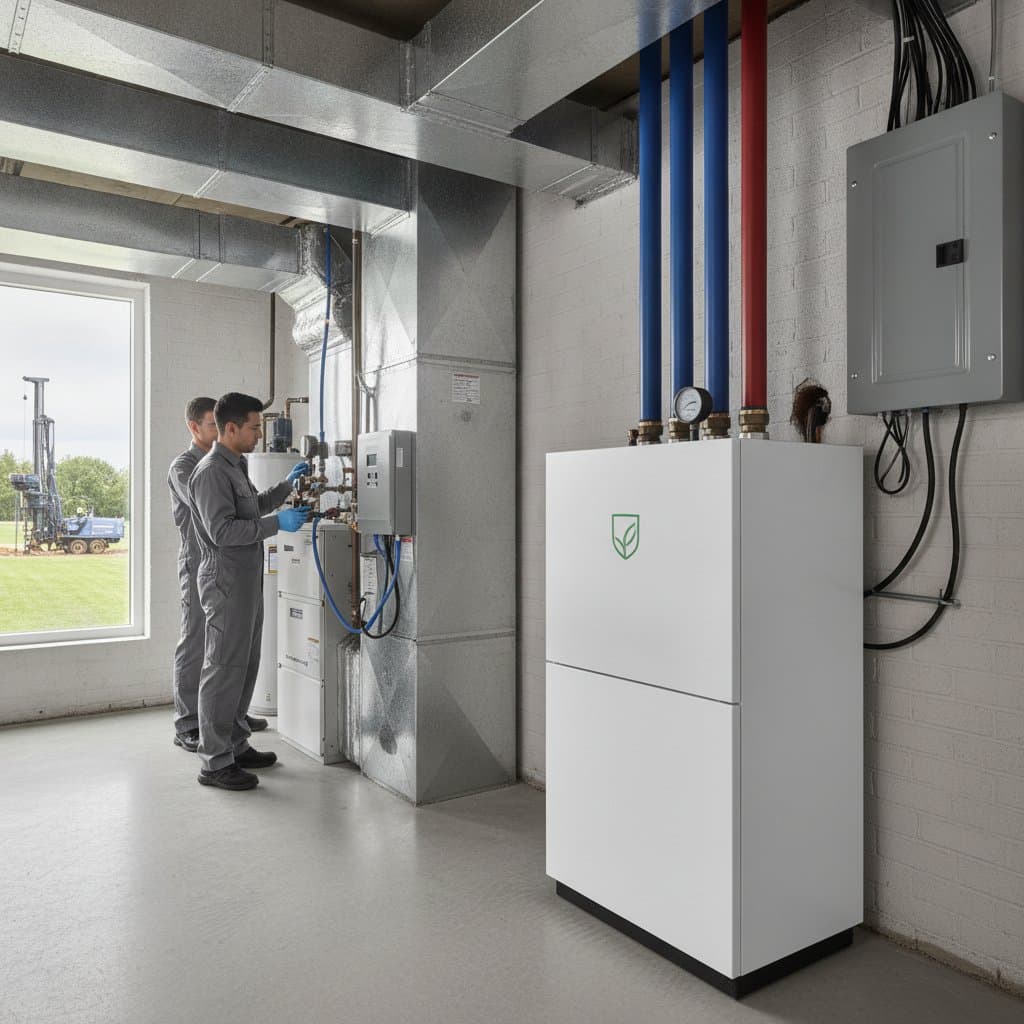
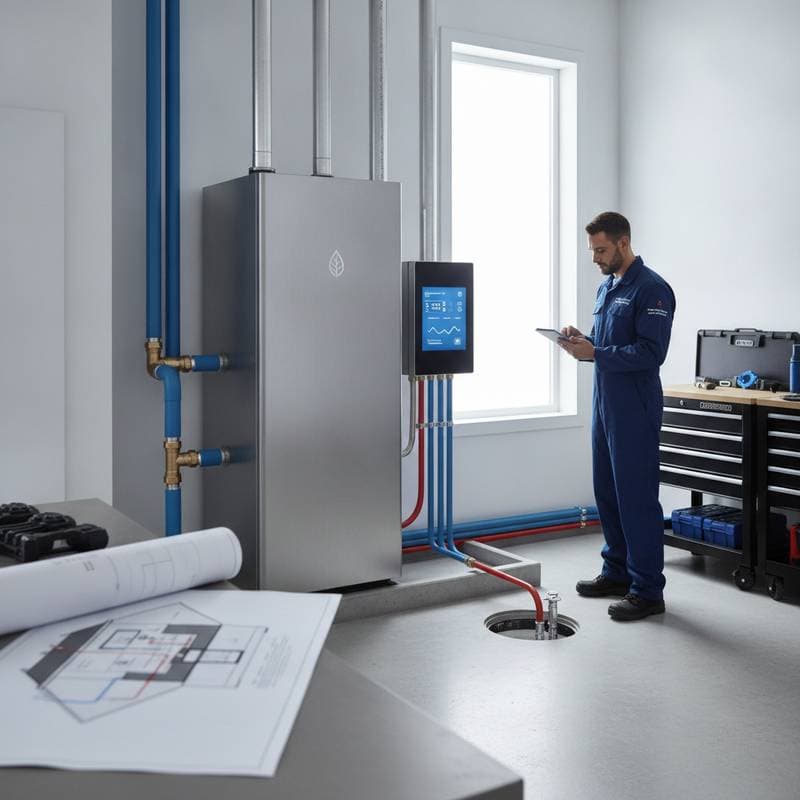
Professional assessment proves crucial before proceeding. Installers conduct thermal conductivity tests to gauge ground heat transfer rates. This analysis determines optimal loop dimensions and configuration to match the home's cooling requirements precisely.
Electrical infrastructure warrants attention as well. Geothermal heat pumps need dedicated circuits, potentially requiring panel upgrades in older residences. Early evaluation prevents unexpected expenses during implementation.
Detailed Cost Structure and Return on Investment
Break down expenses to grasp the full picture. Drilling or excavation accounts for 30 to 50 percent of the total, varying with soil and depth. The heat pump unit comprises 20 to 30 percent, while distribution elements like ductwork add 10 to 20 percent.
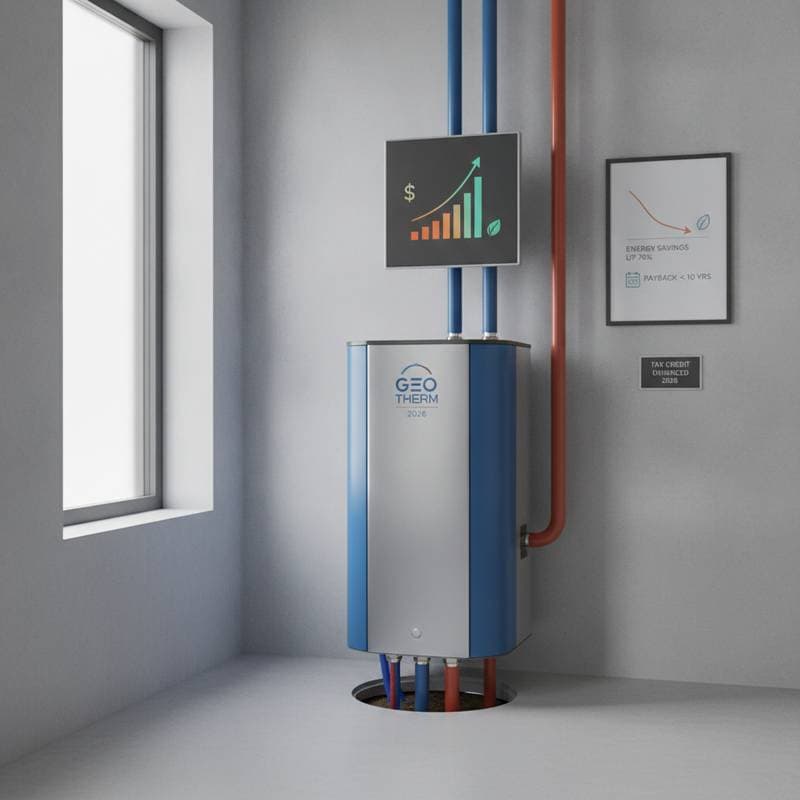
Permits, controls, and finishing touches cover the remainder. For an average home, yearly savings reach $1,000 to $2,000 relative to traditional setups. Over two decades, these accumulate to $20,000 or more, amplified by available tax incentives for energy-efficient installations.
Maintenance remains straightforward, with loop warranties extending 50 years and pumps outlasting standard compressors. This durability reduces replacement frequency and associated costs. In real estate terms, such upgrades appeal to eco-conscious buyers, potentially increasing property value by 3 to 5 percent.
Integration Strategies for Enhanced Performance
Geothermal systems integrate seamlessly with complementary features. Radiant floor cooling circulates chilled water through underfloor pipes, delivering uniform temperatures without drafts. Smart zoning employs sensors and variable-speed pumps to target specific areas, minimizing unnecessary energy use.
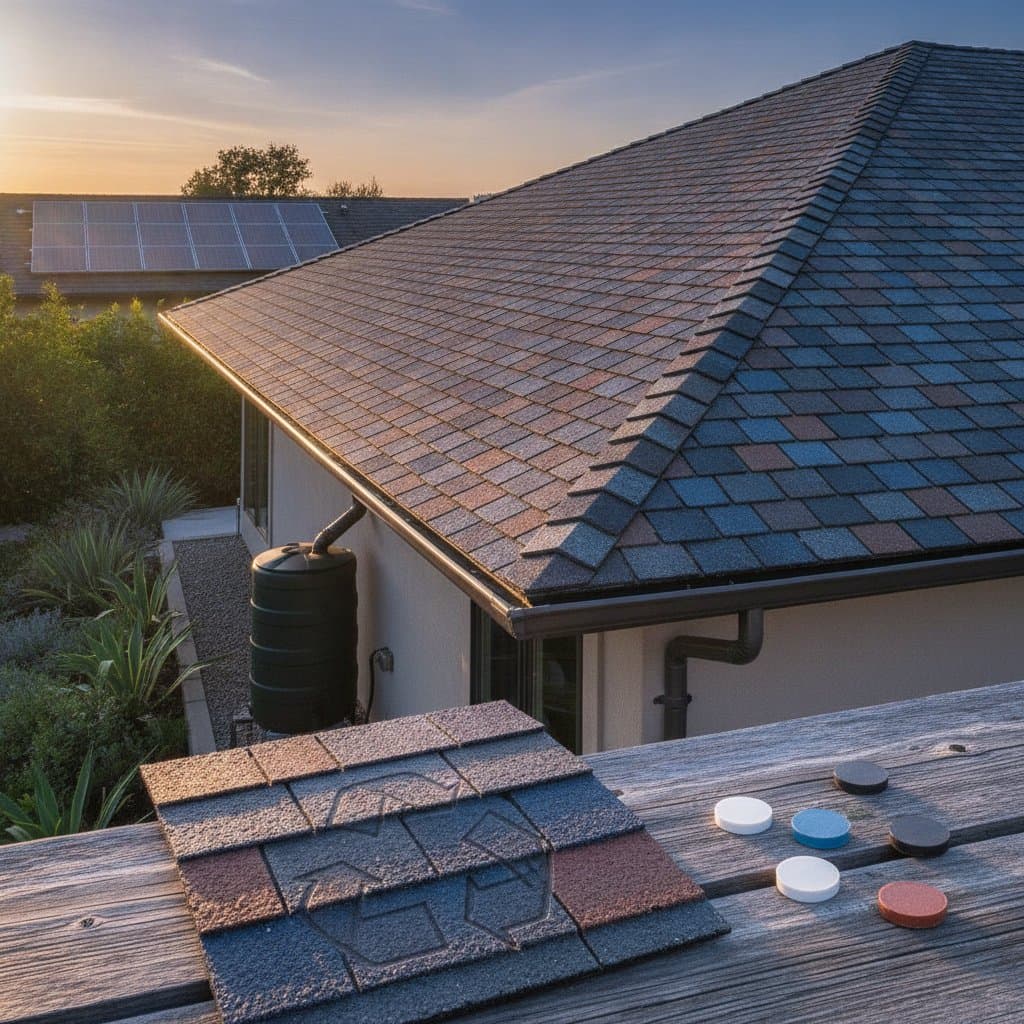
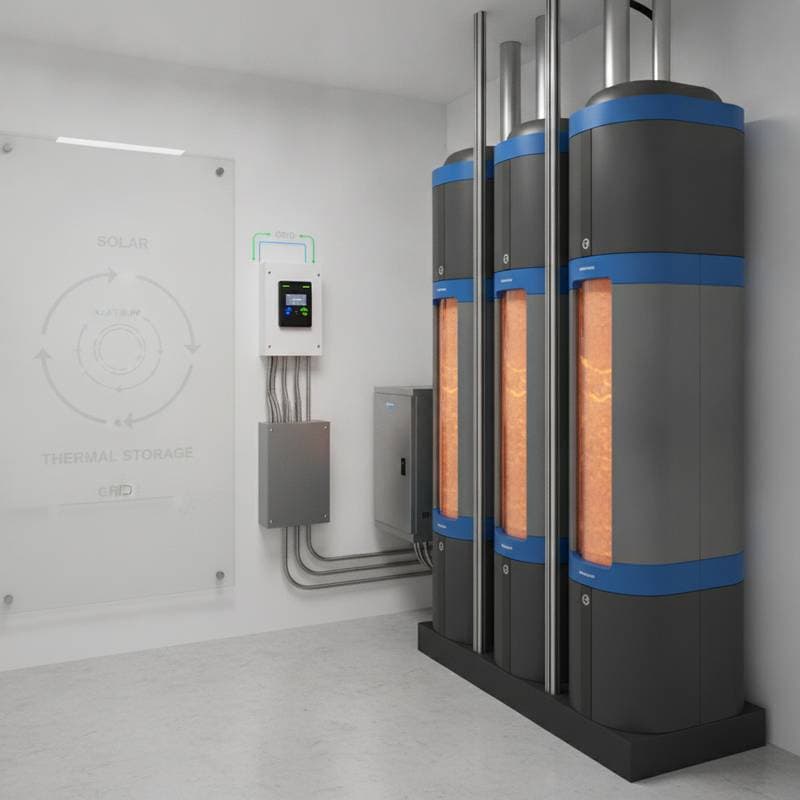
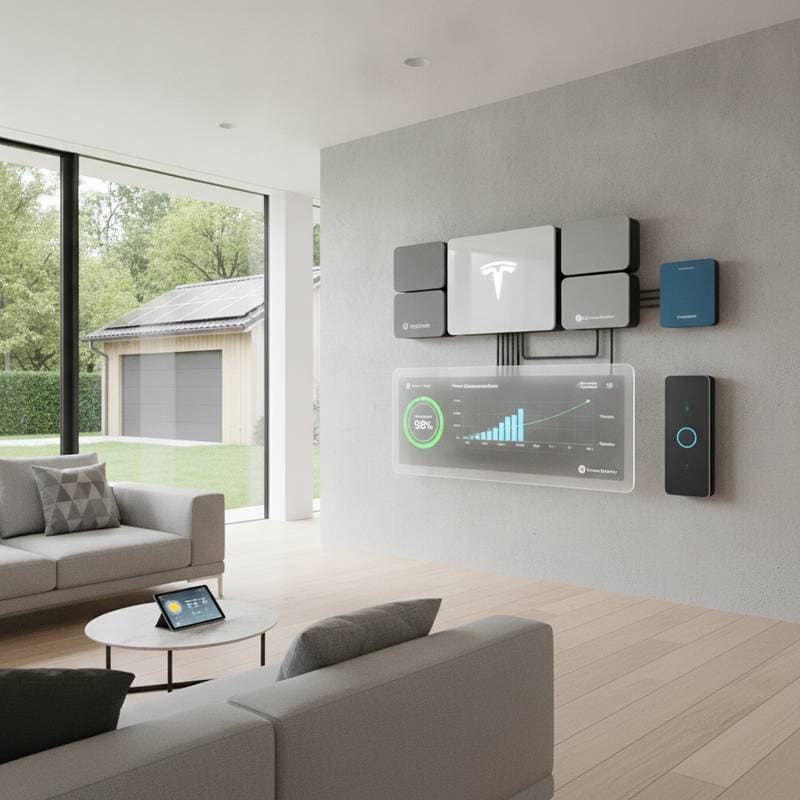
Hybrid configurations combine geothermal with solar arrays to neutralize electricity demands, approaching zero-net energy for cooling. Passive elements, such as overhangs for shade, cool roofs, and superior insulation, lighten the system's workload further.
View the installation as a cohesive strategy. Each component reinforces efficiency, creating a home environment that prioritizes comfort and conservation. Thoughtful planning maximizes these synergies from the outset.
Core Advantages in Efficiency and Comfort
Geothermal excels in reliability, unaffected by surface weather extremes. Underground stability ensures consistent operation, even during heat waves. The coefficient of performance (COP) quantifies this edge: conventional units average a COP of 3, whereas geothermal often exceeds 5, yielding substantially more cooling per energy unit.
Indoor air quality benefits from the design as well. Absent combustion processes, the system eliminates indoor pollutants and maintains balanced humidity. This gentle airflow suits those with respiratory sensitivities, fostering a more salubrious living space.
Sustainability extends to lifecycle impacts. Loop fields endure 50 years or longer, with indoor units requiring infrequent updates. This longevity curtails material use and waste, aligning with broader environmental goals.
Critical Influences on System Success
Site characteristics shape outcomes significantly. Sandy soils necessitate extended loops for adequate heat exchange, whereas clay-rich ground enhances conductivity. Shallow water tables can elevate performance but introduce permitting complexities.
Home attributes, including size and insulation quality, dictate system scale. Well-insulated structures require less capacity, lowering costs. Regional electricity prices amplify savings potential in high-rate areas.
Select experienced contractors to ensure quality. Seek certification from bodies like the International Ground Source Heat Pump Association, which upholds rigorous standards. Multiple bids allow comparison of designs and pricing for informed decisions.
Frequently Asked Questions
How deep are geothermal loops installed?
Vertical loops descend 100 to 400 feet to access stable thermal layers. Horizontal versions bury at 6 to 10 feet, spanning broader areas to achieve equivalent effect.
Does existing ductwork suffice?
Many systems adapt to current ducts, provided they seal well and insulate adequately. Upgrades may apply to outdated or inefficient networks for peak efficiency.
How quiet do these systems operate?
Operation remains whisper-quiet, as major components reside indoors away from exterior noise sources. Homeowners report minimal disturbance compared to outdoor AC units.
Can geothermal handle both heating and cooling?
These reversible systems provide efficient heating in winter by extracting ground heat indoors. Dual capability maximizes equipment utility across seasons.
What maintenance does the system require?
Annual filter replacements and periodic inspections suffice. The underground loops, sealed from weather, demand no routine intervention.
Steps to Implement Geothermal Cooling
Begin by consulting certified professionals for a site assessment. Review financing options, including rebates that offset upfront costs. Proceed with design tailored to your property, ensuring integration with existing infrastructure.
Monitor incentives and technological updates, as 2026 innovations promise even greater accessibility. This proactive approach secures lasting savings and comfort. Homeowners who invest in geothermal position themselves for a cooler, more sustainable future.