Key Points
- Hempcrete walls emerge as a superior, eco-friendly substitute for concrete, offering reduced weight and enhanced sustainability.
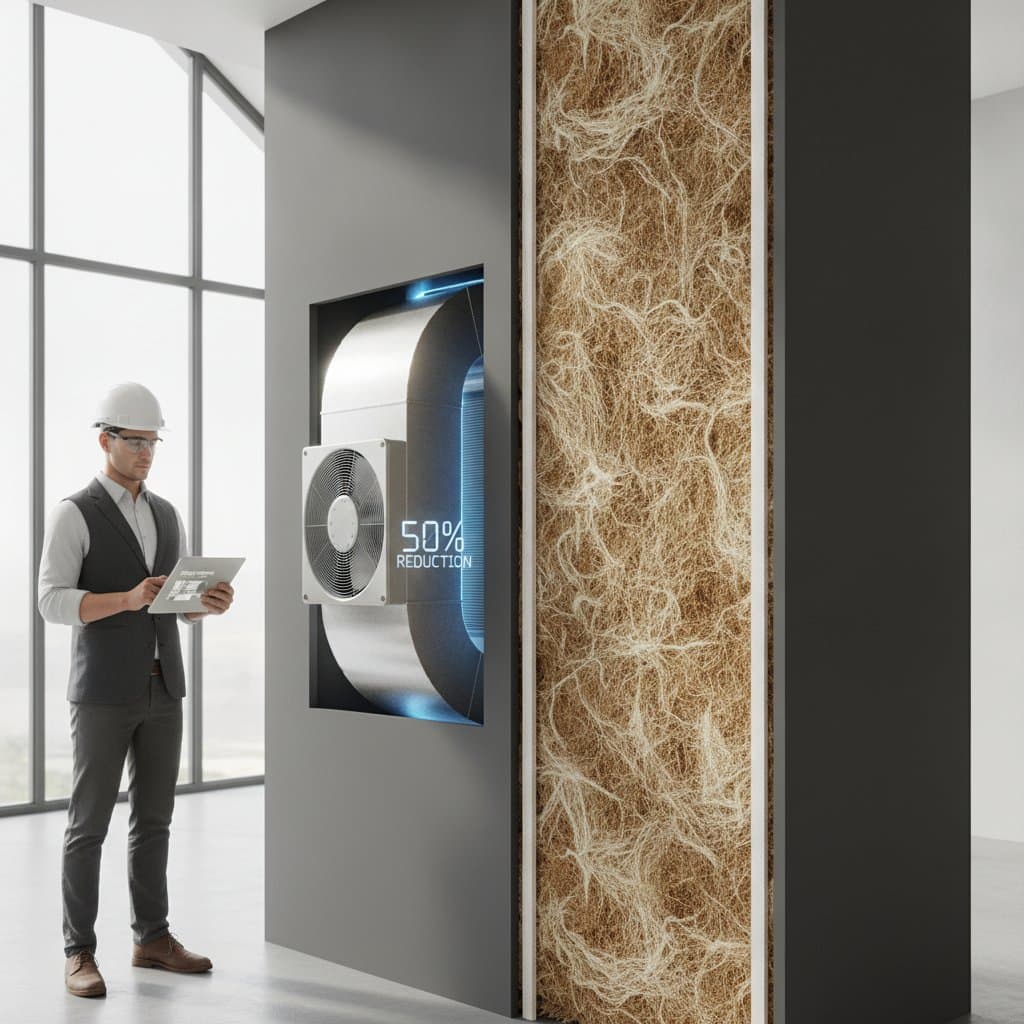
- The material provides exceptional insulation, fire resistance, and humidity control, potentially lowering heating and cooling expenses by up to 50 percent.
- Initial installation expenses surpass those of standard options by 10 to 25 percent, yet energy reductions and low upkeep deliver strong financial returns.
- Architects and builders adopt hempcrete for its ability to sequester carbon, renewable origins, and versatility across contemporary and historic styles.
- Homeowners will benefit from increased access to materials and expertise as interest in biological insulators and non-combustible builds grows.
The Importance of Hempcrete in Modern Construction
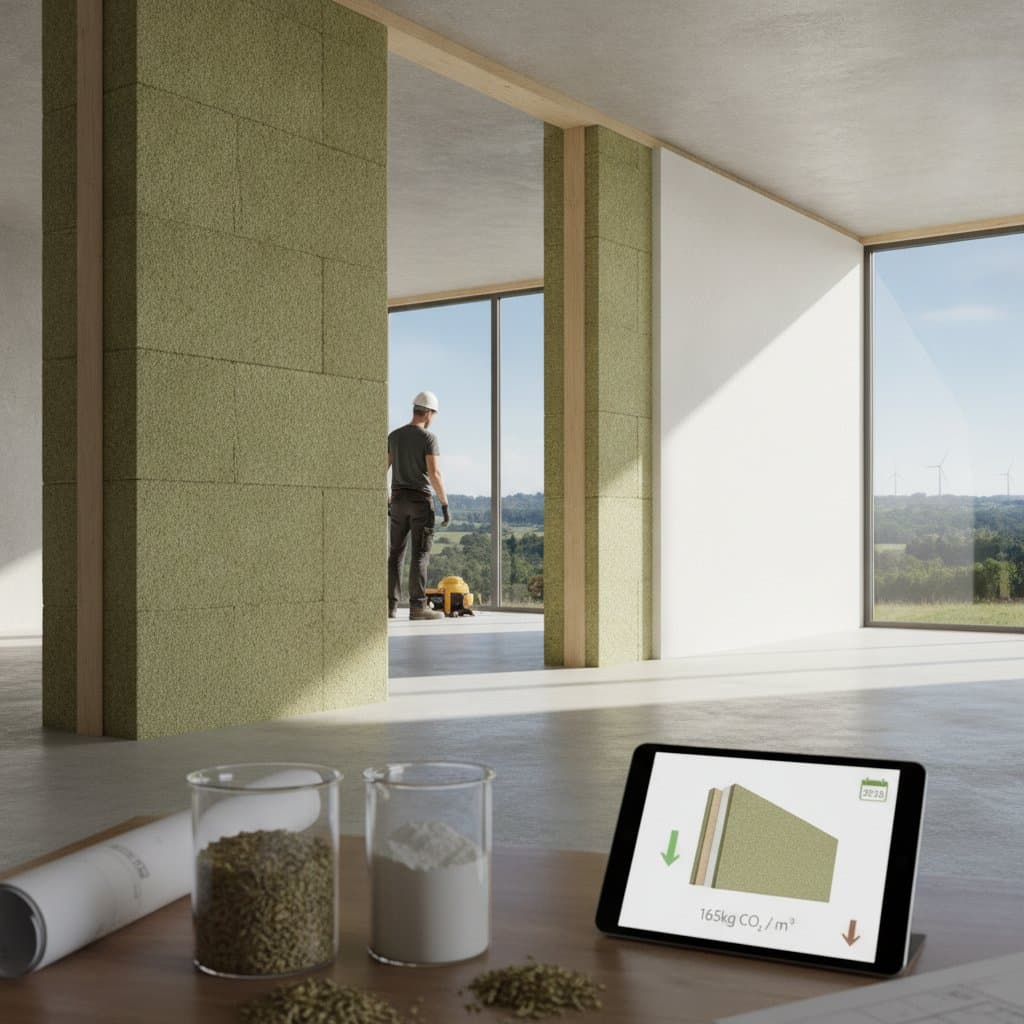
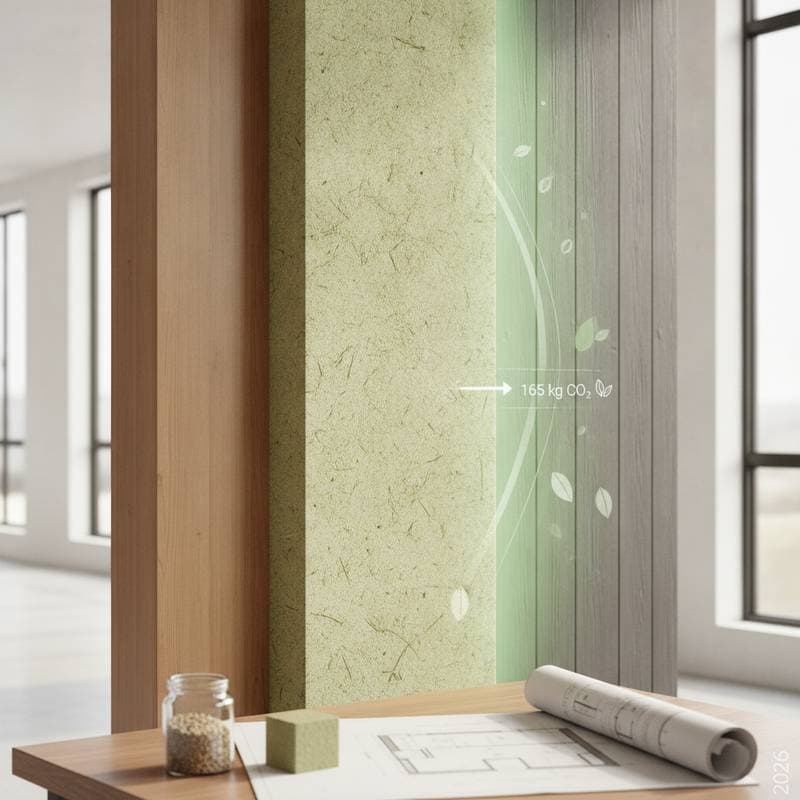
Concrete production ranks among the top sources of worldwide carbon emissions due to the intensive energy demands of cement manufacturing. Hempcrete reverses this impact. Hemp plants capture carbon dioxide during growth, incorporating it into the final product post-harvest. When mixed with lime, the compound absorbs additional carbon dioxide as it cures, retaining it throughout the structure's service life.
This process positions hempcrete as a material that actively sequesters carbon, rather than merely emitting less. In an era where construction decisions influence environmental outcomes and household finances, such innovation proves transformative.
Homeowners gain multiple advantages from hempcrete implementation:
- Energy efficiency: Superior thermal properties decrease heating and cooling demands by 30 to 50 percent relative to conventional insulators.
- Improved indoor environment: The permeable composition manages moisture levels, inhibiting mold development and fostering cleaner air.
- Longevity: With appropriate care, hempcrete structures endure for centuries while preserving their insulating qualities.
- Fire safety: The material resists ignition and shields internal areas more effectively than many synthetic alternatives during fire events.
Analyzing Costs and Return on Investment
Hempcrete walls carry a higher price tag per square foot than traditional concrete or fiberglass systems, with premiums typically spanning 10 to 25 percent based on regional sourcing and workforce availability. This upfront investment, however, overlooks broader value.
Initial expenses generally break down as follows:
- Hemp hurds and lime components: 15 to 25 percent of overall wall expenses
- Installation labor and temporary forms: 40 to 50 percent
- Surface treatments and protective layers: approximately 20 percent
Over time, these costs diminish through tangible gains. The material's thermal mass and moisture-handling traits yield annual utility reductions of several hundred dollars. Across 20 to 30 years, such efficiencies frequently surpass the added initial outlay.
Furthermore, hempcrete stabilizes interior climates, easing demands on heating, ventilation, and air conditioning units to prolong their operational life. Consider the lack of harmful chemicals, reduced need for repairs, and elevated property values from sustainability features, and the investment rationale strengthens considerably.
Market trends favor green builds; residences featuring hempcrete often secure premium sale prices thanks to their superior livability and performance metrics.
Key Considerations for Hempcrete Projects
Project success hinges on several variables:
- Regional climate: Humid or frigid areas demand vigilant airflow management and extended curing periods to optimize performance.
- Workforce expertise: Unlike poured concrete, hempcrete demands specialized techniques; select contractors versed in natural composites.
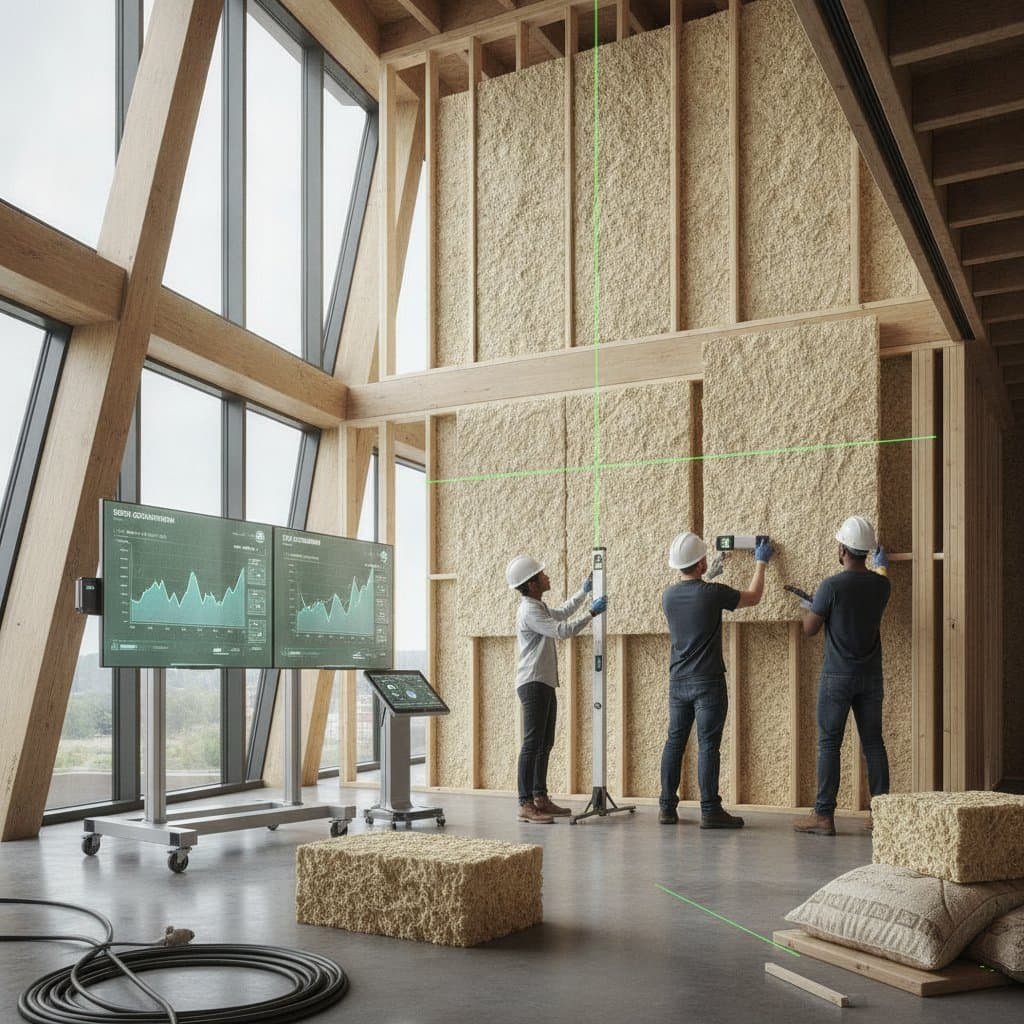
- Scale of construction: Pre-fabricated panels suit extensions or renovations efficiently, while on-site casting affords customization for full-scale developments.
- Financial planning: Under constrained budgets, apply hempcrete selectively to wall cavities while retaining standard choices for foundations or dividers.
Balancing these elements aligns short-term fiscal realities with enduring efficiency and ecological objectives.
Frequently Asked Questions
What components form hempcrete?
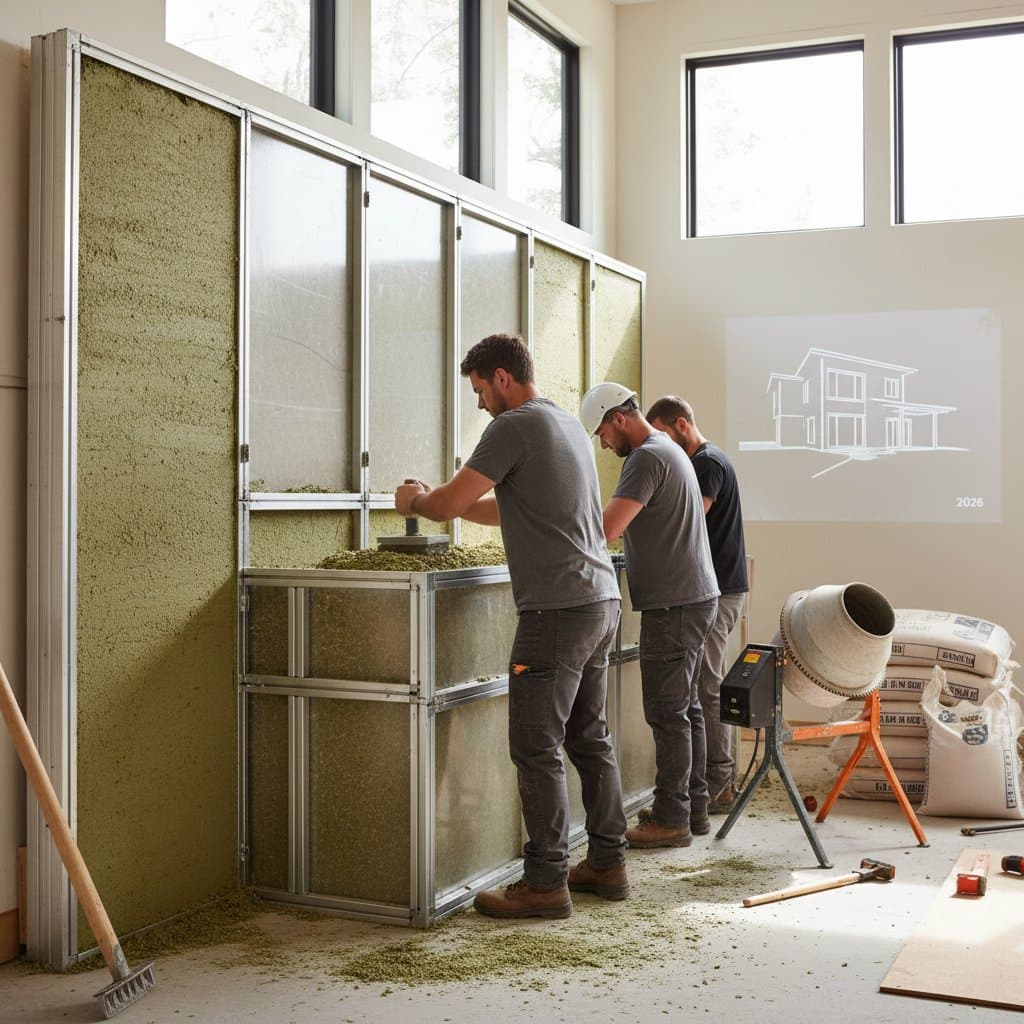
The mixture comprises hemp hurds, a lime-based binder, and water, yielding a lightweight, open-textured substance that insulates and ventilates organically.
Can hempcrete serve as a full concrete replacement?
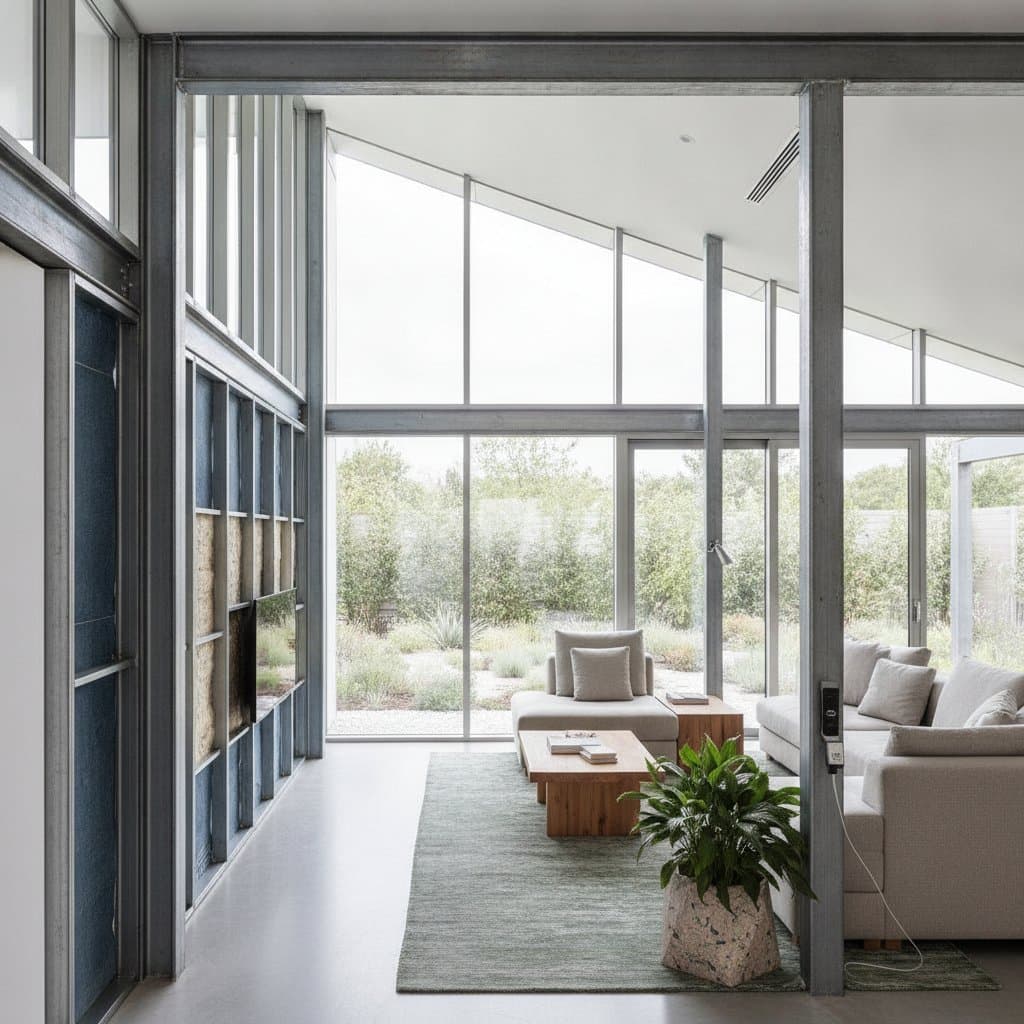
It cannot bear heavy loads like foundations or beams. Builders typically employ it as non-structural fill within a framed skeleton.
How does hempcrete stack up against other insulators?
Relative to fiberglass or rigid foams, it excels in humidity control and heat retention. Although its R-value might seem modest, the capacity to absorb and gradually release warmth delivers practical superiority over many manufactured options.
Does hempcrete promote dampness or fungal issues?
It does not; the structure wicks moisture away without holding it, maintaining dryness. Lime's high pH further repels microbial growth.
What maintenance does it require?
Upkeep remains light. Exterior lime renders might warrant renewal every few decades, yet the core walls stay robust across generations.
How does it affect property value?
Demand for environmentally sound dwellings rises steadily. Hempcrete's resilience, cost savings, and wellness benefits boost desirability in the marketplace.
Steps to Incorporate Hempcrete into Your Build
Prospective users should initiate with thorough research and strategic outlining. Evaluate objectives clearly: Do lower energy outlays, superior air purity, or ecological legacy drive the choice? This clarity guides architectural selections and resource distribution.
Engage professionals skilled in natural materials next. These experts assess load requirements, procure reliable hemp supplies, and tailor insulation depths to local weather patterns. Obtain physical samples to assess the material's feel and density; direct interaction frequently convinces hesitant individuals.
As adoption accelerates, hempcrete not only curbs operational costs but also contributes to a lighter environmental footprint, fostering homes that sustain both occupants and the planet for decades ahead.