Key Benefits of Geothermal Cooling
- Geothermal systems utilize the ground's constant temperatures to deliver efficient, reliable cooling during extreme heat.
- Homeowners can reduce cooling costs by 30 to 70 percent compared to conventional air conditioning.
- Initial investments lead to enduring advantages, including major energy savings, low maintenance needs, and consistent energy performance.
- Maximum efficiency and longevity require detailed site planning, soil evaluation, and work by certified professionals.
- These systems support both heating and cooling, providing versatile climate control year-round.
- Environmental gains include reduced emissions and less strain on power grids during peak demand.
Facing Extreme Heat Waves
Picture walking into air heavy with humidity, where asphalt radiates intense warmth and conventional air conditioners run nonstop. Power consumption spikes as these units fight soaring outdoor temperatures. Families across regions face such trials during extended heat waves. Geothermal cooling transforms this scenario by accessing the earth's natural coolness underground, ensuring steady indoor temperatures while minimizing energy use and lightening the load on electrical grids.
This approach avoids the pitfalls of traditional systems, which lose efficiency as outdoor heat rises. Instead, geothermal technology maintains performance regardless of surface conditions. Homeowners gain peace of mind knowing their comfort remains uninterrupted.
Why Choose Geothermal Cooling
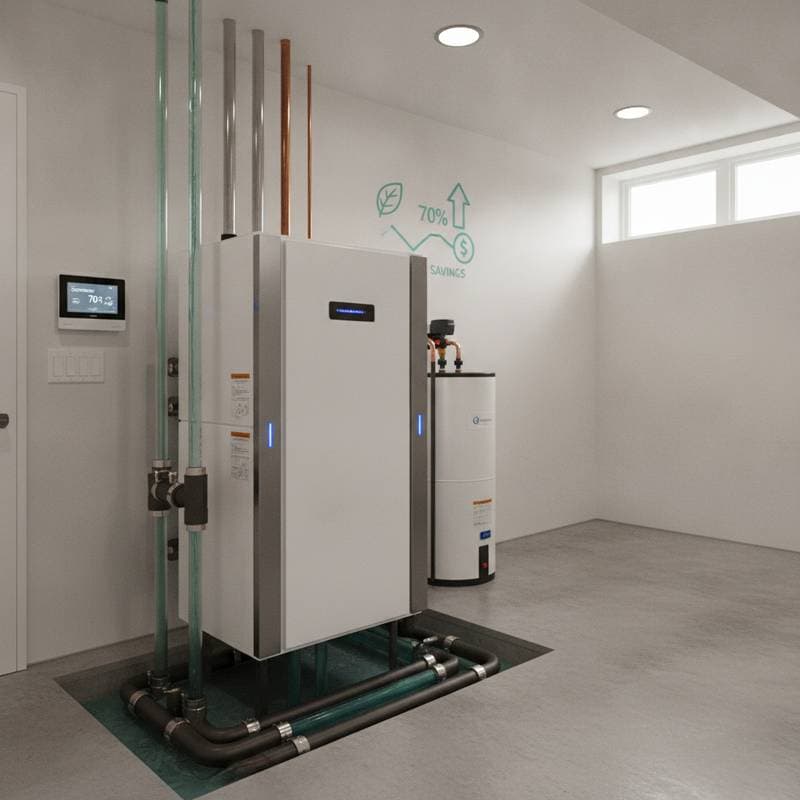
Geothermal cooling offers compelling financial and environmental merits. Standard air conditioners expel heat outdoors, where high temperatures already hinder their operation during peak usage. Ground-source heat pumps, however, exchange heat with the earth, which maintains a stable temperature mere feet below the surface. These systems move heat efficiently rather than produce it, requiring far less electricity.
A properly designed geothermal installation can cut energy consumption by up to two-thirds. This results in lower monthly bills, easier maintenance routines, and a smaller carbon footprint. The consistent underground environment guarantees reliable comfort, free from the whims of weather fluctuations above ground.
Beyond savings, these systems enhance home value through their durability and efficiency. Professional assessments ensure the setup aligns with specific needs, maximizing returns over time.
Critical Planning Considerations
Success with geothermal cooling begins with meticulous preparation. Every property presents unique conditions, so tailored designs prove essential. Review these factors to inform your choices:
-
Site Size and Soil Characteristics
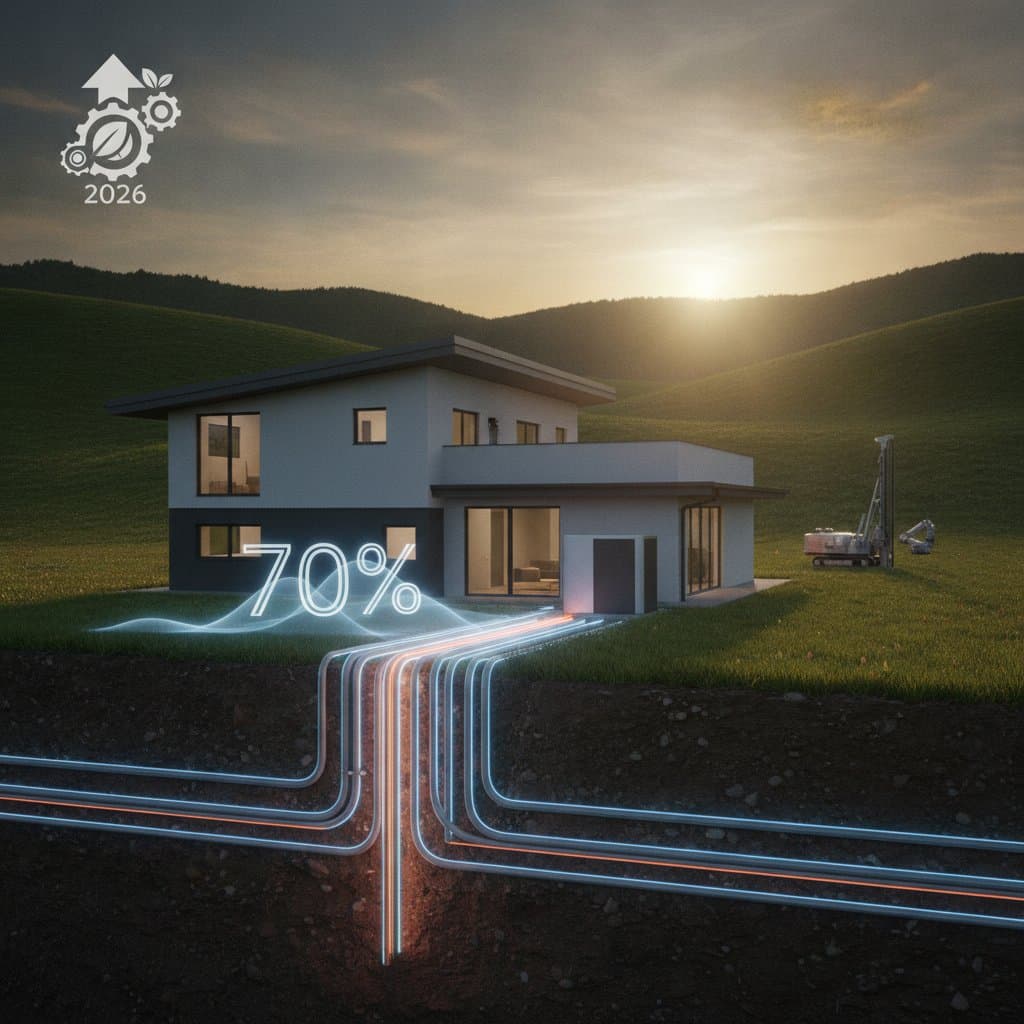
Expansive lots accommodate horizontal loops, which involve straightforward trenching and often lower costs. Smaller or constrained spaces call for vertical loops, drilled deeper but using less surface area. Soil tests reveal thermal properties, guiding the best loop type for optimal heat transfer. -
Existing HVAC Infrastructure
Retrofitting into older homes may require ductwork updates or new handlers. Consult an HVAC specialist early to assess compatibility and prevent costly adjustments later. -
Available Water Sources
Open-loop designs draw from groundwater for direct heat exchange, while closed-loop options circulate fluid through sealed pipes. Evaluate local water quality and regulations to determine feasibility. -
Expert Installation Standards
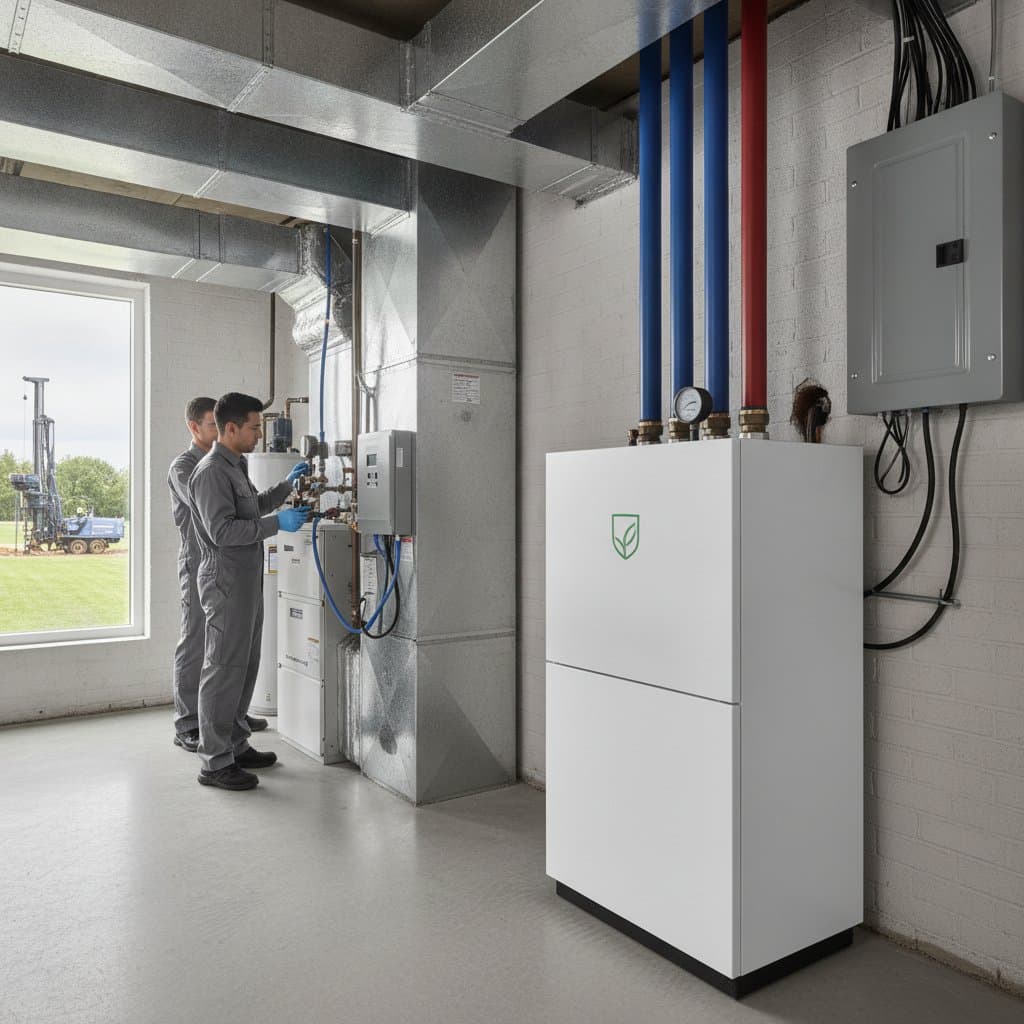
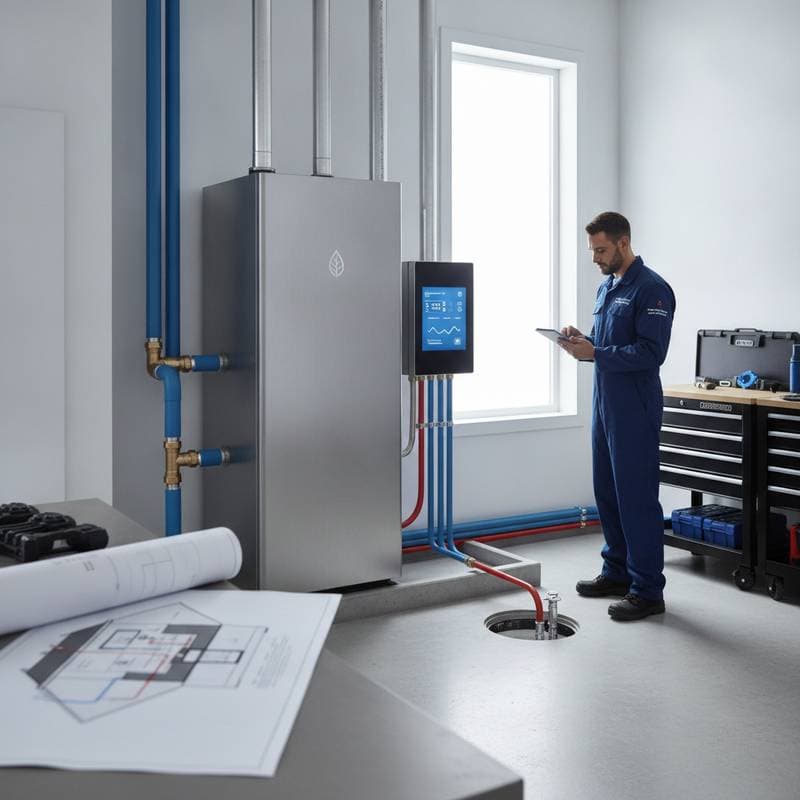
Accurate engineering forms the foundation of performance. Choose installers certified by recognized renewable energy organizations to manage sizing, loop placement, and fine-tuning for long-term reliability.
Address these elements upfront to avoid inefficiencies and ensure the system integrates seamlessly with your home.
Costs, Savings, and Payback Timeline
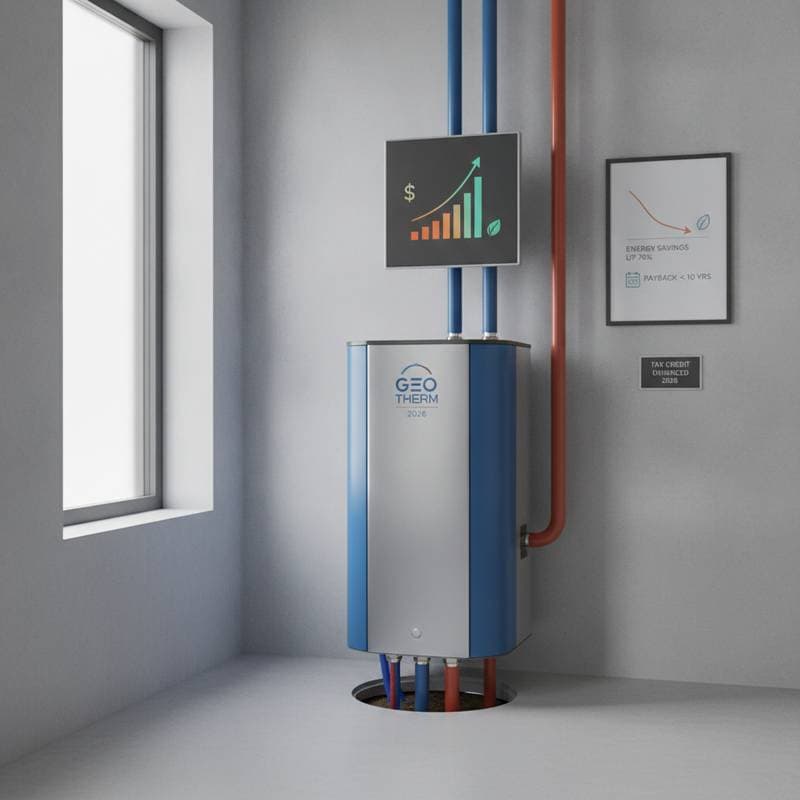
Initial costs vary by site and scope, generally spanning $20,000 for basic upgrades to $40,000 or higher for comprehensive projects. These amounts cover full installations, but rapid operational benefits recoup the expense.
- Energy Savings: Cooling bills decrease 30 to 70 percent annually due to reduced electricity needs.
- Maintenance Costs: Fewer moving parts mean equipment lasts over 20 years with basic annual servicing.
- Incentives: Federal tax credits and local rebates accelerate financial recovery.
- Home Value Boost: Efficient upgrades attract buyers and increase resale potential.
When accounting for these factors, most owners recover their investment in 5 to 10 years. Thereafter, decades of savings and enhanced comfort follow, making the choice economically sound.
System Designs and Home Integration
Geothermal technology fits seamlessly into new builds or existing homes with careful adaptation. Consider these configurations:
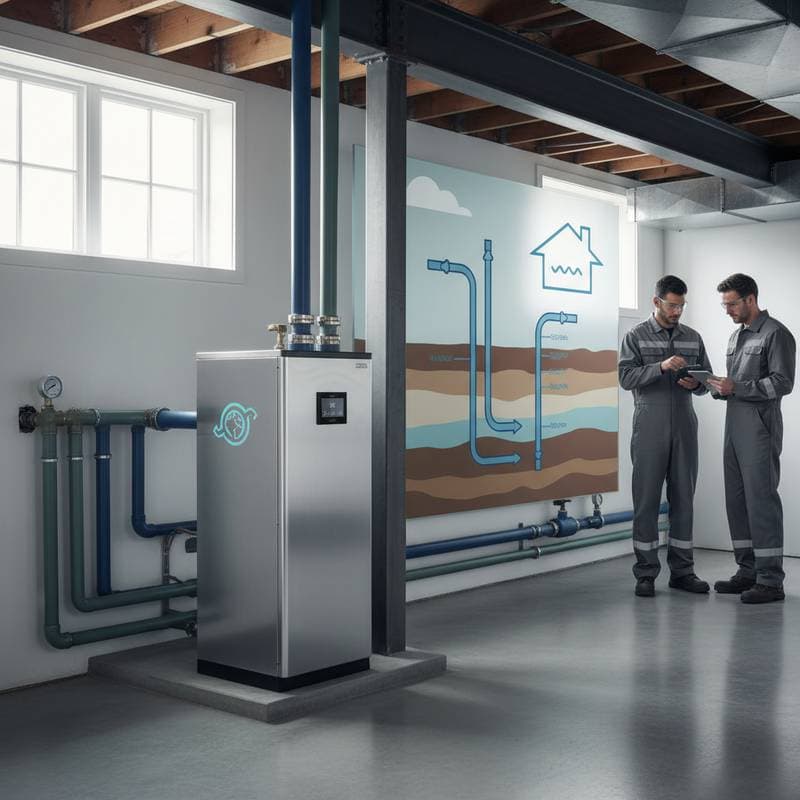
- Horizontal Loops: Installed in trenches 4 to 6 feet deep, they work well on large, soft-soil properties with minimal site disturbance.
- Vertical Loops: Drilled to 100 to 400 feet, these excel in tight spaces or rocky terrain.
- Pond or Lake Loops: Pipes submerged in nearby water bodies enable efficient exchange without major digging.
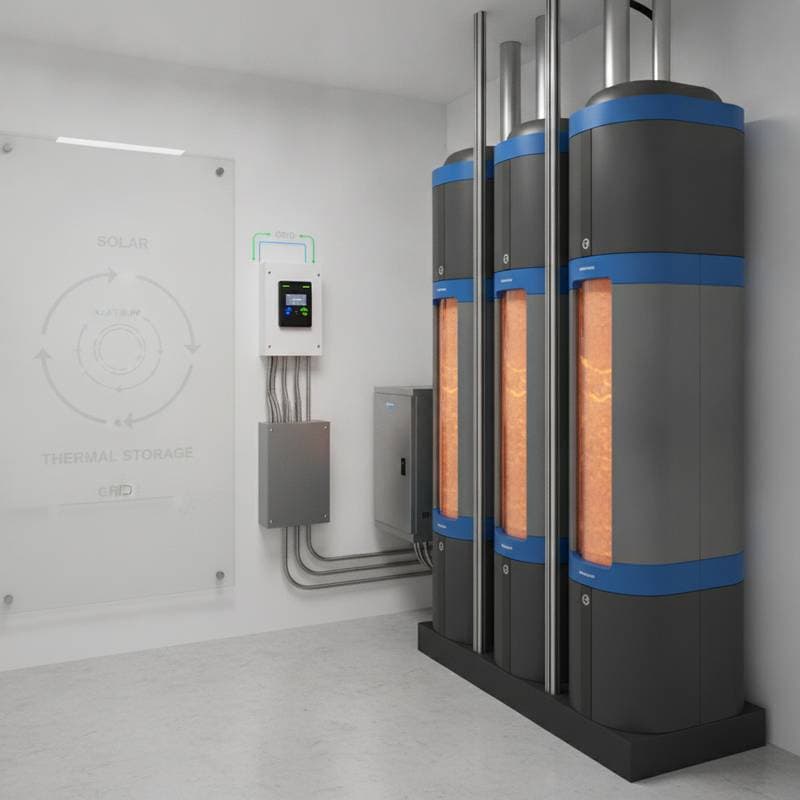
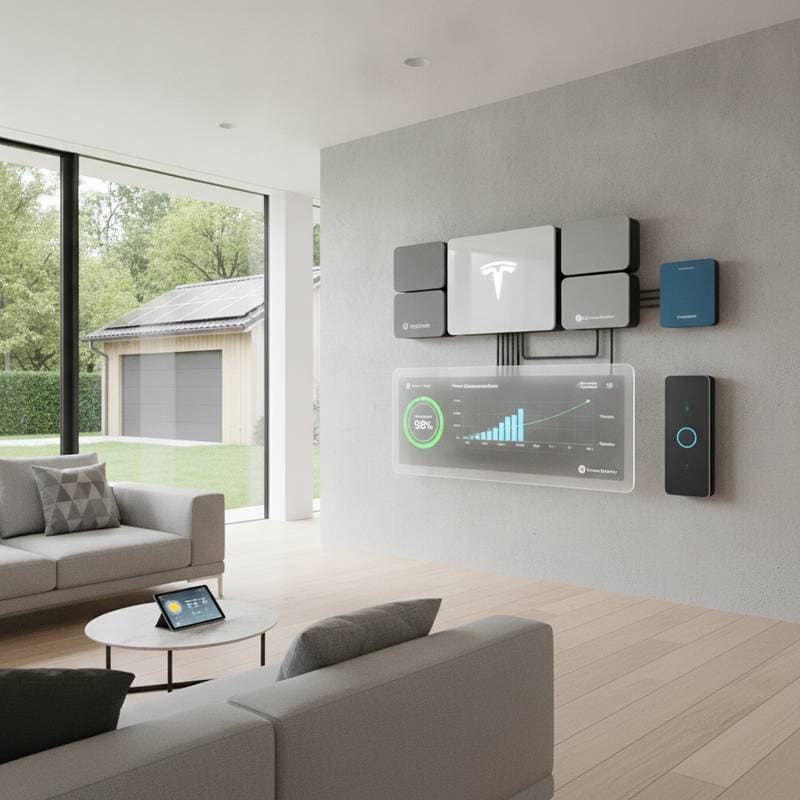
- Hybrid Setups: Combine with solar panels or radiant floor heating to elevate overall energy performance.
Add smart thermostats and zoning controls to direct cooling precisely, further refining energy efficiency throughout the residence.
Broader Impacts on Environment and Well-Being
Geothermal cooling surpasses basic climate regulation by promoting sustainability. It relies on the earth's renewable thermal energy, producing no on-site emissions. Reduced demand during heat peaks eases pressure on utilities, bolstering community-wide energy stability.
Health perks include quiet functionality and balanced humidity levels that improve indoor air quality. Absent outdoor compressors, properties stay serene, allowing flexible yard designs for gardens or recreation.
Over time, these systems contribute to lower greenhouse gases, aligning personal choices with global environmental goals.
Answering Frequent Queries
How deep do the underground elements go?
Horizontal setups sit 4 to 6 feet underground, whereas vertical ones extend 100 to 400 feet for access to stable temperatures.
Can these systems handle heating too?
Yes, they reverse the process in colder months to provide efficient heating via the identical setup.
What maintenance is involved?
Schedule yearly professional inspections and change filters regularly; the ground loops require almost no attention.
Is installation possible everywhere?
Nearly all sites work, provided evaluations confirm soil suitability, available space, and compliance with local codes.
How long do components last?
Surface units endure 20 to 25 years, while underground loops persist for 50 years or more.
Launching Your Geothermal Project
Begin with a consultation from certified experts to conduct a site assessment, pinpointing the ideal system and projecting expenses. Explore financing options, including rebates, to offset initial costs. Oversee the installation to confirm it matches planned specifications. After activation, monitor usage data to confirm savings and tweak settings for peak results. This methodical process delivers sustained comfort, financial gains, and positive environmental effects for your household.