Geothermal Retrofit: 2026's Energy-Saving Home Revolution
Homeowners often seek ways to lower energy costs while maintaining consistent comfort throughout the year. Geothermal retrofitting offers a reliable solution by tapping into the earth's stable underground temperatures to regulate heating and cooling. This technology converts standard homes into efficient spaces that reduce expenses and enhance sustainability.
Key Benefits of Geothermal Systems
Geothermal retrofits deliver substantial advantages for residential properties. Consider these essential points:
- Energy Savings: These systems cut heating and cooling expenses by up to 65 percent relative to traditional HVAC setups.
- Durability: Ground loops endure for over 50 years with little upkeep.
- Investment Recovery: Owners recoup installation expenses in 7 to 12 years, influenced by local energy rates and available rebates.
- Carbon Reduction: Households experience a decrease in emissions by up to 60 percent.
- Property Appreciation: Homes equipped with geothermal technology gain 5 to 10 percent in market value upon resale.
These benefits position geothermal as a strategic choice for long-term home improvement.
How Geothermal Compares to Traditional HVAC Options
Evaluating geothermal against conventional systems highlights its superior performance. The following table provides a clear comparison based on efficiency, longevity, and cost savings.
| System Type | Typical Efficiency (COP*) | Lifespan | Maintenance Frequency | Average Annual Savings |
|---|---|---|---|---|
| Natural Gas Furnace | 0.8 to 0.9 | 15 to 20 years | Annual service | Baseline |
| Air-Source Heat Pump | 2.5 to 3.5 | 15 to 20 years | Annual service | 25% reduction |
| Ground-Source Heat Pump | 3.5 to 5.0 | 50+ years (loops) | Minimal | 55-65% reduction |
*Coefficient of Performance (COP) indicates energy output per unit of electricity consumed.
Data from the U.S. Department of Energy confirms that geothermal systems lead in efficiency for home heating and cooling. Their extended lifespan and lower operational costs appeal to those committed to their property for years ahead. Homeowners benefit from predictable expenses and reduced environmental strain.
Environmental Advantages and Sustainable Practices
Geothermal retrofits extend beyond financial gains to support ecological goals. These systems eliminate dependence on fossil fuels, stabilizing energy use against market fluctuations. Heat transfer occurs without combustion, resulting in minimal electricity demands.
The Environmental Protection Agency recognizes geothermal heat pumps as highly efficient and low-impact options for climate control. Throughout its service life, a single residential installation avoids emitting 20 to 25 tons of carbon dioxide. This reduction matches the environmental effect of withdrawing multiple vehicles from daily roads.
Adopting geothermal contributes to broader sustainability efforts. Homeowners play a role in curbing global emissions while securing personal benefits like cleaner indoor air.
Addressing Frequent Homeowner Questions
Prospective adopters often express specific concerns about geothermal implementation. Addressing these directly builds confidence in the technology.
Suitability for Your Property
Most homes support geothermal installation through customized designs. Limited yard space calls for vertical loops drilled into the ground or configurations using nearby water bodies.
Ongoing Maintenance Needs
Upkeep remains straightforward, limited to filter replacements and occasional inspections of the indoor unit. The underground components require no regular attention after setup.
Performance in Varied Climates
Stable ground temperatures ensure reliable operation regardless of weather extremes. In colder areas, the system delivers steady warmth without supplemental fuels.
Integration with Renewable Sources
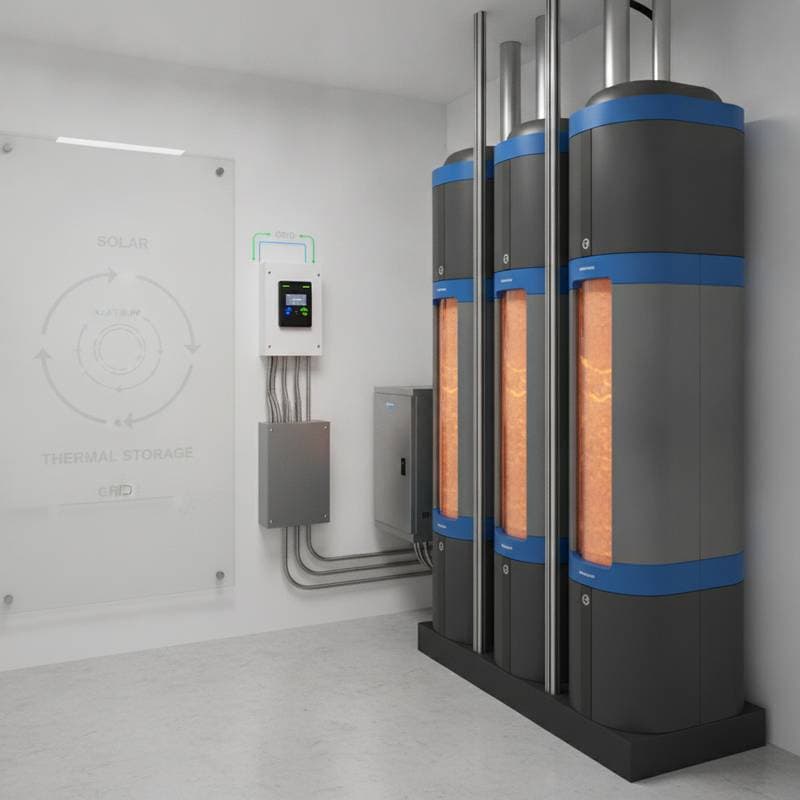
Pairing geothermal with solar installations offsets the heat pump's electricity use. This combination approaches net-zero energy consumption for the entire home.
Clear answers to these queries demonstrate the practicality of geothermal for diverse situations.
Emerging Trends in the Geothermal Market
The residential sector witnesses a surge in geothermal adoption. Installations increase by about 15 percent each year, as noted by the International Ground Source Heat Pump Association. This growth reflects heightened awareness among builders, agents, and local governments.
Rising utility prices and environmental priorities drive this expansion. Policies offering incentives further encourage homeowners to transition. Geothermal emerges as a vital element in modern, eco-friendly housing developments.
Steps to Implement Your Geothermal Retrofit
Embarking on a geothermal project starts with informed preparation. Schedule assessments with certified local professionals to evaluate your site's potential. Request simulations that forecast energy reductions and payback periods.
Evaluate bids based on total expenses, technical specifications, guarantees, and post-installation assistance. View this upgrade as a durable asset that enhances daily living and safeguards against future rate hikes.
Realizing Lasting Home Efficiency Gains
Geothermal retrofitting anchors your home's climate control in reliable earth-based energy. This approach elevates comfort levels and aligns with evolving standards for sustainable residences. Early adopters secure decades of savings and contribute to a greener future.