Key Points
- Geothermal cooling systems leverage the consistent ground temperature to lower energy consumption by up to 60 percent in comparison to traditional air conditioning.
- Ground-source heat pumps deliver dependable comfort in extreme heat with minimal dependence on electricity generated from fossil fuels.
- Effective design, soil suitability, and expert installation prove essential for optimal efficiency and durability.
- Despite elevated initial expenses, the sustained savings and ecological advantages render geothermal systems a worthwhile investment with reliable returns.
Envision Comfort from Beneath the Ground
Consider this scenario: the midday sun bears down on your windows, yet the interior maintains an ideal balance. The air remains cool without artificial chill, steady without excess. As a professional in green building, I have observed numerous homeowners confront escalating cooling expenses in intense summer heat. Individuals often view high-efficiency air conditioners or enhanced insulation as primary solutions, yet the earth underfoot provides a superior alternative.
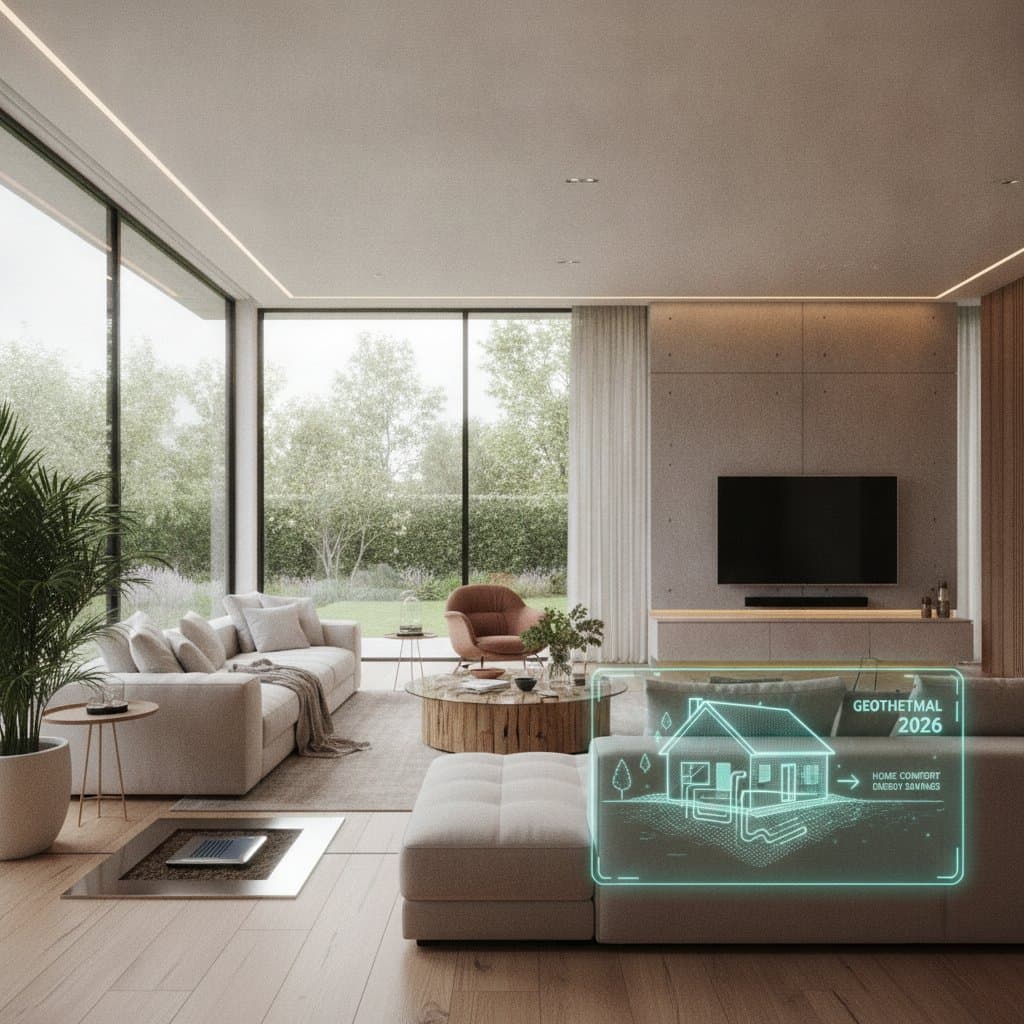
Geothermal cooling draws upon the earth's uniform subsurface temperatures to sustain home comfort using a minimal portion of the energy required by standard systems. In various areas, those who implement this method report a reduction in cooling energy use of approximately 60 percent. This approach offers more than mere comfort; it establishes sustainable durability integrated into the home.
Challenges of Conventional Cooling in Rising Heat
When external temperatures rise, typical air conditioners labor intensely to expel heat from the interior. This effort elevates electricity costs, accelerates equipment degradation, and heightens demand on the power grid during peak periods. In regions with high humidity, the issue intensifies, as units must also dehumidify the air.
Data from practical applications indicate that a standard air conditioner may forfeit up to 25 percent of its efficiency amid prolonged heat spells. Such losses result in increased expenses and amplified environmental pressure precisely when energy reliability matters most to communities.
Benefits of Geothermal Systems
Geothermal cooling, or ground-source cooling, alleviates these demands. Underground loops containing fluid refrigerant or water facilitate heat exchange with the ground's stable temperature rather than variable outdoor conditions. Consequently, operations proceed more evenly, with reduced noise and significantly diminished electricity requirements.
Based on extensive field experience, I advise geothermal systems for homeowners desiring energy consistency and enduring worth. Success depends on thorough site evaluation and customization to accommodate soil composition, lot dimensions, and regional weather patterns.
Operations of Geothermal Cooling Systems
1. Installation of Ground Loops
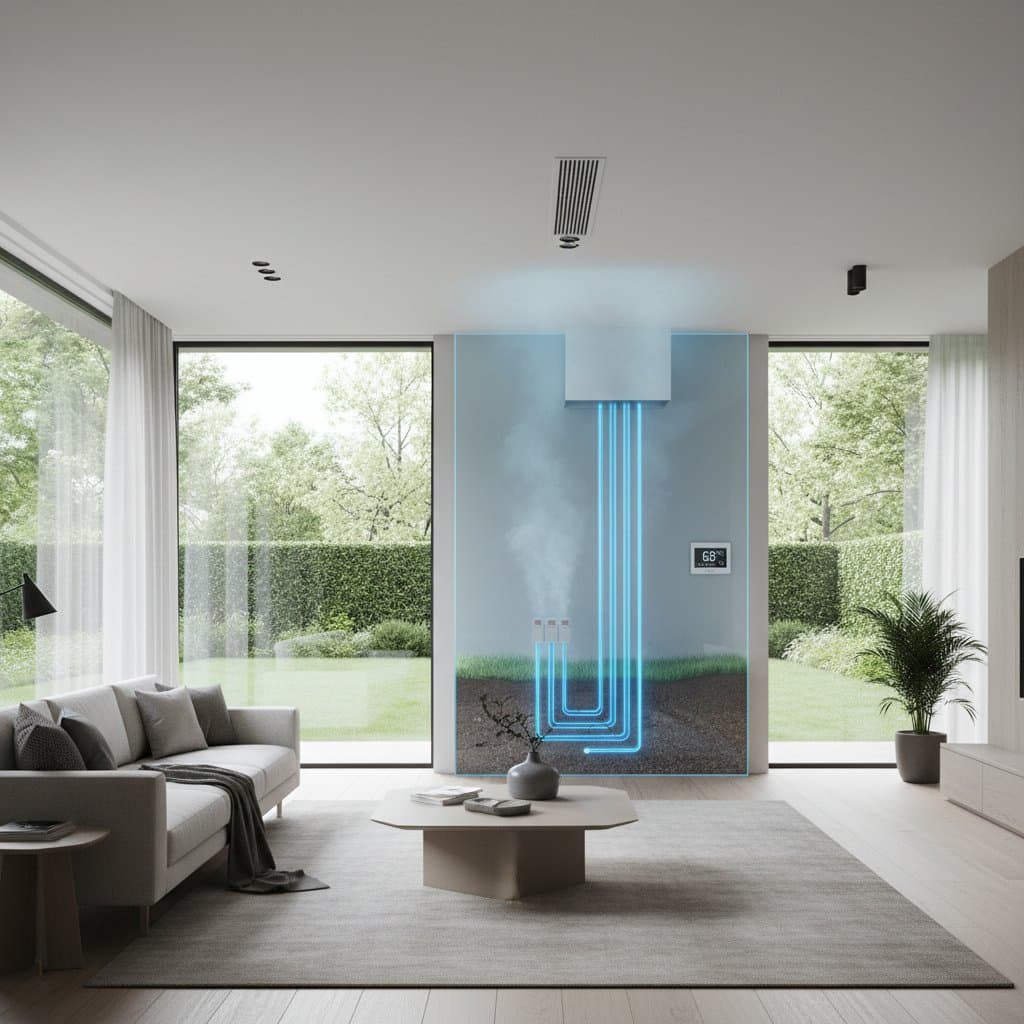
Closed-loop configurations install either horizontally or vertically, based on land availability. Horizontal setups demand greater surface area but involve shallower excavations, whereas vertical options fit compact properties through deeper boreholes.
2. Heat Exchange Mechanism
Fluid within the loop absorbs heat from the home in summer and deposits it into the ground. Given the relative constancy of subsurface temperatures, the system expends less energy on this exchange than air-dependent alternatives.
3. Indoor Air Distribution
Cooled air circulates via current duct systems or radiant setups. The gradual, ongoing process ensures stable interior conditions, eliminating the repetitive compressor cycles common in conventional units.
4. Management and Optimization
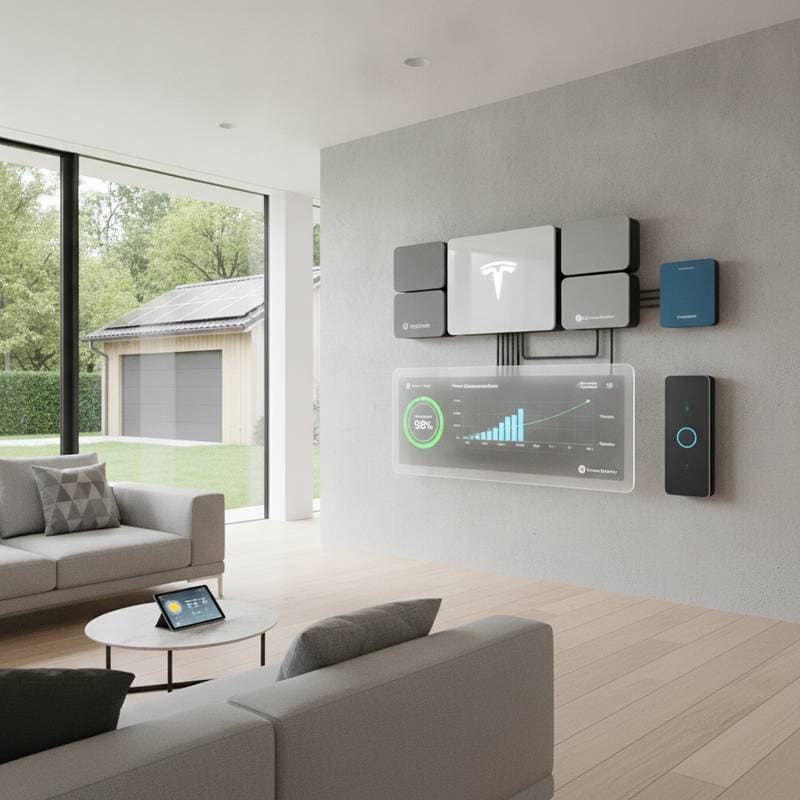
Contemporary geothermal units connect to intelligent thermostats and zoning features for accurate temperature regulation. This flexibility minimizes superfluous energy expenditure.
Strategies to Enhance System Performance
- Conduct a professional energy audit prior to setup to establish the home's existing efficiency level.
- Integrate geothermal cooling with superior insulation and energy-efficient windows to amplify outcomes.
- Employ programmable thermostats to sustain uniform comfort and prevent excessive cooling.
- Perform yearly inspections and upkeep on the loop system to guarantee enduring performance.
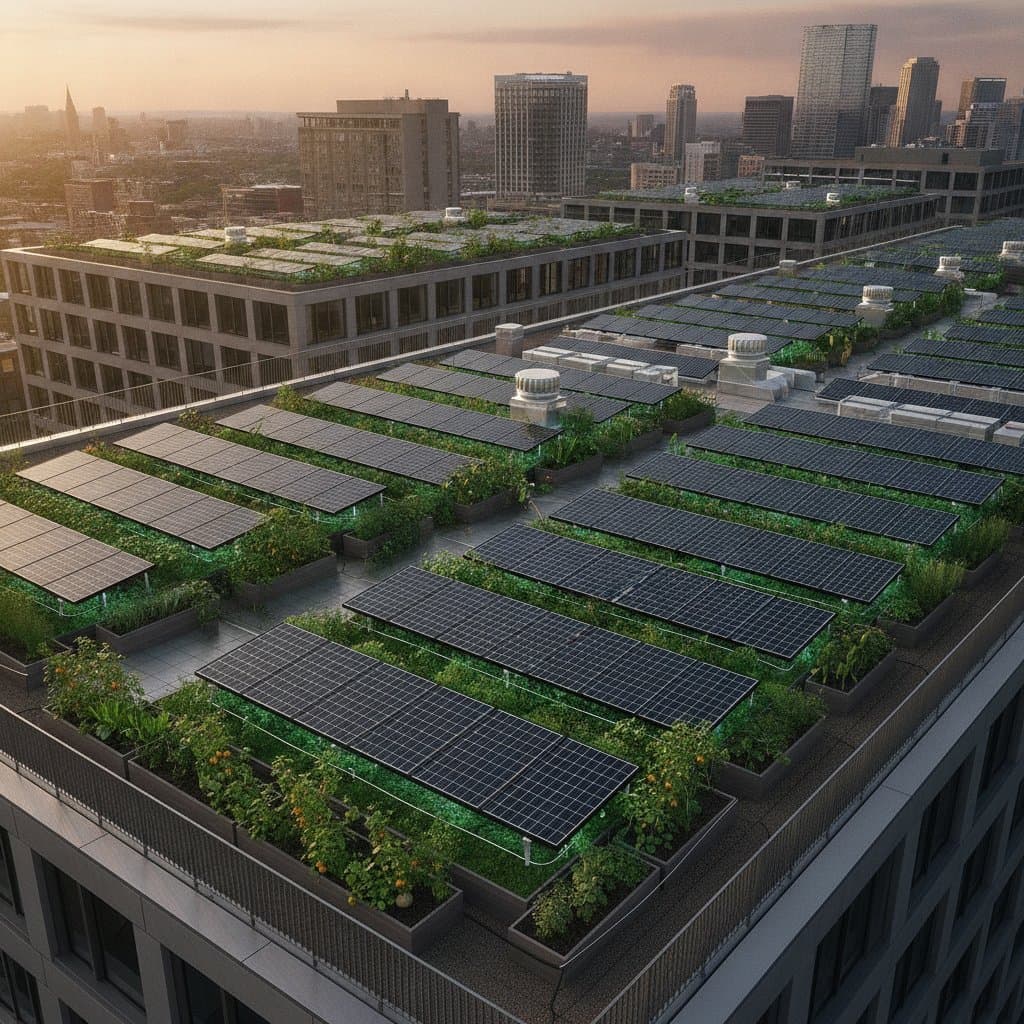
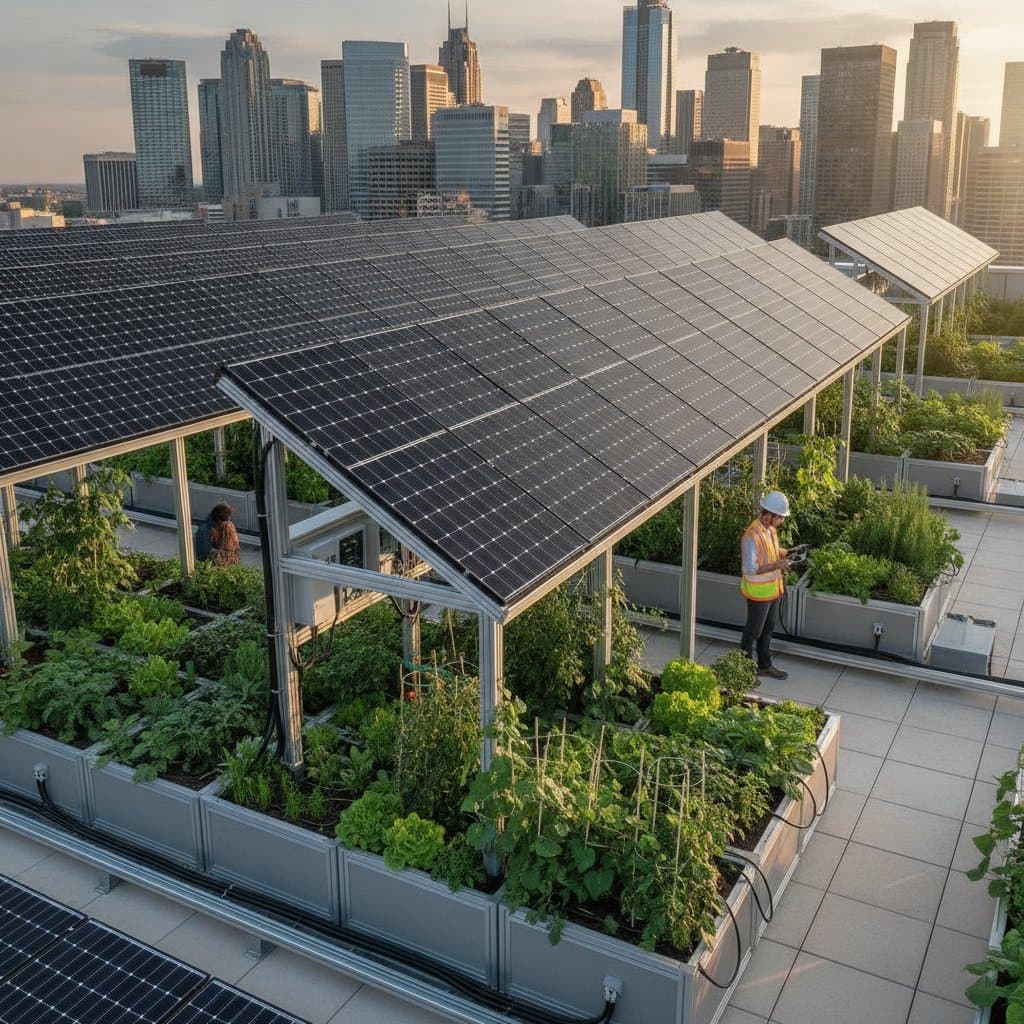
- Pair with renewable energy options, such as solar panels, to achieve a fully carbon-free cooling operation.
Essential Factors for Installation
Expenses and Return on Investment
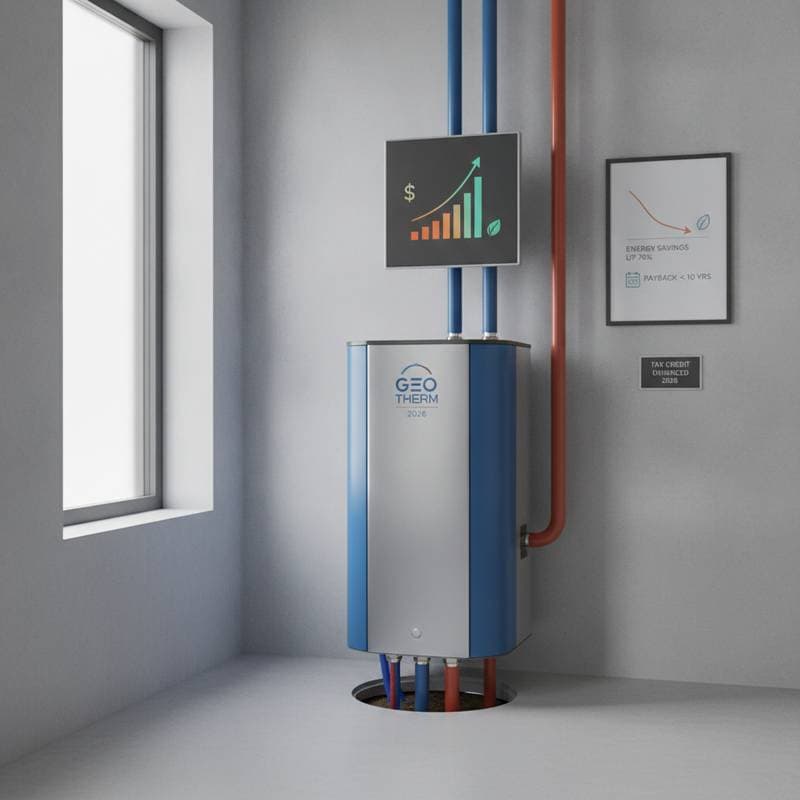
Upfront costs typically span $15,000 to $30,000, influenced by system scale, digging challenges, and ground characteristics. However, energy reductions of 40 to 60 percent often recoup the outlay in 5 to 10 years. Utilities and municipalities frequently provide rebates or favorable financing to facilitate adoption.
Ecological Effects
Decreasing dependence on fossil-fuel-derived power substantially lowers household carbon output. Across its service life, the system compensates for emissions equivalent to hundreds of trees planted on site.
Setup and Regulatory Processes
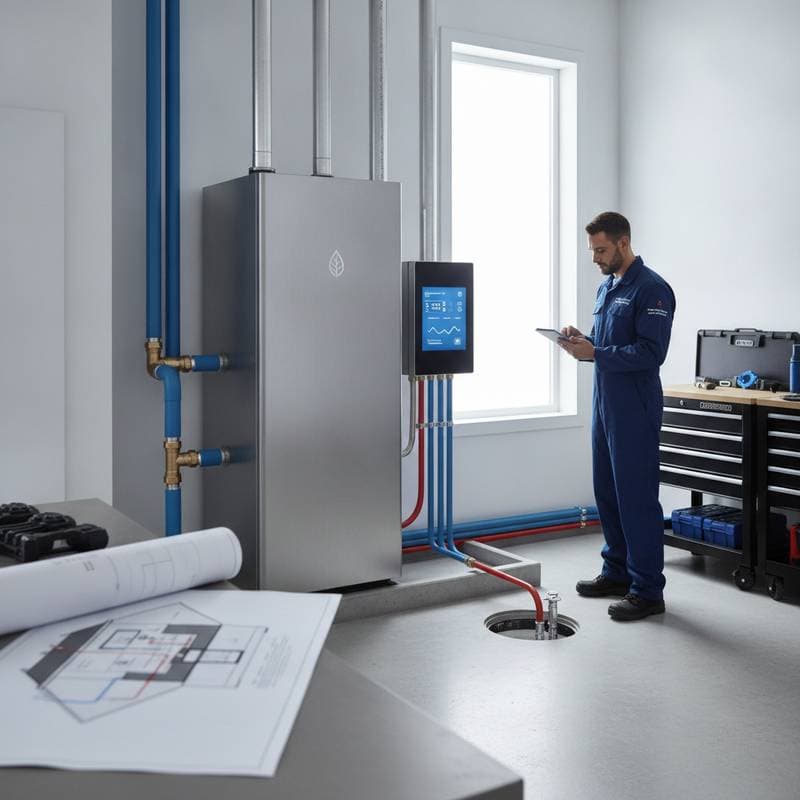
Certified specialists in ground-source heat pumps manage the project, including permits, ground analysis, and regulated drilling. Avoid self-installation of loops, since flawed execution risks fluid leaks, reduced performance, or harm to subsurface infrastructure.
Durability and Upkeep
Ground loops endure beyond 50 years, with interior elements lasting 20 to 25 years. Annual checks of refrigerant, filters, and pumps suffice, requiring less attention than routine HVAC maintenance.
Steps to Implement Geothermal Cooling
To pursue geothermal cooling, consult a qualified local specialist familiar with regional soil and weather. Such an expert can simulate the site's energy capacity and design a bespoke system aligned with the home's specifics.
View geothermal as the core of an eco-conscious residence, sourcing comfort directly from the earth. Post-installation, residents typically experience diminished utility statements alongside quieter, more even cooling that aligns naturally with daily life. In my work as a green building authority, I have witnessed homeowners gain profound assurance from a home that synchronizes with environmental principles.
For additional insights on geothermal cooling and complementary enhancements, explore resources at itsacoolerplanet.com and request a complimentary consultation with a certified ground-source installer.
Frequently Asked Questions
Q: What depths apply to geothermal loop installations?
A: Vertical loops generally reach 100 to 400 feet underground, whereas horizontal loops sit at 4 to 6 feet. Depth varies with soil properties and space constraints.
Q: Is it feasible to install geothermal systems in existing homes?
A: Affirmative, retrofits work for most structures. Success hinges on sufficient outdoor area or borehole access. An expert review determines the optimal arrangement.