Key Points
- Hempcrete walls capture and hold carbon throughout their lifespan, reducing a home's carbon footprint significantly.
- As a plant-based material, it balances indoor humidity and temperature, cutting energy use by up to 40 percent in diverse climates.
- Builders favor hempcrete for its durability, fire resistance, and safety, especially with evolving codes that support carbon-capturing materials.
- While upfront costs run higher, owners gain from lower bills, better air quality, and ongoing environmental gains.
Building Homes That Capture Carbon
Picture stepping into a home that stays cool on steamy summer days and holds warmth through chilly nights. The air feels crisp, the walls seem to adjust on their own, and energy bills stay manageable. In my work with sustainable designs, I often hear homeowners ask if they can reach this balance without heavy reliance on machines. The answer lies in hemp, a plant with deep history now powering modern eco-builds.
Hempcrete mixes the woody core of industrial hemp with lime and water, making it a top choice for green construction. It goes beyond basic insulation by actively cleaning the air. Hemp plants pull in carbon dioxide as they grow, and the lime locks it away during curing, storing greenhouse gases right in the walls.
Why Homeowners Turn to Hempcrete
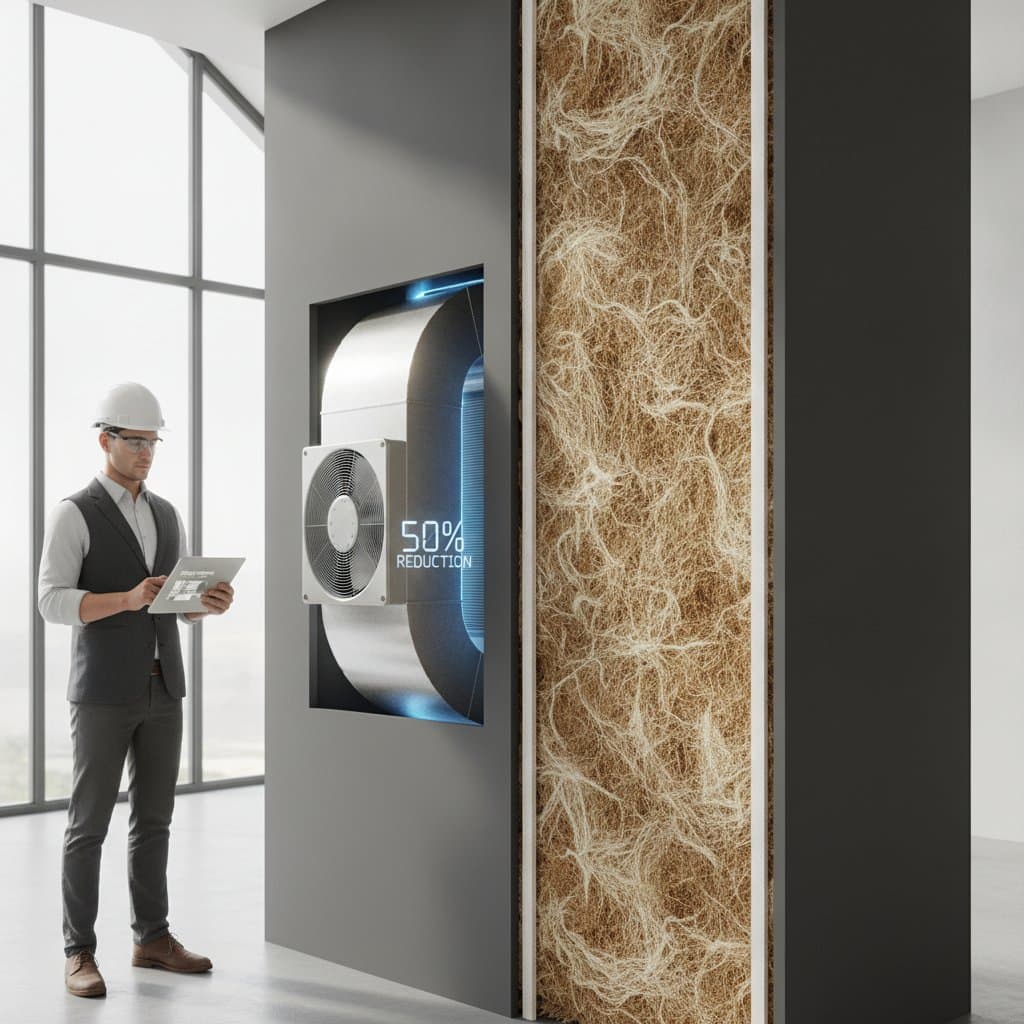
In regions with muggy summers or biting winters, homes lose energy through walls that fail to perform. Standard insulators trap air but can release chemicals or break down over years. Hempcrete works differently. Its open structure allows natural flow of moisture and heat. In many projects, this has lowered heating and cooling demands by 40 percent, improving daily life and saving money.
From hands-on projects, I see homeowners start with hempcrete for its green appeal, then value its toughness. These walls adapt to weather changes, resist mold, insects, and flames, all without synthetic treatments.
How Hempcrete Is Made and Works
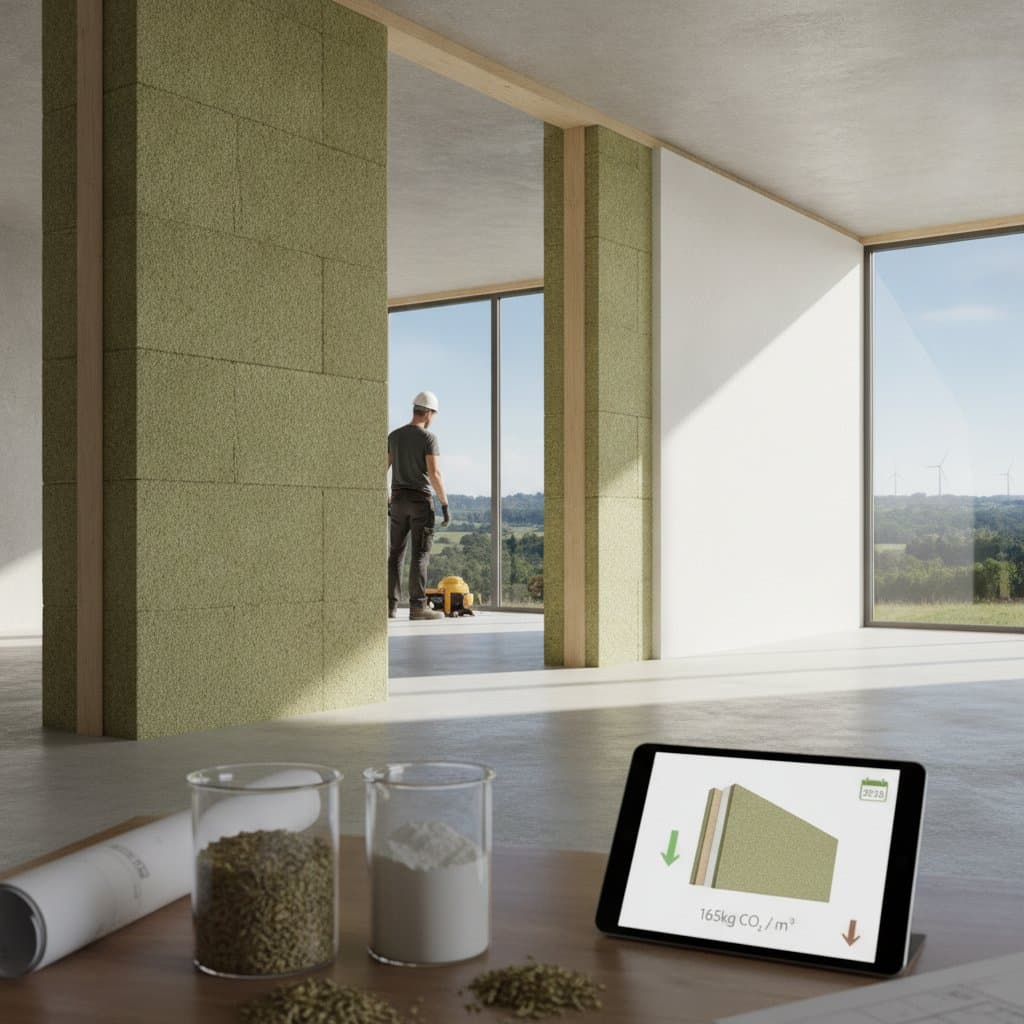
Hempcrete's power comes from simple parts. The hemp hurd, from the plant's inner stem, creates a light base with excellent heat storage. Lime binds it, hardening slowly while absorbing carbon dioxide from the air. The result is a strong, carbon-negative system.
Think of hempcrete as a smart buffer for energy and moisture. On hot days, it soaks up heat and delays its entry indoors. When nights cool, it releases that warmth steadily. This keeps rooms comfortable with far less need for heating or air conditioning.
Steps to Build with Hempcrete
Planning a hempcrete project? Experts use this proven method:
- Set the Frame: Build wall spaces with wood or metal frames to shape the build.
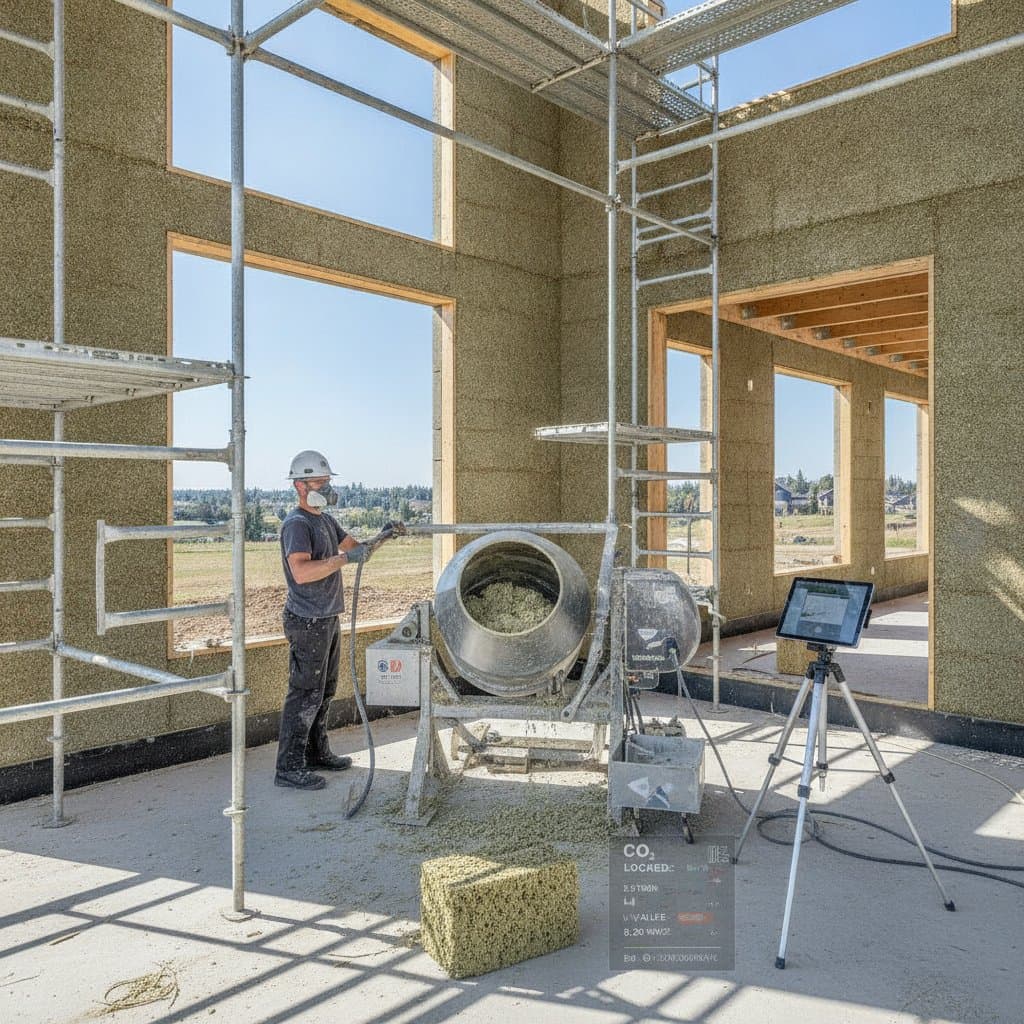
- Mix the Material: Blend hemp hurd, lime binder, and water into a loose, wet mix.
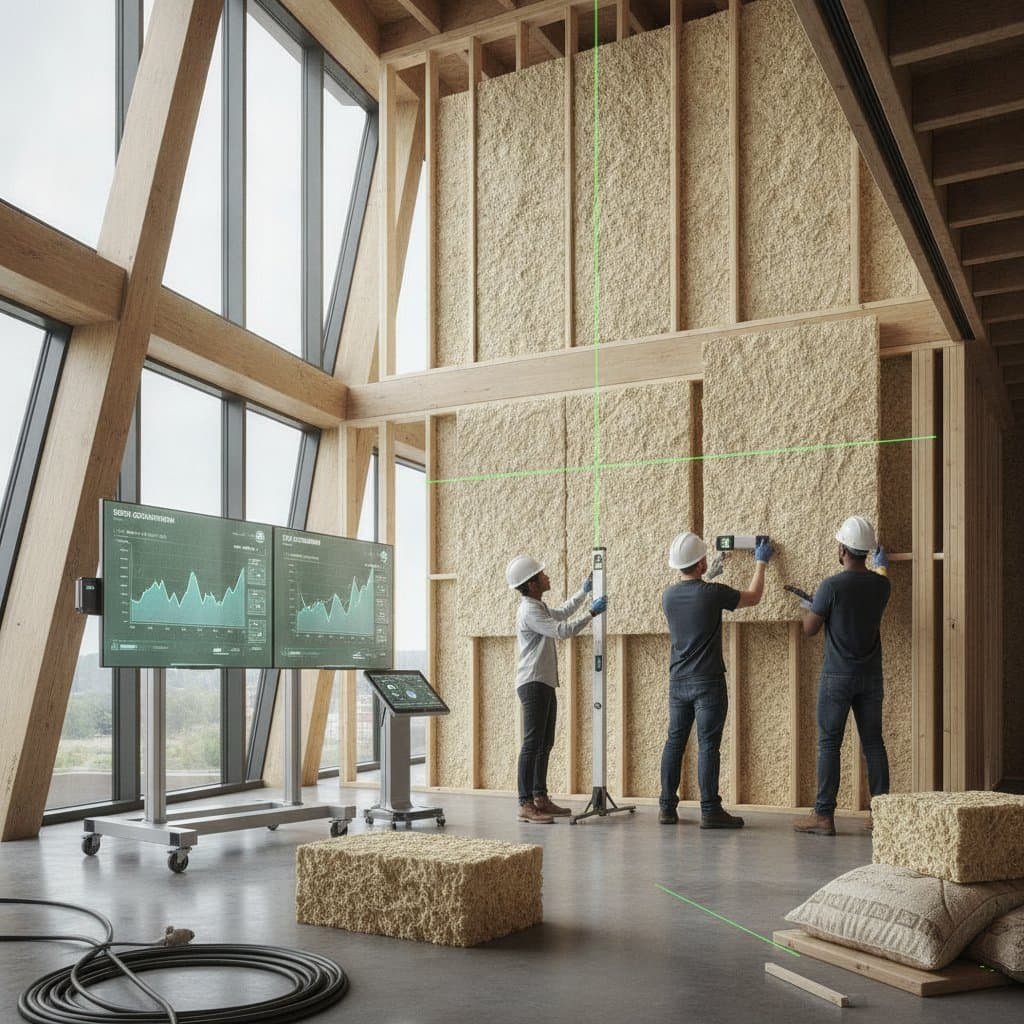
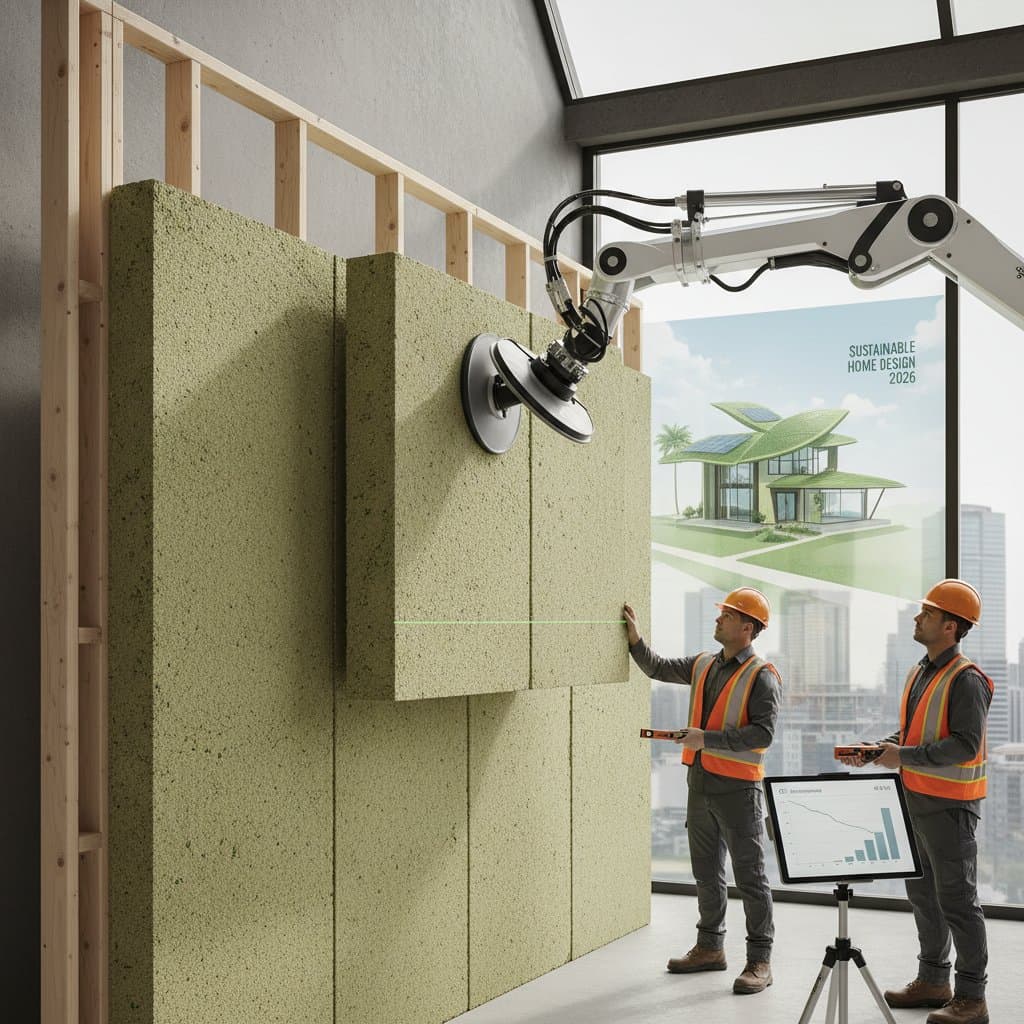
- Apply the Mix: Fill forms by pouring or packing in layers, using hand tools for small areas or machines for larger ones.
- Allow Curing: Let walls dry for weeks so lime hardens and draws in carbon dioxide.
- Finish the Surfaces: Add breathable plaster or lime coating to keep moisture moving freely.
Each step demands care. Hempcrete does not support weight, so pair it with solid engineering. Consult a certified sustainable builder to match the design and ensure curing conditions maximize results.
Ways to Boost Home Sustainability
- Add Passive Solar Design: Position windows and shades to work with hempcrete, capturing sun for light and cutting heat loss.
- Pair with Renewables: Link solar panels or geothermal systems to extend hempcrete's energy wins.
- Choose Local Hemp: Source from nearby farms to reduce shipping emissions and support local economies.
- Use Breathable Finishes: Pick coatings that let vapor pass, avoiding trapped moisture and maintaining performance.
Structural engineer Maria Levy, who has led several hempcrete builds, notes, "The key to success is respecting the material's natural breathability. Every layer above, from plasters to paints, must allow air and moisture to move."
Budgeting and Long-Term Gains
Most clients ask about costs upfront. Hempcrete runs $135 to $200 per square meter, depending on location and specifics. This tops typical insulation, but benefits often outweigh it. Lower energy use, less maintenance, and healthier spaces create strong returns.
Look at the whole picture, not just the start. Hempcrete lasts decades with little care. It creates clean interiors by managing moisture without harsh chemicals. Plus, it stores carbon, turning your home into an asset for the planet.
Environmental Wins and Building Codes
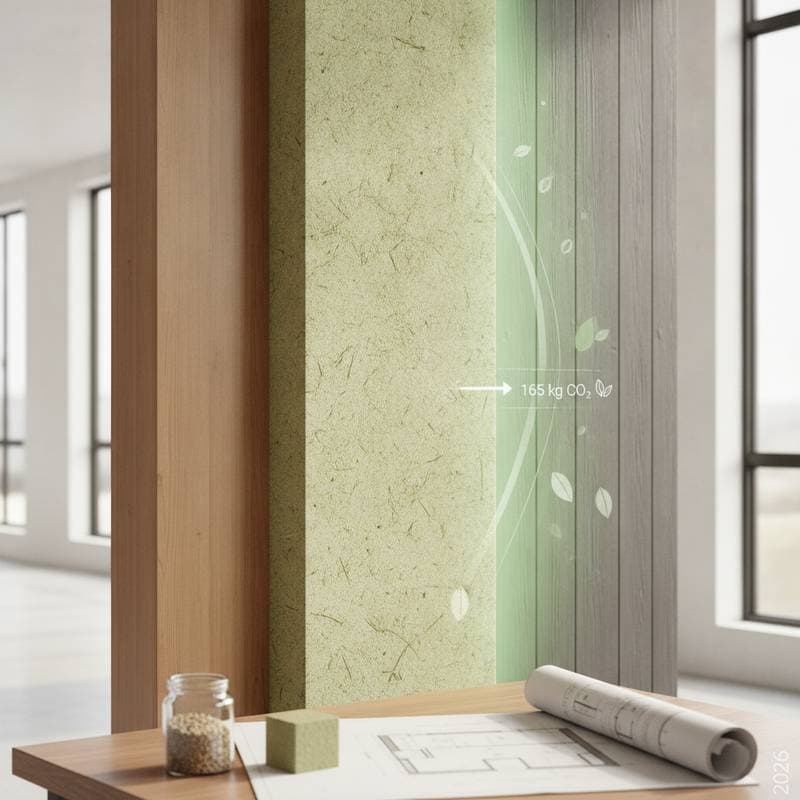
On the eco front, hempcrete stands out for carbon capture. One cubic meter holds about 165 kilograms of CO2. Few materials actively cut atmospheric carbon over time like this.
Codes in many places now accept hempcrete as a safe, effective option. Some regions provide incentives for low-carbon picks. As a sustainable building expert, I recommend working with local pros to navigate approvals smoothly.
Key Considerations for Homeowners
Before adding hempcrete, weigh these points:
- Timeline: Plan for weeks of curing before finishing.
- Climate Fit: It shines in humid or mild areas; extra insulation helps in extreme cold.
- Professional Help: Small DIY jobs work, but big projects need certified teams.
- Maintenance: Check surfaces regularly to keep humidity in check.
Covering these leads to dependable, lasting results.
Steps to Start Your Hempcrete Project
Ready to bring hempcrete into your build? Book a consultation with a green building specialist through our network. They assess your site, estimate costs, and link you to trusted sources. Attend local workshops for a firsthand look at how it performs.
Choosing sustainable materials like hempcrete means building with purpose. It cuts your impact, improves living spaces, and aligns your home with the earth's cycles.