Key Points
- Hydrogen heating offers a pathway to drastically reduce carbon emissions from residential heating while preserving the comfort and reliability that homeowners value.
- Retrofitting existing natural gas systems to accommodate hydrogen blends facilitates a smooth transition without necessitating complete replacements.
- Early adopters stand to gain from financial incentives, reduced long-term utility expenses, and increased property values amid rising demand for sustainable energy solutions.
- Effective management of safety, storage, and infrastructure requires collaboration with certified professionals and adherence to local regulatory programs.
The Future of Home Heating Takes Shape
As a green building professional, I have observed numerous homeowners grappling with a common challenge: achieving efficient home heating without contributing to environmental degradation. Escalating fossil fuel prices and heightened climate awareness are reshaping perceptions of comfort. Imagine entering a cozy home where the atmosphere remains fresh and temperate, fueled not by natural gas or oil, but by hydrogen, the element that constitutes the majority of the universe. This scenario draws nearer, as hydrogen heating emerges as a pivotal advancement in sustainable living.
For those confronting elevated energy costs or concerns over personal carbon emissions, hydrogen technology presents a viable solution. The progression from natural gas to hydrogen blends gains traction in clean energy-focused regions, with potential expansion to additional areas in the near term.
Limitations of Traditional Heating Systems
Conventional heating systems rely on fuels that generate environmental drawbacks. Natural gas and oil combustion releases carbon dioxide and additional pollutants with each operation. Research from various energy organizations indicates that residential heating accounts for approximately 15 percent of greenhouse gas emissions in numerous regions. Moreover, these systems expose homeowners to volatile fuel markets influenced by international supply dynamics.
In regions experiencing harsh winters or humid coastal climates, system inefficiencies manifest clearly. Aging boilers, inadequate insulation, and poor ventilation can dissipate up to 30 percent of generated heat. Consequently, expenses rise, comfort varies, and homes appear outdated in terms of sustainability.
Hydrogen combustion, by comparison, yields water vapor as its primary byproduct, eliminating carbon emissions at the point of use. This attribute positions hydrogen as an ideal option for decarbonizing home heating, while delivering the rapid response and consistent warmth associated with established systems.
Mechanics of Hydrogen Heating
Hydrogen heating systems function analogously to natural gas configurations, differing primarily in fuel type. Hydrogen integrates into heating through multiple approaches:
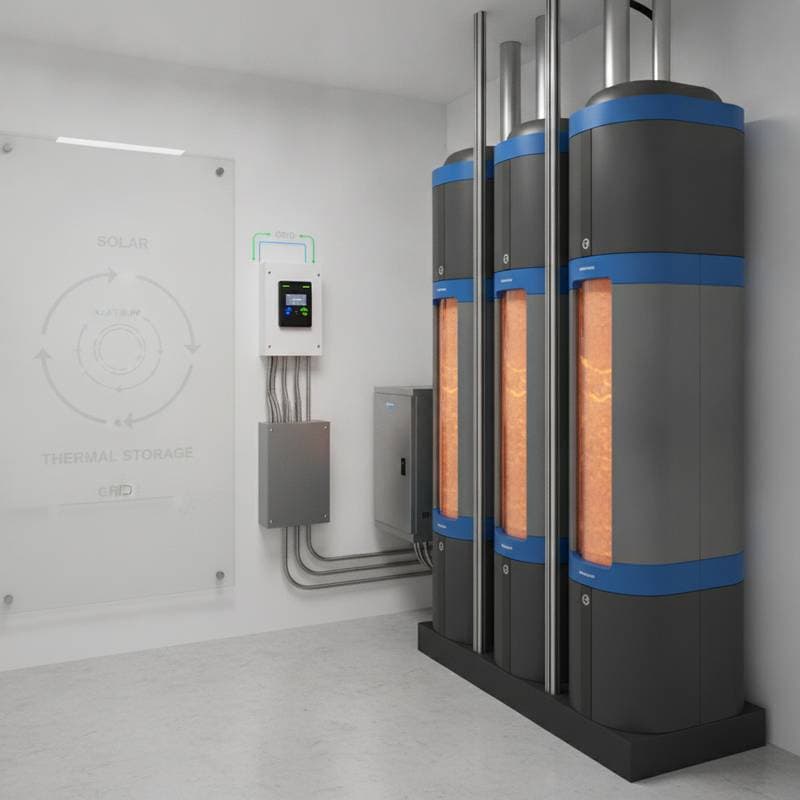
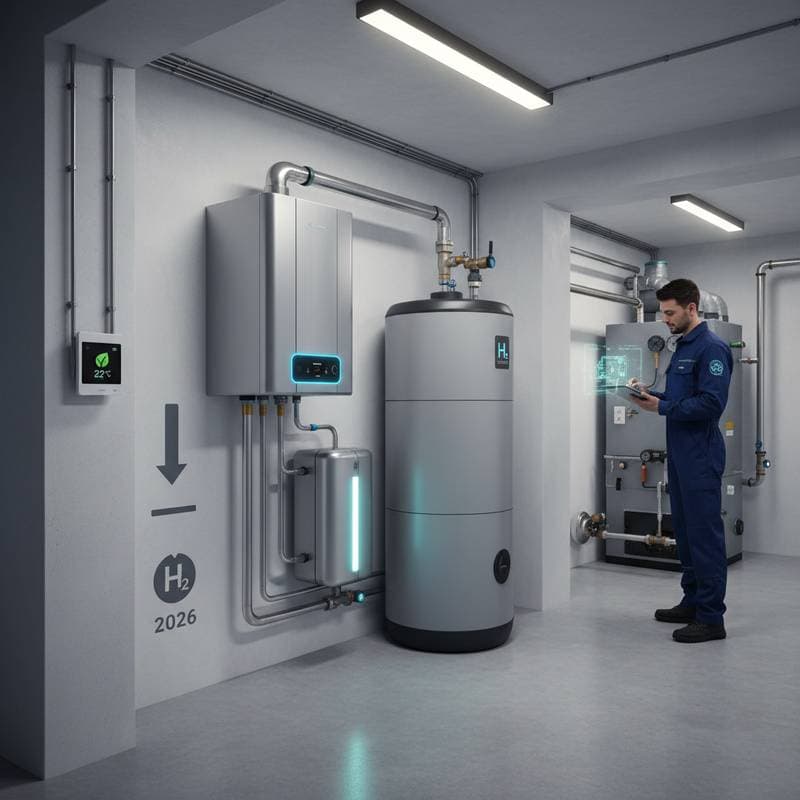
- Hydrogen-Ready Boilers: Engineered to operate on natural gas initially, these units adapt to pure hydrogen following network enhancements.
- Hydrogen Blends: Utilities incorporate hydrogen into existing gas supplies, typically up to 20 percent, with minimal infrastructure alterations, serving as an interim phase toward complete adoption.
- Fuel Cells: These generate electricity and heat via electrochemical reactions with hydrogen, achieving superior efficiency in contemporary eco-friendly residences.
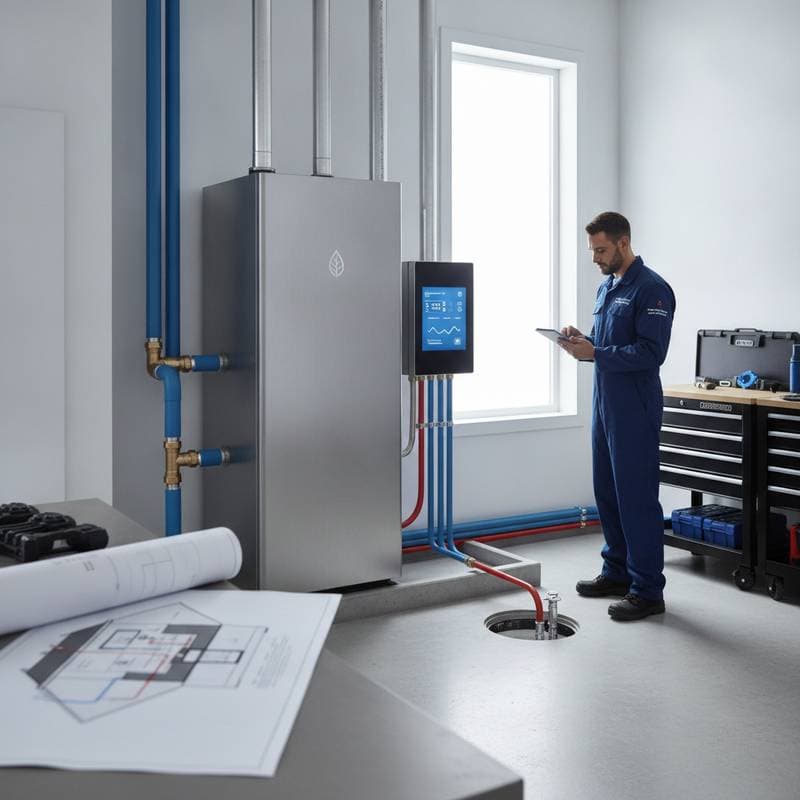
Hydrogen combustion avoids carbon dioxide production. Specialized materials and components accommodate hydrogen's compact, reactive molecules, ensuring safe operation. Certified installers uphold essential safety and performance criteria during implementation.
Preparing Your Home for Hydrogen Integration
Preparation for hydrogen adoption involves a structured, incremental strategy. Overhauls prove unnecessary; focus instead on compatibility enhancements that align with forthcoming systems.
Conduct a Comprehensive Energy Audit
Prior to technology investments, evaluate current performance deficiencies. A professional audit identifies insulation shortcomings, ventilation discrepancies, and ductwork leaks. Such issues persist across fuel types, as energy loss undermines efficiency irrespective of source.
Enhance Insulation and Air Sealing
Insulation serves as an effective thermal barrier. Appropriate materials, including cellulose, mineral wool, and rigid foam boards, elevate R-values substantially. Efficient heat retention enables selection of appropriately sized hydrogen systems, optimizing expenditure.
Install Hydrogen-Compatible Appliances
Manufacturers now produce hydrogen-ready boilers, cooktops, and fireplaces. Installation costs range from $3,000 to $6,000 for residential boilers, offset by emission reductions, rebate opportunities, and enhanced fuel adaptability over time.
Explore Hybrid Configurations
For partial transitions, consider hybrids combining heat pumps with hydrogen boilers. Electric heating suits moderate temperatures, while hydrogen activates during extreme cold, promoting overall efficiency and system resilience.
Strategies to Enhance Eco-Efficiency
Experience in sustainable retrofitting underscores the value of targeted interventions. To optimize hydrogen adoption:
- Perform annual system inspections to mitigate corrosion, secure seals, and sustain combustion integrity.
- Monitor local hydrogen pilot initiatives, as proximity to deployment areas may unlock early access or financial support.
- Implement advanced ventilation controls to manage airflow and prevent moisture accumulation in hydrogen systems.
- Incorporate smart thermostats for precise heat regulation, minimizing waste and elevating comfort levels.
- Engage certified specialists, confirming qualifications via accredited green energy initiatives.
Distinctions of Hydrogen from Alternative Clean Heating Methods
Options such as electric heat pumps, biomass boilers, and geothermal systems offer merits, yet hydrogen provides distinct advantages for diverse households.
- Infrastructure Compatibility: Hydrogen-ready boilers link to existing gas lines with limited modifications, curbing installation expenses.
- Robust Heat Delivery: Hydrogen combustion attains temperatures comparable to natural gas, ensuring prompt warming in frigid conditions.
- Extended Storage Capability: Unlike electricity requiring immediate utilization, hydrogen sustains prolonged storage.
- Grid Support: Hydrogen buffers excess renewable electricity, aiding stability during peak solar or wind generation.
Renewable energy engineer Dr. Lisa Hammond states, "Hydrogen allows us to use the same infrastructure that delivered fossil fuels but in a cleaner, smarter way. It bridges the gap between today’s homes and the carbon-neutral future we need to reach."
Mitigating Safety and Storage Challenges
Homeowners frequently prioritize safety, a valid focus given hydrogen's flammability. Contemporary systems incorporate layered protections, including leak sensors, pressure controls, and flame suppressors, integral to certified setups.
On-site storage demands outdoor or ventilated placement, distant from potential ignition points. Residential applications predominantly utilize pipeline distribution over compressed storage, thereby reducing hazards.
Compliance with regional codes and inspections remains essential. Licensed experts manage modifications, validating components against established safety benchmarks.
Financial Considerations for Hydrogen Heating
Clients often inquire about expenses, which vary by location, home dimensions, and conversion from oil or gas.
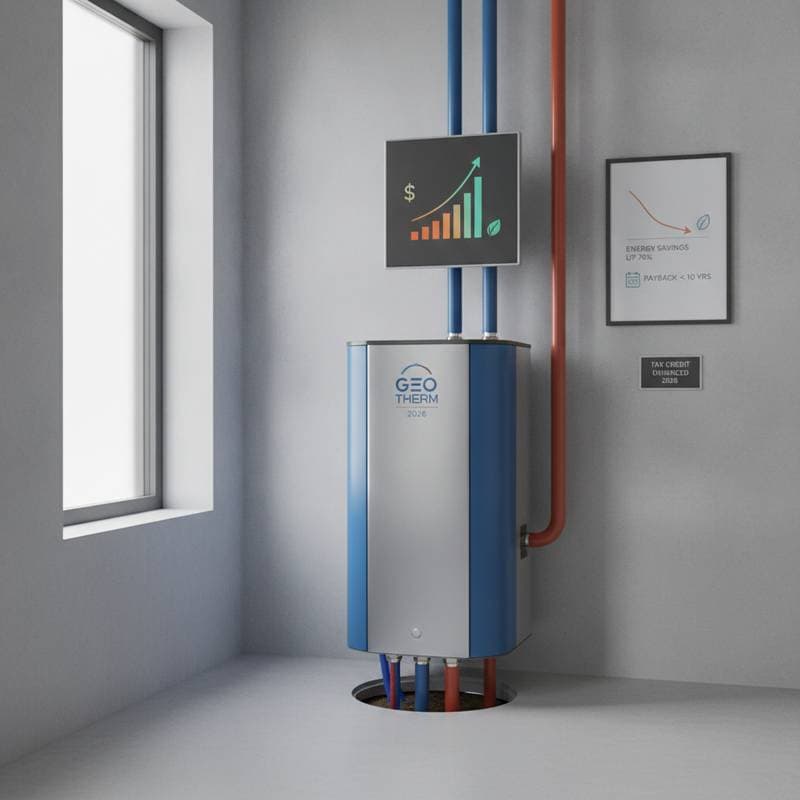
- Hydrogen-Ready Boilers: $3,000 to $6,000 for installation.
- Hydrogen Fuel Cells: $10,000 to $25,000, scaled by capacity and intricacy.
- Hybrid Systems: $7,000 to $12,000, integrating heat pump and hydrogen elements.
Initial investments appear substantial, yet green hydrogen from renewables enables local production, diminishing reliance on imports and fostering cost stability.
Broader Environmental and Community Impacts
Hydrogen adoption extends benefits beyond individual residences. Reduced emissions improve local air quality and community-wide carbon profiles. Infrastructure developments generate employment in engineering, plumbing, and renewables.
Early-adopting areas draw funding for synergistic technologies, such as solar-derived hydrogen and intelligent grids, enhancing collective resilience and sustainability ethos.
Energy consultant Daniel Ruiz observes, "Hydrogen is not just a fuel, it is a community enabler. It empowers local economies to produce, store, and use their own clean energy."
Steps to Implement Hydrogen Heating
To proceed, consult a qualified green building specialist via our platform for an initial assessment. Experts evaluate existing configurations, delineate hydrogen options, and navigate available rebates or certifications.
Track pilot programs and join readiness efforts, which frequently provide subsidized audits or equipment contributions. Pair these with insulation improvements and intelligent controls to establish a resilient, comfortable home aligned with future standards.
Hydrogen heating transitions from concept to reality through deliberate preparation, redefining warmth, efficiency, and environmental stewardship.
Frequently Asked Questions
How soon can homeowners transition to hydrogen heating?
Many areas test hydrogen blends within gas networks. Residents near pilots may access systems in coming years, contingent on infrastructure progress. Installing hydrogen-ready equipment now positions users advantageously.
What are the main safety features of hydrogen systems?
Systems include leak detectors, pressure regulators, and flame arrestors. Certified installations and professional oversight ensure compliance with rigorous standards.
How does hydrogen heating impact property value?
Adoption signals sustainability, appealing to eco-conscious buyers and potentially increasing resale value by 5 to 10 percent in green markets.
Are incentives available for hydrogen upgrades?
Local and national programs offer rebates, tax credits, and low-interest loans, varying by region; consult experts for eligibility.