Key Points
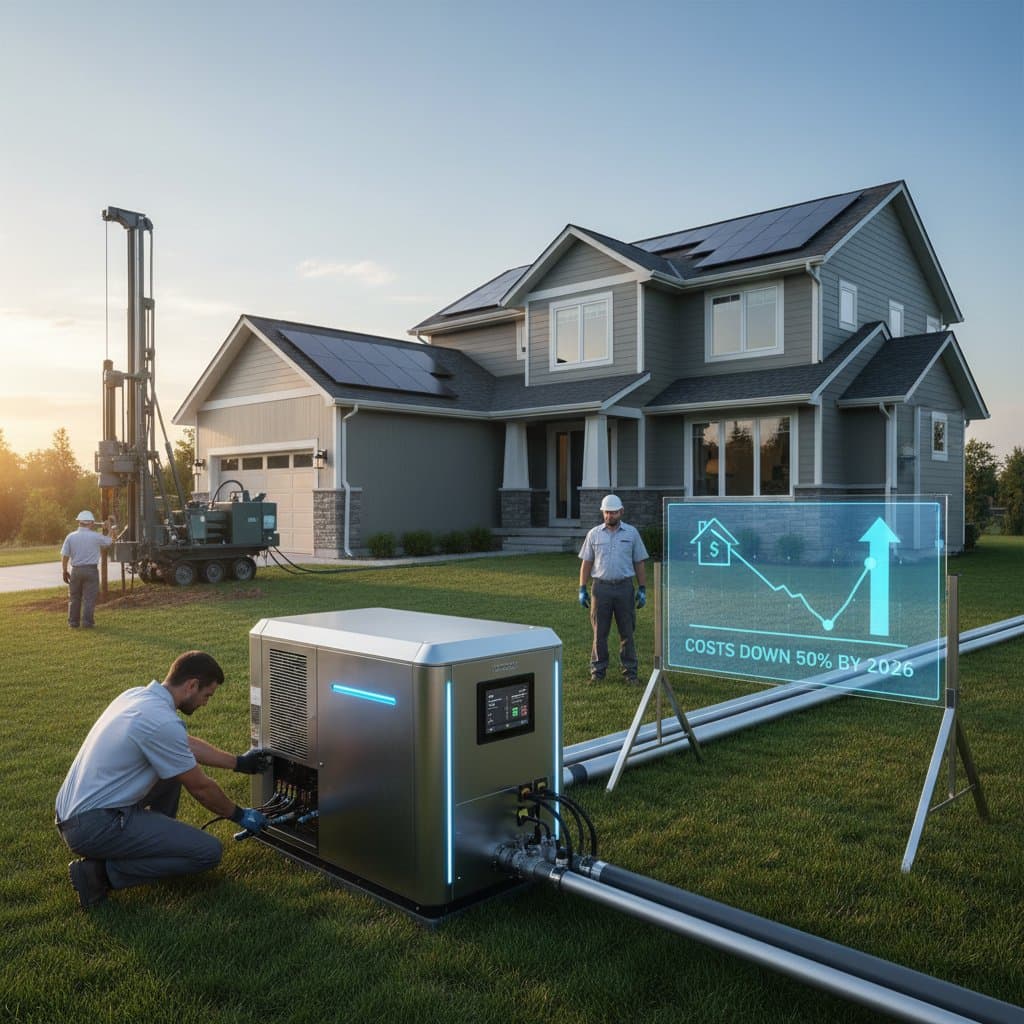
- Industry projections show geothermal HVAC costs declining by nearly 50% in the next few years, making this advanced technology accessible to more typical homeowners.
- Declines in equipment pricing, drilling efficiency, manufacturing processes, and installation approaches will significantly reduce upfront investments.
- Geothermal systems offer faster returns on investment, higher property valuations, and greater energy independence for users.
Understanding Geothermal Heating and Cooling
Imagine a single system that replaces your traditional furnace and air conditioner, tapping into the earth's consistent underground temperatures to deliver comfortable indoor environments year-round. This is the fundamental benefit of geothermal heating and cooling. In the past, the main obstacle has been the high cost associated with underground installations. Now, experts and manufacturers agree that pricing trends are shifting dramatically.
Increased production scales and improved drilling techniques point to a roughly 50% reduction in the total cost of installing ground-source heat pumps. These changes could alter how homeowners view practical and cost-effective choices for green upgrades.
Implications for Homeowners
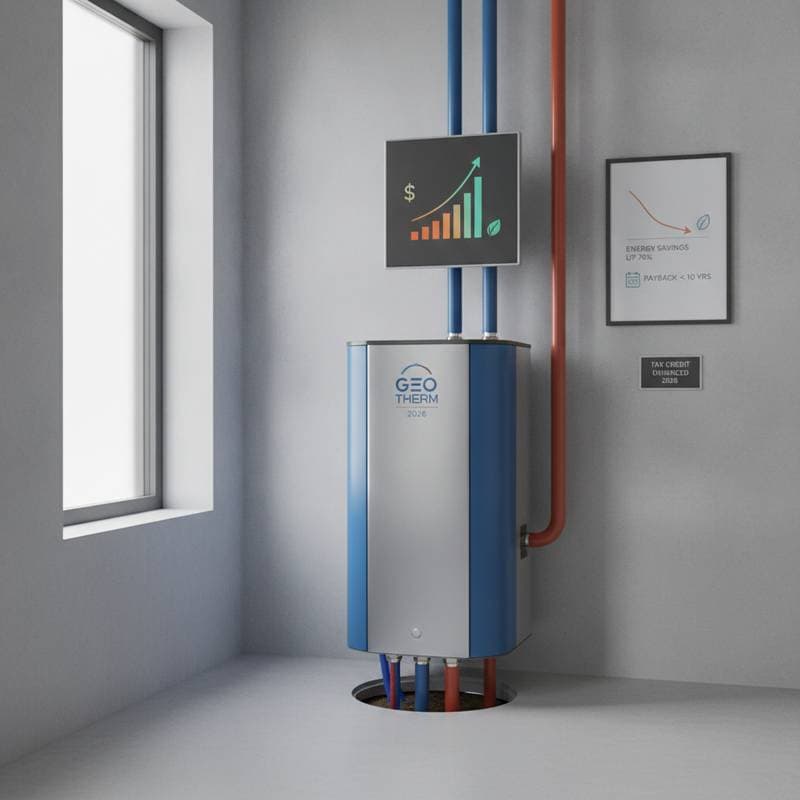
Energy bills represent one of the largest ongoing expenses for many households. Geothermal systems can cut heating and cooling costs by 40 to 70% compared to conventional setups. With falling initial costs, the financial case grows stronger.
Today, a typical residential system costs between $18,000 and $35,000, depending on property size and configuration details. Expected reductions in parts and excavation could bring this range down to $9,000 to $18,000. As a result, payback periods may shorten from over ten years to five to seven years.
Such shifts allow homeowners to realize long-term savings sooner and increase real estate appeal. Homes equipped with energy-efficient features often sell faster and command higher prices, especially to buyers who value low operating costs and environmental responsibility.
Innovations Driving Cost Reductions
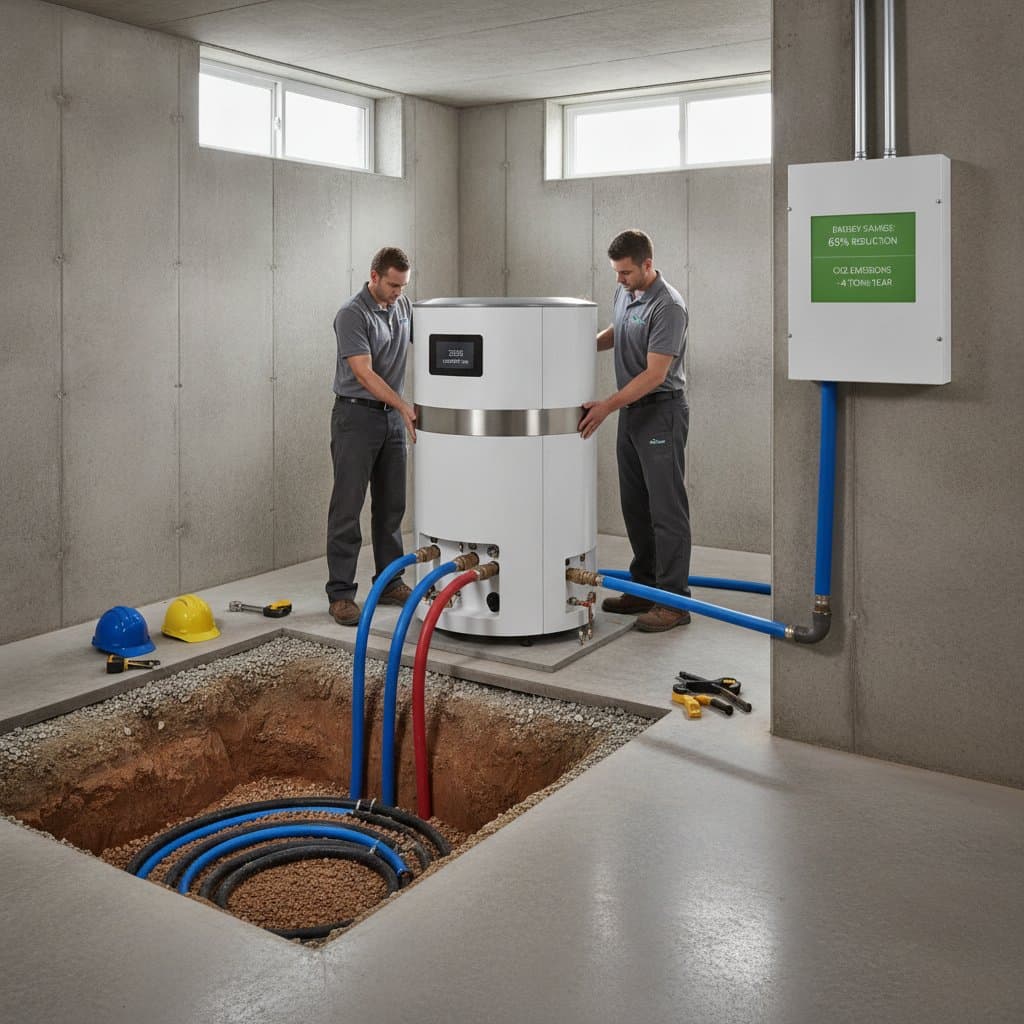
Several breakthroughs support this downward trend. More efficient manufacturing has simplified heat pump assembly, and new materials have lowered the expense of ground loops. Advanced vertical drilling rigs now complete work faster with fewer workers, cutting project timelines and minimizing site disruption.
Shared geothermal projects are emerging as well, connecting multiple homes to a single loop network. This shared model spreads infrastructure costs across participants, reducing individual expenses while maintaining performance levels.
In addition, sophisticated digital modeling software improves design processes. These programs predict heat needs accurately and recommend ideal system sizes, preventing overbuilt setups that once inflated budgets.
Environmental and Lifestyle Benefits
Beyond finances, geothermal systems deliver clear environmental wins. They eliminate on-site combustion, sidestepping emissions from gas or oil. By transferring heat rather than generating it, these setups rank among the cleanest and most efficient HVAC options available.
Benefits extend to better indoor air quality and a smaller carbon footprint. The systems operate quietly, with main components buried or housed indoors. For households seeking calm, low-maintenance climate control, geothermal offers dependable performance and peace.
On durability, ground loops last over 50 years, while indoor components often endure twice as long as standard air conditioners. Fewer replacements translate to less waste and lower lifetime costs.
Exploring Financing and Incentives
Even with upcoming price drops, financing options remain essential. Banks now recognize geothermal as a sound investment, offering favorable rates through dedicated energy-efficiency loans. Some regions provide utility rebates or tax credits to encourage adoption.
Homeowners should research local programs supporting renewable upgrades. Combining lower equipment prices with these incentives makes installations feasible for a wider range of budgets.
A smart approach includes evaluating total ownership costs, not just the purchase price. Consider anticipated energy savings, maintenance needs, and potential property value gains to assess true returns.
Addressing Common Concerns
Is My Home Suitable for Geothermal?
Most properties work with proper design. Smaller lots can use vertical loops, while larger areas accommodate horizontal layouts.
Will Drilling Damage My Landscape?
Modern techniques keep disruption minimal, and crews restore yards quickly after finishing.
How Much Maintenance Is Involved?
Routine tasks include changing filters and annual inspections. No outdoor units means protection from weather and debris.
Does It Perform in Extreme Climates?
Yes, the steady ground temperatures support reliable function during cold winters or hot summers.
Preparing for a Geothermal Upgrade
Homeowners considering a switch should see the approaching cost declines as an ideal time to prepare. Waiting for prices to settle has merit, but acting soon accesses current incentives and starts savings immediately.
Start with a site assessment from certified professionals. Check incentive eligibility via local energy agencies. Weigh overall advantages against other options to ensure the choice fits your goals, delivering comfort and efficiency for decades.