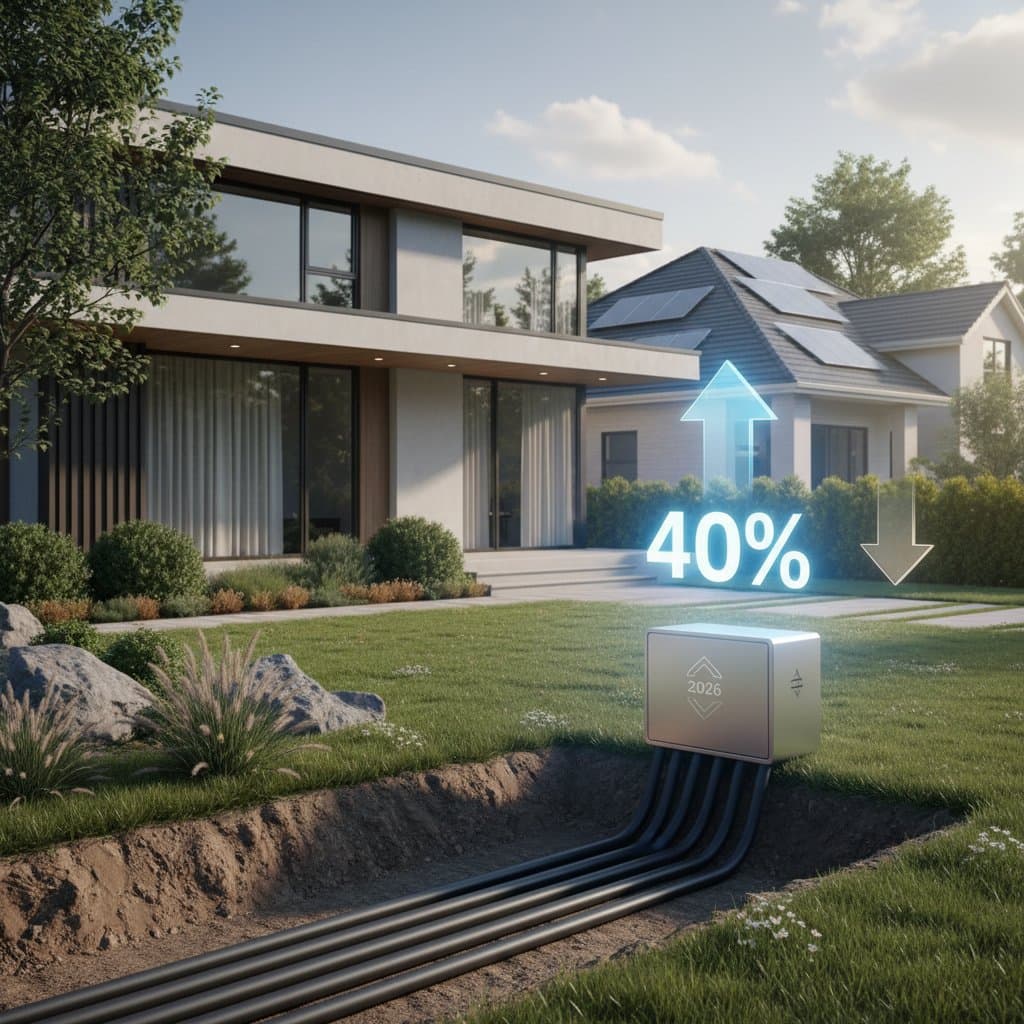
Why 2026 Geothermal Incentives Outperform Solar Returns
Homeowners seeking sustainable energy upgrades often consider solar panels as the primary option. However, geothermal heating and cooling systems, known as ground-source heat pumps, present a compelling alternative. These systems gain prominence due to their superior efficiency and the substantial incentives projected for 2026, which enhance financial returns beyond those of solar installations.
Geothermal technology leverages the earth's stable underground temperatures to provide heating and cooling. This approach delivers consistent performance regardless of weather conditions. As policy shifts emphasize comprehensive energy solutions, geothermal incentives are set to offer greater coverage, making them a strategic choice for reducing long-term utility expenses.
Essential Advantages of Geothermal Systems
Geothermal systems provide multiple benefits that position them ahead of solar in key areas. Consider these core strengths:
- Energy bill reductions reach up to 65 percent compared to traditional HVAC systems, focusing savings on heating and cooling, which dominate household utility costs.
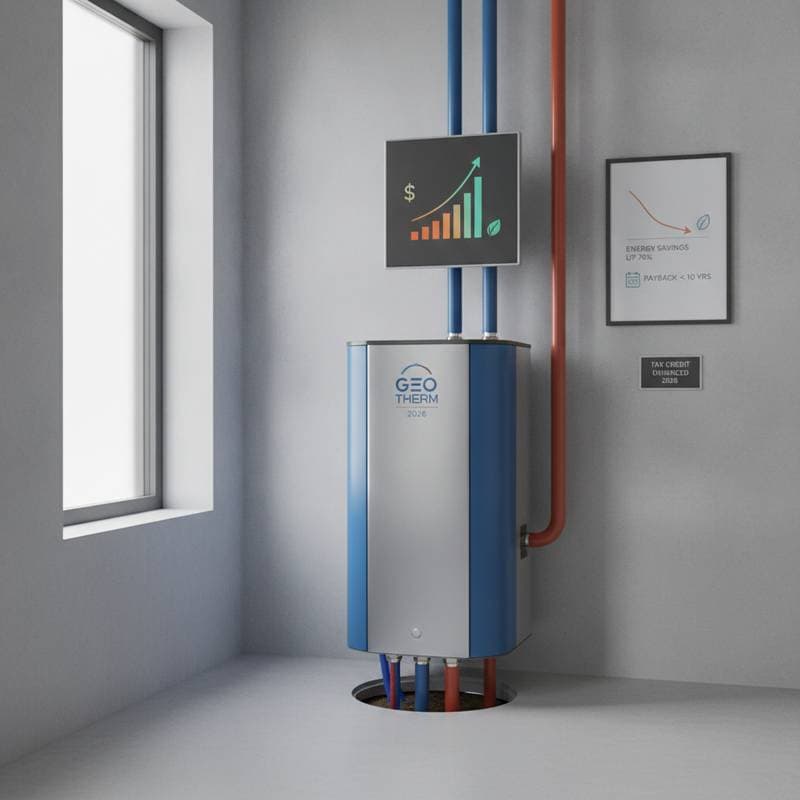
- Incentives in 2026 are expected to cover 30 to 40 percent of installation expenses, varying by regional programs and influenced by federal initiatives.
- Unlike solar, which sees diminishing rebate percentages over time, geothermal programs prioritize technologies with broad seasonal applicability.
- The heat pump component lasts 25 to 30 years, while ground loops endure 50 years or more, ensuring decades of reliable service.
- Annual maintenance expenses are approximately 25 percent lower than those for air-source heat pumps, thanks to fewer exposed components.
- Systems operate at efficiencies of 400 percent, meaning four units of heat output per unit of electricity input, far surpassing solar's conversion rates.
These factors combine to accelerate payback periods and maximize lifetime value, appealing to budget-conscious homeowners.
Side-by-Side Comparison: Geothermal Versus Solar
A direct evaluation of costs, performance, and incentives reveals why geothermal edges out solar in 2026. The table below highlights critical differences.
| Feature | Geothermal System | Solar Panels |
|---|---|---|
| Typical Efficiency | 400% (heat output per energy input) | 15% to 22% (electricity conversion rate) |
| Average Lifespan | 25-30 years for heat pump; 50+ for loops | 20-25 years |
| Incentive Value | 30-40% of system cost | 20-26% of system cost |
| Maintenance Costs | Low; minimal moving parts | Moderate; requires inverter replacements |
| Performance Reliability | Year-round, weather-independent | Dependent on sunlight and seasons |
| Energy Coverage | Heating, cooling, and hot water | Electricity offset only |
Solar panels excel in generating electricity during peak sunlight hours but falter in cloudy climates or during non-daylight needs. Geothermal systems, by contrast, maintain steady output through underground loops, eliminating seasonal variability. This reliability proves invaluable for homes in diverse climates, from frigid winters to humid summers.
Furthermore, geothermal installations address both heating and cooling demands with one setup. Solar requires additional components, such as batteries or electric heaters, to achieve similar versatility, inflating overall expenses. Energy experts emphasize that this integrated approach yields broader savings, particularly as electricity rates rise.
Practical Examples of Savings and Implementation
Imagine a family in a moderate climate replacing an outdated gas furnace and central air unit with a geothermal system. The total installation cost stands at $25,000, including horizontal ground loops suited to their suburban yard. A 35 percent incentive reduces the out-of-pocket expense to $16,250.
Annual savings average $1,800 through lower heating, cooling, and water-heating bills. The investment recoups in approximately eight years. Over the system's 25-year lifespan, cumulative savings surpass $45,000, factoring in modest electricity rate increases.
In comparison, a comparable solar array might cost $25,000 after incentives and save $1,200 yearly on electricity alone. Without integration for heating, the system leaves significant utility portions unaddressed. Homeowners report greater satisfaction with geothermal due to its comprehensive coverage and reduced reliance on fossil fuels.
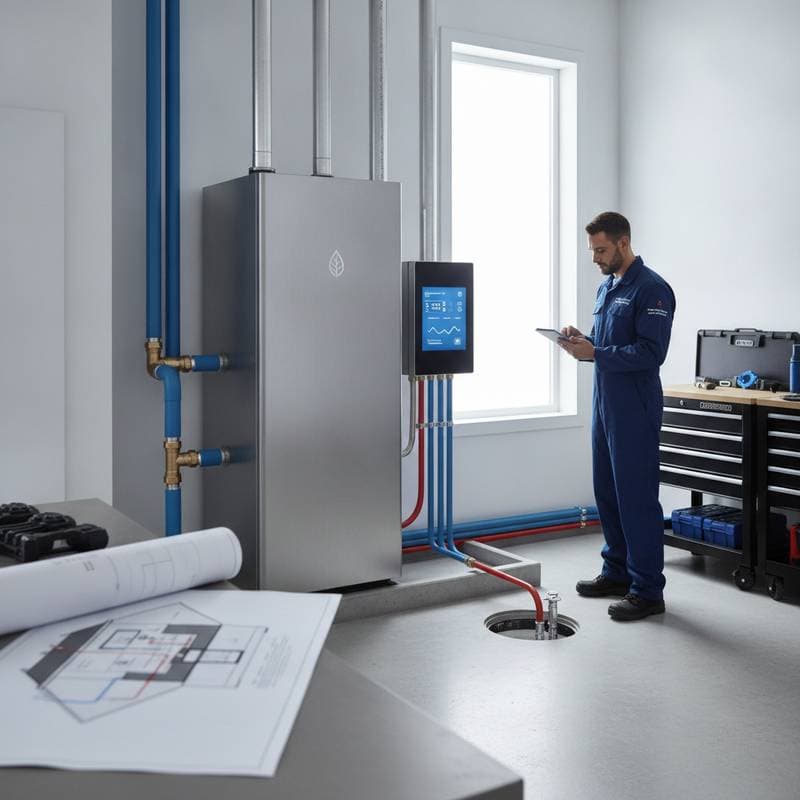
To apply this in your home, assess your current energy usage. Review utility bills to identify heating and cooling as primary costs, which geothermal targets directly. Consult certified professionals for a site evaluation, ensuring the system aligns with your property's soil conditions and space constraints.
Insights from Energy Professionals
Experts in renewable energy underscore geothermal's role in future-proofing homes. Dr. Alicia Romero, an environmental systems engineer, states that ground-source heat pumps offer "the most stable and predictable energy savings available in residential construction." She highlights how these systems minimize peak demand on grids, supporting broader sustainability goals.
Researchers from leading energy laboratories observe that adoption surges in areas with robust incentives. In regions with tiered rebate programs, geothermal installations have increased twofold over recent years. This trend reflects a policy focus on technologies that deliver full-spectrum efficiency, rather than partial solutions like solar.
Professionals also predict that 2026 marks a pivotal year, with enhanced federal funding directing more resources toward geothermal. This shift encourages homeowners to act promptly, securing optimal incentive levels before potential adjustments.
Steps to Secure Geothermal Incentives
Transitioning to geothermal requires deliberate planning to capture maximum benefits. Begin by verifying eligibility through your local utility provider or state energy department. Most programs mandate pre-approval and limit rebates to certified installations.
Gather quotes from at least three qualified contractors, emphasizing those experienced in ground-source systems. Inquire about efficiency ratings and warranty details to qualify for performance bonuses. Submit all documentation, including invoices and energy audits, within program deadlines to avoid forfeitures.
Evaluate installation options based on your property. Horizontal loops suit larger lots and cost less per foot, while vertical drilling fits urban spaces but involves higher upfront drilling fees. Post-installation, conduct a professional tune-up to optimize performance and document savings for future rebate claims.
Combine incentives where possible, such as pairing federal tax credits with local utility rebates. This layered approach can elevate effective coverage beyond 40 percent, shortening payback timelines significantly.
Building a Resilient Energy Future
Geothermal systems extend beyond immediate savings to foster enduring home resilience. They reduce carbon footprints by displacing fossil fuel use, contributing to community-wide environmental gains. Homeowners benefit from enhanced indoor comfort, quieter operation, and protection against volatile energy prices.
As incentives peak in 2026, this technology positions households for decades of efficiency. By prioritizing geothermal, individuals invest in a stable, sustainable foundation that solar alone cannot match. The result is a cooler planet, one efficient home at a time.