Key Benefits of Geothermal Systems
- Geothermal heating and cooling deliver superior efficiency and substantial long-term savings.
- Initial installation costs exceed those of conventional systems, yet operating expenses drop significantly.
- Advanced ground-source heat pumps reduce energy consumption by more than 50 percent relative to fossil fuel alternatives.
- These systems suit homeowners seeking durable upgrades that enhance comfort, resilience, and property value.
Understanding Geothermal Comfort
Imagine a harsh winter day when neighbors huddle near noisy furnaces, yet your home maintains ideal warmth in silence, free from fuel odors. Geothermal energy achieves this by harnessing stable underground temperatures to heat or cool your living space. Rather than battling external weather, the system taps into the earths consistent thermal reservoir, functioning like a natural, built-in regulator.
Homeowners increasingly recognize that while solar panels capture sunlight above, geothermal installations operate efficiently below ground, providing daily comfort and cost reductions. This technology, though established, gains prominence amid rising energy prices, growing environmental consciousness, and advancements in equipment design. As a result, geothermal emerges as a prudent choice for comprehensive home improvements.
The Mechanics of Geothermal Efficiency
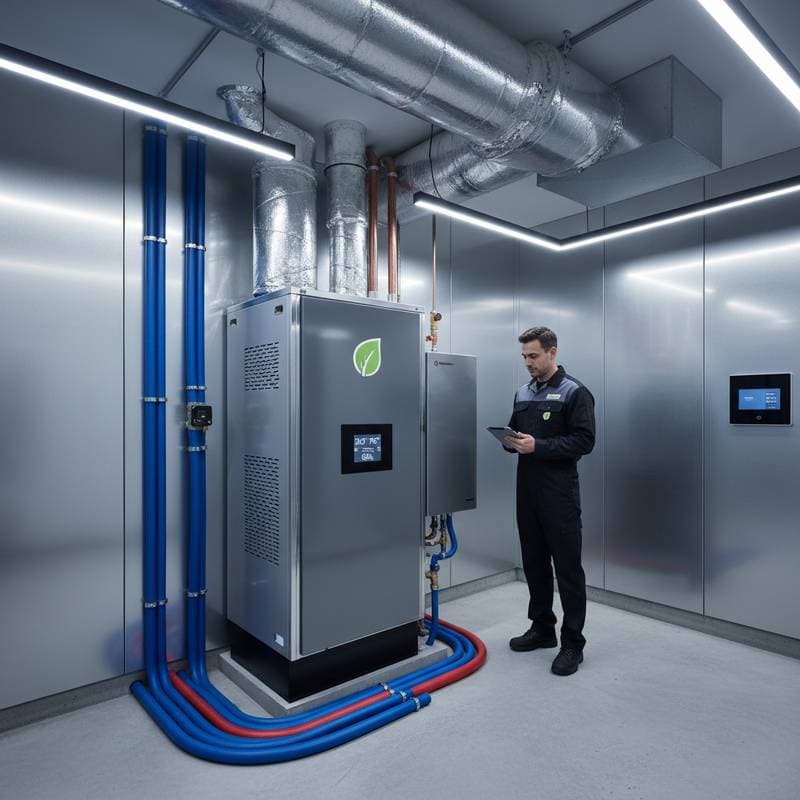
Geothermal heat pumps transfer heat rather than produce it from scratch. In cold months, the system extracts warmth from the ground and delivers it indoors. During warmer seasons, it shifts operation to expel excess heat back into the earth.
This process relies on the earths steady subsurface temperatures, which remain unaffected by surface extremes. Consequently, geothermal avoids the efficiency losses that affect air-source systems during temperature swings. Homeowners benefit from reliable performance that minimizes energy demands throughout the year.
Financial and Environmental Advantages
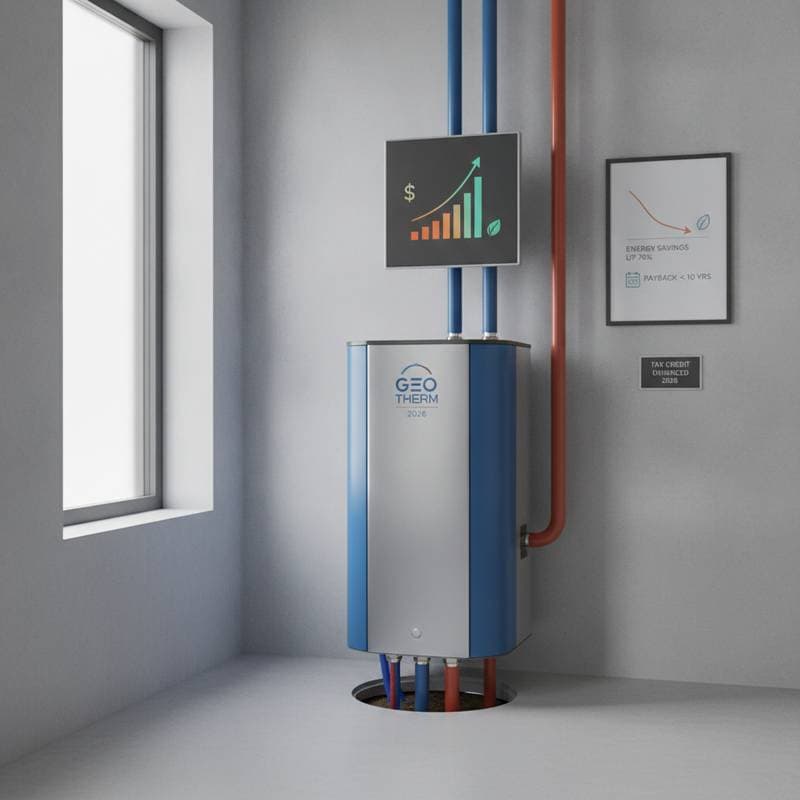
The reliability of geothermal systems yields notable economic and ecological gains. These installations lower heating and cooling expenses by 40 to 70 percent compared to standard configurations. Additionally, components like underground loops endure for 50 years or longer, reducing the need for frequent replacements.
For those prioritizing enduring investments, this longevity breaks the pattern of upgrading systems every 10 to 20 years. Environmentally, geothermal reduces dependence on fossil fuels, thereby decreasing greenhouse gas emissions. When integrated with renewable power sources, operations approach carbon neutrality, supporting broader sustainability goals.
Essential Planning Steps
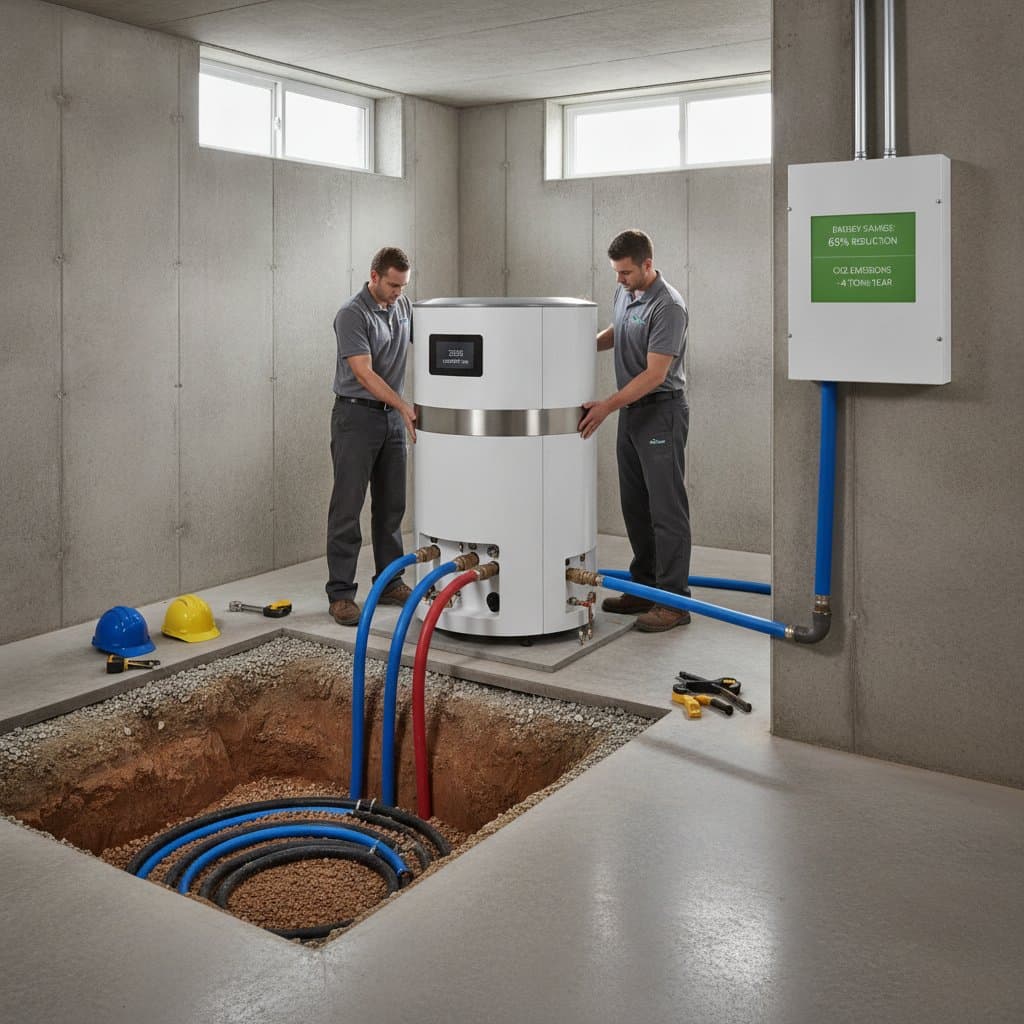
Effective planning maximizes geothermal benefits and avoids common pitfalls. Begin with a site evaluation that examines soil composition, available yard space, and drilling accessibility. Horizontal loop configurations demand larger surface areas, whereas vertical loops accommodate compact properties through deeper excavation.
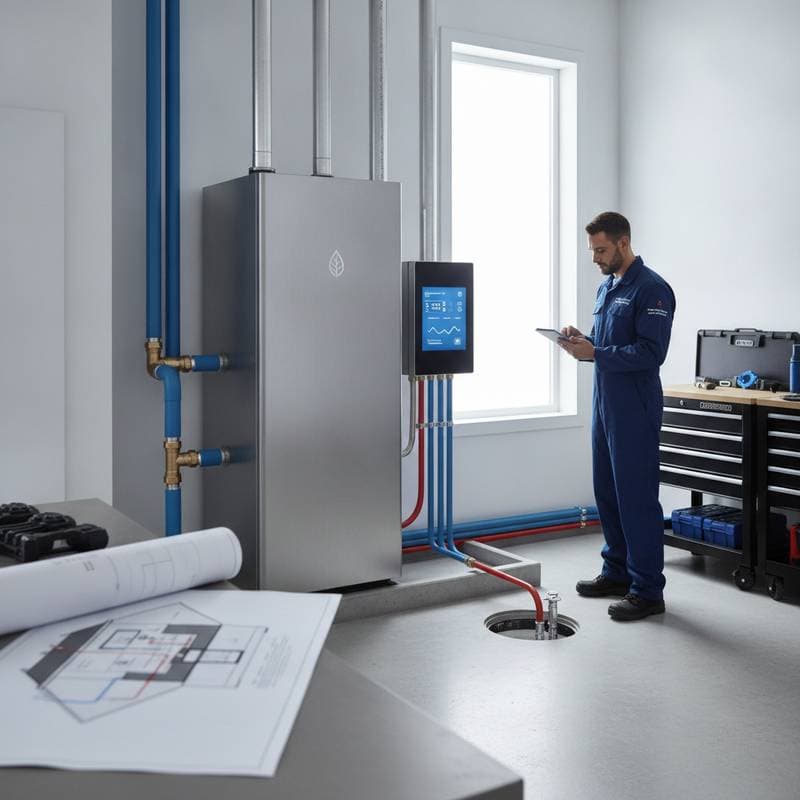
Engage a certified professional for an energy audit to calculate precise system sizing. This step prevents overinvestment in oversized units or insufficient capacity for your homes needs. Local incentives, such as tax credits or rebates, can offset initial expenses; research available programs through utility providers or government resources.
Budgeting requires careful consideration, as residential installations typically range from $20,000 to $50,000, influenced by system scale, layout, and site challenges. While this figure may surprise novice renovators, detailed cost analyses often reveal payback periods of 5 to 10 years through utility savings. Consult multiple contractors for competitive quotes to refine financial projections.
Enhancing Home Health and Value
Beyond efficiency, geothermal systems improve indoor environments by eliminating combustion processes and exhaust venting. This design reduces allergens, eliminates carbon monoxide hazards, and stabilizes humidity for healthier living spaces. Families with respiratory sensitivities particularly appreciate these air quality improvements.
In competitive real estate landscapes, properties equipped with geothermal command higher appraisals. Prospective buyers value the predictable low operating costs and extended system durability. Such features position homes as premium options in markets favoring energy-efficient designs.
Detailed Cost Structure and Return Analysis
Geothermal economics break down into distinct categories for informed decision-making:
- Basic retrofits: Suited for modest homes or targeted replacements, these options involve lower upfront investments and yield steady, if moderate, savings.
- Standard installations: These provide optimal balance for typical households with average site conditions, delivering reliable efficiency without excess features.
- Advanced setups: Designed for expansive residences, complex terrains, or multi-zone applications, they ensure peak performance at a higher initial cost.
Regardless of tier, annual energy reductions average 50 to 60 percent. Over two decades, cumulative savings often exceed $30,000 in utility expenses. Factoring in minimal maintenance and superior lifespan, geothermal surpasses traditional high-efficiency furnaces or air conditioners in overall return on investment.
Common Questions About Geothermal
Does geothermal function effectively in cold climates?
Yes, the systems leverage consistent underground temperatures, maintaining efficiency in subzero conditions where air-source alternatives falter.
Can geothermal systems supply domestic hot water?
Yes, integrated desuperheaters capture surplus heat to preheat water, further extending energy efficiency.
How does installation impact landscaping?
Professional setups minimize disruption; horizontal loops blend into lawns, while vertical options require only small access points, allowing quick yard restoration.
Steps to Implement Geothermal Upgrades
Homeowners ready for transformative improvements find geothermal heating and cooling deliver unmatched efficiency, superior comfort, and robust resilience. These systems align with sustainable living principles while securing financial advantages over time. Begin by scheduling a professional consultation to tailor the solution to your property and lifestyle needs.