Tesla vs New Home Batteries: Safety and Smart Value Win
Key Points
- Tesla remains a leader in the home battery market, but several new systems offer competitive storage, safety, and smart integration.
- Choosing the right battery depends on your energy habits, backup needs, local grid stability, and renewable setup.
- New lithium iron phosphate (LFP) chemistries are improving safety and longevity, providing more value for homeowners.
- Proper installation and professional guidance are critical to maximize performance and maintain warranties.
The Expert Hook
Picture this. A summer evening arrives with warm air and solar panels that hum quietly as your home battery stores clean energy for the night ahead. Then a storm rolls through, the grid flickers, yet your lights stay steady. As a green building pro, I have seen countless homeowners experience that moment of relief when their system performs flawlessly. The growing wave of home energy storage is not just about convenience. It is about resilience, efficiency, and independence from unpredictable utility costs.
If you are considering a home battery, Tesla might be the first name that comes to mind. The landscape is evolving quickly. New systems are offering smarter controls, safer chemistry, and improved value. Let us compare Tesla current offering with the latest alternatives to help you make a confident, future ready choice.
The Energy Challenge at Home
Many households face fluctuating utility rates, frequent outages, or growing interest in solar self sufficiency. Energy storage bridges those gaps. A well sized battery can store excess solar power during the day, then feed it back at night to reduce reliance on the grid. In regions with time of use pricing, this can cut energy costs by 20 to 40 percent.
Yet not every system performs equally under real world conditions. Climate, load demand, and local installation quality all matter. From my years in the field, I have found that the best solution balances chemistry stability, smart software, and responsive service support.
Tesla Current Offering: Familiar Strengths and Subtle Shifts
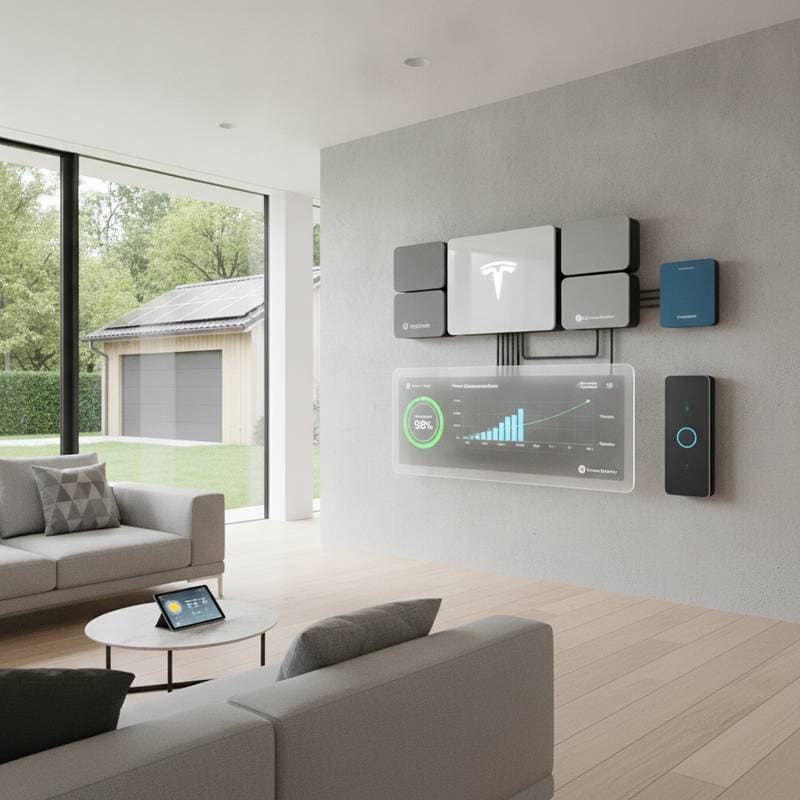
Tesla home battery remains one of the most recognizable options on the market. It is sleek, compact, and easy to pair with Tesla solar panels or other systems. Its lithium nickel manganese cobalt (NMC) chemistry delivers high energy density, which means more power in a smaller footprint.
Key Advantages:
- Integrated ecosystem with the Tesla app for monitoring, backup control, and grid interaction.
- Modular design that supports multiple units for larger homes.
- Proven reliability backed by years of consumer data.
Considerations:
- NMC chemistry can experience higher heat generation compared to newer LFP systems.
- Tesla availability and installation timelines vary depending on your region.
- Some homeowners prefer local service providers for faster maintenance response.
Tesla interface remains a major draw. You can track your energy flow in real time, schedule charging to avoid peak rates, and even participate in certain energy sharing programs. The competition is catching up fast with similar or improved user experiences.
New Contenders Redefining the Market
In recent months, brands like Enphase, FranklinWH, and LG Energy Solution have rolled out systems that challenge Tesla dominance. They combine user friendly design with advanced safety and lifecycle benefits.
Enphase IQ Battery Series
Enphase modular design appeals to homeowners who value flexibility. Each small unit can be stacked to create the right system size for your household. The system uses LFP chemistry, known for thermal stability and longer life cycles.
Benefits:
- High safety and reduced fire risk.
- Each unit operates independently, so a single failure does not affect the whole system.
- Smooth integration with Enphase microinverters for solar setups.
Expert Insight:
As a green building expert, I recommend Enphase to clients seeking scalable solutions that grow with their energy needs. It suits both modest solar arrays and large net zero homes.
FranklinWH aPower System
FranklinWH hybrid approach combines a robust battery with a smart energy management hub. It automatically prioritizes loads during outages, ensuring essentials like refrigeration and HVAC remain powered.
Highlights:
- 13.6 kWh standard capacity per unit.
- Strong surge capacity for startup loads.
- LFP chemistry for safety and durability.
The system AI driven controller learns your usage habits, adjusting discharge patterns to extend battery life. Many installers appreciate its straightforward commissioning process.
LG Energy Solution Home 8
LG latest home battery focuses on longevity and quiet operation. It delivers reliable power storage with a smooth, minimal aesthetic that fits modern homes.
Advantages:
- Compact footprint ideal for space limited installations.
- Smart inverter compatibility for seamless solar integration.
- Reputable brand warranty and support network.
Expert Comment:
Home batteries are evolving from backup devices into living energy systems, said Laura Kim, an energy systems engineer who has worked with multiple brands. The shift toward safer LFP chemistry and smarter management software is improving both performance and peace of mind.
Key Comparison Factors
When comparing Tesla system with newer entrants, focus on these key metrics.
- Battery Chemistry: NMC (Tesla) offers higher energy density but can run hotter. LFP (Enphase, FranklinWH, LG Home 8) provides better safety and cycle life.
- Capacity and Scalability: Tesla units start around 13.5 kWh per module, stackable for larger needs. Enphase offers smaller, flexible 3.5 kWh modules. FranklinWH and LG Home 8 match Tesla size range, suitable for full home backup.
- Integration and Software: Tesla app is intuitive and polished. Enphase and FranklinWH offer cloud based learning systems that adapt to usage patterns.
- Warranty and Lifespan: Most systems guarantee 70 to 80 percent capacity retention after 10 years. LFP units often exceed 6,000 cycles, while NMC units average around 4,000.
- Cost and Installation: Tesla pricing typically ranges between $10,000 and $13,000 installed per unit. Enphase and FranklinWH are in a similar range, depending on inverter compatibility and labor. LG Home 8 lands slightly lower for single unit setups.
Practical Considerations for Homeowners
Before committing, evaluate your home energy profile. A thorough professional audit identifies peak consumption hours, panel output, and realistic storage needs. Batteries are not one size fits all.
Budget Planning:
Expect full installations to cost $12,000 to $20,000 depending on size and electrical upgrades. Incentives, such as regional rebates or federal tax credits, can offset 20 to 30 percent of that investment.
Maintenance:
These systems require minimal upkeep, mainly firmware updates and visual inspections. Always use certified installers to maintain warranty coverage.
Safety:
Choose LFP systems if your region experiences high ambient temperatures. Their resistance to overheating improves reliability.
Grid Participation:
Some utilities offer credits for feeding stored energy back to the grid. Smart systems like Tesla and Enphase are already preconfigured for these programs.
Next Steps for Installation
Selecting the right home battery begins with understanding your household energy rhythm. If you have an existing Tesla ecosystem, adding another unit or upgrading makes sense for seamless control. If you are starting fresh, weigh the safety and flexibility of LFP models.
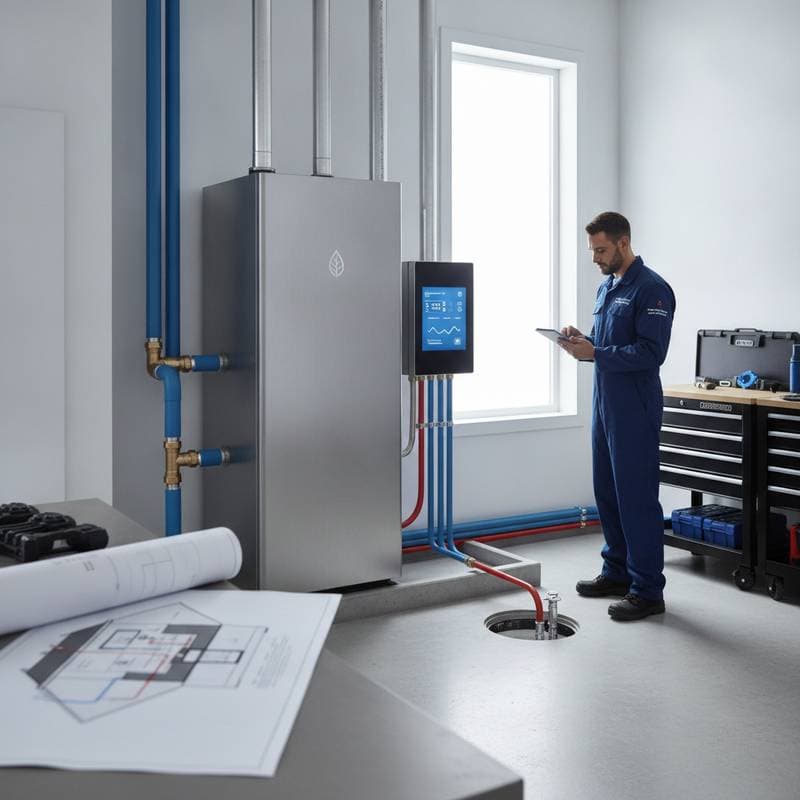
From my years in the field, the key to success lies in pairing quality equipment with expert installation. Seek local professionals who specialize in renewable integration and can verify electrical compatibility. A well installed system should deliver dependable performance for more than a decade, reducing your bills and carbon footprint.
Reach out through our platform to connect with vetted green building experts who can evaluate your home and provide a no obligation quote. With the right battery in place, your home can store more than energy. It can store peace of mind.
Frequently Asked Questions
Q: How long does a home battery typically last?
A: Most high quality systems last 10 to 15 years with proper maintenance. LFP models usually retain usable capacity longer due to improved thermal stability.