Understanding Geothermal Heat Pumps
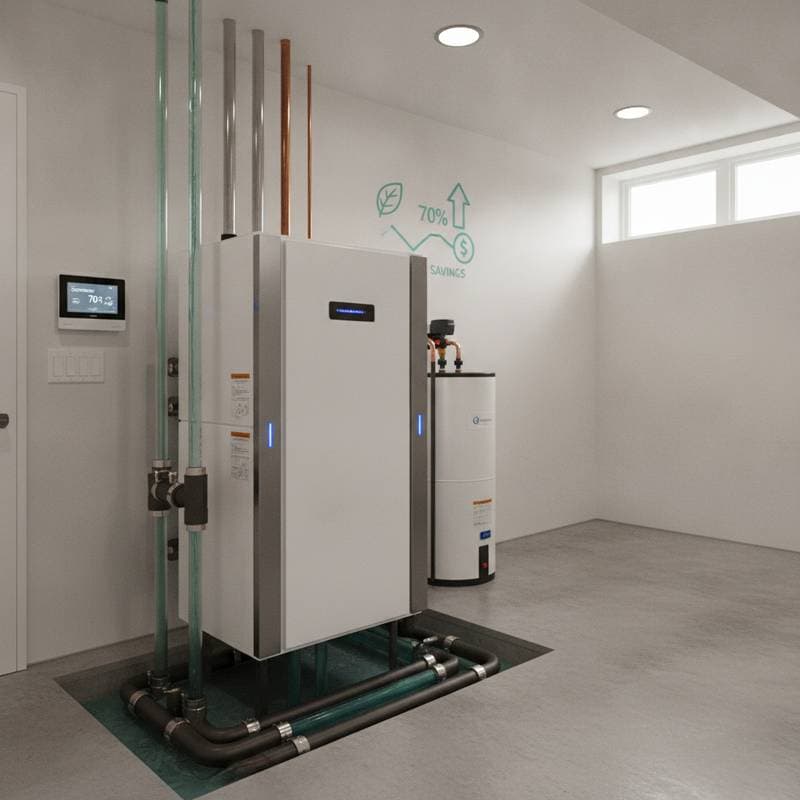
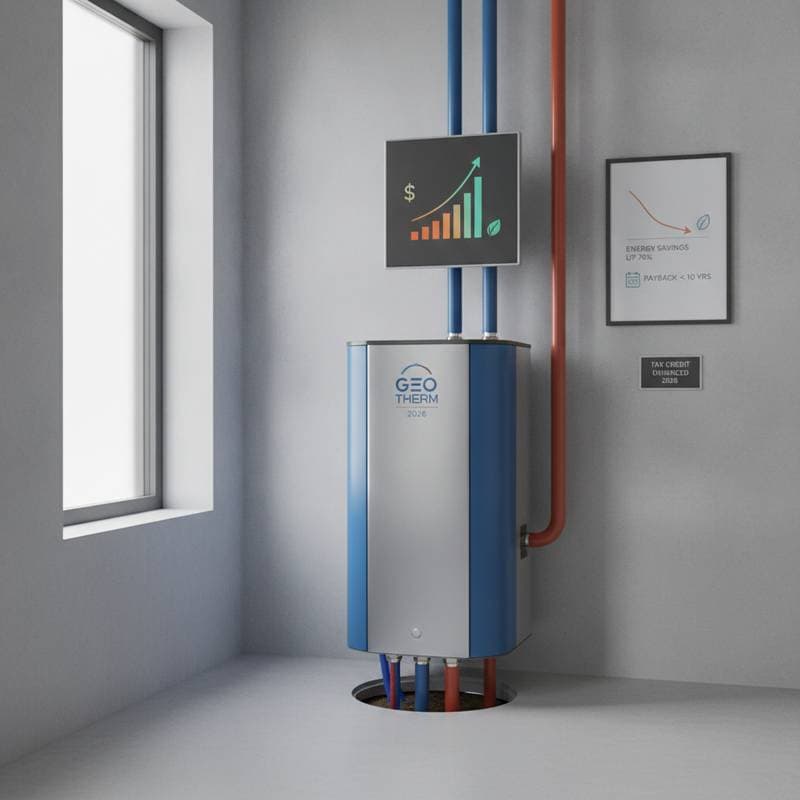
Geothermal heat pumps transfer heat between your home and the ground rather than generating heat through combustion. This approach takes advantage of the earth's consistent underground temperature, which remains stable throughout the year regardless of surface conditions.
The system circulates fluid through buried pipes that absorb heat from the soil during winter months. The heat pump then concentrates this energy and distributes it through your home's ductwork or radiant heating system. During summer, the process reverses to remove heat from your home and transfer it into the ground.
Ground Loop Installation Options
Several ground loop configurations suit different property conditions and budgets.
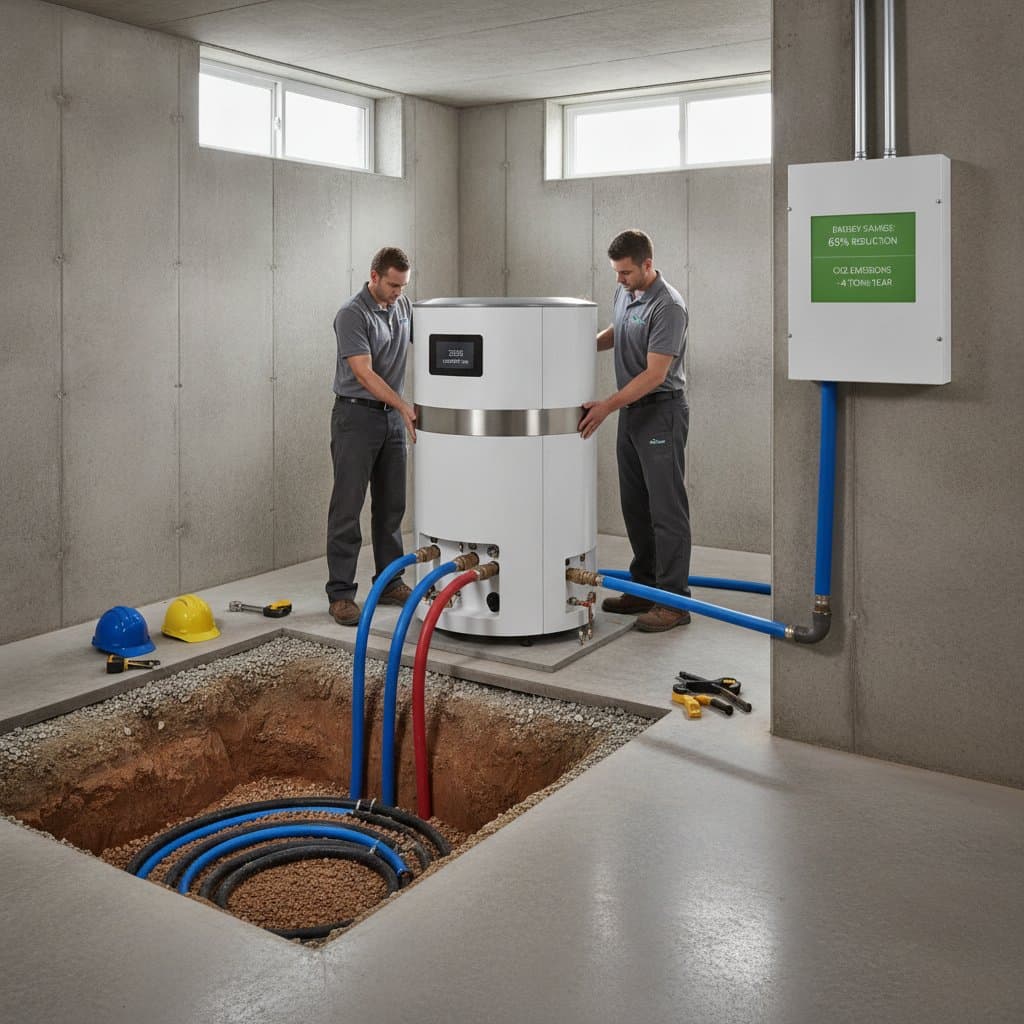
- Horizontal loops require trenches across available land and typically cost less when space permits
- Vertical loops use drilled boreholes that work well for smaller lots, though drilling increases project expenses
- Pond loops utilize submerged piping where water access and local regulations allow
- Open loop systems draw groundwater for heat exchange, requiring water quality testing and environmental permits
The heat pump's efficiency rating, measured as coefficient of performance, indicates how many units of heat it delivers per unit of electricity consumed. A COP of four means the system provides four units of heat for each unit of electricity used.
Factors That Determine Your Savings
Actual energy savings depend on several variables that differ for each home. Climate conditions, existing insulation levels, equipment efficiency, and local utility rates all influence the final result.
Air source heat pumps lose efficiency as outdoor temperatures drop because they extract heat from increasingly cold air. Geothermal systems maintain more consistent operating conditions since they draw from stable ground temperatures. Many installations achieve three to five units of heat per unit of electricity under favorable conditions.
Consider a household spending $2,400 annually on heating and cooling. A 35 percent reduction saves approximately $840 yearly, while a 50 percent reduction saves $1,200. These calculations serve as planning estimates rather than guaranteed outcomes.
Building Improvements That Maximize Performance
Several home upgrades enhance geothermal system efficiency and reduce required equipment capacity.
- Seal air leaks around windows, doors, attic penetrations, and plumbing openings
- Add insulation in attics, walls, basements, or crawl spaces
- Install efficient windows with appropriate solar control features
- Implement smart thermostat controls for optimized operation
- Consider low-temperature radiant floors or properly sized ductwork
- Upgrade to energy-efficient water heating where compatible with the system
Think of your home as a container that the geothermal system fills efficiently. Insulation and air sealing determine how well that container retains the conditioned air.
Understanding Installation Costs
Residential geothermal projects typically fall within established cost ranges based on complexity and home size.
Smaller, straightforward installations generally range from $18,000 to $25,000. Typical whole-home systems cost between $25,000 and $40,000. Complex drilling, larger homes, or difficult access conditions can reach $40,000 to $60,000 or higher.
Project costs include heat pump equipment, indoor distribution components, ground loop materials, excavation or drilling, engineering calculations, electrical upgrades, permits, old equipment removal, and landscape restoration.
Calculating Payback Period
Payback depends on annual energy savings and the cost difference between geothermal and conventional systems. If geothermal adds $20,000 compared to a conventional replacement while saving $1,000 annually, simple payback occurs in 20 years.
This calculation excludes maintenance costs, energy price fluctuations, financing expenses, available incentives, and the value of integrated cooling capability. Indoor heat pump components typically last about 20 years with proper maintenance, while properly installed ground loops can function for several decades.
Essential Planning Considerations
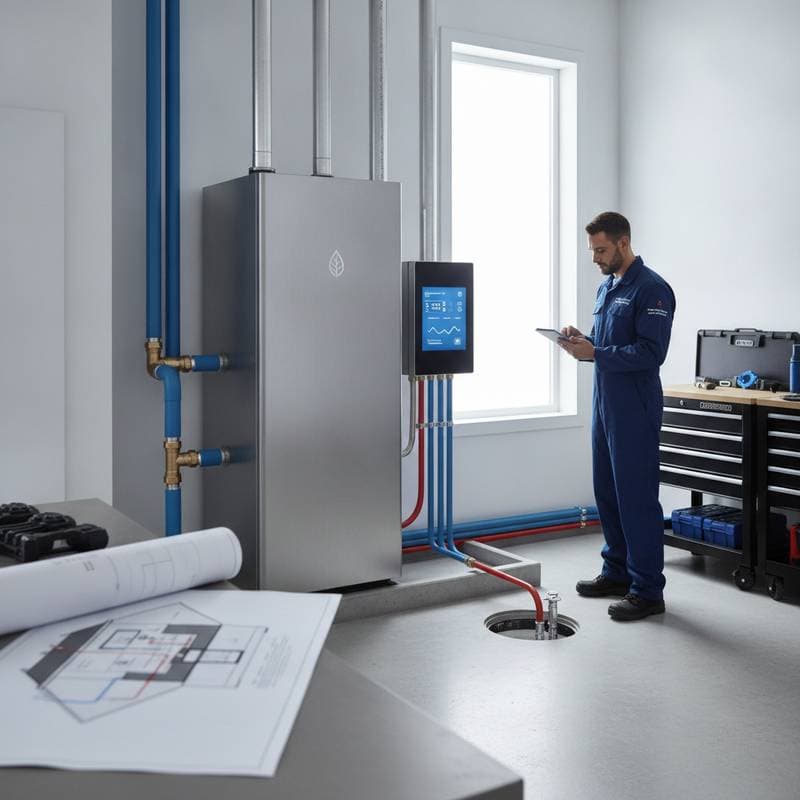
Professional load calculations using recognized methods like ACCA Manual J ensure proper system sizing. Oversized equipment causes short cycling, uneven temperatures, and unnecessary expense.
Site assessment should evaluate available drilling or trenching space, soil and rock conditions, groundwater quality, equipment access routes, existing ductwork condition, electrical service capacity, local permitting requirements, and drainage considerations.
The distribution system must match the geothermal output for optimal performance. Hydronic radiant floors work particularly well because they operate effectively with lower water temperatures. Existing forced air ducts may require sealing and balancing to achieve comfortable results.
Backup Heat and System Resilience
Many installations include electric resistance backup for peak demand periods. This backup capability does not indicate system failure but rather represents a practical approach to controlling installation costs while maintaining comfort during extreme conditions.
Geothermal systems eliminate on-site combustion, which improves indoor air quality by removing furnace exhaust and reducing combustion byproducts. The equipment also operates more quietly than conventional outdoor air conditioning units.
Environmental benefits vary based on electricity source. Systems powered by cleaner grids or on-site renewable generation reduce operational emissions. Even with carbon-intensive electricity, reduced energy consumption generally lowers total demand.
Professional Requirements and Homeowner Preparation
Homeowners can prepare by documenting energy bills and comfort issues, sealing accessible air leaks, improving insulation where practical, clearing access routes before excavation, and comparing written proposals using consistent assumptions.
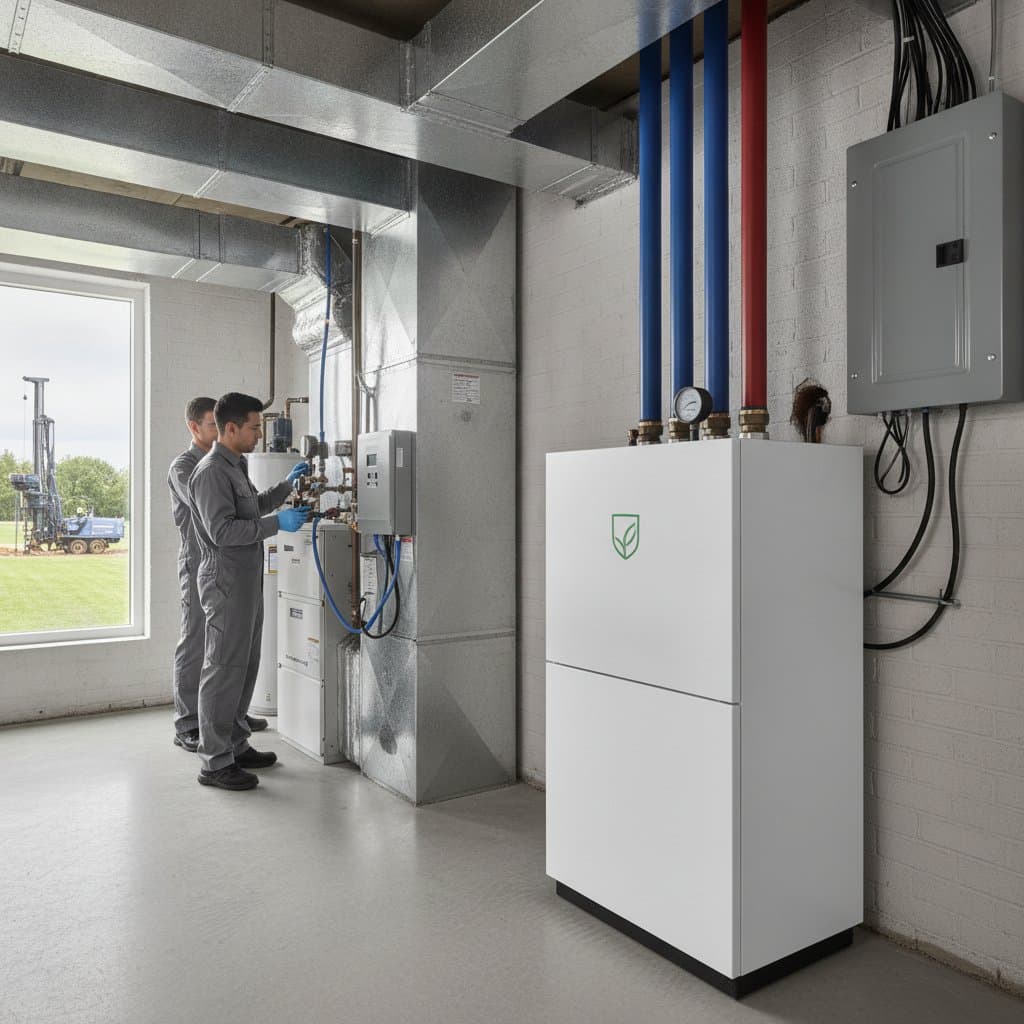
Ground loop design, refrigerant handling, electrical connections, drilling, and system commissioning require qualified professionals. Low bids that omit soil testing, heat loss calculations, or adequate loop capacity often result in higher long-term costs.
Request proposals that specify estimated heating and cooling capacity, loop configuration, expected efficiency ratings, backup heat strategy, warranty terms, maintenance requirements, and restoration responsibilities. Three comparable proposals provide better decision-making information than vague estimates.
Addressing Common Questions
Geothermal systems can achieve 50 percent heating cost reductions, particularly when replacing electric resistance heating or inefficient equipment in well-insulated homes. Savings may be smaller when compared to modern high-efficiency furnaces, especially in areas with high electricity costs.
Vertical drilling enables installation on smaller lots, though this approach costs more than horizontal trenching. Equipment access for drilling rigs must be confirmed before design work begins.
Properly sized systems operate effectively in cold climates. The ground loop maintains more stable temperatures than outdoor air, while backup heat assists during peak conditions. Building insulation and duct performance remain critical factors.
Regular maintenance includes annual professional inspections of the heat pump components, checking fluid levels and loop integrity, and ensuring proper airflow through indoor units. Ground loops themselves require minimal maintenance when properly installed.
Evaluating Long-Term Value
Geothermal installations can increase property value through improved energy efficiency and reduced operating costs. The systems provide consistent comfort, lower utility bills, and reduced dependence on delivered fuels during supply disruptions.
Look for equipment certified through recognized programs such as ENERGY STAR, and verify that installers follow manufacturer requirements, local mechanical codes, and accepted geothermal design practices. Certification establishes baseline quality standards, though proper installation remains essential for optimal performance.
Next Steps for Your Property
Begin with a comprehensive home energy assessment that evaluates your current heating and cooling costs, insulation levels, and comfort issues. This information helps determine whether geothermal represents a practical investment for your specific situation.
Contact qualified contractors who can perform detailed load calculations and site assessments. Compare proposals carefully, focusing on system sizing, loop design, and long-term performance rather than initial cost alone.
Consider available financing options, utility rebates, and tax incentives that may improve project economics. Many regions offer programs specifically designed to support energy-efficient heating and cooling installations.