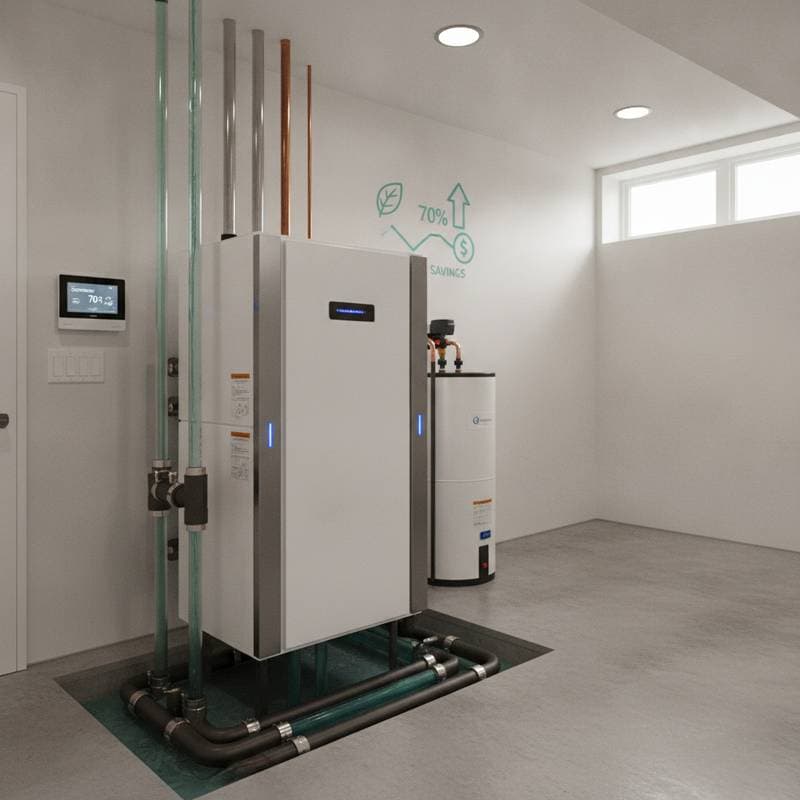
Geothermal Heat Pumps Reduce Home Energy Costs
Key Considerations
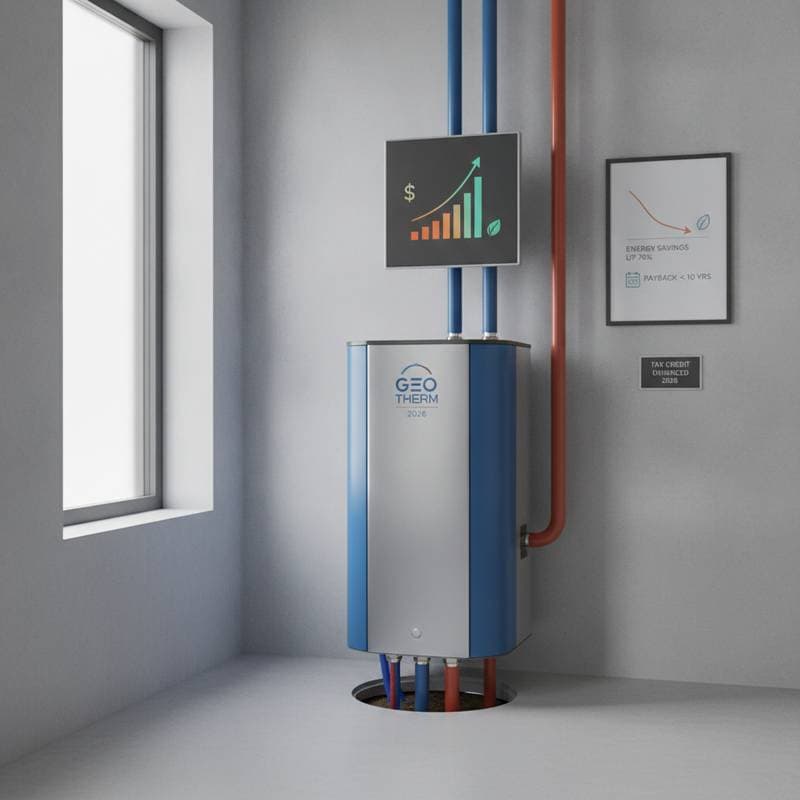
- Geothermal heat pumps reduce heating and cooling expenses by up to 70 percent compared with conventional furnaces and air conditioners.
- Federal tax credits offset a portion of installation expenses for qualifying systems.
- Soil type, lot size, and home insulation levels determine system design and overall performance.
- Pairing geothermal equipment with additional efficiency measures increases both savings and property value.
How Geothermal Systems Operate
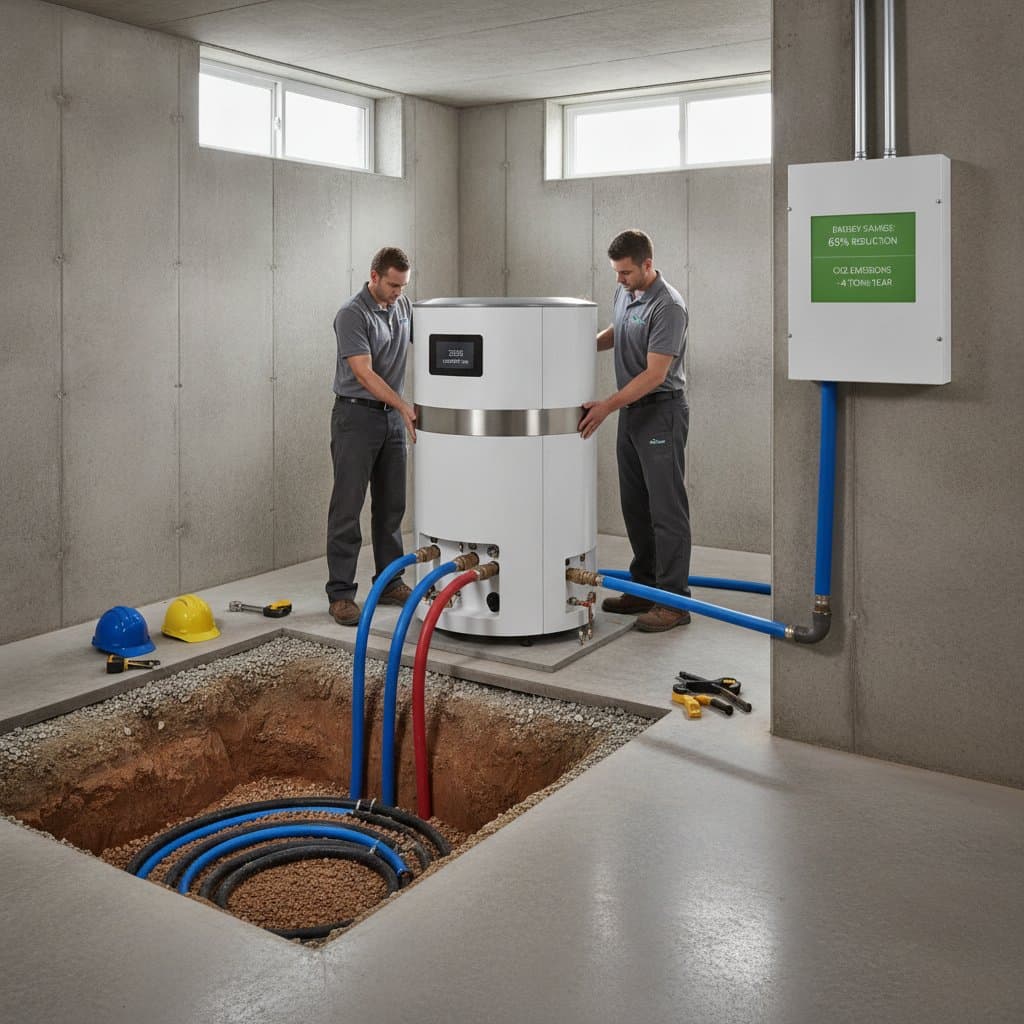
Geothermal heat pumps draw stable thermal energy from the ground to heat and cool homes. Underground loops circulate fluid that absorbs warmth in winter and rejects heat in summer. This approach avoids combustion and eliminates the need for fuel deliveries.
The technology delivers consistent indoor temperatures with minimal noise. Homeowners notice lower monthly utility statements once the system is running.
Federal Tax Credit Details
The geothermal tax credit reduces federal tax liability by a percentage of eligible project costs. Homeowners can apply the credit to equipment, labor, and site preparation on both new and existing residences.
No dollar cap limits the benefit, so larger homes still receive proportional savings. The credit can roll forward if it exceeds current tax liability.
Site and System Planning Steps
Evaluate property conditions before selecting equipment. Soil composition and groundwater presence affect drilling methods and total expense. Sandy soils permit easier horizontal loops, while rocky terrain favors vertical configurations.
Match system type to available land. Horizontal loops require open yard space. Vertical loops suit smaller lots. Pond loops work only when a suitable water body exists nearby.
Assess current insulation and air sealing. Upgrades to windows or attic insulation before installation improve system efficiency and shorten payback time.
Cost Ranges and Payback Expectations
A typical residential installation ranges from 20,000 to 45,000 dollars. Entry-level horizontal systems fall at the lower end. Vertical or high-efficiency packages occupy the upper range.
After the tax credit, most owners recover the net investment within seven to twelve years through reduced energy bills. Ground loops last fifty years or longer, while indoor components operate twenty to twenty-five years with routine service.
Integration and Comfort Options
Geothermal equipment connects to existing ductwork or new radiant floor systems. The absence of outdoor condensing units preserves yard space and eliminates noise.
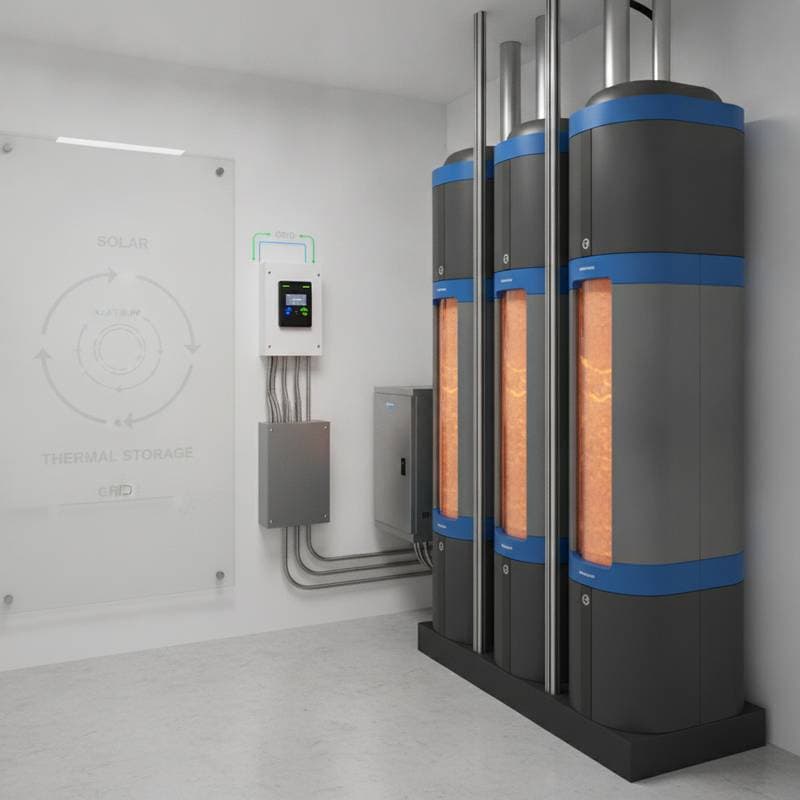
Homeowners often combine geothermal loops with solar panels to approach net-zero energy use. Others add desuperheaters that supply domestic hot water at low additional cost.
Installer and Financing Factors
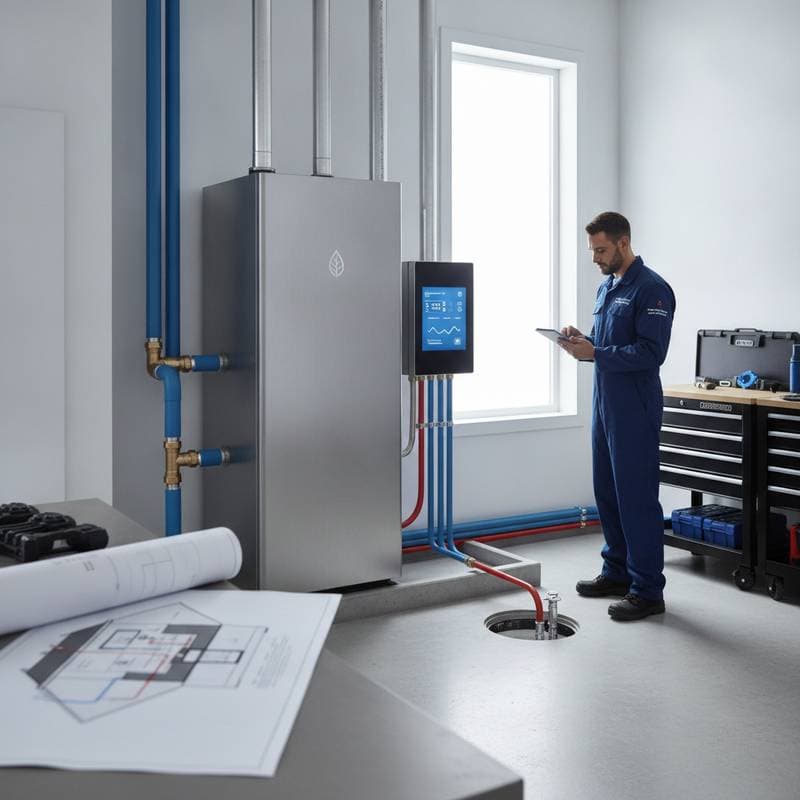
Select certified installers experienced with local soil conditions. Proper sizing prevents short cycling and ensures rated efficiency.
Energy-efficient mortgages and green loans spread remaining costs across the loan term. Time-of-use utility rates further improve operating economics in many regions.
Common Questions
How does the tax credit apply to new construction?
The credit covers systems installed in primary or secondary homes that meet efficiency standards.
Does every home require extensive excavation?
Vertical loops limit surface disruption on compact lots, and landscaping is restored after installation.
Is geothermal suitable for smaller residences?
Smaller homes often achieve faster payback because equipment capacity and energy loads remain modest.
Next Steps for Homeowners
Obtain site assessments from multiple certified contractors. Compare loop designs, projected energy savings, and available incentives. A properly sized system delivers decades of lower utility costs and steady comfort.