Why Recycled Plastic Roofing Is Gaining Attention
Imagine standing in a driveway while old roofing is stripped away. Granules scatter, nails clatter into bins, and a heavy load of worn material heads toward disposal. Now picture part of that discarded plastic stream being processed into a roof designed to protect the same kind of house for decades. That shift explains the appeal of recycled plastic roofing shingles.
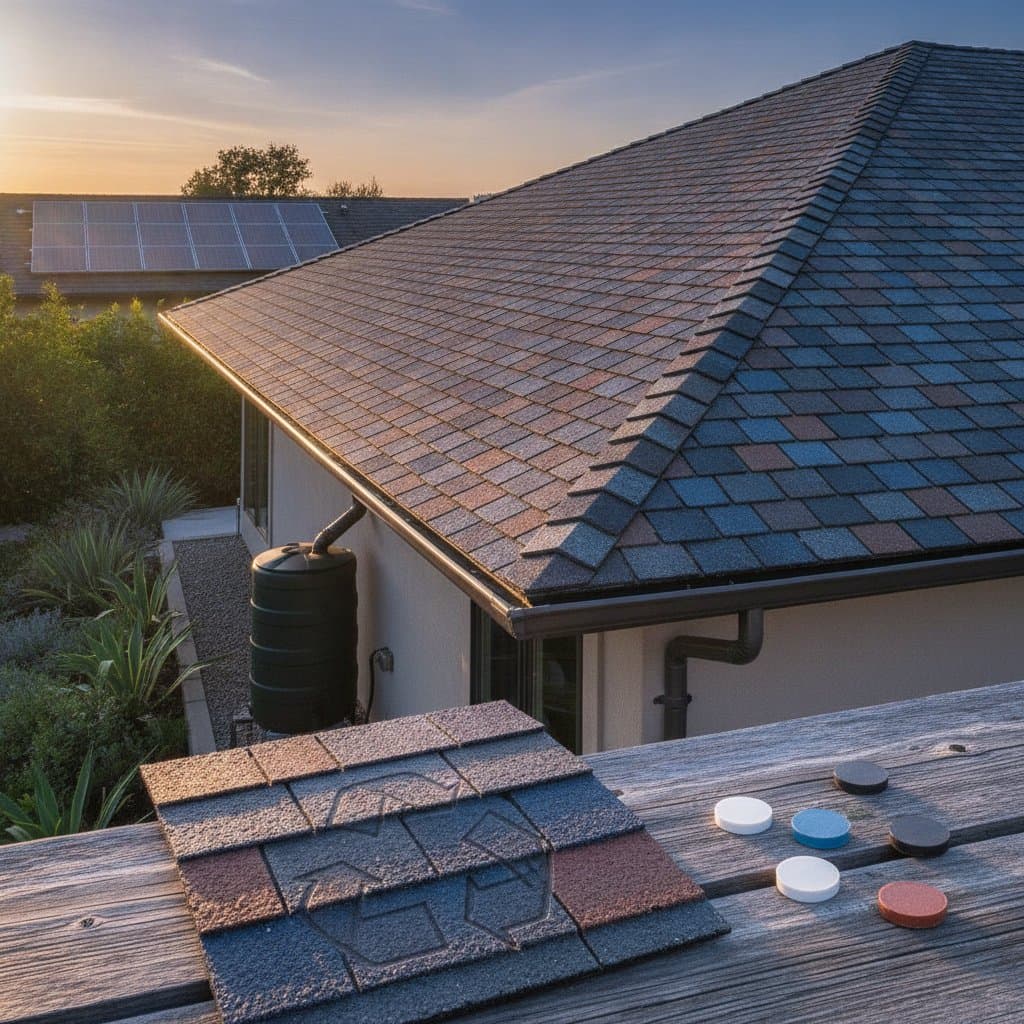
These products are commonly made from post consumer plastics, post industrial scrap, or a blend of both. Manufacturers clean, sort, process, and mold the material into shingles that can resemble slate, wood shake, or conventional asphalt products. Some blends include mineral fillers, stabilizers, or other additives that improve strength and weather resistance.
The environmental case has several parts. Diverting plastic from disposal facilities reduces landfill pressure. Reducing reliance on newly manufactured polymers conserves resources. Creating roofing with potential for long service life lowers replacement frequency when the product performs well. Supporting material recovery markets strengthens recycling infrastructure.
A sustainable roof still has to shed water, resist wind, manage heat, and protect the building envelope. A product that uses recycled content but fails early is not a strong environmental choice. Life cycle performance matters. Think of it like buying a reusable water bottle that cracks after one trip. The label sounds responsible, but the lasting value is missing.
Material Performance and Product Quality
Recycled plastic shingles differ widely. Some are flexible and lightweight, while others contain mineral reinforcement for a denser, slate like appearance. The manufacturing method influences dimensions, surface texture, color stability, and resistance to impact.
When comparing products, request documentation for recycled content percentage and material source. Ask for wind uplift resistance ratings. Request fire classification details. Review impact resistance test results. Check water absorption specifications. Verify freeze and thaw performance where relevant. Examine ultraviolet exposure testing data. Review manufacturer warranty and exclusions. Understand repair and replacement procedures.
Look for evaluation through recognized building product testing bodies, along with installation instructions that match your roof design. Certifications from organizations such as UL Solutions, Intertek, or equivalent regional testing groups can provide useful evidence, although certification does not remove the need to review local requirements.
Fire classification deserves careful attention. Plastic does not automatically mean unsafe, and it does not automatically mean fire resistant. Some products use mineral content or specialized formulations to achieve a stronger rating. Your roofing assembly, underlayment, ventilation, and roof pitch can also affect compliance.
Color stability is another practical concern. Dark surfaces absorb more solar heat, while lighter colors may reduce roof temperatures but show dirt more easily. Ask whether pigments are integrated through the material or applied as a surface coating. Integrated color can make scratches less obvious, but it may not prevent fading under intense sunlight.
Cost Breakdown and Value
Installed pricing for recycled plastic shingles often falls between $8 and $18 per square foot. A small, simple roof with easy access may sit near the lower end. A steep roof with multiple valleys, dormers, skylights, complex flashing, and difficult staging can reach the upper end or exceed it.
A broad budget framework looks like this. Basic recycled plastic installation ranges from $8 to $11 per square foot. Mid range products and moderate roof complexity cost $11 to $15 per square foot. Premium profiles, complex detailing, or extensive preparation reach $15 to $18 or more per square foot.
These figures may include shingles, underlayment, fasteners, installation labor, and ordinary waste. They may not include structural repairs, gutter changes, permits, insulation work, hazardous material removal, or replacement of damaged decking.
A roof covering is only one part of the roof system. If the existing deck has rot, the installer must repair it before new shingles are placed. If attic ventilation is inadequate, trapped heat and moisture can shorten the life of the entire assembly. A low bid that ignores these conditions is not a bargain. It is a delayed invoice.
Return on investment comes from several sources. Avoided replacement costs result when a longer lasting roof can reduce the number of major replacement cycles. Maintenance savings occur when durable molded products resist splitting, curling, and insect damage better than some wood alternatives. Resale appeal increases when buyers respond to documented durability, attractive appearance, and lower perceived maintenance. Waste reduction creates environmental value when diverting material from disposal, even when it does not appear as a direct cash rebate. Energy performance improves when a complete roof upgrade enhances ventilation, air sealing, and attic insulation.
Do not assume that a sustainable product earns a higher resale price in every market. Buyers may appreciate the story, yet many still prioritize appearance, warranty transferability, insurance acceptance, and evidence of proper installation.
Planning a Successful Installation
Start with a roof assessment, not a product catalog. A qualified roofer should inspect the decking, flashing, penetrations, ventilation, drainage, and structural condition. Recycled plastic shingles can be lighter than natural slate, but the roof still needs sufficient support and reliable attachment.
Ask for at least three written estimates with matching scopes. Each estimate should identify removal and disposal assumptions. The estimate should specify decking replacement allowance. Underlayment type should be clearly stated. Flashing materials should be identified. Ventilation work should be detailed. Fastener specifications should be included. Labor warranty terms should be outlined. Product warranty coverage should be explained. Cleanup and permit responsibilities should be assigned.
Building codes differ by jurisdiction and may change as material testing develops. Confirm whether the chosen product is approved for your roof pitch, wind exposure, fire zone, and climate. Coastal areas, high elevation locations, and regions with severe storms may impose additional requirements.
Installation quality often determines whether the roof performs as promised. Shingles must be spaced and fastened according to the manufacturer instructions. Flashing at walls, chimneys, valleys, and roof edges must direct water away from vulnerable seams. A beautiful shingle cannot compensate for careless flashing.
Sustainable Features That Strengthen the Roof
Recycled content is a useful starting point, but broader sustainability comes from the full assembly. Consider pairing the shingles with high quality underlayment. This creates a secondary water resistant layer beneath the visible roof. Balanced attic ventilation helps control heat and moisture through intake and exhaust systems. Improved insulation reduces heating and cooling demand. Reflective or lighter colors may reduce solar heat gain in warm climates. Durable metal flashing prevents premature leaks and repeated repairs. Proper gutters, downspouts, and drainage protect foundations and landscaping. Products available as individual replacement units reduce unnecessary tear offs.
Indoor environmental quality also belongs in the discussion. Roof leaks can promote damp insulation, wood decay, and mold growth. A reliable roof protects air quality by keeping moisture outside the building envelope. During installation, choose low odor sealants and coatings when possible, and follow manufacturer ventilation guidance.
End of life planning remains a developing area. Some recycled plastic shingles may be recyclable again, while others require specialized processing. Ask how the manufacturer handles take back programs or material recovery. A product with recycled content is not automatically part of a circular system.
Traditional Options and Emerging Alternatives
Asphalt shingles remain widely available, familiar to installers, and comparatively affordable. They offer broad color choices and straightforward repairs, but their service life and disposal profile depend on product quality and local conditions.
Metal roofing can provide long service life, strong fire performance, and high recyclability. It may cost more initially, transmit rain noise without proper assembly, and require careful detailing to manage expansion and contraction.
Clay or concrete tile can perform well in suitable climates, yet weight and structural demands may limit use. Natural slate offers exceptional durability but requires skilled installation and substantial structural support.
Recycled plastic shingles sit between these choices. They can provide a premium appearance with lower weight than slate, resistance to rot and insects, and useful design flexibility. Their weaknesses include higher upfront cost than basic asphalt, less universal installer familiarity, and uneven availability across markets.
DIY Potential and Professional Requirements
Replacing a few damaged shingles may be manageable for an experienced homeowner if the product permits individual repairs and safe roof access exists. Full roof installation is a different matter. It involves fall hazards, weather exposure, flashing details, code compliance, and warranty conditions.
Professional help is especially appropriate when the roof is steep or difficult to access. Structural damage suspicion warrants professional evaluation. Skylights, chimneys, or complex valleys require experienced handling. Local permits or inspections may be required. Products requiring specialized fastening need trained installers. Insurance documentation matters for coverage validation.
Never trade safety for savings. A repair that seems simple from the ground can become risky once ladders, brittle surfaces, and unexpected deck damage enter the picture.
Frequently Asked Questions
Are recycled plastic shingles genuinely sustainable?
They can be, when they contain verified recycled material, perform for a long service period, and avoid premature replacement. Review the product recycled content, manufacturing disclosures, durability testing, and end of life options rather than relying on marketing language.
Can recycled plastic shingles withstand hail and strong wind?
Some products receive impact and wind testing, but performance varies by design and installation. Ask for tested ratings that match local exposure. Proper fastening and edge detailing matter just as much as the shingle material.
Will recycled plastic roofing lower energy bills?
The shingles themselves may offer limited insulation value. However, a complete roof upgrade can improve ventilation, air sealing, and attic insulation, which may reduce heating and cooling costs depending on your climate and existing conditions.
How do recycled plastic shingles compare to asphalt shingles in lifespan?
Quality recycled plastic shingles can last 30 to 50 years or more when properly installed and maintained. Standard asphalt shingles typically last 15 to 30 years. The actual lifespan depends on product quality, installation, climate conditions, and maintenance practices.
What maintenance do recycled plastic shingles require?
These shingles generally need less maintenance than wood or asphalt alternatives. Regular inspections for damage, debris removal from valleys and gutters, and prompt repair of any issues help maintain performance. Individual damaged shingles can often be replaced without removing surrounding material.
Making Your Roofing Decision
Selecting recycled plastic shingles requires balancing environmental benefits with practical performance requirements. Focus on verified product specifications, proper installation planning, and long term value rather than initial cost alone. The right choice depends on your climate, budget, and specific roof conditions.