Why Geothermal Heat Pumps Will Surge in 2026
Homeowners seeking lower energy costs and reduced emissions continue to evaluate geothermal heat pumps. Rising utility rates, expanded incentive programs, and refined installation methods have aligned to accelerate adoption. These systems deliver reliable performance by drawing on stable ground temperatures rather than variable outdoor air.
Core Advantages at a Glance
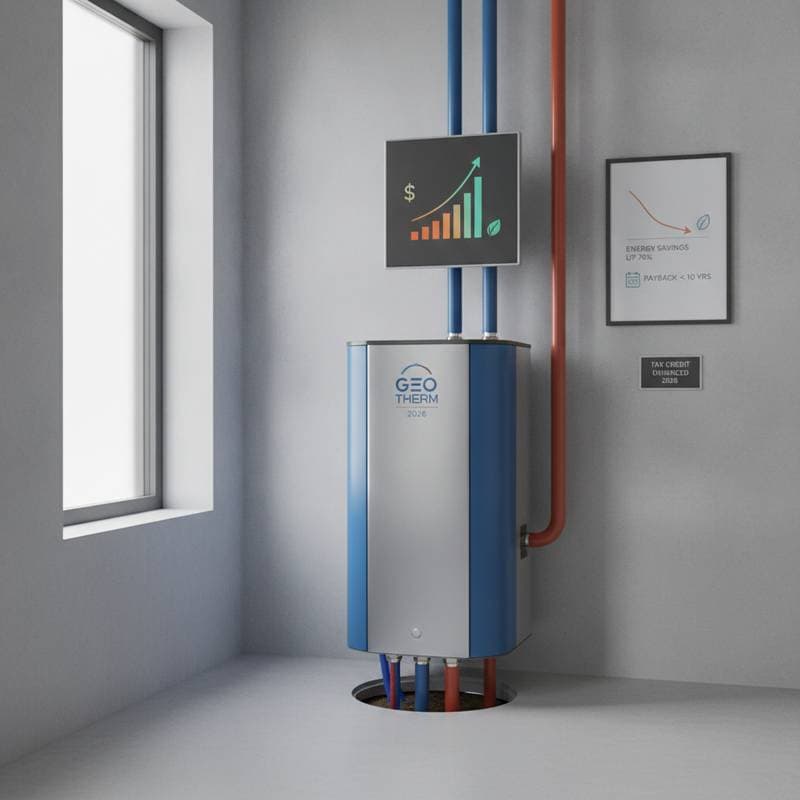
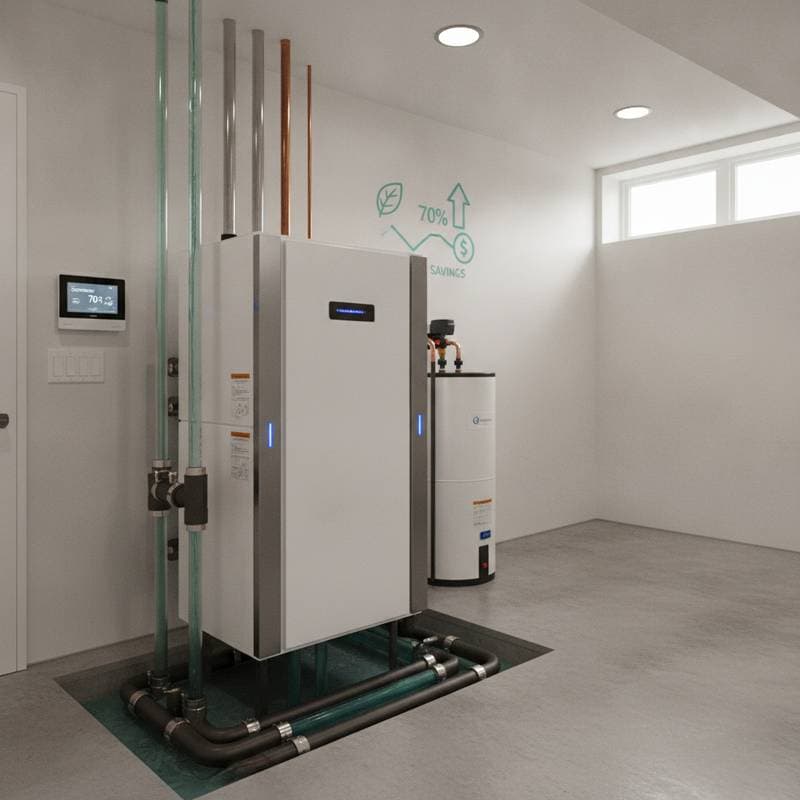
- Geothermal units reduce heating and cooling expenses by 40 to 70 percent relative to conventional equipment.
- Federal and utility incentives frequently offset up to 30 percent of total project costs.
- Indoor components last 25 years or longer while underground loops exceed 50 years of service.
- New drilling rigs and flexible piping layouts lower installation barriers for existing properties.
- Demand for energy independence continues to expand across both homes and businesses.
How Geothermal Heat Pumps Operate
A geothermal heat pump circulates fluid through pipes buried below the frost line. The fluid absorbs heat from the ground in winter and rejects heat into the ground in summer. An indoor compressor then distributes the conditioned air or water throughout the building.
Ground temperature remains nearly constant a few feet beneath the surface. This stability allows the system to maintain high efficiency during both heat waves and cold snaps. Recent equipment designs support horizontal, vertical, and pond configurations that fit varied lot sizes.
Cost Recovery and Available Incentives
Installed costs typically range from 15 000 to 30 000 dollars. Most households recover this investment within six to twelve years through lower monthly bills. A residence previously spending 2 000 dollars per year on heating and cooling can expect annual savings near 1 400 dollars after conversion.
Many programs supply tax credits, rebates, or low interest loans that further shorten payback periods. These measures often align with monthly energy reductions so that financing payments are covered by operational savings.
Efficiency and Longevity Comparison
| System Type | Coefficient of Performance | Typical Lifespan | Annual Energy Savings |
|---|---|---|---|
| Gas Furnace | 0.9 | 15 years | Baseline |
| Air Source Heat Pump | 2.5 | 15 years | 30 percent |
| Geothermal Heat Pump | 4.0 to 5.0 | 25 plus years | 50 to 70 percent |
Comfort, Safety, and Environmental Benefits
Geothermal equipment produces no combustion gases and therefore eliminates risks associated with fuel burning. Indoor sound levels remain low because the primary mechanical components sit inside the home. Humidity control stays consistent across seasons.
Greenhouse gas reductions can equal the annual sequestration of several hundred trees for an average residence. When paired with on site solar generation, the combination supports near complete energy independence by storing thermal energy in the ground.
Site Assessment and Ongoing Care
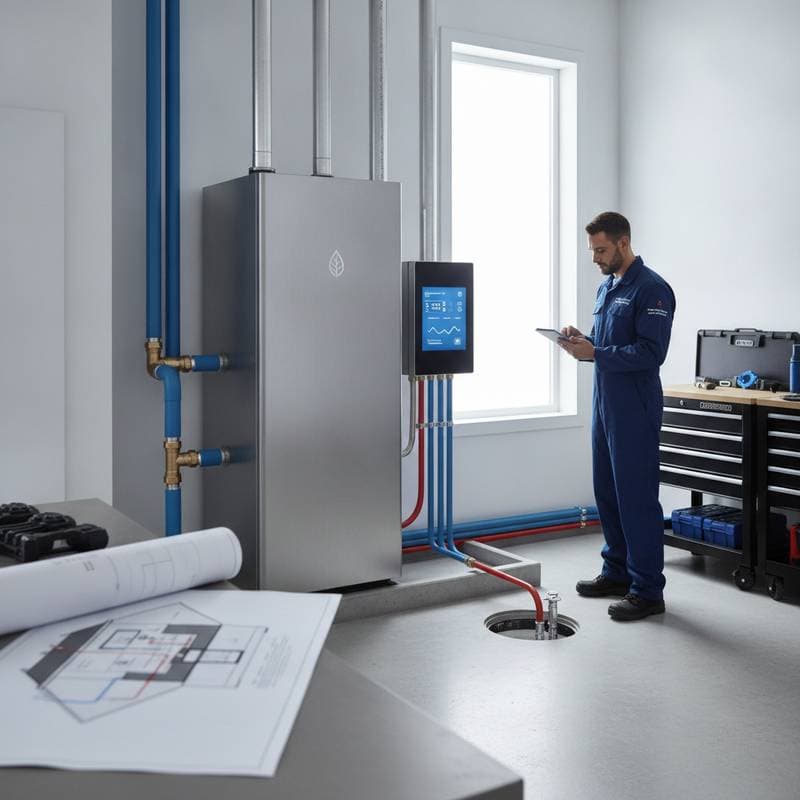
A qualified installer begins with soil tests, lot measurements, and groundwater review to select the optimal loop layout. Modern compact rigs allow work on smaller properties and during retrofits without extensive disruption.
Once commissioned, the sealed ground loops require no routine service. Homeowners perform only periodic filter changes and annual system inspections.
Planning Your Geothermal Project
Contact certified contractors for site evaluations during the coming months. Early planning secures access to current incentives and positions projects ahead of peak installation demand. The technology now offers a practical path to lower operating costs and greater energy resilience for both new and existing homes.