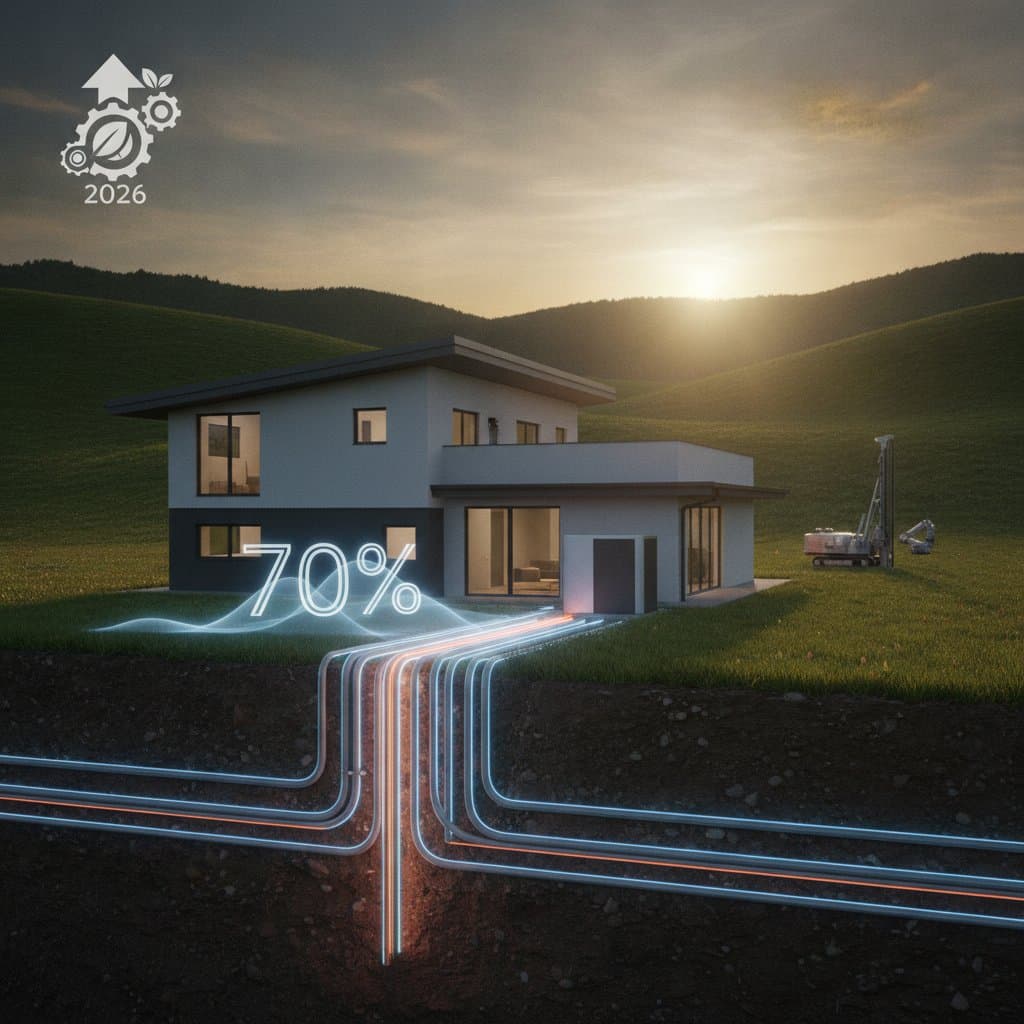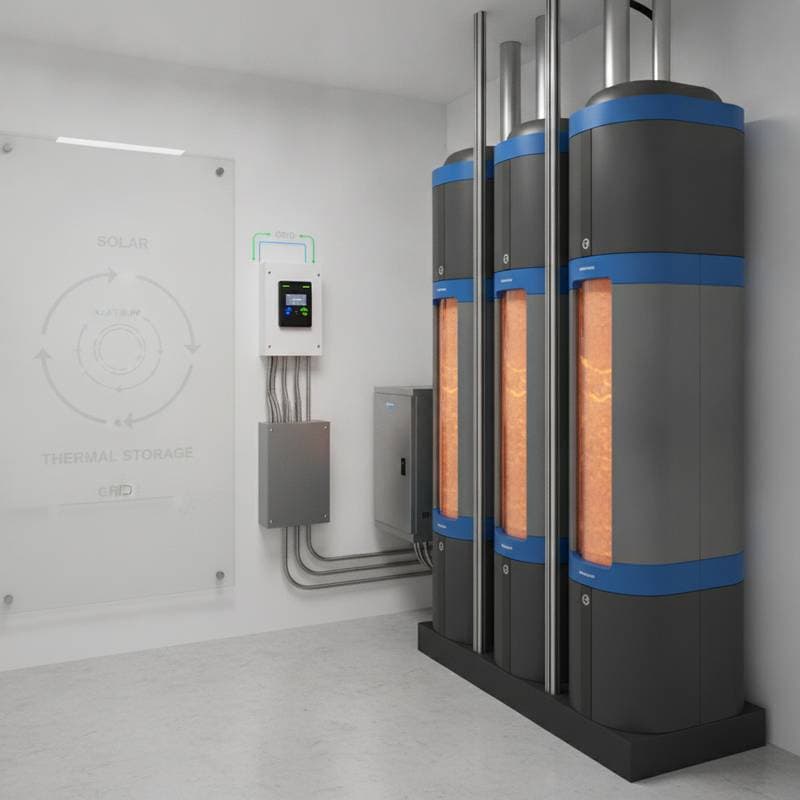
Thermal Batteries Cut Energy Bills by 40 Percent
Key Points
- Thermal batteries store heat instead of electricity. They provide a stable energy source for homes.
- Integration with solar or off peak systems reduces energy bills by up to 40 percent.
- Homeowners achieve greater independence from price swings and outages.
- Typical payback occurs in five to seven years through ongoing savings.
A New Kind of Energy Freedom
As a green building professional, I have watched homeowners face rising utility costs and grid failures during extreme weather. Your home can stay comfortable while neighbors lose power. Thermal battery systems deliver this steady performance.
True sustainability requires both clean generation and smart storage. Thermal batteries fill that gap between renewable sources and daily needs. Instead of sending surplus energy back to the grid or allowing it to go unused, the system stores useful warmth or cooling for later.
This approach also supports better interior comfort. Rooms experience fewer temperature swings, heating equipment runs more efficiently, and occupants can rely less on emergency electric heaters. In well insulated homes, stored thermal energy can maintain comfortable conditions long after the primary system stops operating.
Energy Dependence and Wasted Heat
Many homes lose heat through inefficient systems. Heating and cooling often draw power during peak demand. Up to 60 percent of residential energy use supports these functions.
Thermal batteries capture surplus heat and release it later. This approach balances energy use and cuts repeated costs. Before installation, homeowners should address air leaks around windows, doors, attic hatches, and service penetrations. A storage system cannot compensate for a building envelope that constantly loses conditioned air.
Window coverings, insulated curtains, reflective shades, and properly placed furniture can also support performance. Keep radiators, vents, and radiant floor areas clear so stored energy moves freely through the home.
How Thermal Batteries Work for Homes
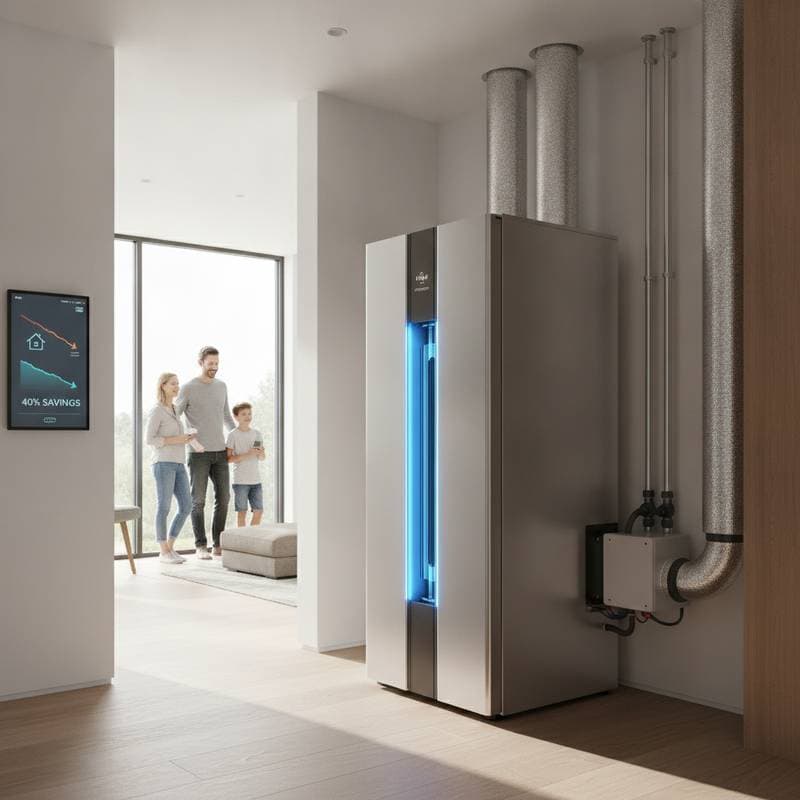
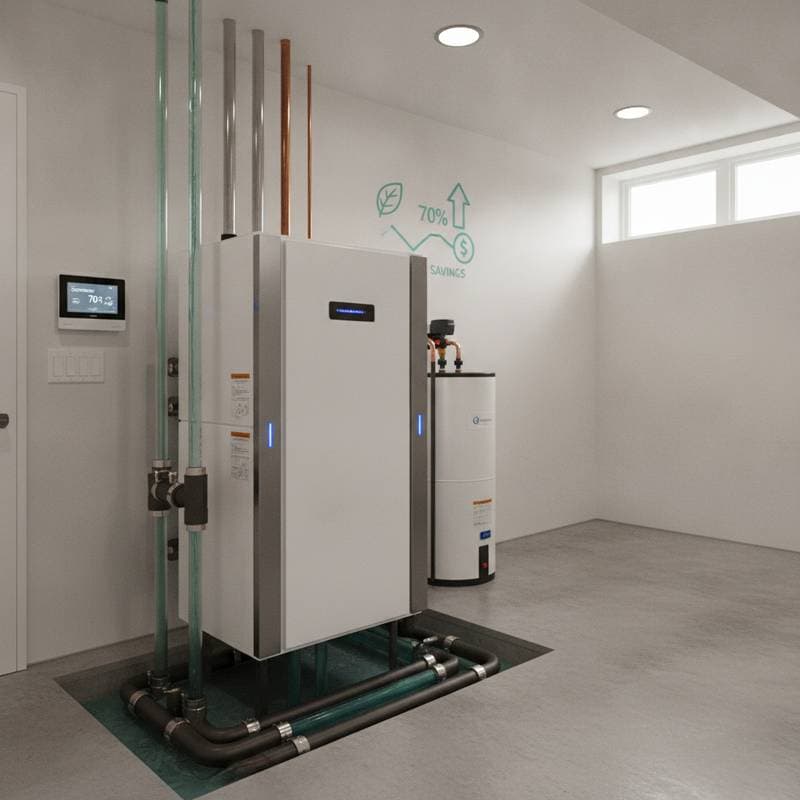
These systems store energy as heat using materials such as molten salts, phase change materials, or engineered ceramics. Excess heat from solar panels or heaters enters the battery for later release to water, air, or radiant systems.
Some units store hot water for domestic use, while others connect to air handlers, radiators, or radiant floors. Phase change materials absorb and release energy as they change state, allowing them to hold substantial heat in a compact space. Engineered ceramic systems can tolerate high temperatures and support larger applications.
The result lowers grid strain during peak hours and reduces reliance on fossil fuel heating. The battery acts as a silent regulator of home energy flow. Smart sensors monitor indoor temperature, outdoor conditions, energy prices, and available solar production, then decide when to charge or discharge.
Steps to Integrate Thermal Batteries
- Conduct an energy audit to locate insulation gaps and inefficient equipment.
- Select battery capacity that matches your heating and cooling loads.
- Connect the system to solar thermal panels or heat pumps for best results.
- Add smart controls that automate storage and release decisions.
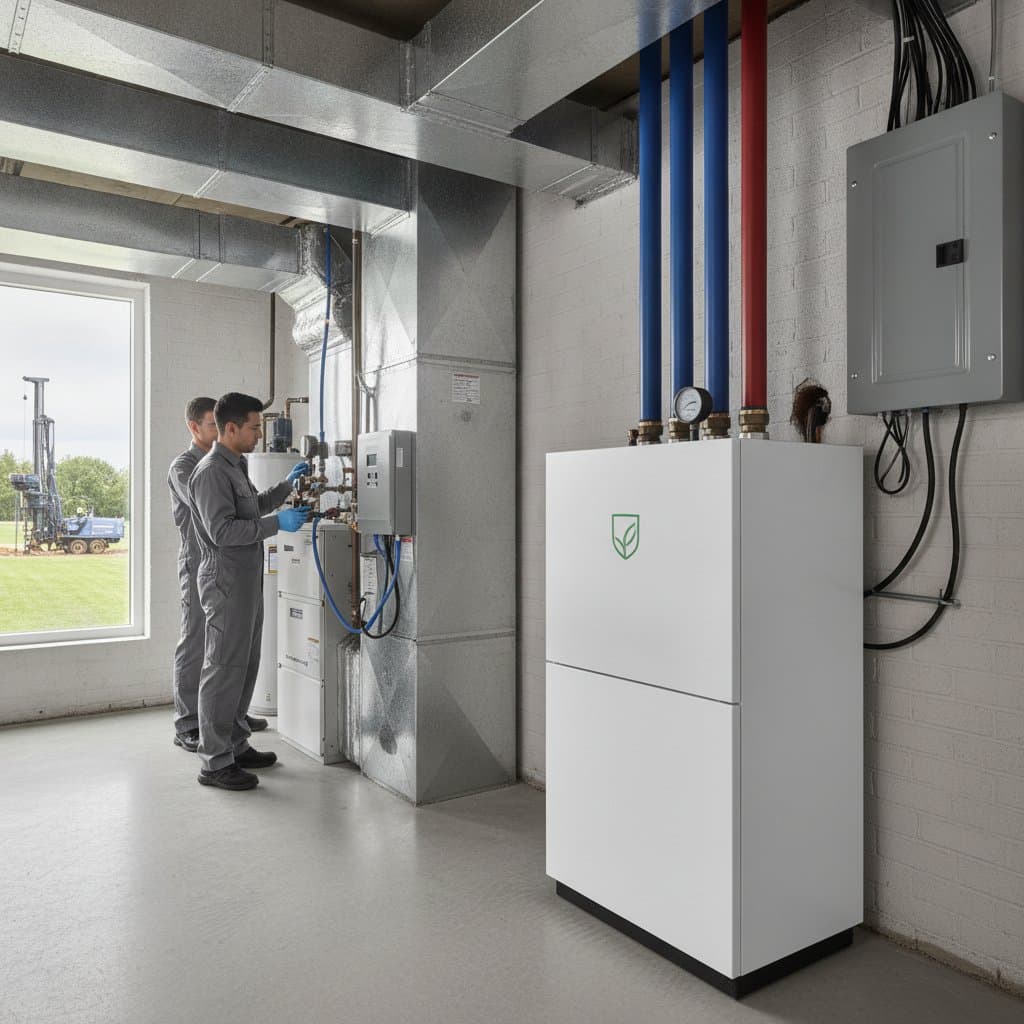
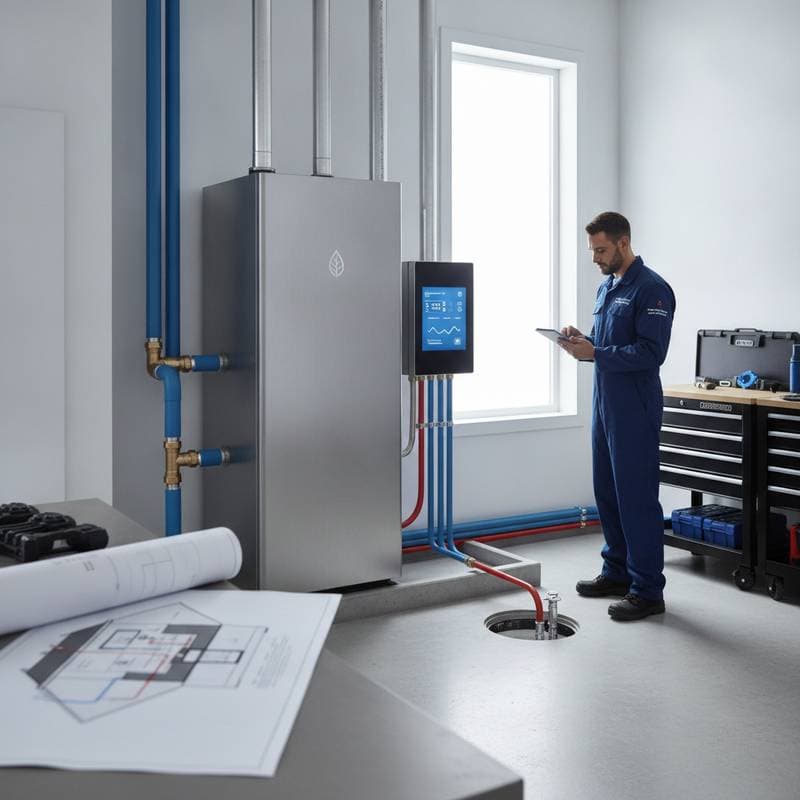
- Arrange professional installation to meet safety and code requirements.
Ask installers how the proposed unit will fit into your existing design. A utility room, basement, garage, or insulated outdoor enclosure may provide suitable space, but access for servicing should remain clear. Confirm that controls work with your thermostat, heat pump, water heater, and solar equipment before signing off on the project.
Mistakes That Reduce Performance
- Install insulation upgrades before adding the battery.
- Match system size to seasonal demand patterns.
- Avoid DIY setups that overlook thermal safety limits.
- Do not place storage equipment where moisture, flooding, or extreme temperature can damage controls.
- Avoid choosing capacity based only on the largest possible heating load, since oversized equipment can increase cost without improving comfort.
A professional load calculation is more useful than a simple square footage estimate. It accounts for window area, insulation levels, occupancy, orientation, and local climate.
Financial and Environmental Benefits
Systems range from 4000 to 10000 dollars. Shifting use away from peak periods cuts heating costs by up to 40 percent and cooling costs by about 20 percent.
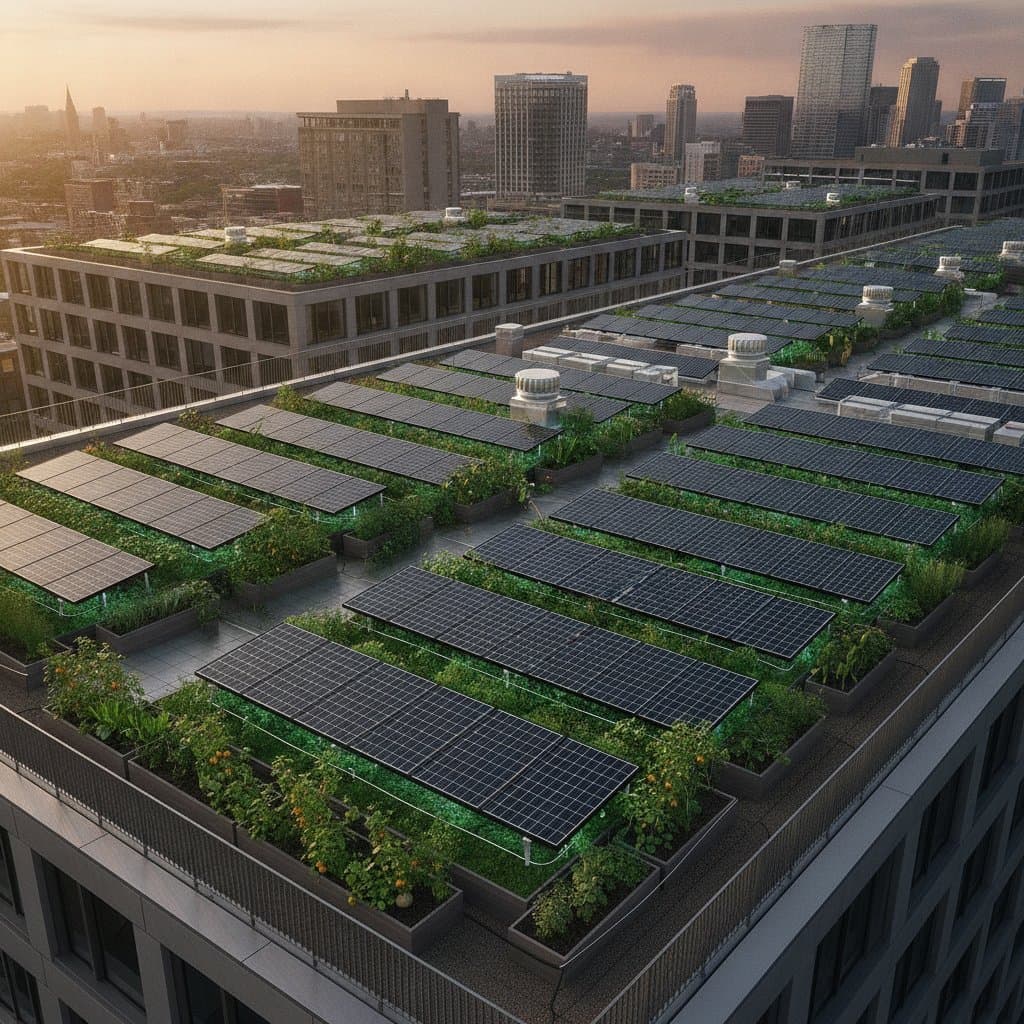
Lower grid demand also reduces emissions. Storage extends the value of solar arrays by making output available around the clock. Savings depend on utility pricing, system efficiency, climate, and household habits, so request a clear estimate that includes installation, controls, maintenance, and expected energy reduction.
Thermal storage can also improve equipment life. Heat pumps and boilers may cycle less frequently, reducing wear on compressors, pumps, and valves. Local incentives may reduce the upfront expense when a system is paired with renewable generation or energy efficiency improvements.
Climate Specific Approaches
Coastal homes pair batteries with desiccant dehumidifiers. Mountain homes combine them with radiant floors for steady warmth. Desert homes store cool night air for daytime use.
Select phase change materials with melting points near indoor targets for moderate climates. Molten salts suit colder regions that need higher capacity. In humid regions, protect insulation and controls from condensation. In hot climates, place storage away from direct sun and use reflective barriers where appropriate.
Interior design choices matter as well. Tile, masonry, and concrete floors can absorb and slowly release warmth, while heavy interior walls provide useful thermal mass. Light colored shades and ventilated window treatments can reduce unwanted solar gain in warm rooms.
Installation and Maintenance Practices
Installation requires two to three days. Annual checks of seals, pumps, and insulation maintain performance. Local rebates often apply when systems connect to renewables.