Key Points
- Recycled plastic siding minimizes environmental waste, elevates home value, and improves energy efficiency.
- This material demands less maintenance than traditional options and endures for decades without fading or warping.
- Initial costs range from 10 to 25 percent above vinyl, yet lifetime savings arise from reduced maintenance and energy consumption.
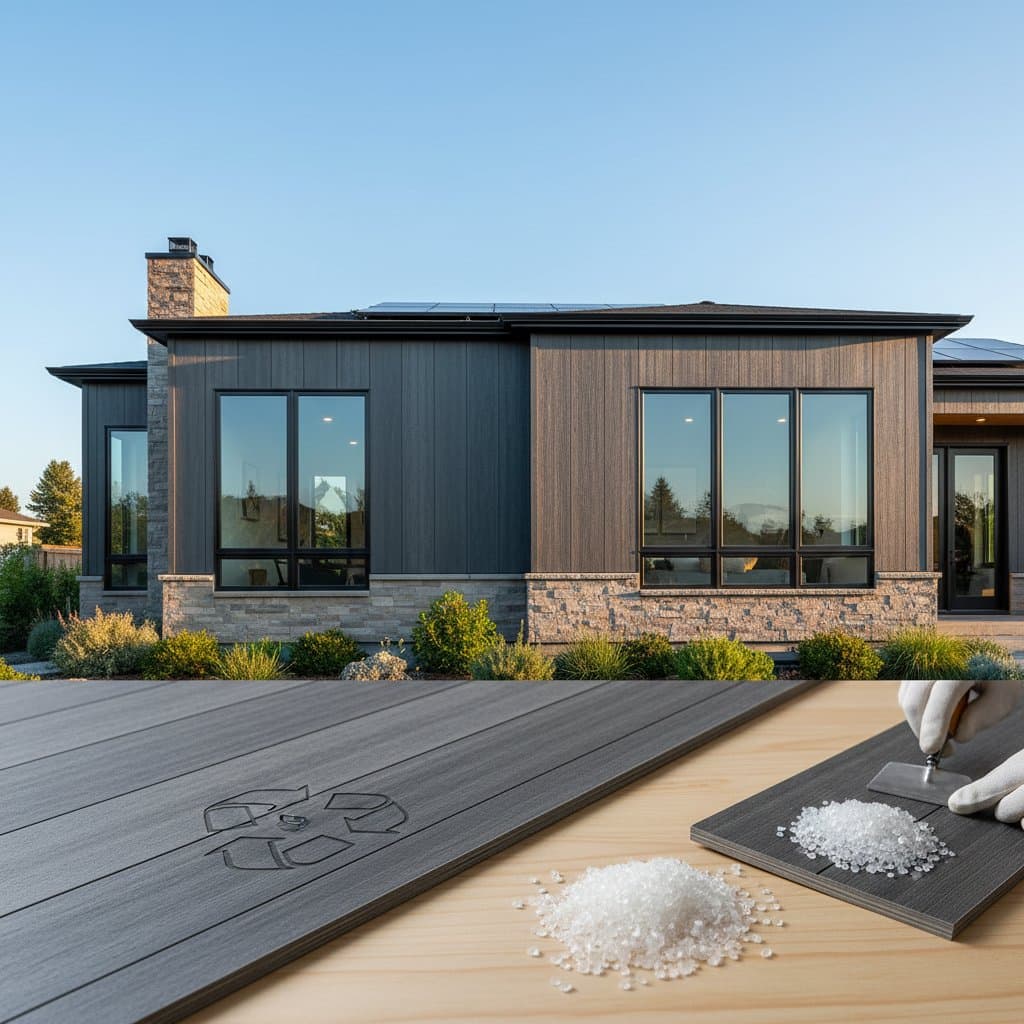
- Advanced composites from manufacturers replicate wood grain or architectural panels with remarkable realism.
- Homeowners benefit from sustainability certifications that strengthen resale value and market attractiveness.
The Value of Recycled Plastic Siding
The choice of siding affects both home efficiency and property worth. Traditional options such as wood and fiber cement demand regular upkeep and degrade from moisture or temperature changes. Recycled plastic siding, derived from post-consumer and post-industrial polymers, naturally withstands these challenges.
Financial data supports its appeal. Installation costs exceed those of vinyl or fiber cement slightly, but maintenance expenses decrease significantly. Over 20 years, owners save 15 to 35 percent on cleaning, upkeep, and repainting. Enhanced thermal properties further reduce energy bills by 5 to 12 percent each year, based on local climate and insulation.
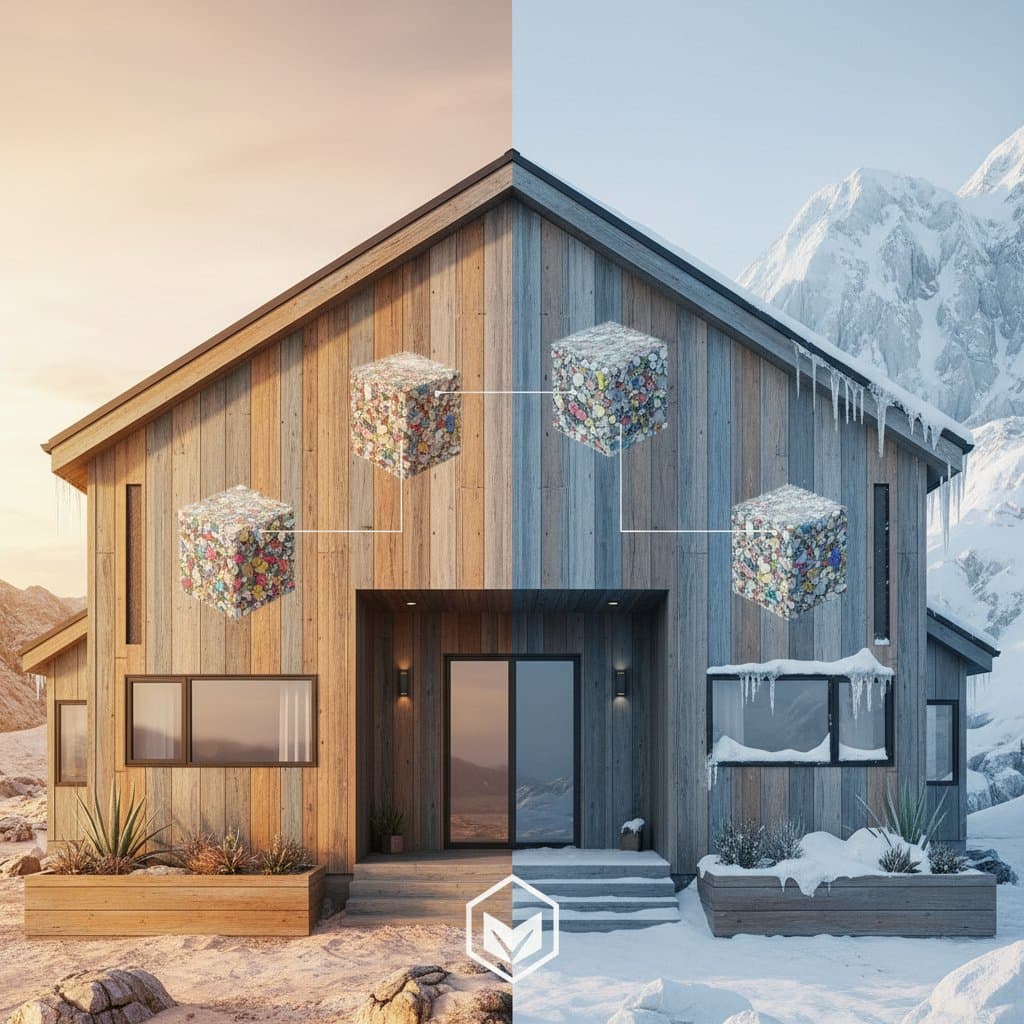
On the environmental front, each 100 square feet of recycled plastic siding prevents 60 to 80 pounds of plastic from entering landfills. For an entire home, the effect multiplies. The recyclable design at end-of-life supports circular economy principles that many homeowners value today.
Cost Comparisons and Investment Returns
Initial Costs
- Recycled plastic siding: 9 to 14 dollars per square foot installed
- Vinyl siding: 6 to 10 dollars per square foot
- Fiber cement siding: 8 to 12 dollars per square foot
- Wood siding: 10 to 15 dollars per square foot, plus ongoing maintenance
Recycled plastic siding aligns with the upper range of starting costs, but it balances this through lower long-term expenses. Limited need for repainting, less moisture damage, and fewer repairs lower the overall ownership cost.
Investment Returns
Analysts project that exterior improvements recoup 70 to 85 percent of expenses upon resale. Recycled plastic siding achieves rates near the upper end, particularly when paired with energy-efficient insulation and green certifications. Buyers favor environmental accountability, and low-maintenance exteriors draw interest in crowded markets.
Maintenance and Durability Overview
| Material | Maintenance Interval | Expected Lifespan | Moisture Resistance | Fade Resistance |
|---|---|---|---|---|
| Wood | Every 3-5 years | 20-40 years | Moderate | Moderate |
| Fiber Cement | Every 7-10 years | 30-50 years | High | Moderate |
| Vinyl | Minimal | 20-30 years | High | High |
| Recycled Plastic | None beyond cleaning | 50+ years | Excellent | Excellent |
Aesthetic Options and Design Flexibility
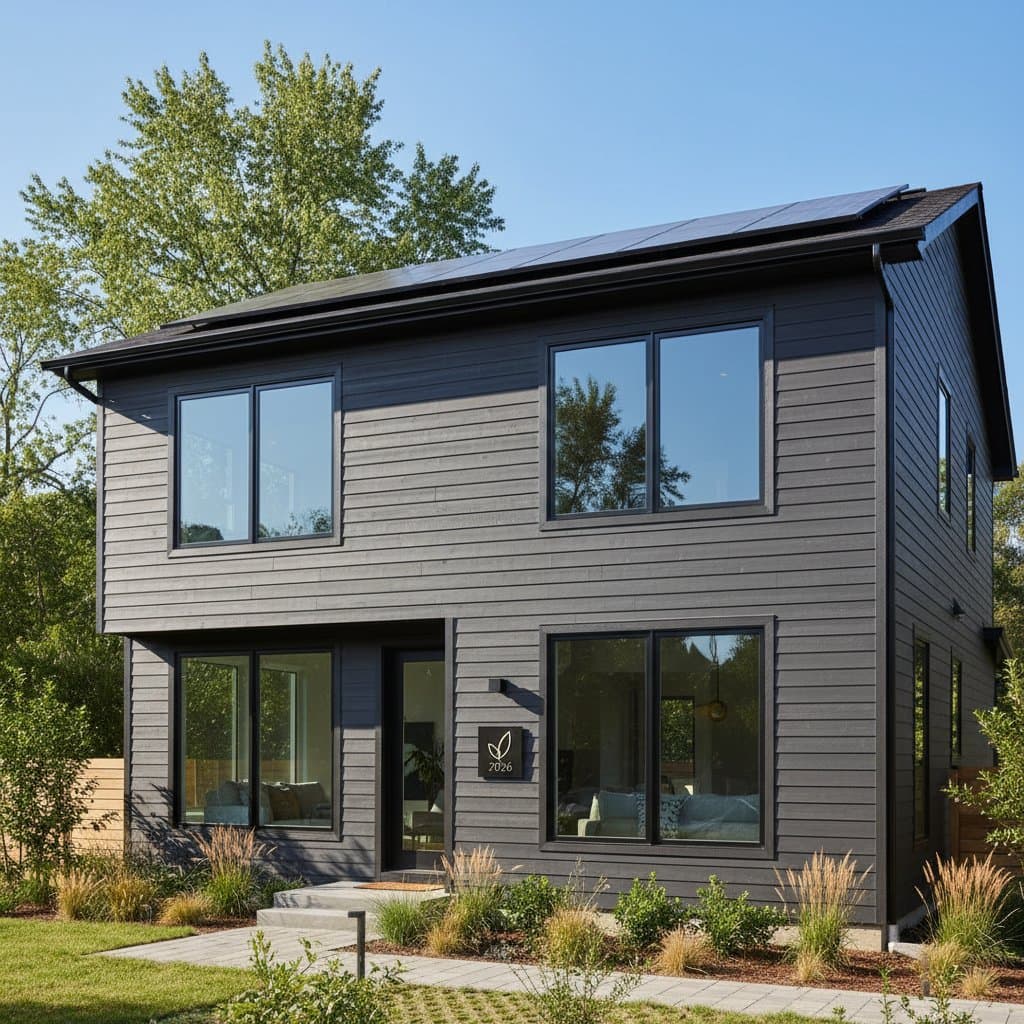
Recycled plastic siding extends beyond basic looks. Current offerings include wood-like planks, shingle patterns, and architectural panels in diverse colors. Textures mimic natural materials so closely that experts occasionally confuse them.
Select from matte, satin, or semi-gloss finishes that retain color over decades. The material allows custom molding for distinctive architectural shapes, providing designers with options superior to many conventional products.
Color-through technology maintains uniform hues even on cut edges. This simplifies setup and avoids the uneven look common in painted surfaces.
Manufacturers pair recycled plastic siding with matching trim, soffit, and fascia for a cohesive exterior appearance.
Industry Trends Driving Adoption
The construction sector unites around durable, low-maintenance exteriors that advance sustainability. Recycled plastic siding aligns seamlessly with this direction.
Builders value its straightforward installation and resilience against site hazards. Remodelers appreciate swift updates to older properties without major structural work. Real estate agents note rising demand for sustainable, easy-care materials.
As local governments and developers adopt green standards, recycled plastic siding features prominently in project specifications. It complies with energy codes, aids certification processes, and signals clear environmental dedication.
Planning Finances and Budgets
The starting price of recycled plastic siding surpasses basic vinyl, but funding options ease the process. Certain lenders treat sustainable enhancements as energy upgrades, eligible for targeted loans or tax credits.
To estimate total expenses, account for these elements:
- Material cost: 9 to 14 dollars per square foot
- Labor: 2 to 4 dollars per square foot, varying by wall design
- Accessories: Trims, corners, and soffits add 10 to 15 percent
- Contingency: Allocate 5 to 10 percent for unexpected repairs
With its durability and low care needs, recovery occurs in 8 to 12 years via energy and maintenance reductions. For long-term residents, this establishes recycled plastic siding as a prudent choice.
Answering Frequent Concerns
Does recycled plastic siding fade with time? Premium versions include UV inhibitors to shield pigments from sun exposure. Manufacturers often warrant color retention for decades.
Is painting possible? Most arrive with integrated color finishes that eliminate painting needs. For color shifts later, apply coatings formulated for plastics.
How does end-of-life recycling work? Numerous producers reclaim panels for reuse, sustaining the manufacturing cycle. Verify options prior to buying.
Does it suit historic properties? Current designs emulate traditional clapboard and shingle styles accurately. Preservation groups approve them when properly matched.
Might it cause moisture buildup behind walls? Proper installation with flashing and ventilation enhances moisture control, as the material repels water absorption.
Steps to Install Recycled Plastic Siding
Homeowners prepared for a green exterior upgrade should start with assessment. Examine the current wall system, insulation, and framework. Engage a builder or architect experienced in composite materials. Examine samples under daylight to evaluate texture, color, and sheen.
Set a budget covering materials and expert labor. In areas with extreme temperatures, select systems tested for thermal consistency. For humid or coastal zones, check ratings for salt and moisture resistance.
Post-installation care remains basic. Clean surfaces periodically with mild soap and water to clear debris or pollen. Steer clear of abrasives or high-pressure methods that might harm finishes. These practices preserve appearance and function for over 50 years.
Benefits of a Sustainable Exterior
Recycled plastic siding offers more than visual renewal. It embodies dedication to environmental care, fiscal wisdom, and contemporary aesthetics. Each panel reduces waste, each low-effort cleaning saves time, and each efficiency gain fosters home comfort.
This choice suits varied plans, from lifelong living to market preparation. It showcases strategic thinking, blending economic and ecological aims in a lasting upgrade. When others inquire about the fresh, efficient look, the response highlights a material that honors both the environment and budget, where green practices and appeal harmonize across the home facade.