Key Points
- Geothermal HVAC systems reduce annual heating and cooling costs by up to 65 percent through superior efficiency and reliable long-term performance.
- These systems access consistent underground temperatures, minimizing reliance on volatile energy supplies.
- Although initial installation expenses exceed those of standard systems, payback typically occurs in five to ten years, influenced by local energy rates and site factors.
- Owners enjoy minimal maintenance needs, extended equipment durability, and enhanced indoor air quality.
- Federal, state, and utility programs provide rebates and credits that substantially lower upfront investments, positioning geothermal options as viable for new constructions and existing homes.
Why This Matters for Your Budget
Geothermal systems harness the earth's steady subsurface temperatures to provide heating and cooling with outstanding efficiency. Unlike outdoor air, which varies dramatically with seasons, the ground maintains a stable temperature just below the surface throughout the year. Heat pumps in these systems extract this natural resource, producing up to four units of heating or cooling for each unit of electricity used.
Air-source systems achieve efficiencies around 90 percent, but geothermal setups surpass 400 percent in ideal scenarios. This superior performance leads to energy bill reductions of 40 to 65 percent over traditional methods. Homeowners experience these savings consistently across diverse climates.
Long-term costs further strengthen the case. Interior components endure over 20 years, and underground loops operate for 50 years or longer. Such longevity yields cumulative savings and shields against rising energy prices.
Evaluating Costs and Returns
Geothermal installations cost more initially than conventional HVAC, varying by soil type, loop configuration, and property size. Drilling and labor account for most of the expense, yet regular utility reductions offset this over time.
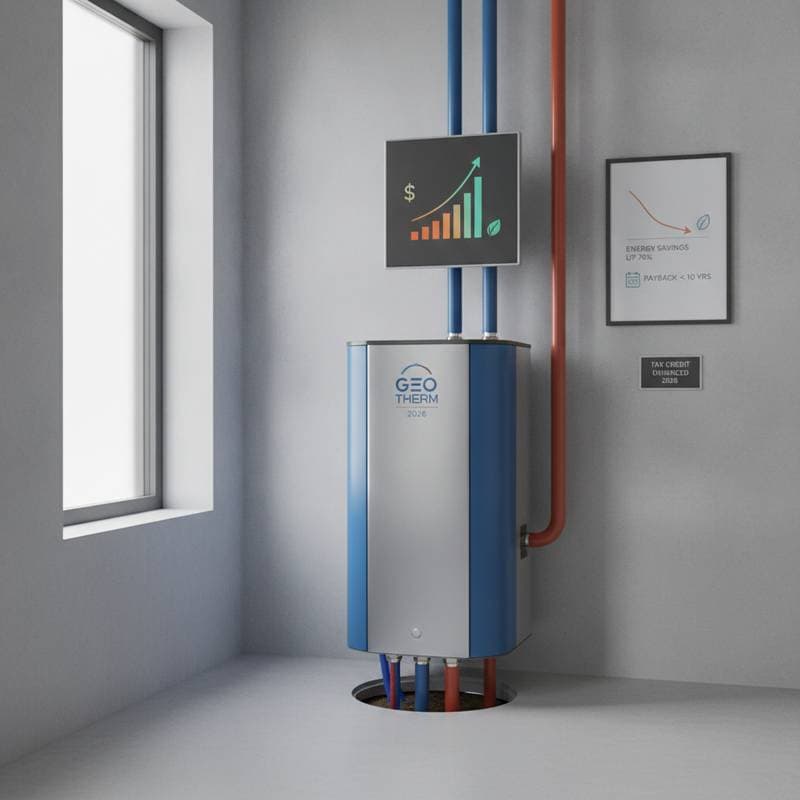
A typical system cuts yearly energy expenses by about 60 percent. As fuel prices shift, the investment appeal grows. Many recover costs within ten years, particularly with rebates, tax credits, and favorable financing from renewable programs.
Assess return on investment through these factors:
- Energy Savings: Consistent monthly bill decreases build reliable returns.
- Maintenance Savings: Simpler designs reduce repair frequency versus fossil fuel systems.
- Property Value Boost: Efficient homes attract premium prices and quicker sales.
Professional Requirements and Planning Considerations
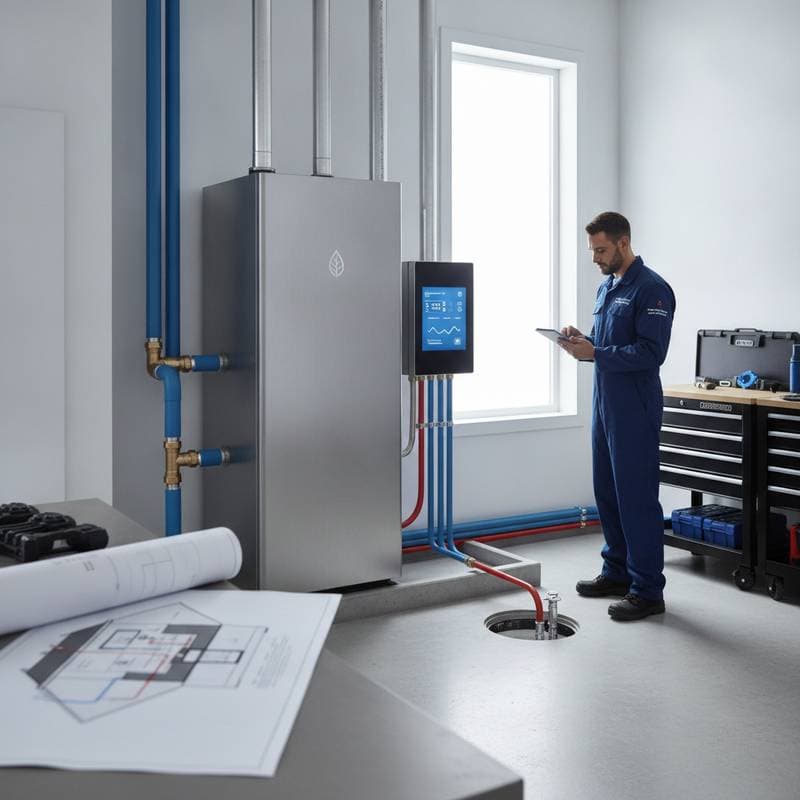
Geothermal installation demands expert involvement, including site analysis and precise engineering. Professionals conduct geological surveys to select optimal loop types, such as horizontal trenches or vertical boreholes.
Homeowners preparing for installation should:
- Conduct a site assessment to confirm space for loops, whether horizontal or vertical.
- Calculate precise energy loads to size the system correctly for even performance.
- Analyze soil and water table to guide loop placement and estimate costs.
- Review electrical needs, potentially upgrading panels or circuits for the heat pump.
Select contractors certified in ground-source technology to achieve peak efficiency and secure full warranties.
Financing and Incentive Opportunities
Upfront costs deter some, but incentives mitigate this barrier. Rebates from utilities, low-rate loans, and tax credits often cover 20 to 40 percent of expenses, accelerating financial recovery.
Options like energy-efficient mortgages or property-assessed clean energy financing distribute payments over decades, with savings covering much of the expense immediately.
To secure support:
- Reach out to local utilities for rebate details.
- Speak with mortgage experts specializing in green upgrades.
- Ensure contractors supply documentation for all claims.
These measures convert geothermal into a practical, rewarding choice.
Future-Proofing Your Property
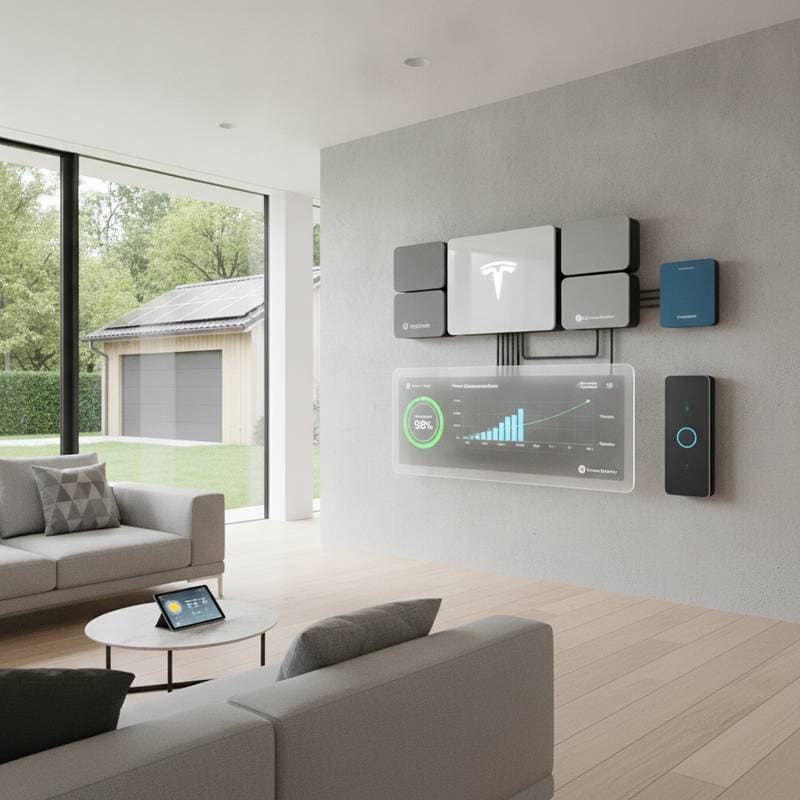
Shifting energy trends favor homes with renewable integrations, enhancing market value. Geothermal HVAC forms a solid foundation for eco-friendly designs, pairing effortlessly with solar arrays and intelligent controls.
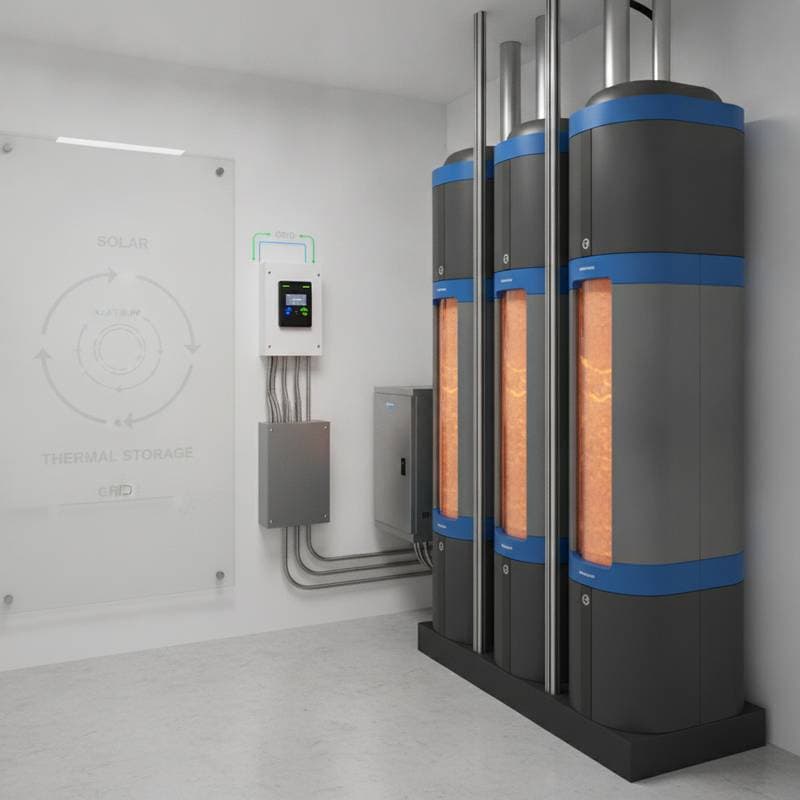
Pairing with solar panels enables near-net-zero energy use. Advancing battery storage will amplify this combination, lessening grid reliance and buffering cost increases.
Geothermal also elevates living standards through compatibility with underfloor heating, water heaters, and zoned climate controls for customized environments.
Making It Happen
Begin the shift to geothermal by arranging an energy audit to map your home's needs. Gather bids from qualified installers detailing designs, expenses, and projections. Weigh efficiency specs, guarantees, and running costs to choose the optimal solution.
This process equips you with a resilient, efficient home that delivers lasting comfort and savings.