#building

Articles tagged with building

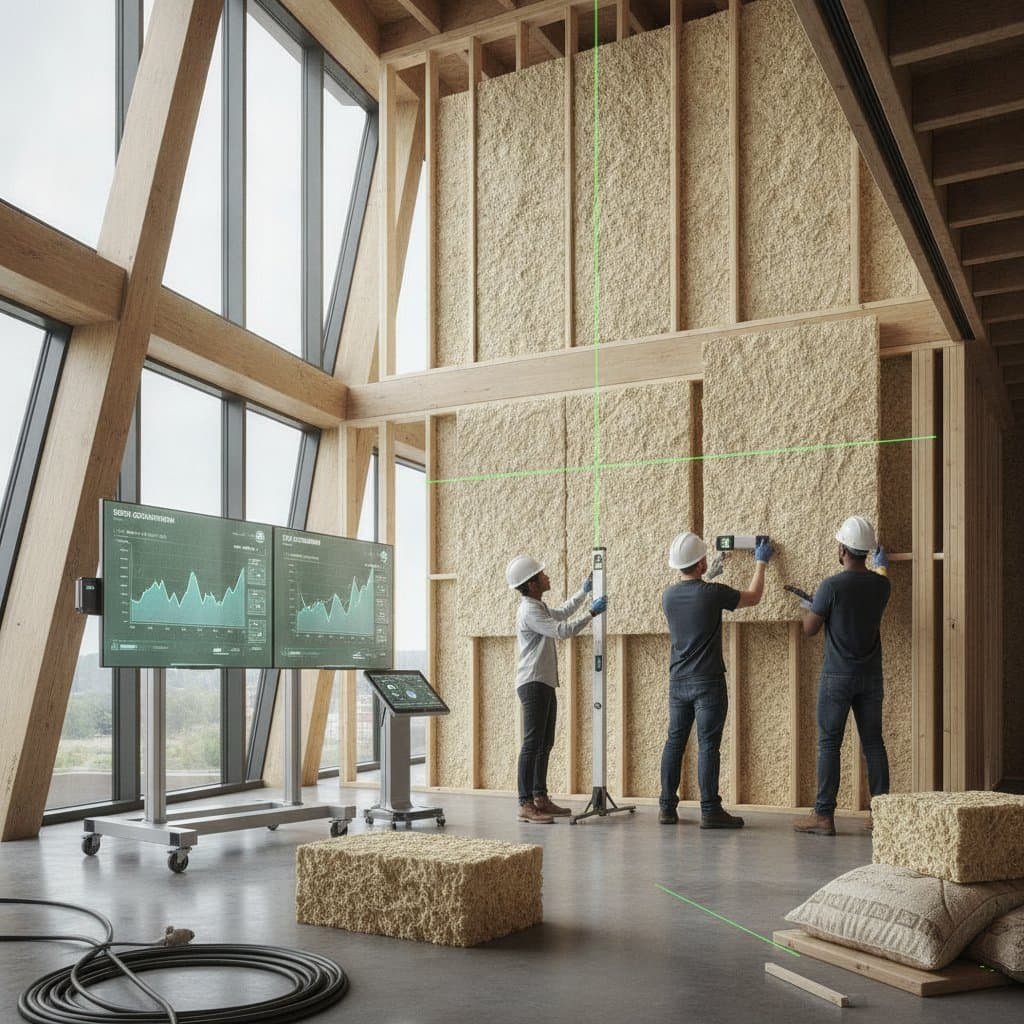
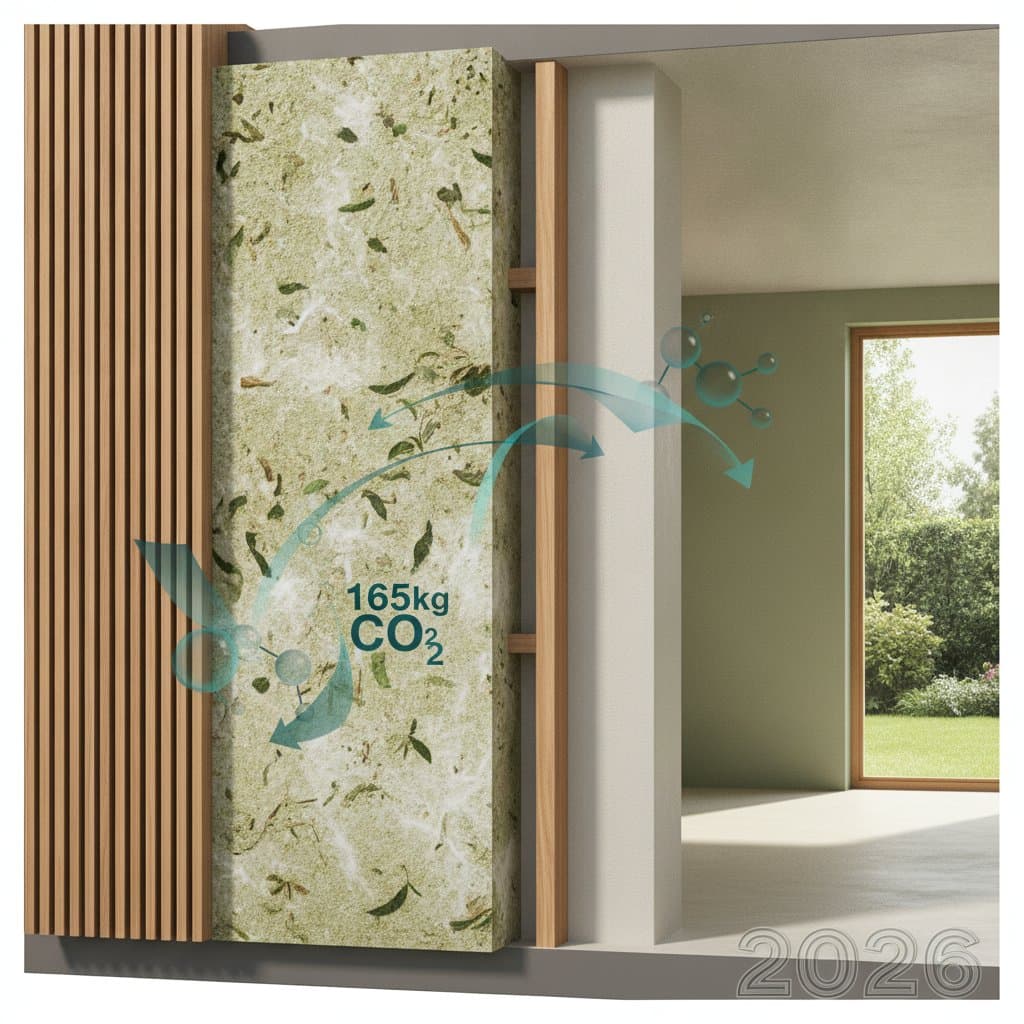
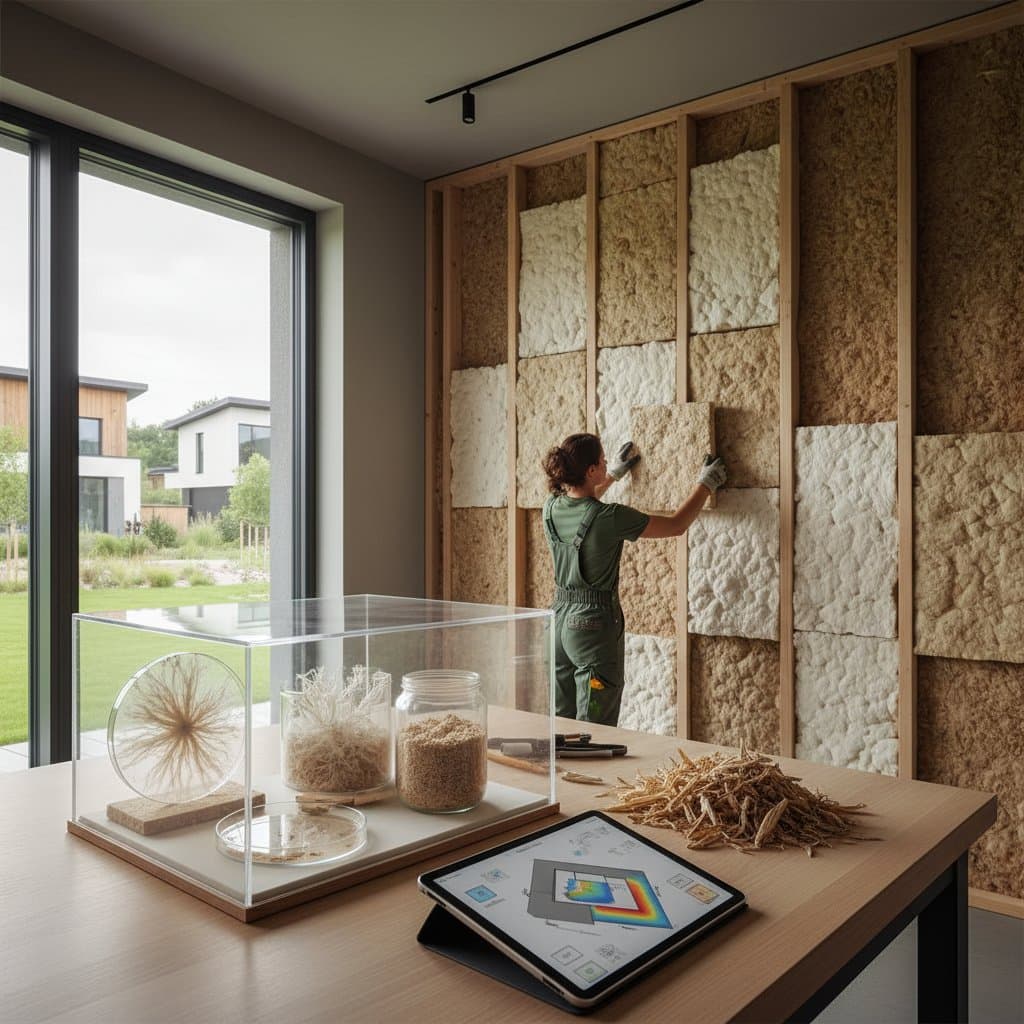
Featured image for Mushroom Insulation Grows Itself From Farm Waste

Mushroom Insulation Grows Itself From Farm Waste

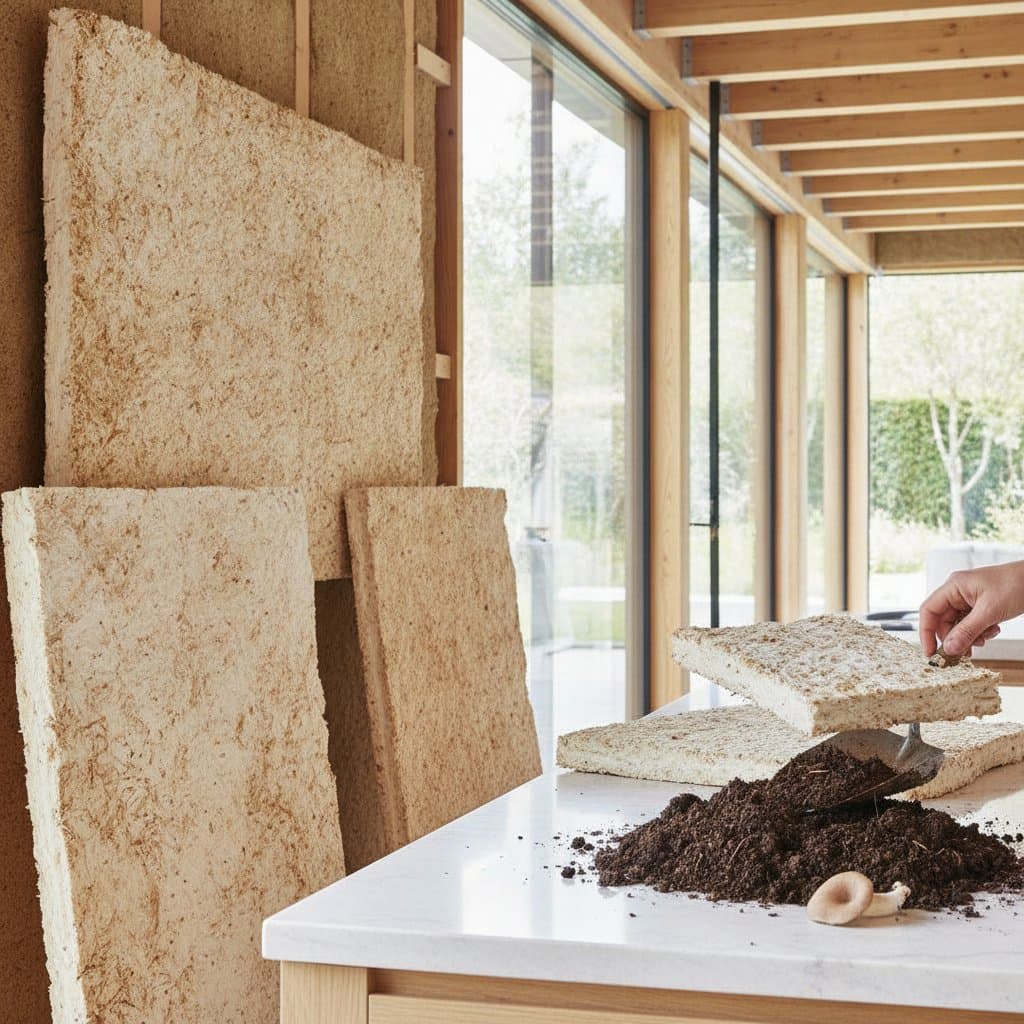
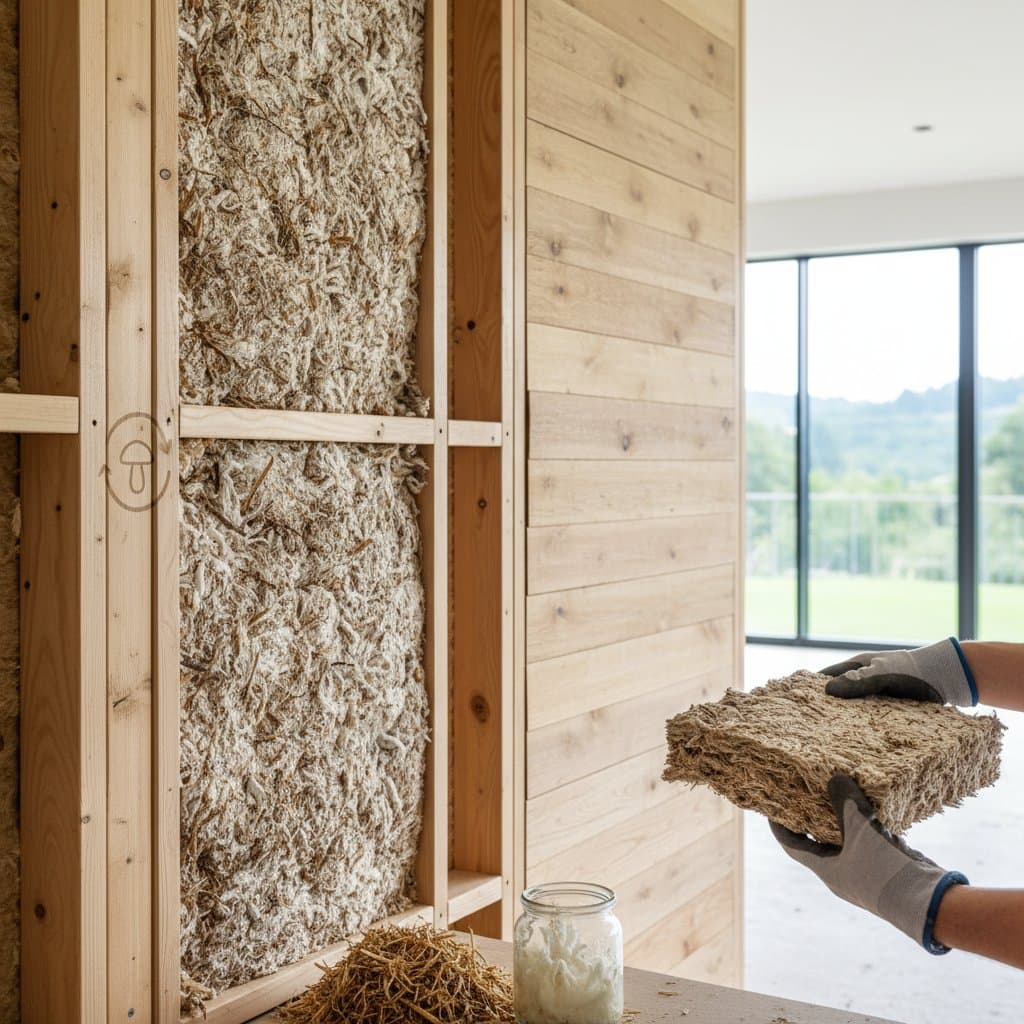
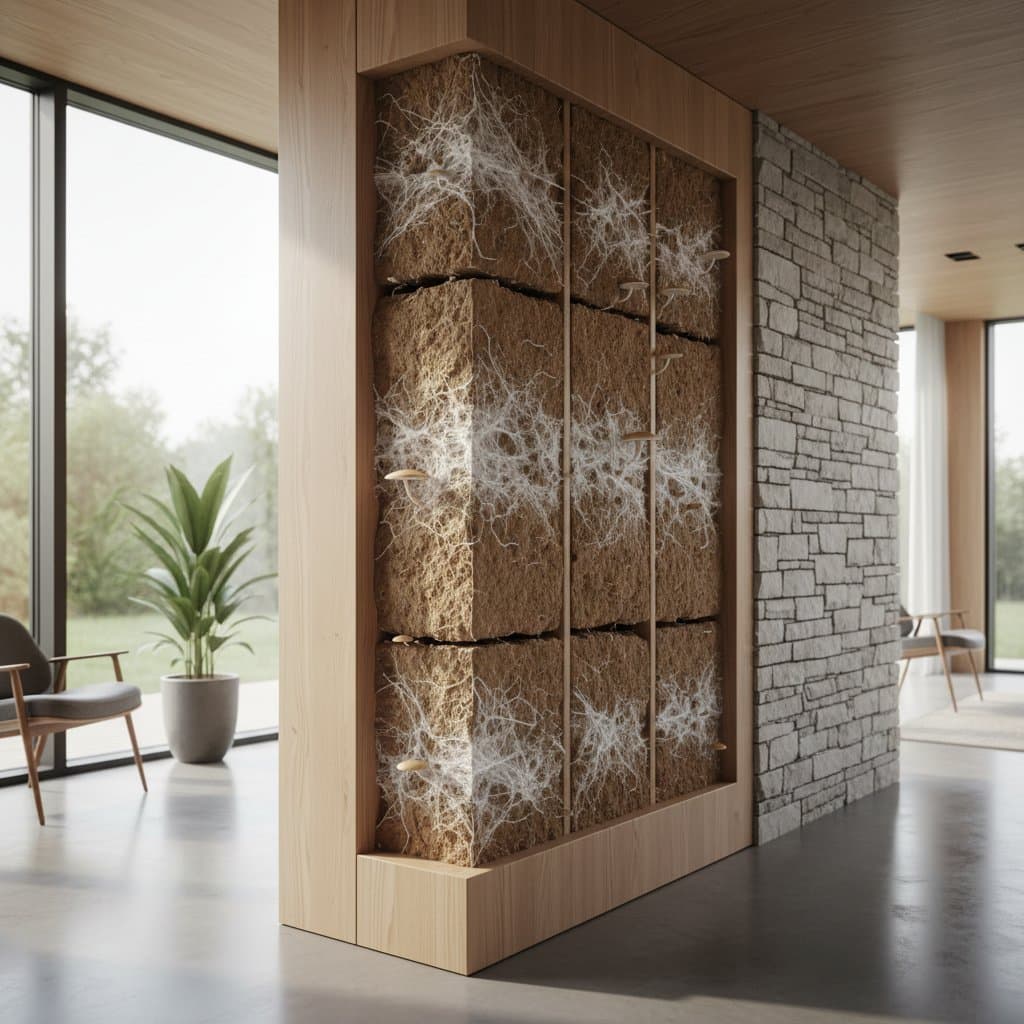
Mushroom insulation, derived from mycelium, redefines sustainable construction through biodegradable, non-toxic panels. These panels regulate temperature, reduce waste, and enhance air quality. Although the initial cost exceeds that of traditional options, long-term energy savings, durability, and health advantages establish this living material as a transformative, eco-friendly choice for future-oriented homes.

6 min read
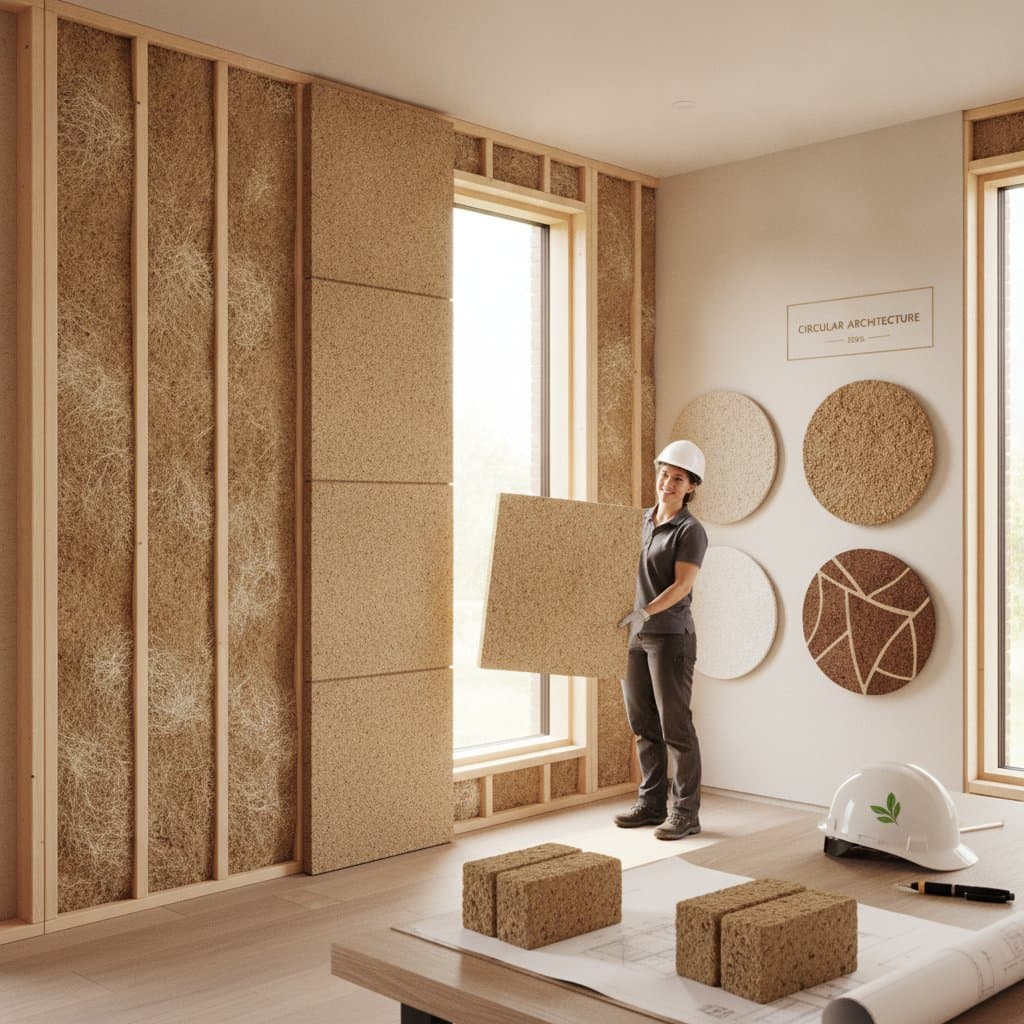
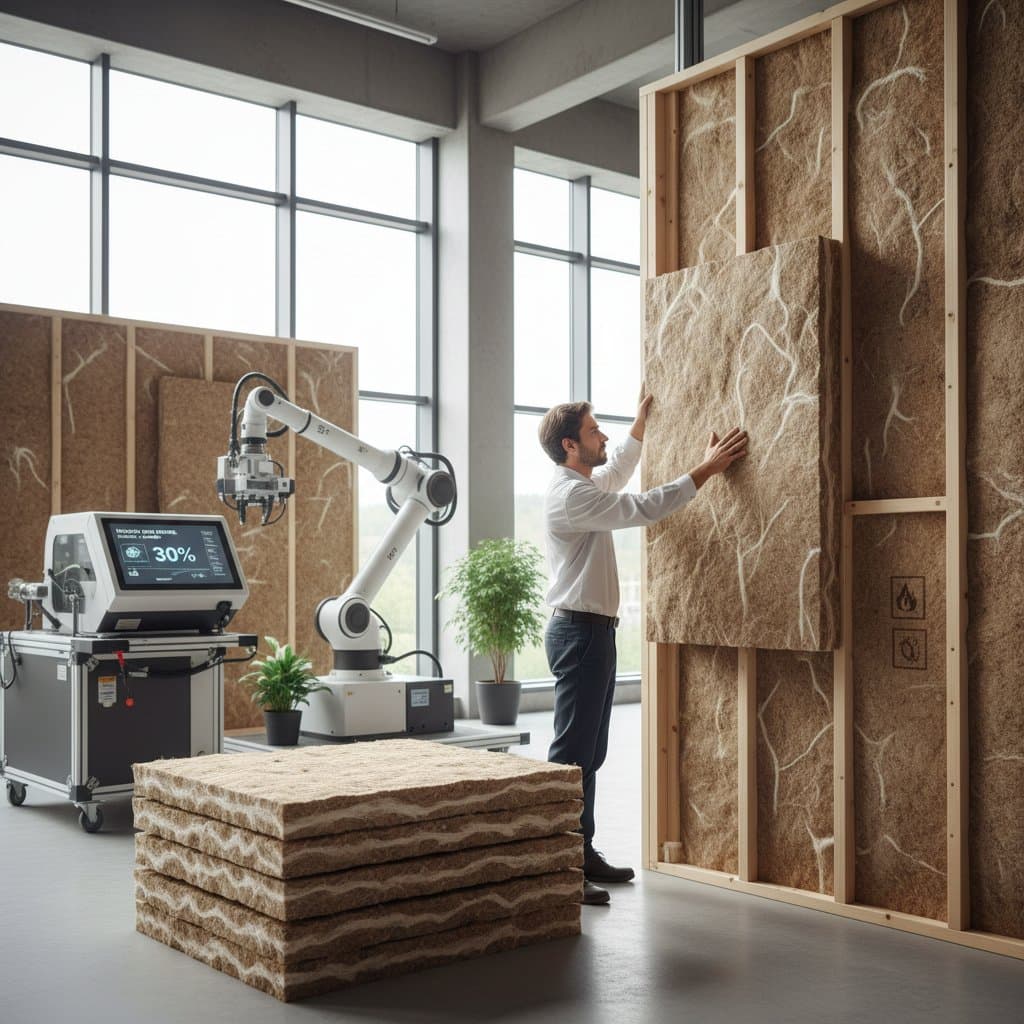
Featured image for Mycelium Insulation Cuts Home Energy Use 30%

Mycelium Insulation Cuts Home Energy Use 30%

Mushroom insulation derived from mycelium redefines sustainable building through its biodegradable, fire-resistant, and energy-efficient properties. It delivers up to 30 percent energy savings and significantly lower carbon emissions by converting agricultural waste into robust panels. Scalable, non-toxic, and economical, this innovation promises to reshape residential design starting in 2026.

4 min read
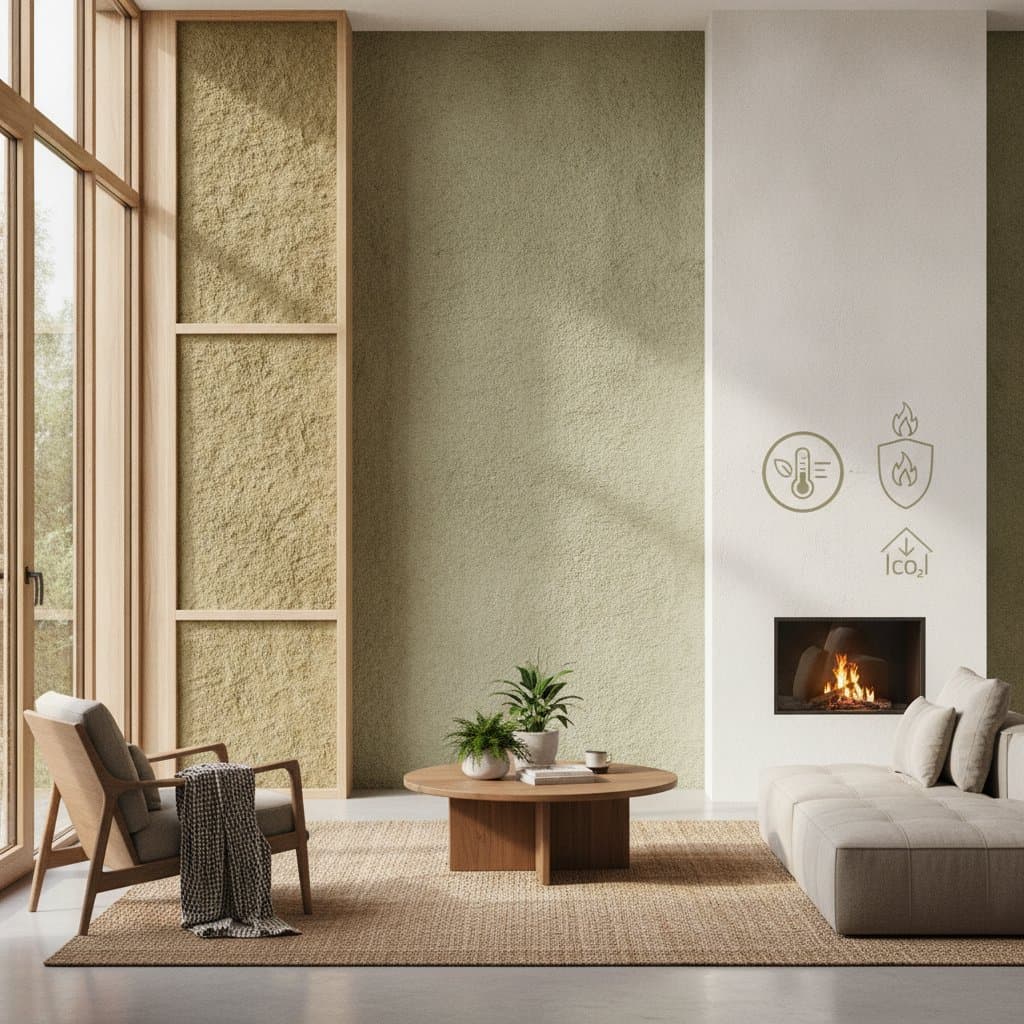
Featured image for Mycelium Insulation: The Biodegradable Material Replacing Foam

Mycelium Insulation: The Biodegradable Material Replacing Foam

Mycelium insulation, derived from fungal roots, emerges as a game-changer in sustainable construction. This renewable, biodegradable option matches traditional insulators in performance while sequestering carbon, resisting fire, and improving indoor air quality. As production scales, its declining costs make it accessible for energy-efficient, environmentally responsible home designs.

6 min read
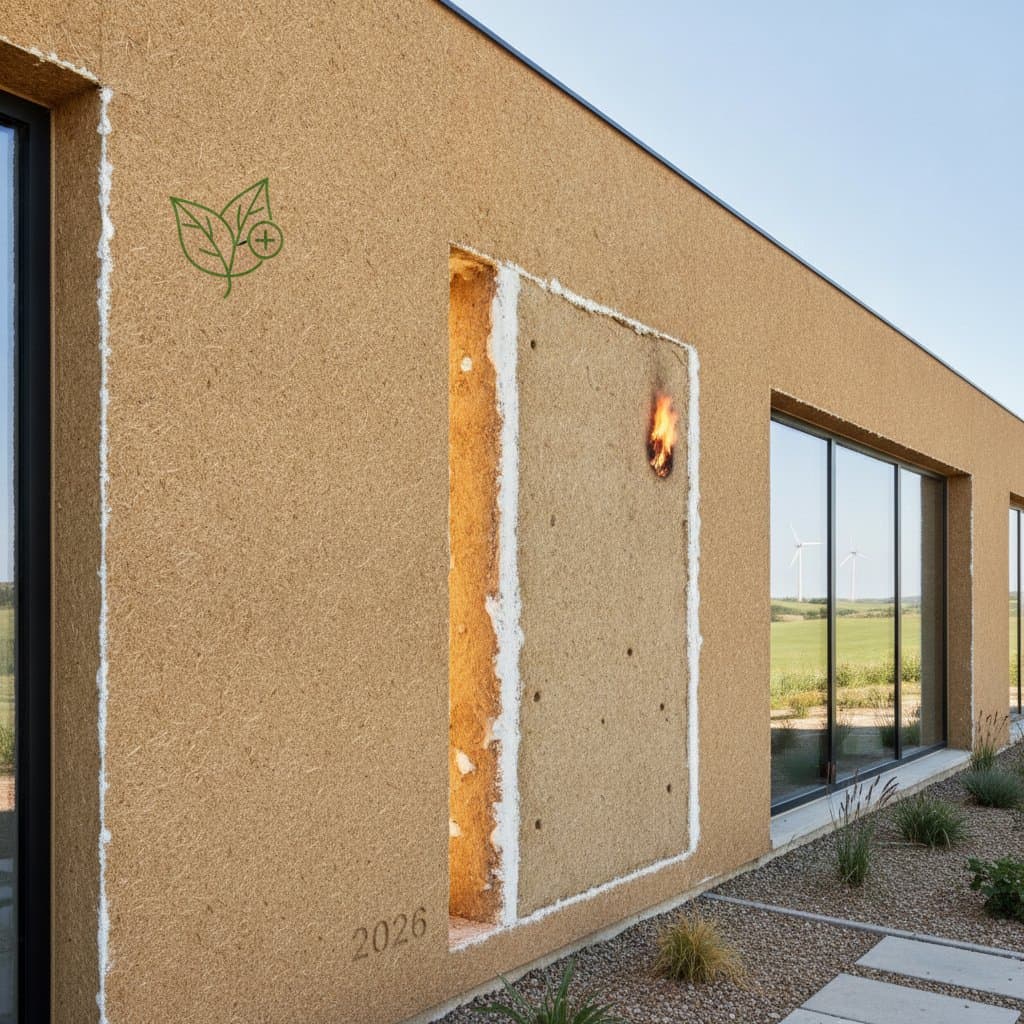
Featured image for Hempcrete Walls Resist Fire Through Lime Chemistry

Hempcrete Walls Resist Fire Through Lime Chemistry

Hempcrete walls merge eco-friendliness with robust fire resistance via a lime binder that encases hemp fibers in a non-combustible form. Despite higher initial costs, they yield enduring security, thermal efficiency, and carbon storage. Perfect for sustainable residences in fire-vulnerable areas, hempcrete ensures breathable interiors, insurance advantages, and a pathway to resilient, green habitats.

6 min read
Featured image for Hempcrete Walls That Absorb Carbon While You Live

Hempcrete Walls That Absorb Carbon While You Live

Hempcrete redefines eco-friendly building through walls that sequester carbon rather than release it. This breathable, fire-resistant option reduces energy use, elevates air quality, and lasts for generations. Despite higher initial expenses, the enduring financial benefits, environmental advantages, and versatile applications position hempcrete as an intelligent selection for forward-thinking constructors.

5 min read
Featured image for Hempcrete Walls Absorb Carbon While Cutting Energy Bills

Hempcrete Walls Absorb Carbon While Cutting Energy Bills

Hempcrete revolutionizes sustainable building through walls that sequester carbon, provide superior insulation, and cut energy expenses. Composed of hemp hurds, lime, and water, this material regulates indoor humidity, improves air quality, and maintains a negative carbon footprint throughout its lifecycle. Although initial costs exceed those of traditional options, the long-term environmental and economic advantages position hempcrete as an essential choice for forward-thinking builders.

4 min read
Featured image for Hempcrete Walls Breathe While Storing Carbon at Home

Hempcrete Walls Breathe While Storing Carbon at Home

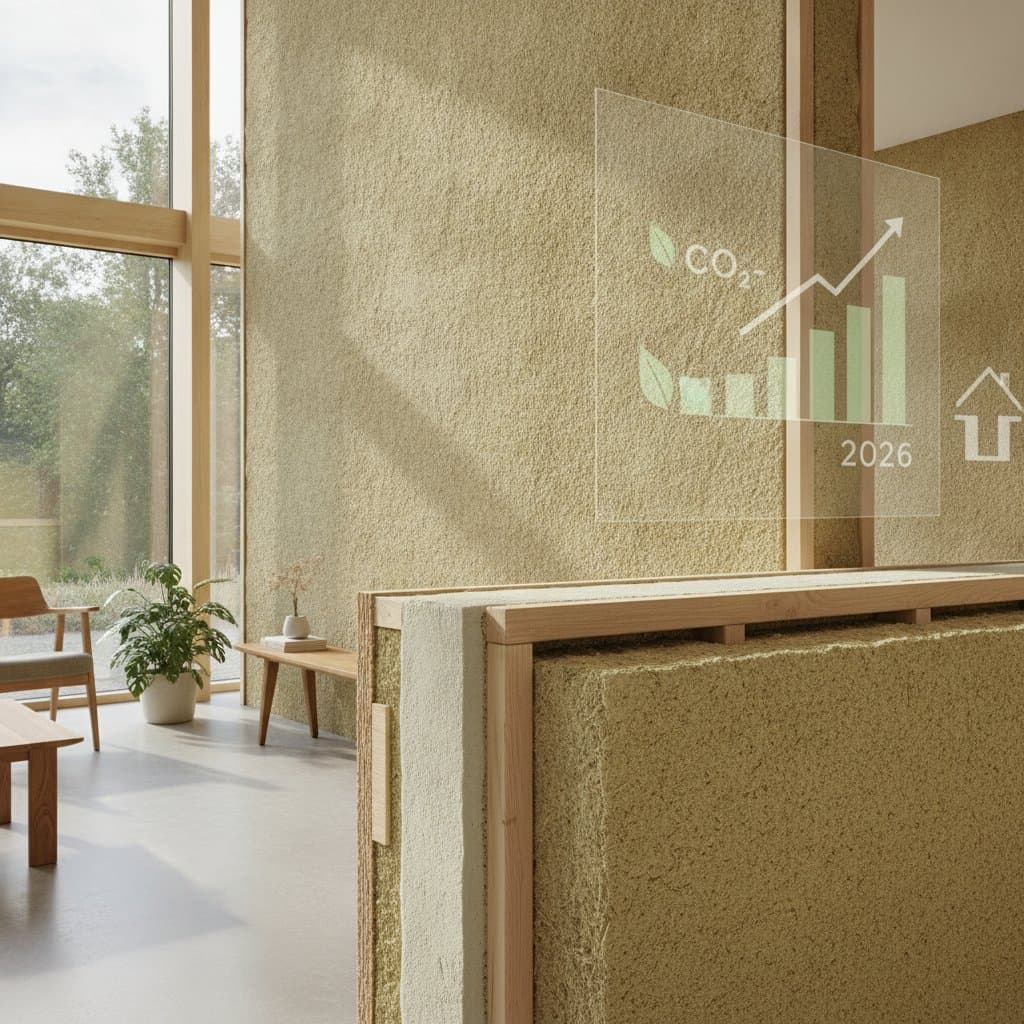
Hempcrete walls revolutionize sustainable building by creating homes that actively capture carbon and enhance living comfort. Composed of hemp hurd, lime, and water, this versatile material offers superior breathability to manage indoor humidity and purify air naturally. While the upfront investment exceeds traditional options, the long-term gains in energy savings, durability, and environmental impact position hempcrete as the frontrunner for carbon-smart residential design in 2026.

4 min read
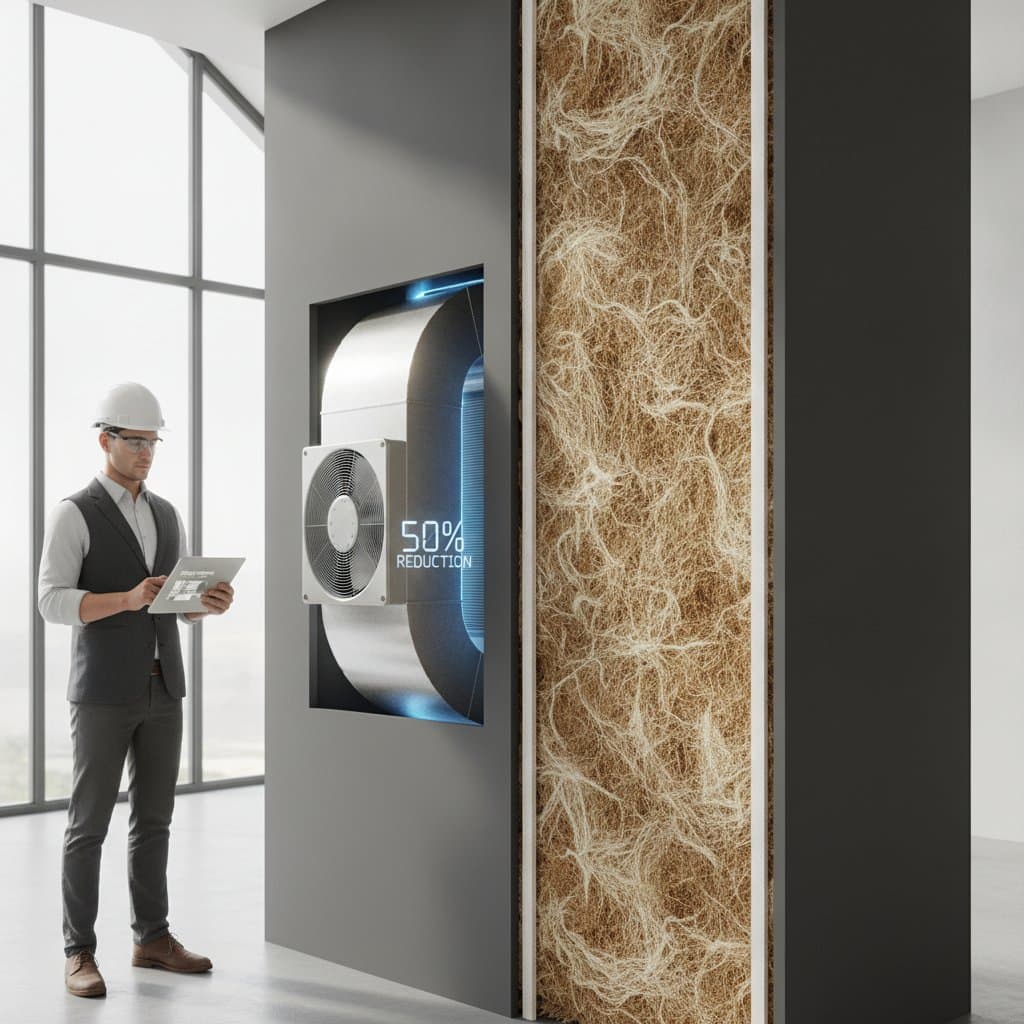
Featured image for Mycelium Insulation Cuts Energy Bills 50% by 2026

Mycelium Insulation Cuts Energy Bills 50% by 2026

Mycelium insulation, derived from fungal roots, promises to cut home energy bills by 50% by 2026 and lower carbon emissions. This lightweight, fire-resistant, and biodegradable option surpasses traditional insulations in sustainability and indoor health benefits. With quick returns on investment, carbon-negative manufacturing, and increasing availability, it transforms homes into efficient, future-proof spaces.

5 min read
Featured image for Hempcrete Walls Store Carbon While Cutting Energy Bills

Hempcrete Walls Store Carbon While Cutting Energy Bills

Hempcrete walls revolutionize sustainable building by sequestering carbon, maintaining optimal indoor climates, and lowering energy expenses by as much as 40 percent. Composed of hemp hurd, lime, and water, these walls provide breathability, longevity, and fire resistance. As bio-based materials gain traction, hempcrete delivers a viable route to carbon-neutral, comfortable residences ready for tomorrow.

4 min read
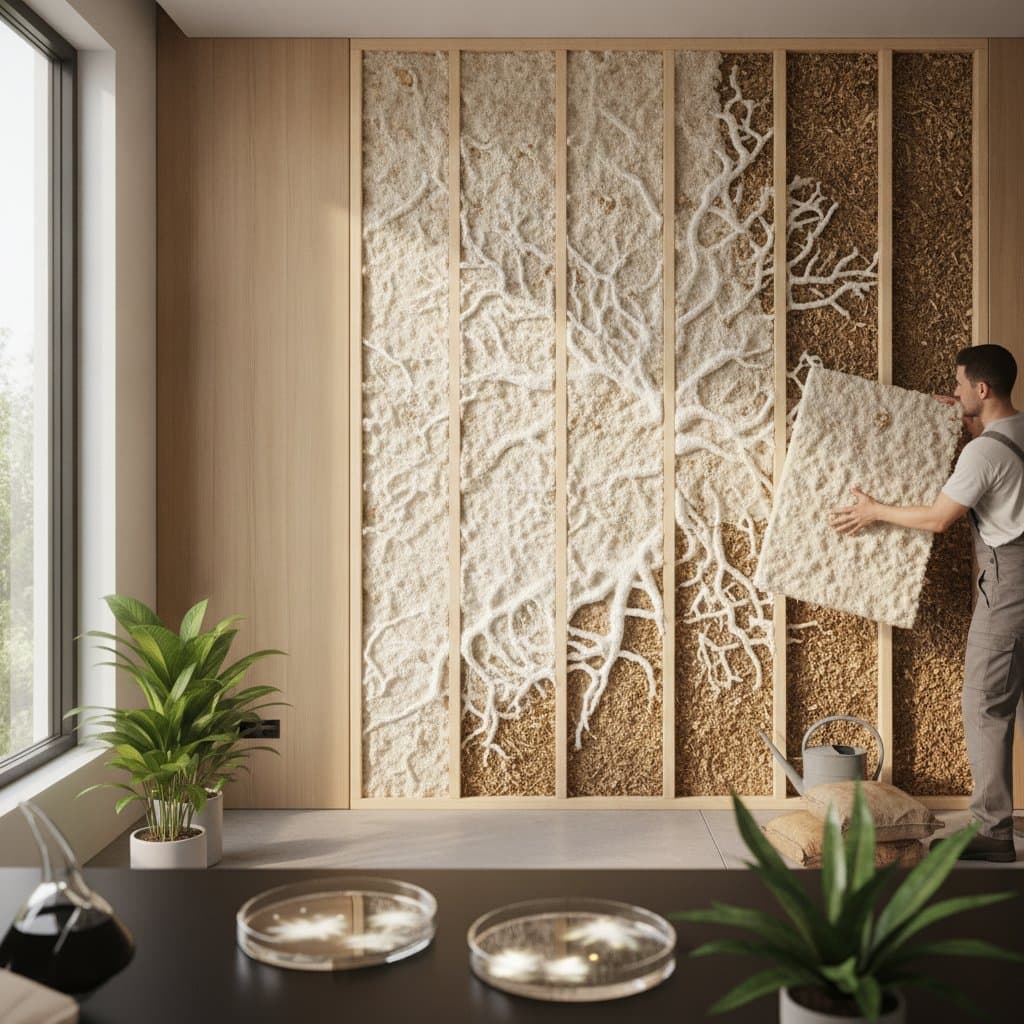
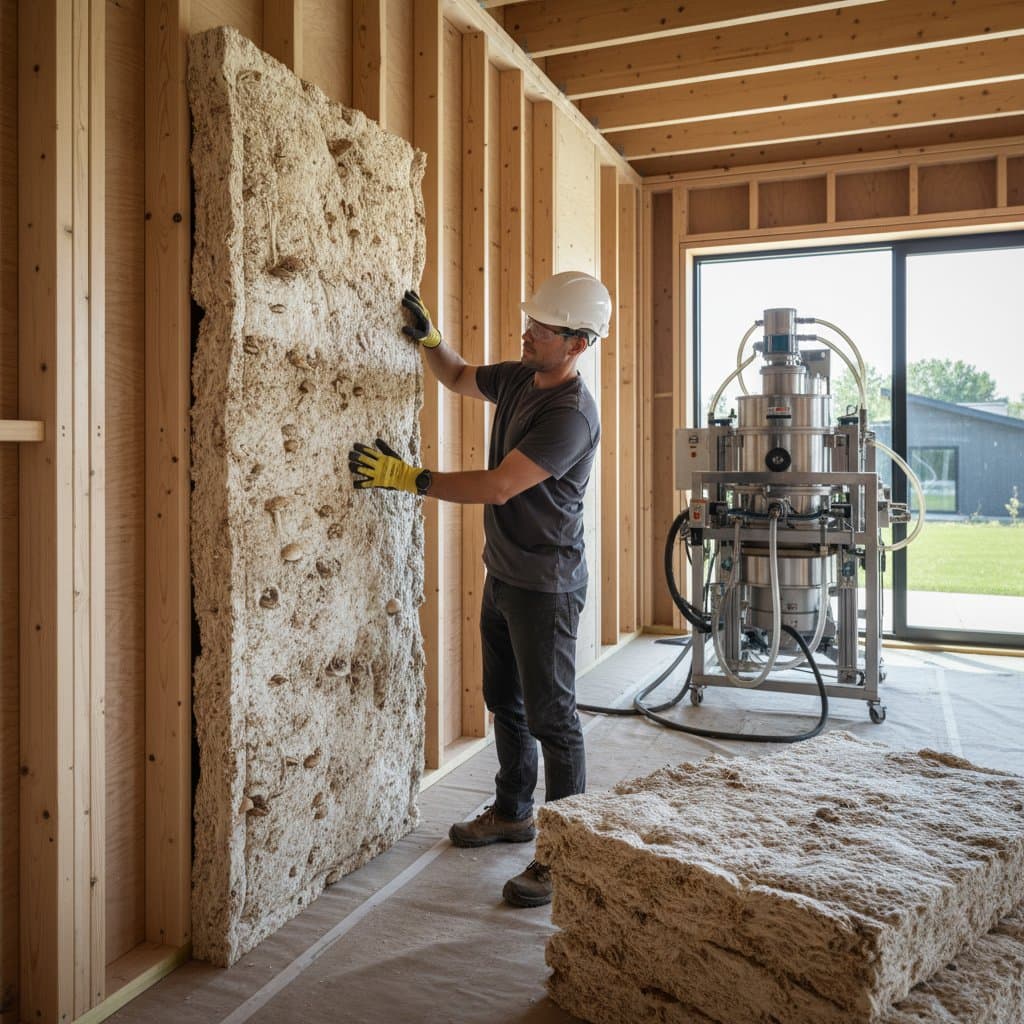
Featured image for Mushroom Insulation Grows Custom-Fit Panels in Your Walls

Mushroom Insulation Grows Custom-Fit Panels in Your Walls

Mycelium-derived mushroom insulation revolutionizes green building through its biodegradable nature, superior fire resistance, and carbon-negative properties. This innovative material matches traditional insulators in performance while enabling custom growth for precise fits, reducing waste, enhancing air quality, and boosting energy savings in modern homes.

5 min read
Featured image for Mycelium Insulation: Nature-Grown Alternative That Breathes

Mycelium Insulation: Nature-Grown Alternative That Breathes

Mycelium insulation revolutionizes home design by providing natural thermal regulation, fire resistance, and complete biodegradability. Derived from agricultural waste, this material reduces energy consumption and carbon emissions while fostering local circular economies. With competitive pricing and straightforward installation, it offers builders and homeowners an effective path to enhanced comfort and sustainability.

5 min read
Featured image for Mycelium Insulation Cuts Carbon While Regulating Indoor Climate

Mycelium Insulation Cuts Carbon While Regulating Indoor Climate

Mycelium-derived mushroom insulation revolutionizes sustainable housing through its biodegradable, non-toxic, and energy-saving attributes. It matches conventional insulators in thermal efficiency, fire safety, and humidity management while slashing carbon emissions. Projections indicate broad integration by 2026, democratizing green living for contemporary residents.

7 min read
Featured image for Why Hempcrete Walls Absorb Carbon While They Insulate

Why Hempcrete Walls Absorb Carbon While They Insulate

Hempcrete revolutionizes sustainable building by combining carbon sequestration with breathable insulation derived from hemp, lime, and water. This material regulates humidity, lowers energy expenses, and exceeds traditional options in performance. Renewable, fire-resistant, and durable, hempcrete transforms walls into active carbon absorbers, fostering healthier, more sustainable living spaces.

5 min read
Featured image for Hempcrete Walls Absorb Carbon While Cutting Energy Costs

Hempcrete Walls Absorb Carbon While Cutting Energy Costs

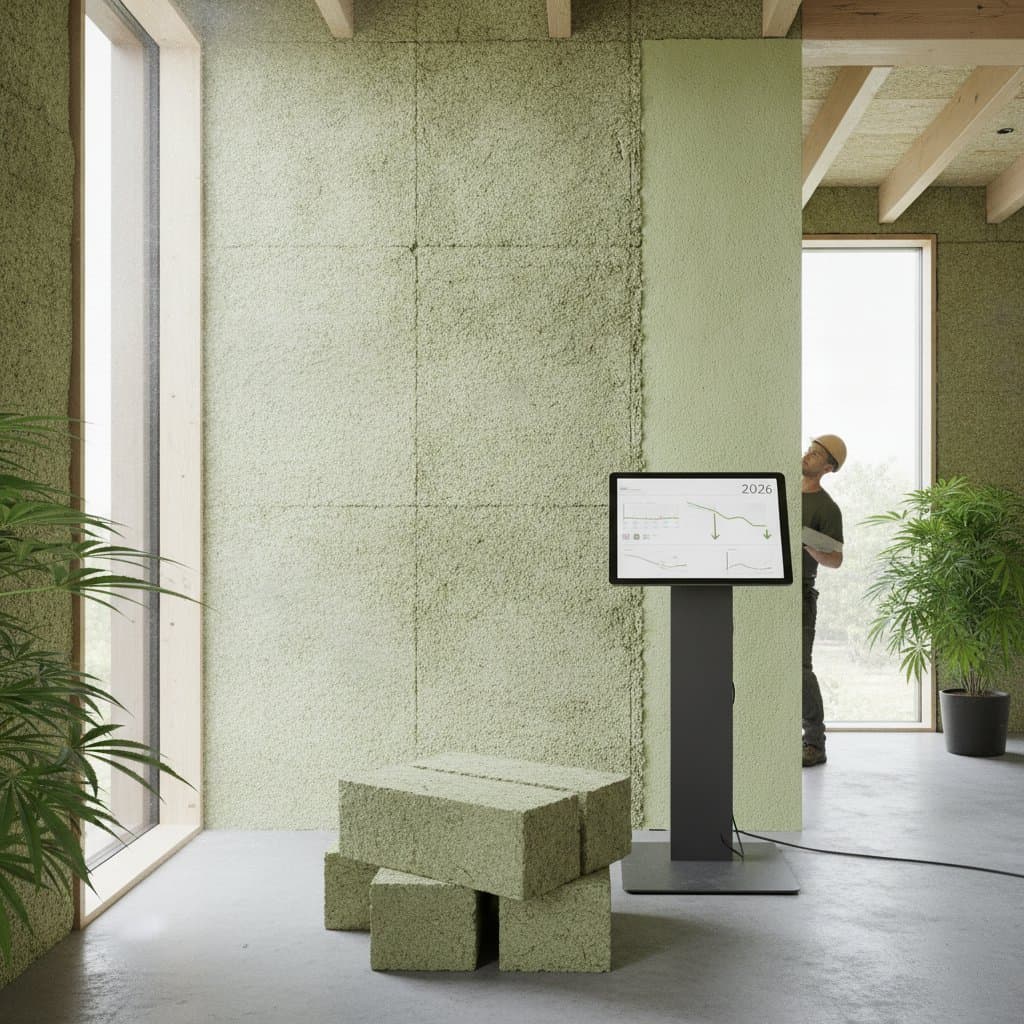
Hempcrete transforms sustainable building by sequestering carbon, managing moisture, and reducing energy consumption by up to 50 percent. Initial expenses surpass traditional options, yet enduring savings, resilience, and superior air quality position it as a wise choice. With expanding supply networks, hempcrete emerges as a viable carbon-negative material by 2026.

5 min read
Featured image for Mushroom Insulation Cuts Remodel Costs in Half

Mushroom Insulation Cuts Remodel Costs in Half

Mycelium-based insulation revolutionizes home remodeling by reducing costs by nearly 50 percent compared to traditional options. This material features carbon-negative production, exceptional fire resistance, and outstanding thermal efficiency. Fully biodegradable and simple to install, it ensures healthier indoor environments and substantial long-term savings, establishing fungi as a cornerstone of sustainable and economical building practices.

5 min read