Key Benefits of Geothermal Heat Pumps
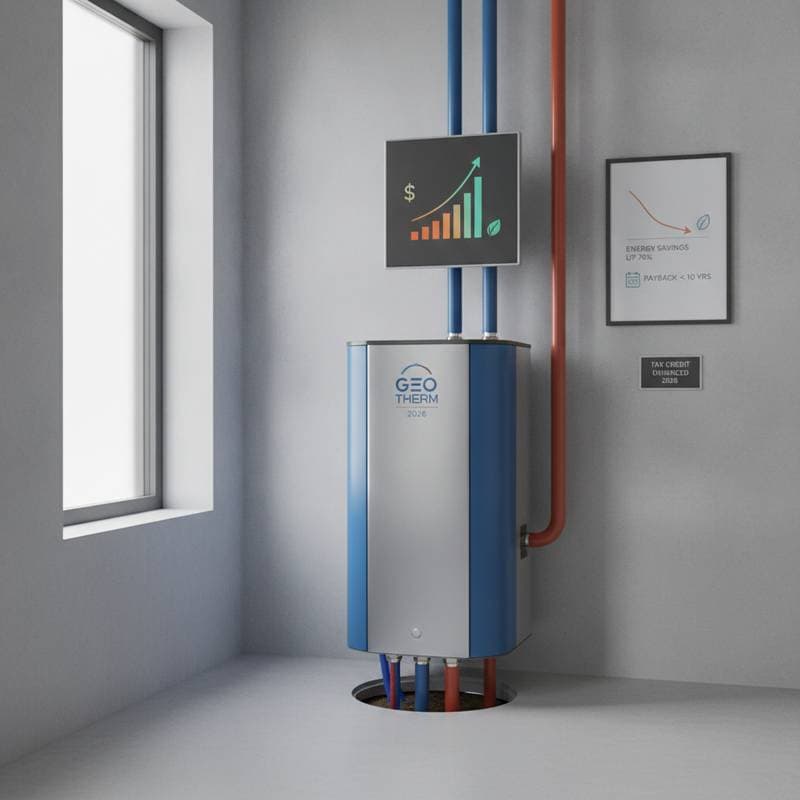
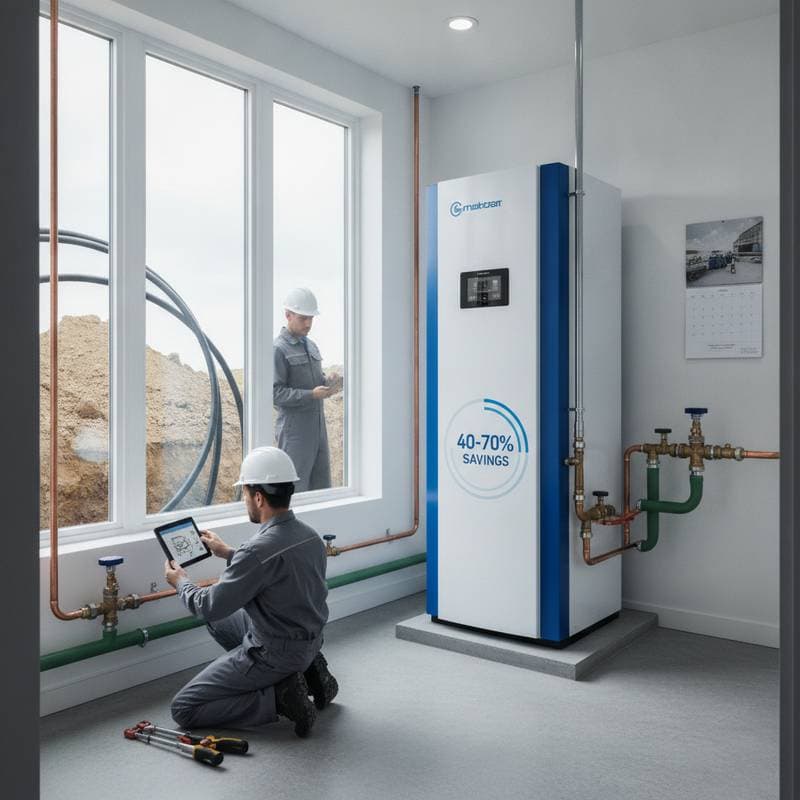
Homeowners gain access to federal tax credits when they install qualified geothermal heat pump systems. These systems deliver 40 to 70 percent savings on heating and cooling costs relative to conventional HVAC equipment. Long term returns often exceed those from solar or wind options because performance remains stable and maintenance stays minimal. Professional design combined with soil evaluation maximizes efficiency and secures credit eligibility.
Steady Comfort from Ground Source Technology
Homeowners enter a residence on a cold morning and encounter even warmth without furnace noise or thermostat swings. The system draws on consistent underground temperatures to maintain indoor conditions. Rising energy prices and variable weather encourage many property owners to reconsider conventional heating and cooling methods. The earth provides a reliable thermal source that reduces dependence on volatile fuels or grid power.
How Geothermal Heat Pumps Operate
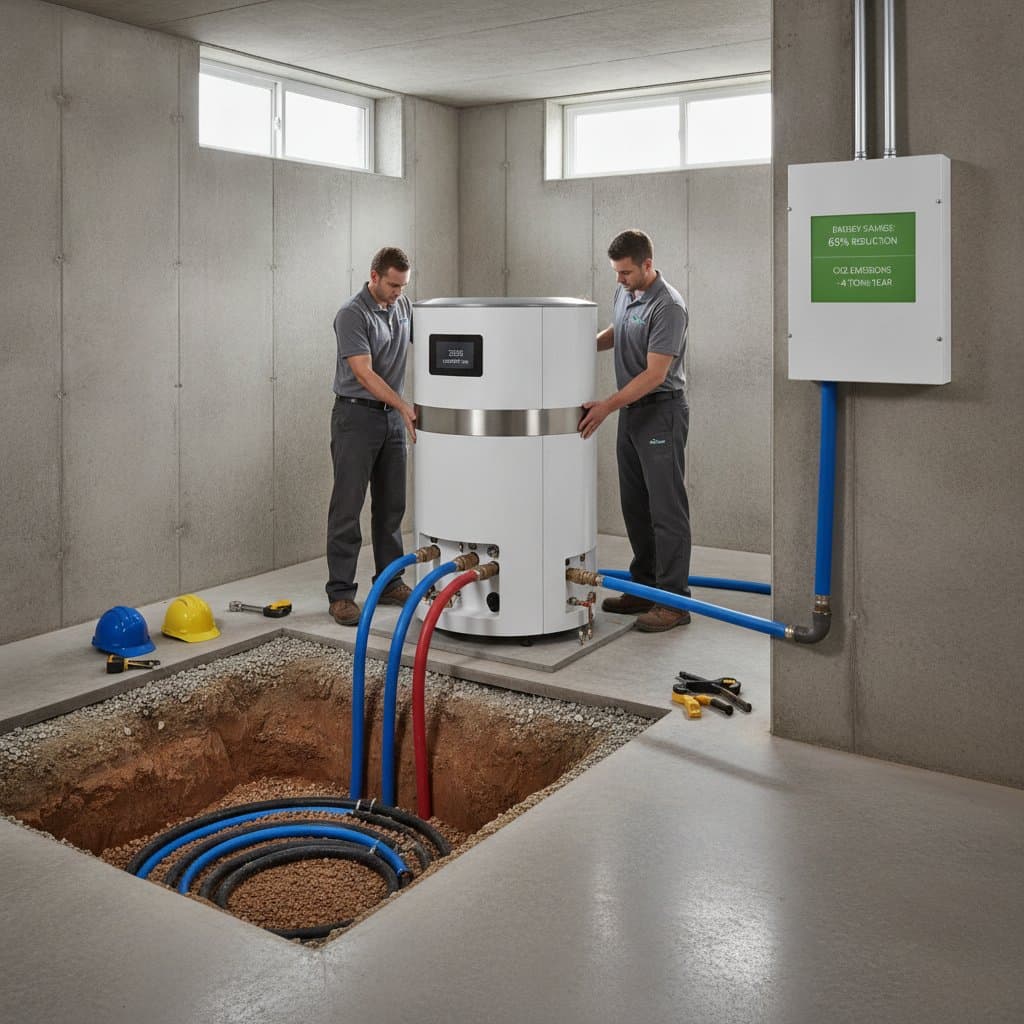
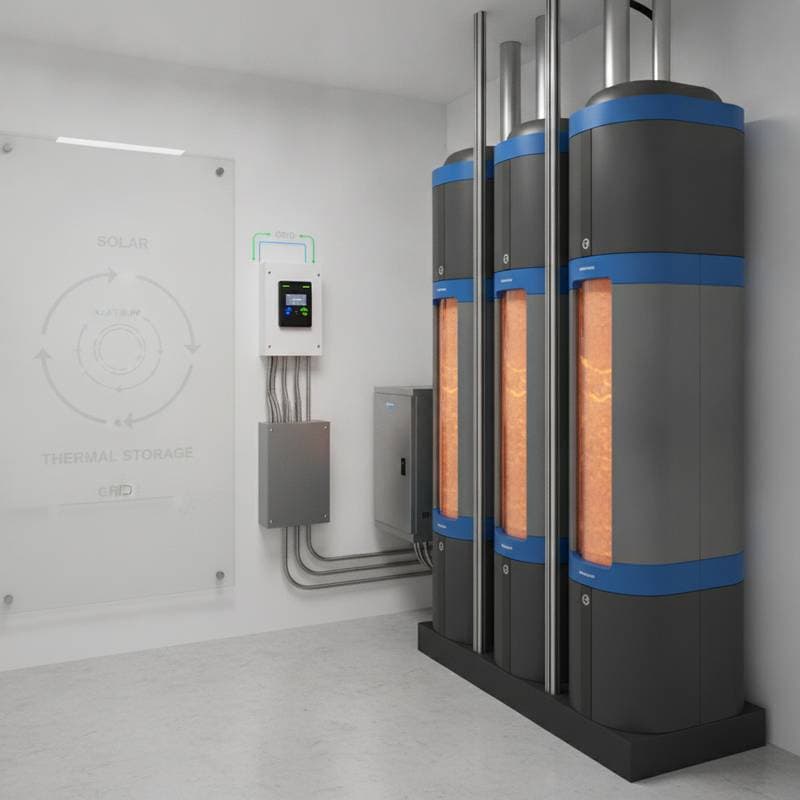
Ground source heat pumps circulate fluid through buried loops to capture or release heat. In winter the fluid absorbs warmth from the soil and transfers it indoors. In summer the process reverses to remove indoor heat. Efficiency ratings typically show a coefficient of performance between 3.5 and 5.0, meaning each unit of electricity produces several units of heating or cooling.
Federal Tax Credits and Additional Incentives
Current federal rules allow homeowners to claim a tax credit covering a substantial share of qualified installation costs. The credit applies to both new residential projects and certain commercial work. State rebates and utility programs can further lower net expense when combined with the federal amount. Consultation with a tax advisor experienced in energy credits helps confirm eligibility and required documentation before work begins.
Return on Investment Analysis
Project costs for a typical residence range from 18000 to 32000 dollars depending on lot size, soil conditions, and system capacity. After federal credits the net investment often falls between 12000 and 22000 dollars. Annual energy reductions of 40 to 70 percent translate to 1200 to 2400 dollars in utility savings for many households. Payback occurs within six to ten years, after which the system continues to operate for decades.
Underground loops last up to 50 years while the indoor unit functions for 20 to 25 years. These lifespans surpass those of standard furnaces and air conditioners that require replacement every 10 to 15 years.
Steps to Maximize System Performance
- Schedule a full home energy audit to identify insulation gaps, duct leaks, and window deficiencies before installation.
- Select loop configuration based on available yard space and soil thermal properties, confirmed through conductivity testing.
- Install zoning controls that adjust output room by room and reduce wasted energy.
- Arrange annual service visits to verify fluid pressure, refrigerant charge, and loop condition.
- Pair the heat pump with on site solar generation to approach net zero energy use.
Site Specific Installation Factors
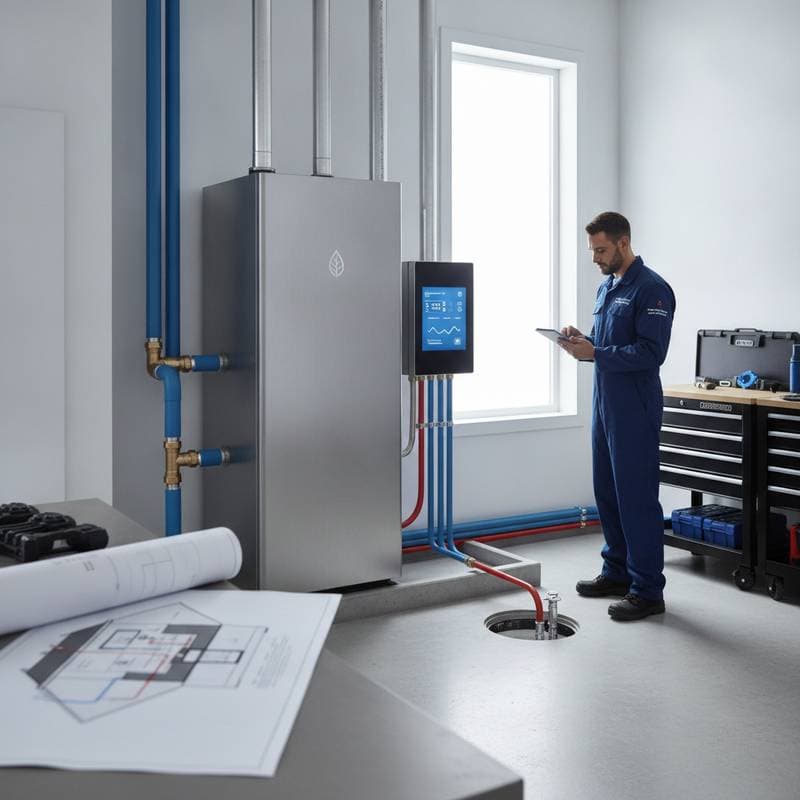
Soil type influences required loop length. Clay holds heat more effectively than sand, while colder regions may need deeper vertical bores. Certified designers calculate exact heating and cooling loads for each property to avoid undersized loops. Installation involves temporary excavation that lasts one to two weeks. Once complete, only small access points remain visible and the equipment runs without outdoor noise.
Sustained Environmental and Economic Advantages
Widespread adoption lowers residential energy demand and reduces peak load on utility grids. Systems cut greenhouse gas emissions by displacing fossil fuel combustion. The Department of Energy estimates that expanded geothermal use could decrease national residential consumption by more than 25 percent. Mechanical engineer Karen Lopez notes that geothermal equipment maintains efficiency over time because it relies on a stable subsurface temperature rather than combustion or variable outdoor air.
Next Actions for Homeowners
Contact a certified geothermal contractor for property specific modeling and soil assessment. Compare multiple proposals, verify references, and confirm that all components meet credit requirements. Coordinate the project with other efficiency upgrades such as added attic insulation or duct sealing to compound savings. The earth beneath each property supplies steady energy that supports lower operating costs and reduced environmental impact for decades.