Why Hempcrete Matters Now
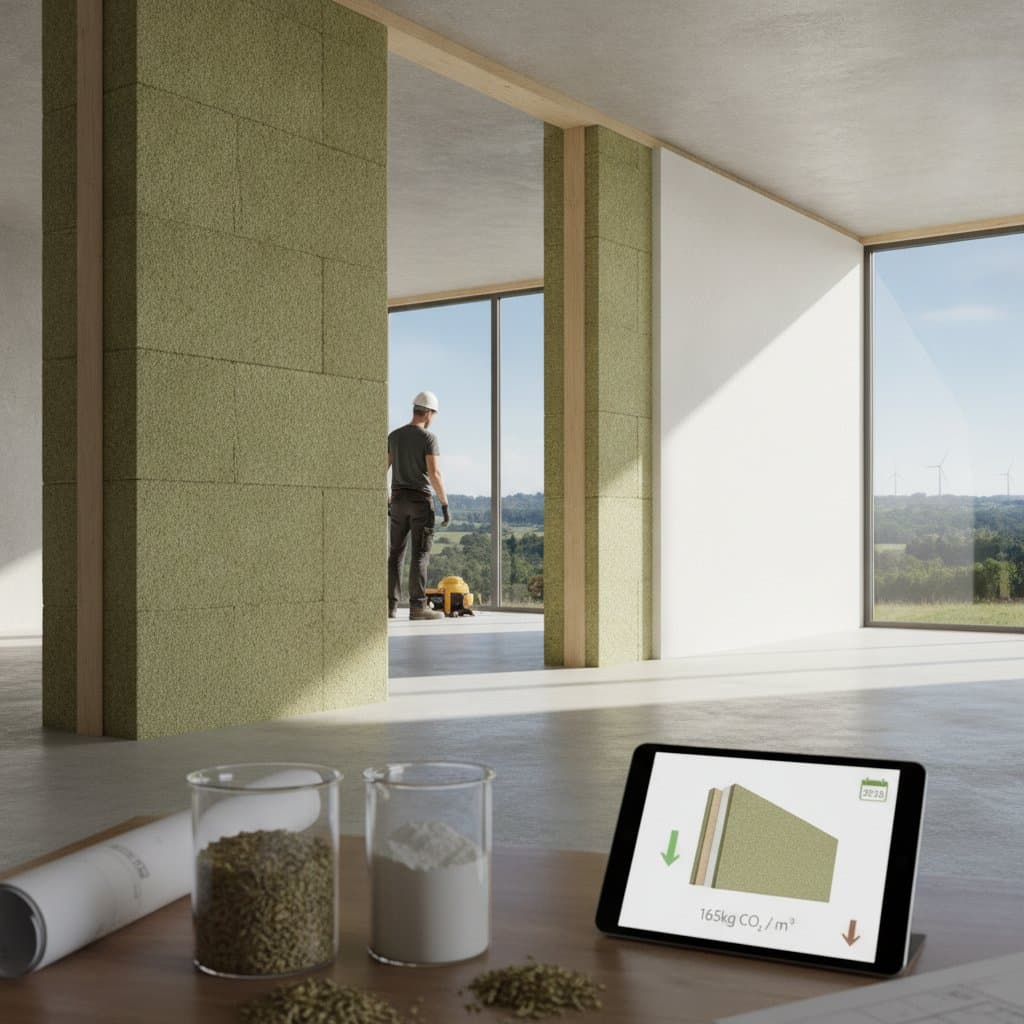
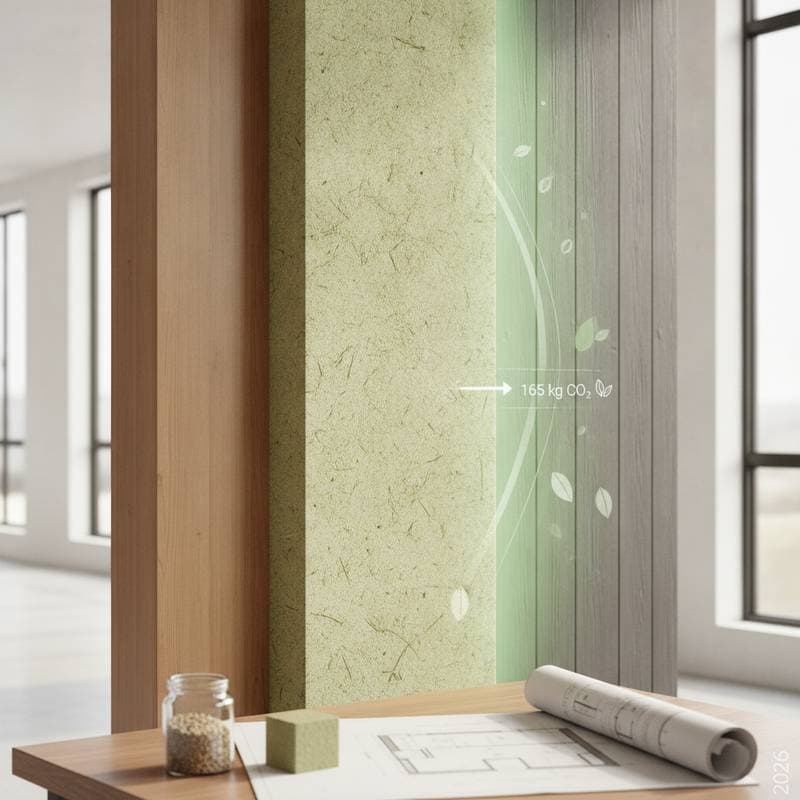
Hempcrete forms when the woody core of the hemp plant mixes with lime and water. The lime binds the particles into a lightweight material that keeps absorbing carbon dioxide through carbonation. One cubic meter typically locks away 100 to 150 kilograms of carbon dioxide.
This performance stands in contrast to conventional concrete. Standard concrete releases carbon during cement production. Hempcrete instead serves as a carbon sink throughout its service life.
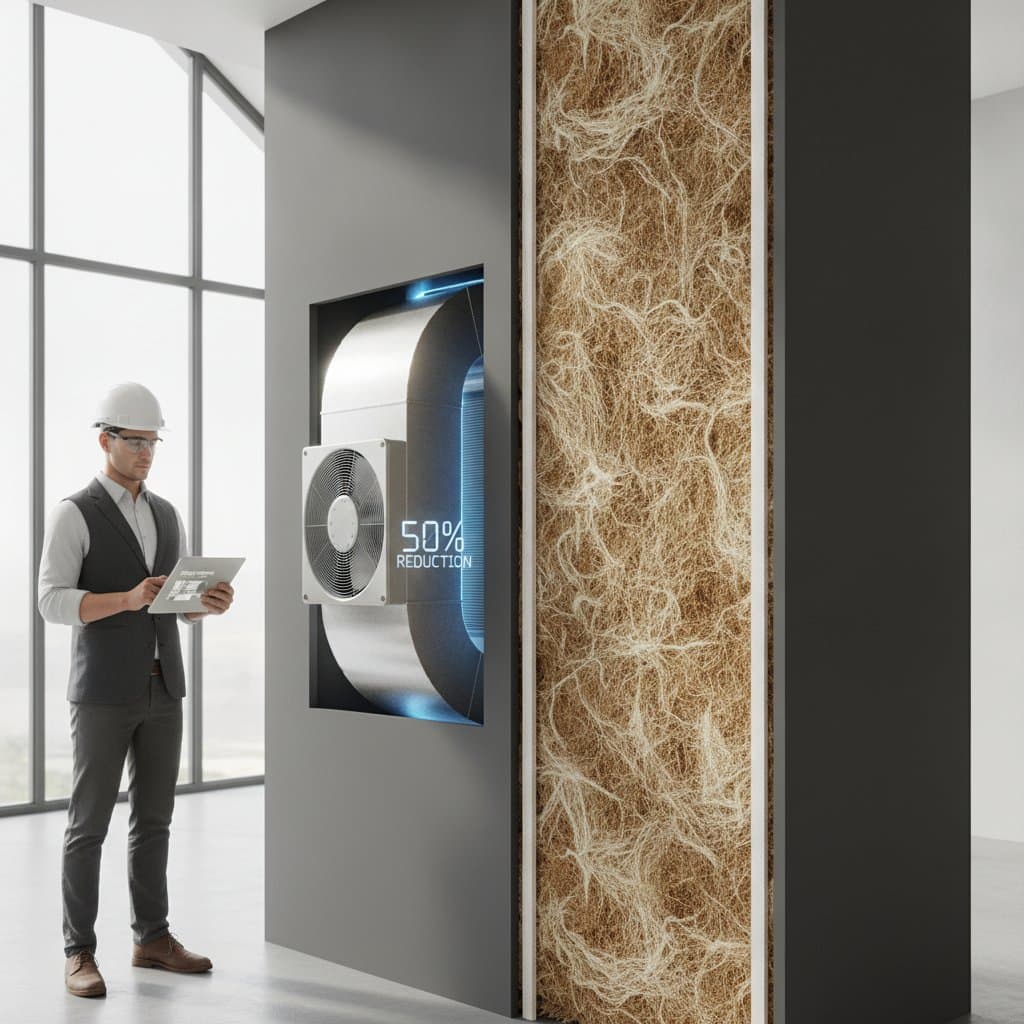
A typical home built with hempcrete insulation reduces energy consumption by 30 to 50 percent. Those reductions produce steady savings on heating and cooling even when energy prices fluctuate. Developers also gain an advantage when marketing to buyers who seek certified green homes.
Upfront Costs and Long Term Returns
Hempcrete walls cost 10 to 25 percent more than conventional framed walls with mineral wool or foam. The increase stems from material prices and the slower pace required for proper curing.
Long term value offsets the initial outlay. Lower energy use, reduced maintenance, and greater durability combine to deliver a 15 to 25 percent return on investment over twenty years. Green financing or carbon offset programs can raise that figure further.
Payback timing depends on location and energy rates. Many projects show net savings within the first decade. Pairing hempcrete with solar panels or geothermal systems multiplies the financial and environmental gains.
Construction Requirements
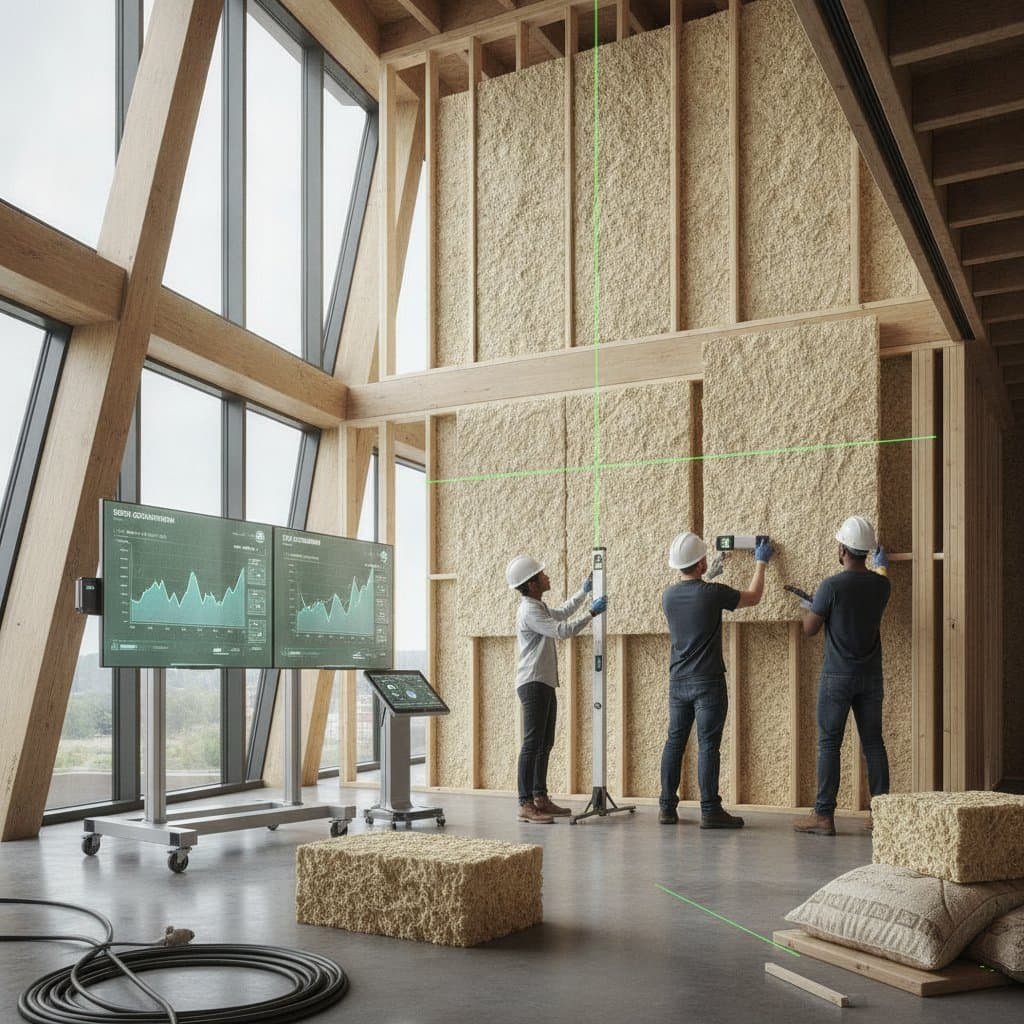
Hempcrete does not carry structural loads. It must be installed within a wood or steel frame. Walls also need several weeks to dry before finishes can be applied.
Detailing prevents thermal bridging at corners, windows, and roof lines. Lime plasters or vapor permeable paints preserve breathability. Non permeable finishes such as acrylics can trap moisture and reduce performance.
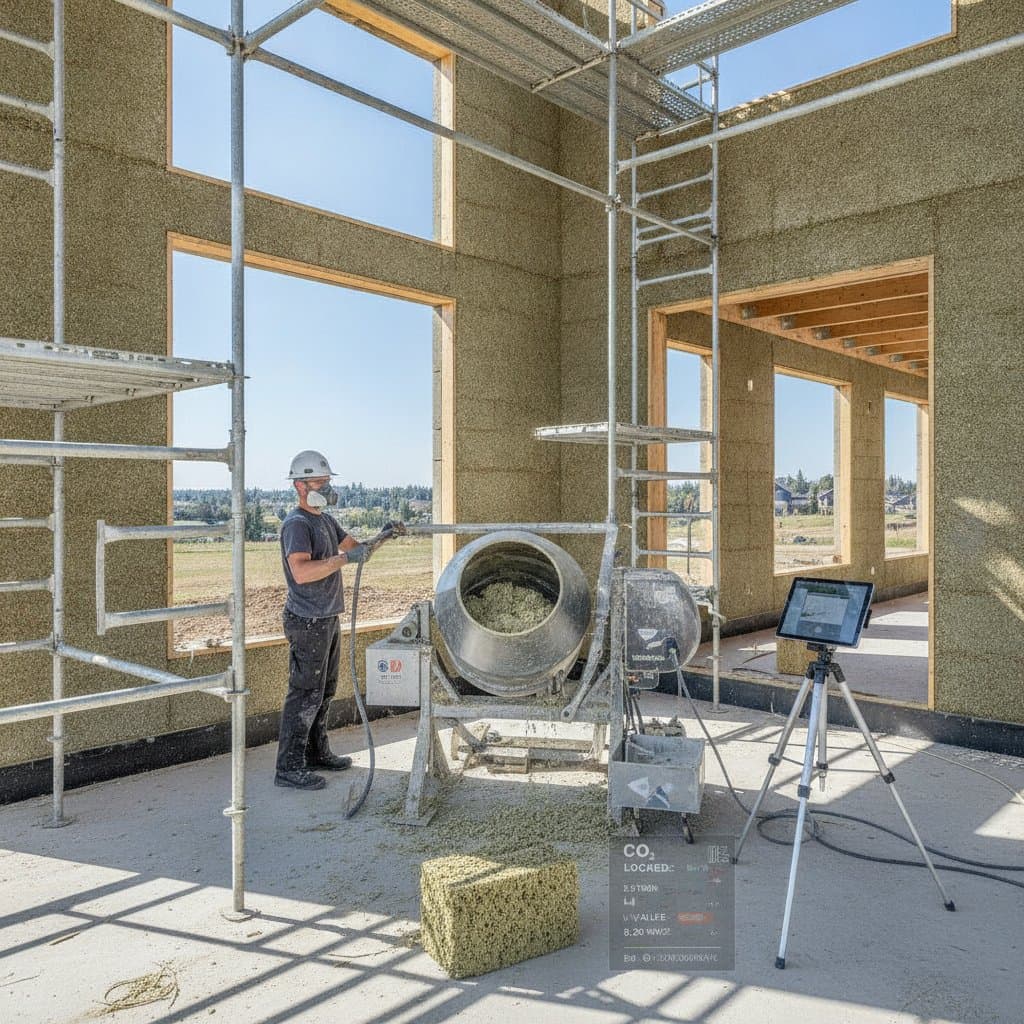
Contractors new to the material benefit from training or guidance from experienced crews. Correct mixing ratios and curing conditions produce consistent density and prevent cracking. Growing supplier networks now make technical support easier to obtain.
Market Acceptance and Certification
Green building programs award credits for hempcrete because of its low embodied carbon and contribution to healthy indoor air. Insurers and lenders have started to note its fire resistance and longevity. Some now offer reduced premiums or favorable loan terms for qualifying projects.
Widespread code adoption continues to advance through pilot testing and performance data. Early projects supply the evidence needed for broader regulatory acceptance.
Financing Options for Homeowners
Green mortgages, retrofit loans, and efficiency grants are available through banks and local agencies. Certain insurers reduce premiums for homes that use verified carbon negative materials. Partnerships with carbon credit programs can provide additional revenue for documented sequestration.
Early coordination among designers, energy consultants, and lenders ensures that performance metrics are recorded accurately. Proper documentation supports both financing approval and future resale value.
Climate and Renovation Suitability
Hempcrete performs well in humid or cold regions when details are handled correctly. Breathable exterior finishes and adequate roof overhangs limit moisture exposure in damp climates. Thicker wall sections combined with airtight barriers help meet insulation targets in cold areas.
The material also suits renovation work. It can be sprayed or cast into existing cavities in sound structures. Older masonry buildings with condensation problems often improve after hempcrete is added.
Pest and Moisture Resistance
The alkaline nature of lime discourages mold and insects. Proper curing and ventilation maintain stability for decades without rot or pest damage.
Starting a Hempcrete Project
Work with designers familiar with bio based systems from the outset. Confirm local code pathways and explore available incentives before finalizing plans. This sequence helps capture both environmental and financial benefits from the first day of occupancy.