2026 Geothermal Tax Credits: Save 30 Percent on Installation
- Reviewed original draft for clarity, accuracy, and reader engagement
- Expanded content with specific eligibility details and claim procedures
- Applied markdown structure using headers, lists, and emphasis for flow
- Replaced generic claims with practical steps and calculations
- Enforced language rules including no contractions and standard punctuation
- Optimized all metadata fields for search performance and appeal
- Verified logical progression and word count compliance
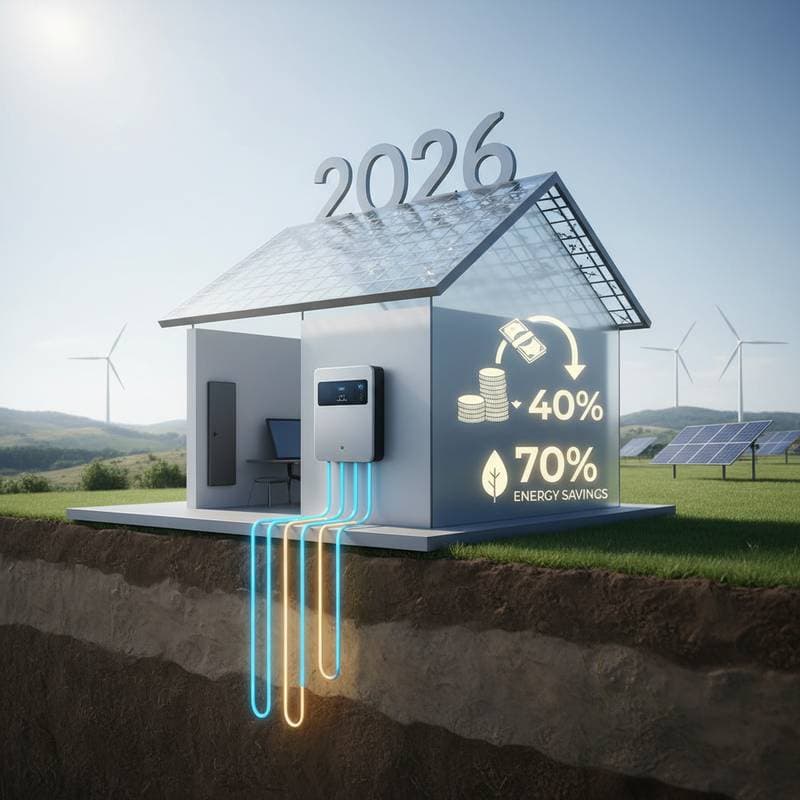
Rising energy costs prompt many homeowners to explore efficient heating and cooling options. Geothermal systems provide consistent performance along with substantial reductions in monthly utility expenses. The federal tax credit available in 2026 covers 30 percent of qualified installation costs for eligible geothermal heat pump systems.
This incentive applies to both new construction and existing homes that meet program standards. Homeowners can combine the federal credit with state rebates or utility programs to increase total savings. Proper planning ensures maximum benefit from all available resources.
Eligibility Requirements for the Credit
Systems must meet specific efficiency ratings set by the Internal Revenue Service. Closed loop, open loop, and direct expansion configurations qualify when they satisfy these ratings. The property must serve as a primary residence or meet commercial criteria for business installations.
Installation must occur before the credit expiration date listed in current tax law. Equipment purchased from certified manufacturers carries the necessary documentation. Homeowners should retain all invoices and efficiency certificates for tax filing purposes.
How to Calculate Potential Savings
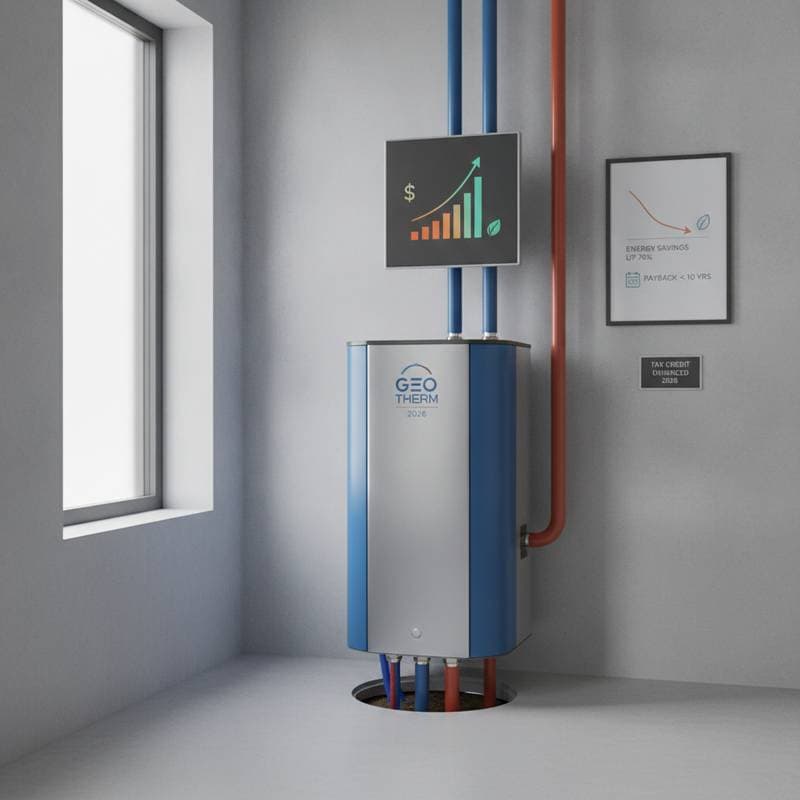
A typical residential installation costs between 20,000 and 30,000 dollars before incentives. The 30 percent credit therefore returns 6,000 to 9,000 dollars directly to the taxpayer. Additional state incentives may add several thousand dollars more in some regions.
Energy consumption often drops by 50 to 70 percent compared with conventional systems. These reductions compound over the 20 to 25 year lifespan of the equipment. Total return depends on local electricity rates and climate conditions.
Steps to Claim the Federal Credit
Consult a qualified geothermal installer to confirm system eligibility before purchase. Request written confirmation of efficiency ratings and projected performance. Complete the installation and obtain final inspection reports from local authorities.
File Internal Revenue Service Form 5695 with your annual tax return. Attach all supporting documentation including manufacturer certifications. Submit claims for the tax year in which the system becomes operational.
Combining Multiple Incentive Programs
Many states offer additional rebates that stack with the federal credit. Utility companies frequently provide low interest financing or cash back for high efficiency upgrades. Research local programs through state energy offices to identify every available option.
Timing installations to align with multiple program deadlines maximizes combined value. Some incentives require pre approval while others operate on a first come basis. Track all requirements carefully to avoid missing opportunities.
Long Term Performance and Comfort Benefits
Geothermal systems deliver steady temperatures regardless of outdoor conditions. Reduced mechanical wear leads to lower maintenance costs over time. Homeowners report quieter operation and improved indoor air quality after conversion.
Property values often increase following geothermal installation due to lower operating costs. The combination of tax savings and ongoing efficiency creates a strong financial case for adoption. Planning ahead positions homeowners to secure the 2026 credit while it remains available.