Key Points
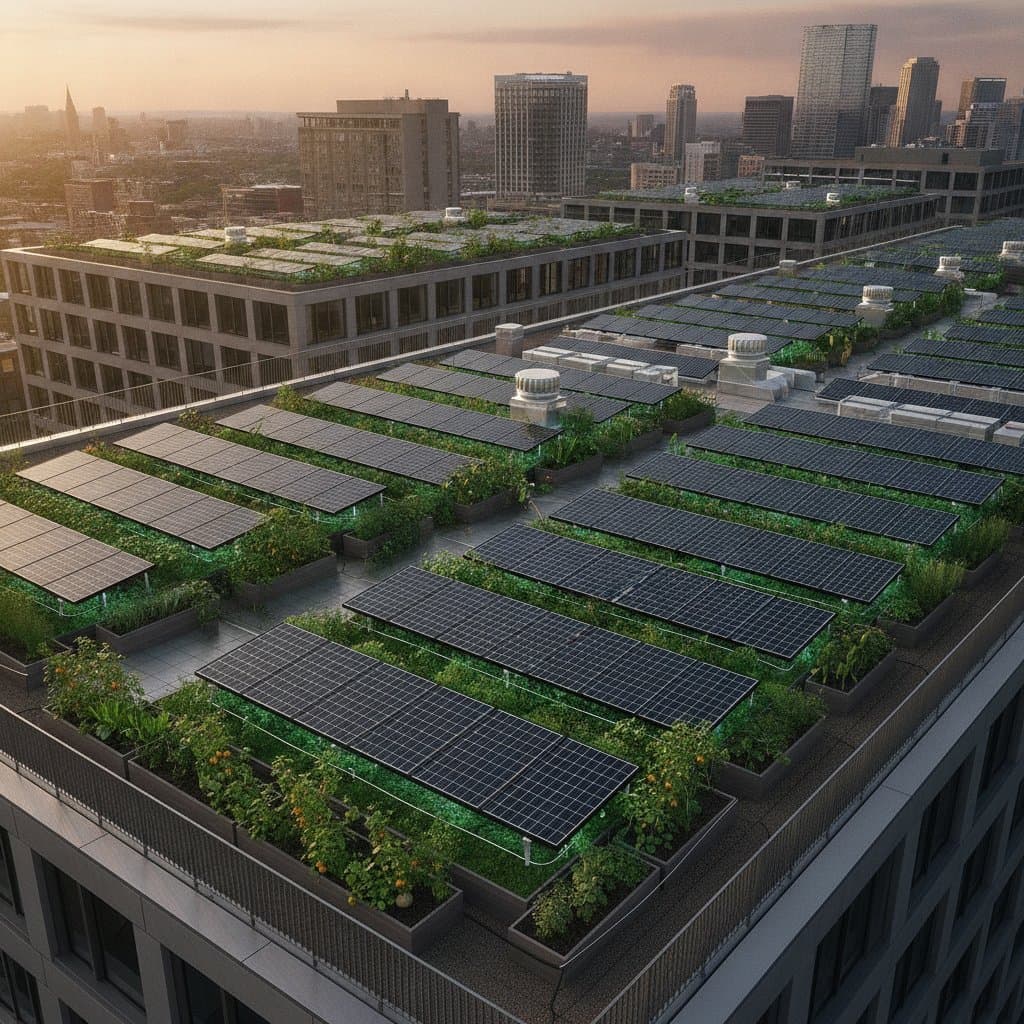
- Rooftop agrivoltaic systems combine solar panels with food production on the same surface.
- A properly sized installation can reduce household electricity costs by up to 50 percent while supplying vegetables for a family.
- Structural evaluation, load calculations, and irrigation planning determine long-term success.
- Projects range from compact herb beds to full rooftop gardens when guided by qualified professionals.
When the Roof Becomes More Than Shelter
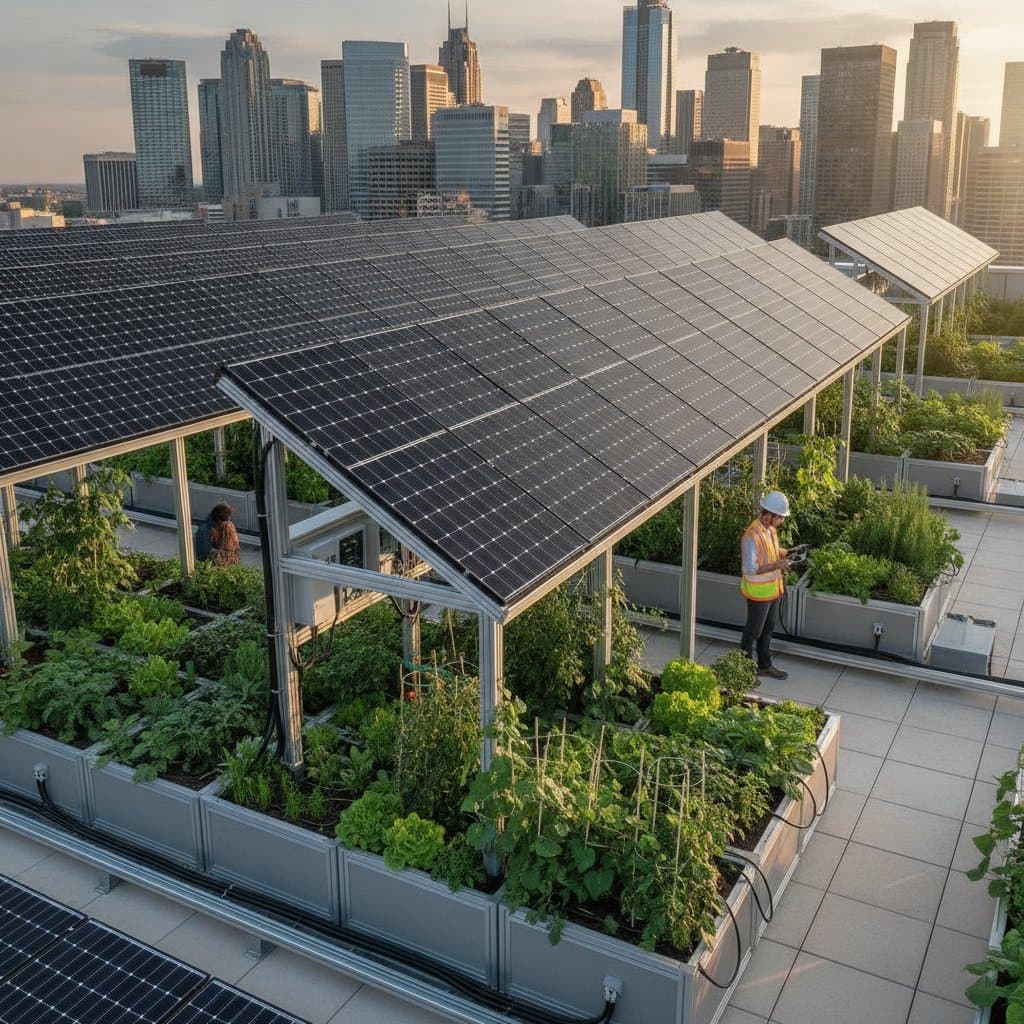
Homeowners can stand on a roof surrounded by leafy greens growing beneath rows of solar panels. The sound of inverters blends with the movement of basil and kale. This arrangement responds directly to higher energy prices, scarce urban land, and interest in sustainable practices. Agrivoltaic systems turn roof surfaces into sources of both produce and electricity.
Why Dual-Use Roofs Matter
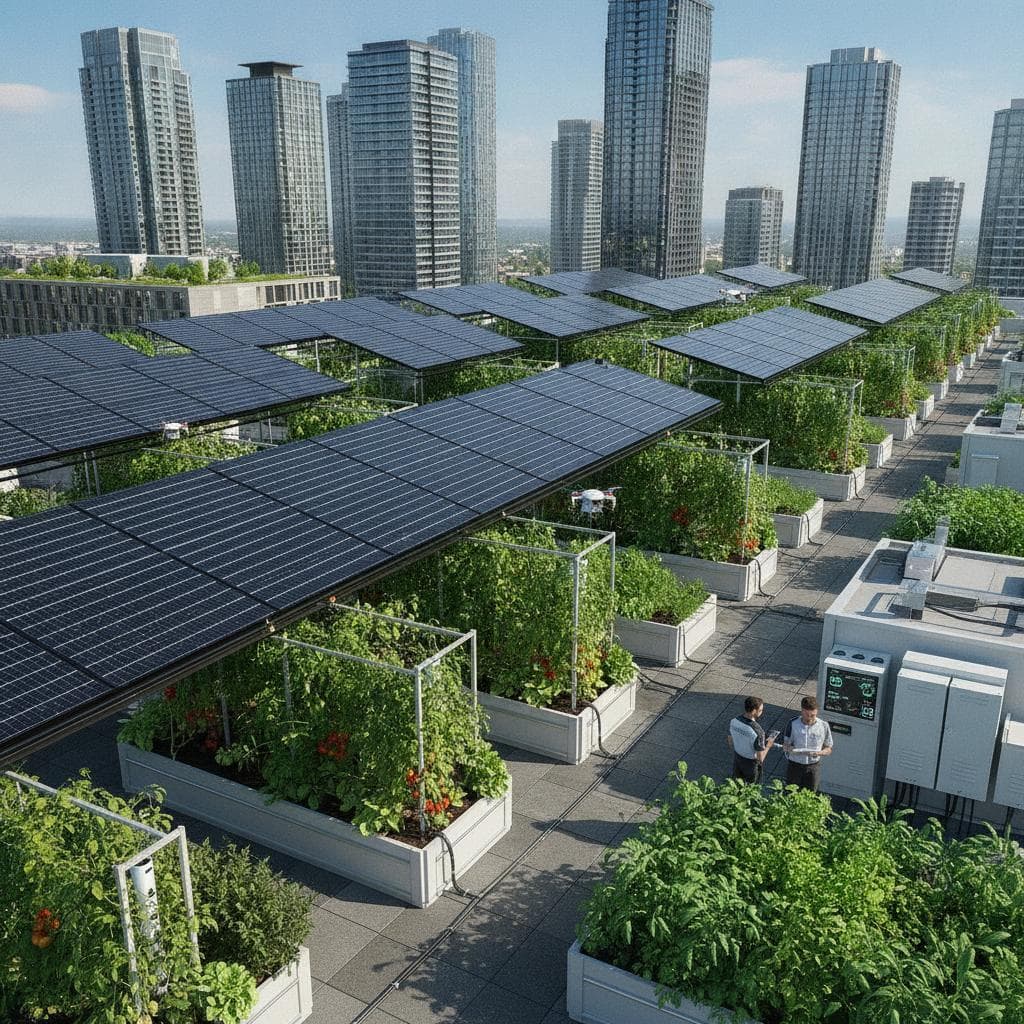
Standard solar arrays generate power alone. Green roofs focus on plants and insulation. Agrivoltaic designs merge the two functions so panels produce electricity while their shade protects crops from heat. Plants in turn lower panel temperatures and raise electrical output. The combined system increases overall returns and converts unused space into a productive asset.
A typical residential solar array delivers annual returns between 8 and 12 percent depending on local rates and incentives. Adding food production offsets grocery expenses and improves property appearance. Urban owners gain a microfarm that supports household needs and local food security.
Building the Right Foundation
Structural assessment comes first. Most residential roofs support 20 to 40 pounds per square foot, yet agrivoltaic systems often require additional capacity. Engineers review load limits and suggest lightweight soil mixes or modular beds where needed.
Drainage and waterproofing protect the building. A root barrier plus drainage mat stops moisture accumulation. Irrigation systems that reuse greywater or collect rainwater lower operating costs and environmental impact.
Designing for Energy and Growth
Panel angle and spacing control both power generation and plant performance. Adjustable mounts allow sunlight to reach crops during key growth stages. Leafy greens, strawberries, and many herbs grow well under partial shade. Reduced light intensity can cut irrigation needs by as much as 20 percent.
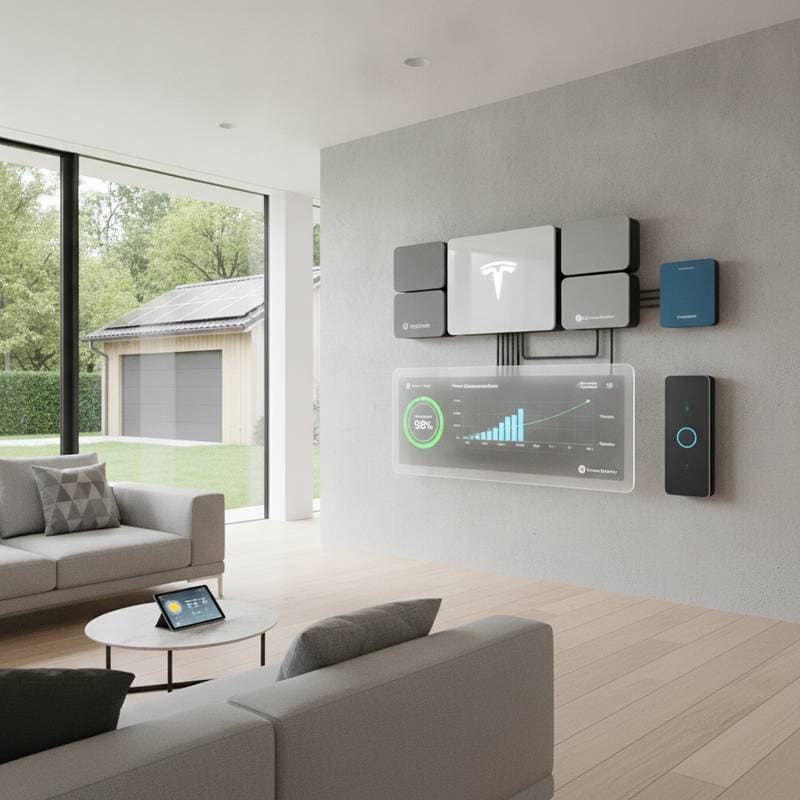
Monitoring equipment tracks electrical output and growing conditions. Data from these systems guide adjustments that improve results over time.
Cost, ROI, and Payback Scenarios
A basic setup with ten panels and lightweight planters costs between 15,000 and 25,000 dollars. Larger installations that include reinforcement and automated irrigation reach 50,000 dollars or higher.
Energy savings typically lower utility bills by 40 to 60 percent. On-site produce replaces several hundred dollars in annual grocery purchases. Combined returns often recover costs within eight to twelve years. Over a twenty-year panel lifespan, total value can exceed the initial investment by more than 150 percent.
Environmental and Wellness Gains
Dual-use roofs reduce heat gain and lower cooling demands. Vegetation filters air pollutants and extends roof membrane life. Interior temperatures remain steadier, which improves comfort. Access to rooftop greenery supports mental well-being according to environmental psychology findings.
What to Expect from Maintenance
Solar panels need occasional cleaning and electrical checks. Crops require seasonal attention, soil tests, and pest control. Automated irrigation reduces daily tasks, while monitoring alerts owners to performance issues. Annual professional inspections protect safety and returns. Many installers now coordinate with horticulture specialists for combined service agreements.
Common Questions About Rooftop Agrivoltaic Systems
Can any roof host an agrivoltaic system?
Flat or low-slope roofs with sufficient structural capacity work best. Steeper roofs may need custom supports or limited coverage.
Do panels block too much light for plants?
Careful spacing and tilt preserve adequate light. Many leafy crops produce higher yields under filtered sunlight.
Is it worth the higher upfront cost?
Systems that deliver both energy and food often provide greater lifetime value than solar-only arrays.
Planning Your Installation
Begin with a roof condition and orientation review. Request proposals from solar contractors experienced with integrated green roof designs. With accurate planning the roof can supply electricity and fresh ingredients while supporting broader sustainability goals.