Why Hydrogen Ready Homes Cut Carbon Emissions
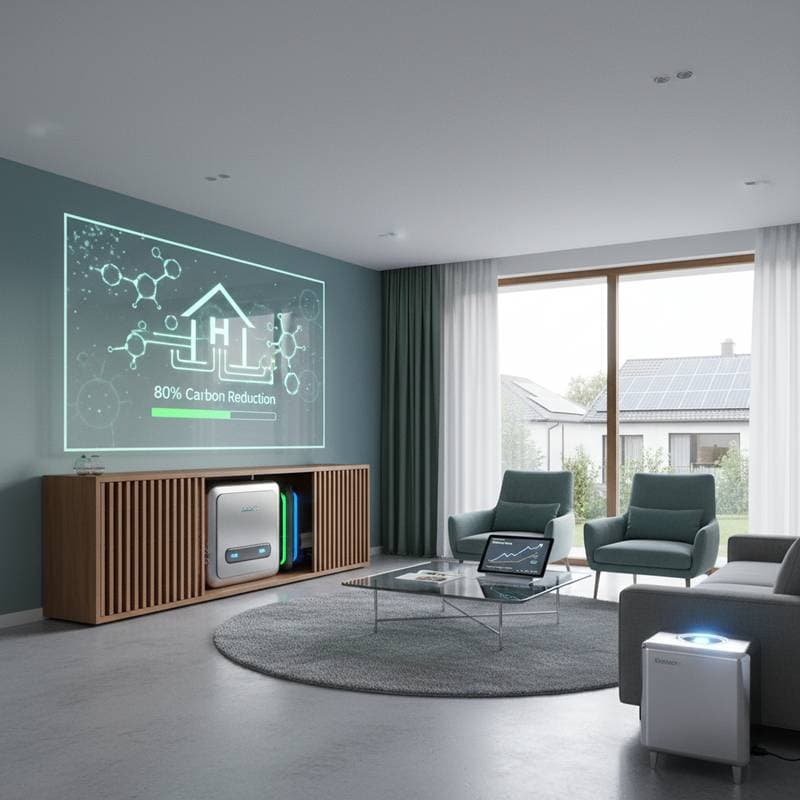
Hydrogen ready homes provide a direct method to lower emissions while preserving dependable heating and cooking functions. These systems operate on natural gas at present and convert to hydrogen with minimal changes once supply networks expand. The design aligns with national carbon reduction targets without demanding full infrastructure overhauls.
Core Advantages
- Hydrogen ready boilers lower carbon emissions by up to 80 percent when supplied with green hydrogen.
- System conversion typically reduces expenses by 10 to 15 percent compared with complete replacement of a standard gas boiler.
- Appliances maintain safe operation across both natural gas and hydrogen during initial rollout stages.
- Timely upgrades increase property values and shield homes from upcoming energy regulations.
The Role of Hydrogen in Residential Energy
Hydrogen adapts to current gas networks following limited modifications. A hydrogen ready home continues with natural gas until local hydrogen delivery begins. This setup decreases household emissions without requiring immediate large scale network replacements.
Household energy use forms a major share of total emissions. Hydrogen combustion generates only water vapor and removes carbon dioxide from heating and cooking. Fuel cells raise efficiency further by producing electricity alongside heat. They improve overall performance by as much as 40 percent relative to conventional arrangements.
How Hydrogen Ready Technology Works
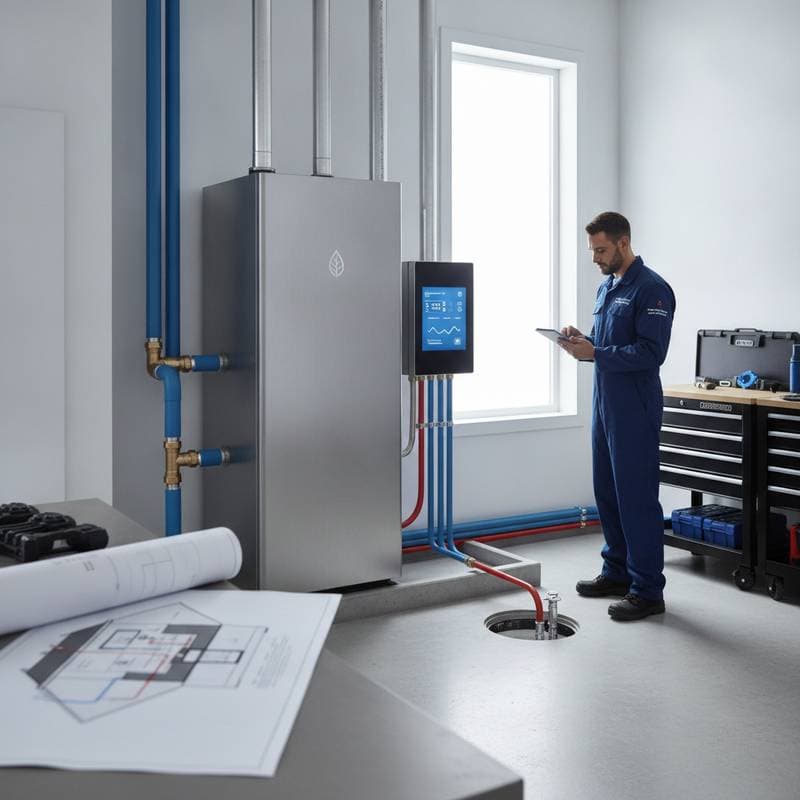
Hydrogen ready appliances start with natural gas and need only small modifications for hydrogen service. A standard boiler includes adjustable burners and valves that a technician can update within a few hours. Manufacturers already validate blends containing as much as 20 percent hydrogen through pilot programs.
| Appliance Type | Hydrogen Compatibility | Conversion Complexity | Estimated Upgrade Cost |
|---|---|---|---|
| Boiler | Dual fuel ready | Low | Moderate |
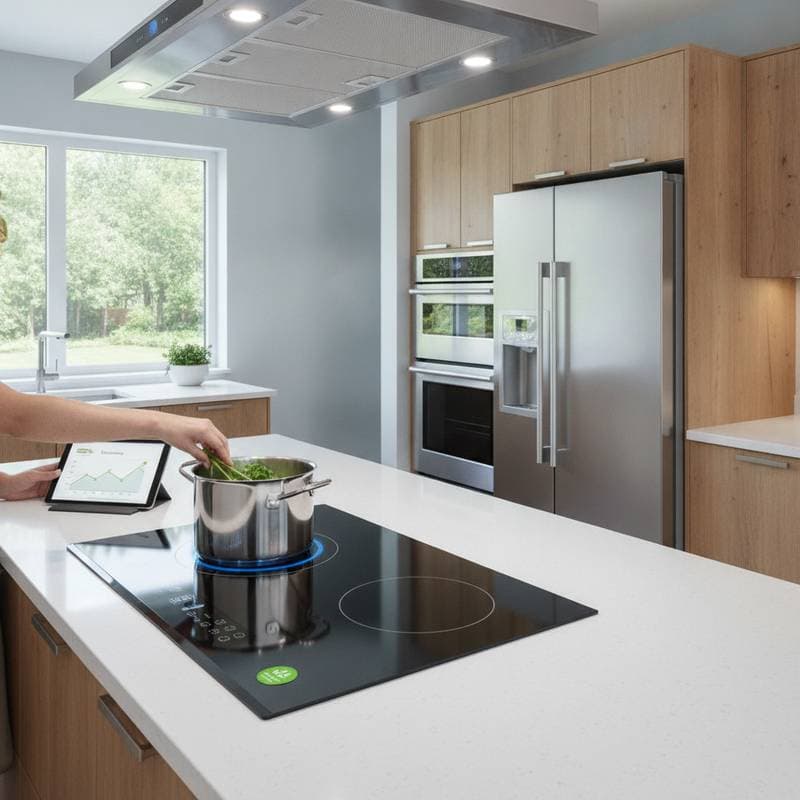
| Cooktop | Hydrogen certified | Low | Low |
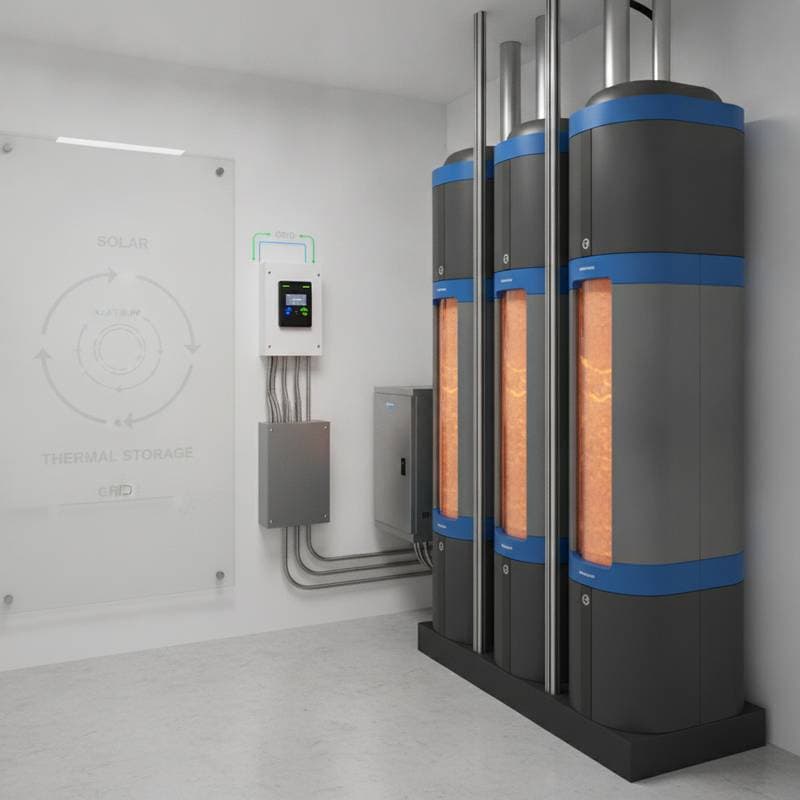
| Fuel cell unit | Hydrogen primary | None | High upfront, low operating |
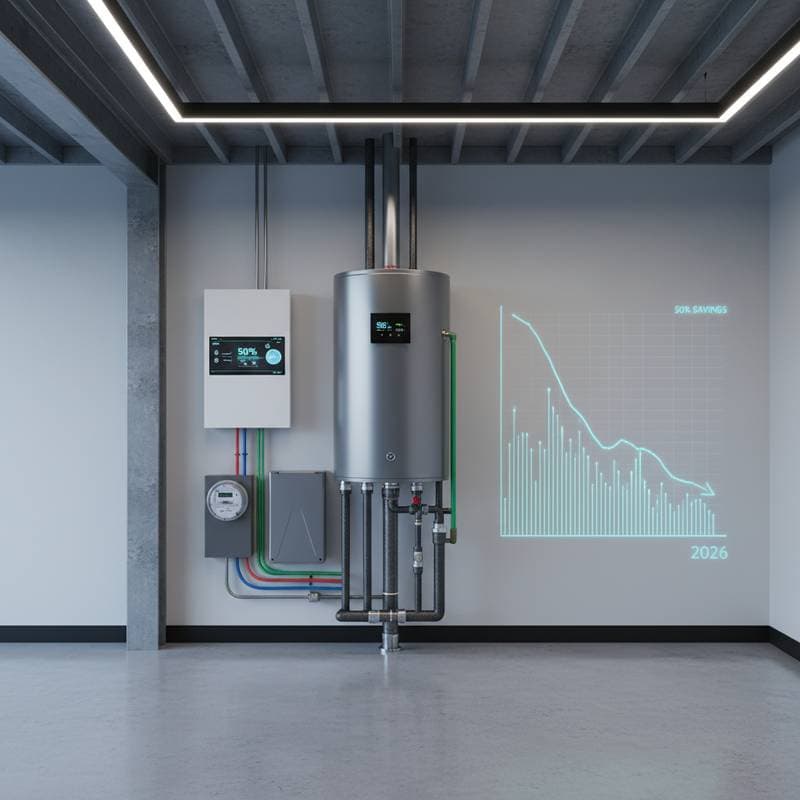
| Water heater | Dual fuel ready | Low | Moderate |
These appliances satisfy existing safety standards and run at pressures identical to traditional gas equipment.
Financial and Environmental Returns
Households that complete the switch to hydrogen achieve energy bill reductions between 10 and 25 percent after scaled production lowers costs. Property analysts project that flexible energy features increase resale value by 5 to 10 percent. Each ton of hydrogen used in place of natural gas prevents approximately nine tons of carbon dioxide release. The change improves urban air quality and advances climate objectives.
Addressing Production and Infrastructure Needs
Current hydrogen supply derives mainly from natural gas and therefore offers limited environmental gains. Expansion of green hydrogen through renewable powered electrolysis remains the central objective. Pipeline modifications require joint planning by utilities and regulators. Pilot neighborhoods confirm that existing lines accommodate blends safely after moderate reinforcement.
Hydrogen spreads rapidly in air owing to its low density and thereby reduces explosion hazards relative to denser gases. Adequate ventilation together with sensors keeps residential installations within or above required safety levels.
Preparing Your Home for Hydrogen
Homeowners begin by installing hydrogen ready appliances at the time of normal replacements. Certification labels verify dual fuel capacity and support future conversion. Compact fuel cells supply combined heat and power in locations where incentives offset higher purchase prices.
Contractors conduct site assessments that examine pipe materials, ventilation routes, and appliance compatibility. These evaluations define clear upgrade sequences and projected costs. Selection of certified equipment readies properties for reduced emissions and predictable energy expenses.