Key Points
- Expanded federal tax credits now make geothermal HVAC systems much more affordable for homeowners.
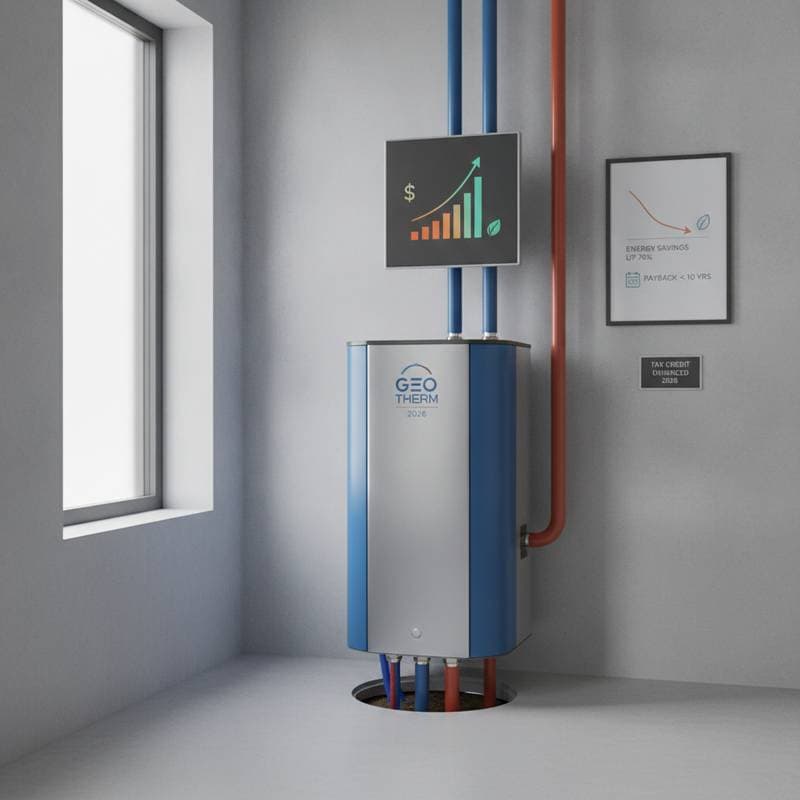
- Ground source heat pumps can cut heating and cooling costs by 40 to 70 percent compared to traditional systems.
- The combination of long term energy savings, rising property values, and generous credits means geothermal is no longer just for high end builds.
- Proper planning, soil analysis, and contractor selection are essential for maximizing return on investment.
A Fresh Look at Comfort and Efficiency
A home that maintains steady warmth in winter and cool temperatures in summer without noisy outdoor units offers the core benefit of geothermal HVAC. This system draws on the stable underground temperature to provide consistent indoor conditions.
The technology has long been recognized for superior efficiency. Recent tax incentives have altered the financial picture substantially.
Homeowners now see that credits combined with reduced energy expenses and extended equipment life create a viable investment.
Why Geothermal Matters Now
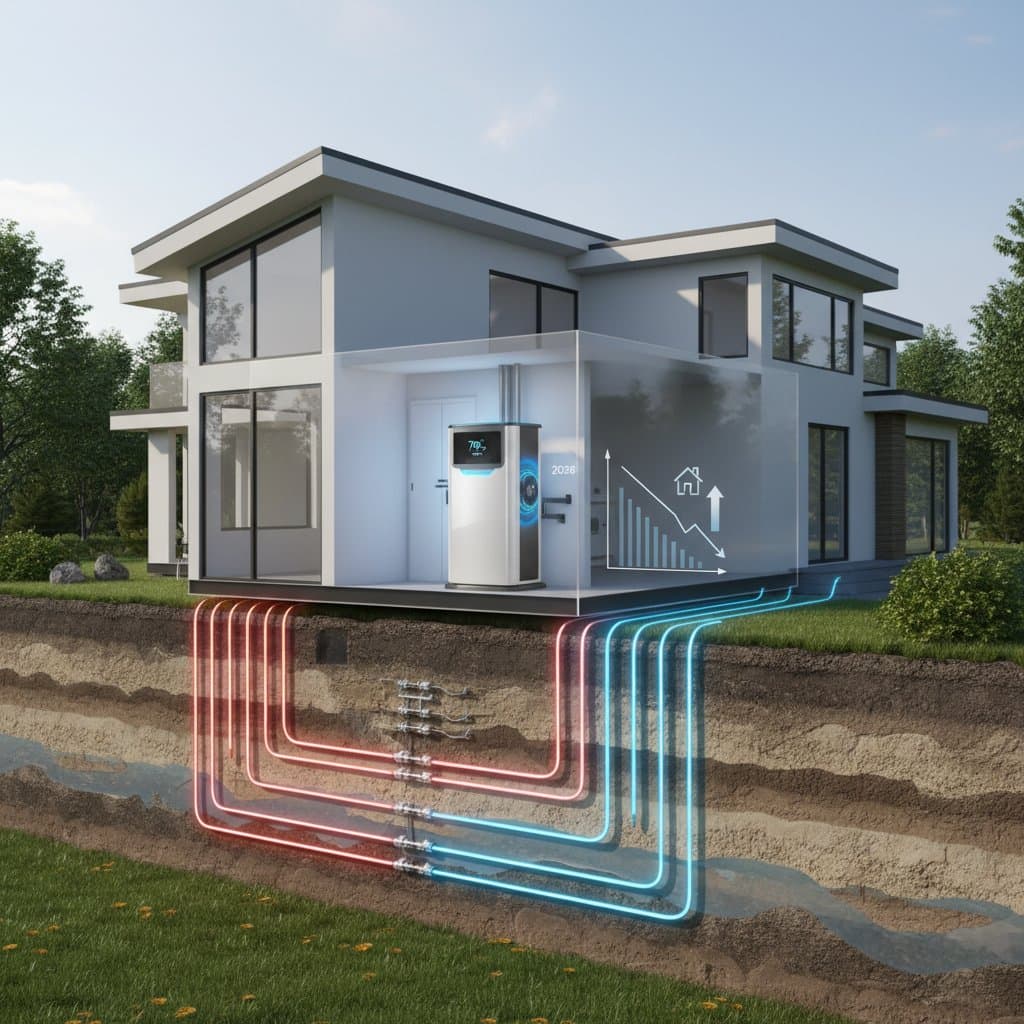
Geothermal systems move heat rather than generate it through fuel combustion or electric resistance. The ground temperature remains consistent several feet below the surface. This stability allows a heat pump to achieve higher efficiency ratios than conventional equipment.
Utility costs decrease significantly. Direct emissions from on site combustion disappear entirely.
Key Considerations for Planning
Homeowners benefit from following a clear sequence before installation.
- Site Evaluation: Soil type, available land, and groundwater determine system viability. A thermal conductivity test performed by a qualified professional confirms site suitability.
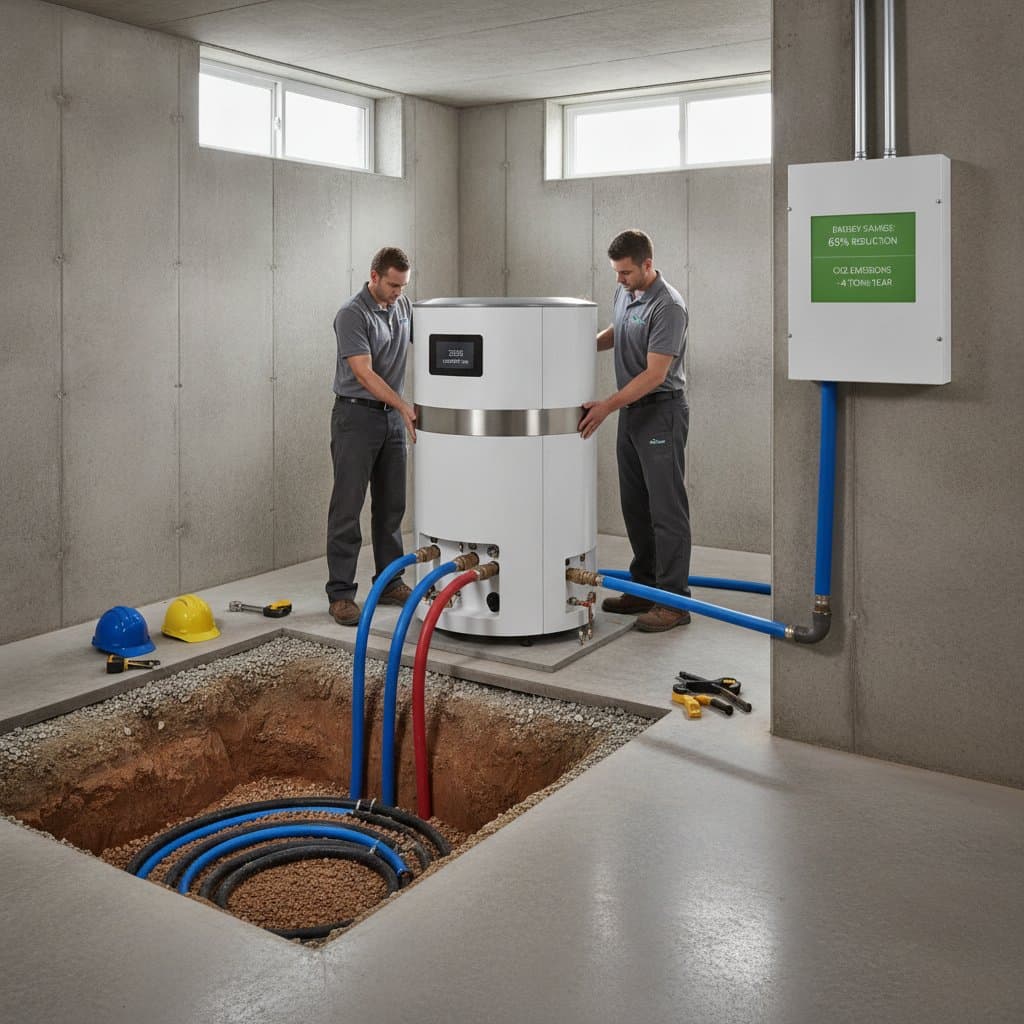
- System Type: Closed loop configurations circulate a fluid mixture through buried pipes. Open loop designs utilize well water. Residential projects favor closed loops for reduced maintenance demands.
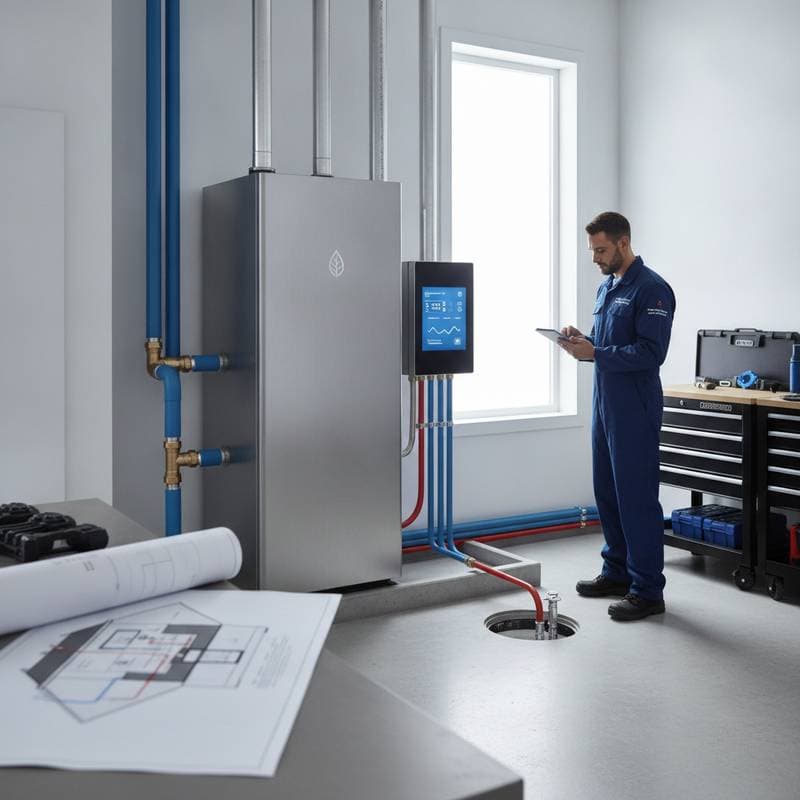
- Sizing and Design: Accurate load calculations prevent oversizing or undersizing. Professional engineering ensures the system matches the home requirements.
- Permitting and Codes: Local regulations may mandate permits or assessments. Early verification avoids project interruptions.
Cost Breakdown and ROI Analysis
Installed costs for a typical residence range from twenty thousand to forty thousand dollars. Factors include home size, soil conditions, and loop layout.
Tax credits offset a substantial share of this investment. Energy savings accumulate monthly, often reaching several hundred dollars. Indoor components require little maintenance because few parts face outdoor exposure.
Payback periods typically span seven to twelve years. Indoor units operate for twenty five years or longer. Ground loops can function for fifty years.
Design and Layout Ideas
Integration choices affect both performance and appearance.
- Zoned Comfort: Smart controls and dampers allow independent temperature settings in different areas.
- Radiant Heating Compatibility: In floor tubing pairs effectively with the moderate water temperaturesunits.
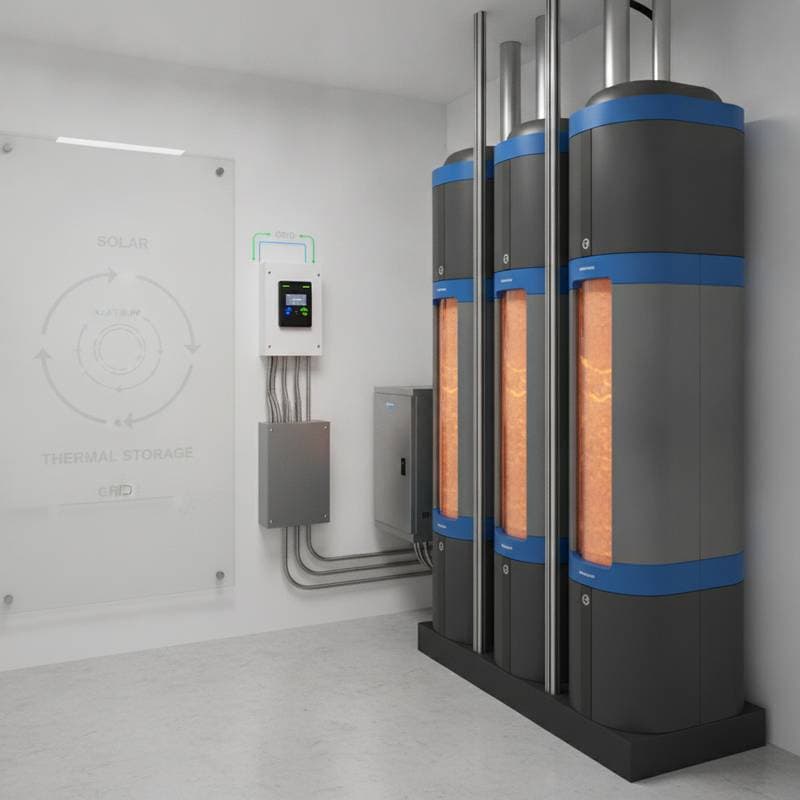
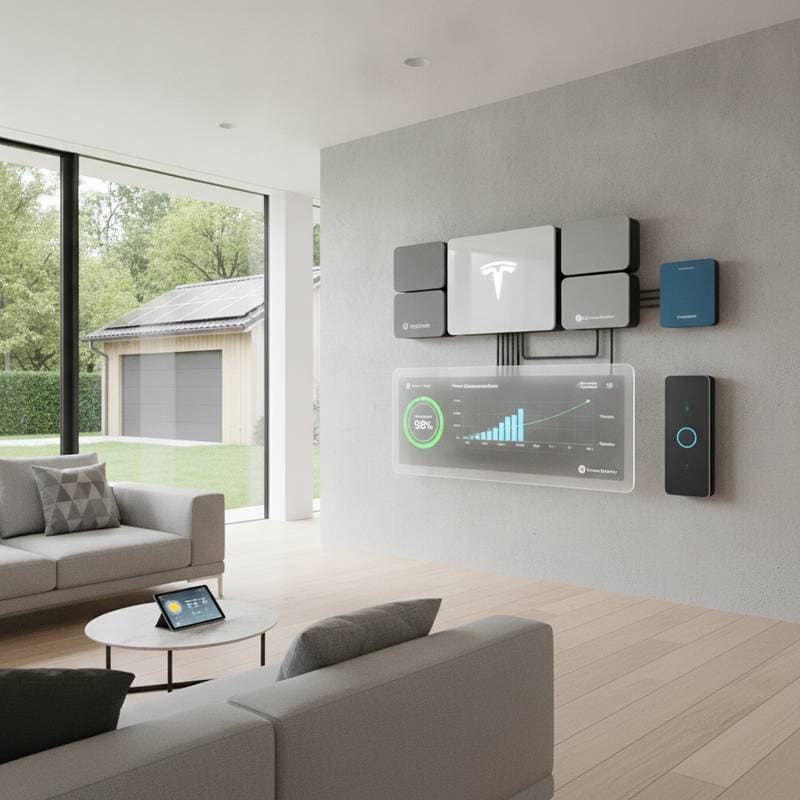
- Hybrid Integration: Solar photovoltaic arrays can supplement power needs in suitable climates.
- Compact Equipment Layout: Indoor placement options expand because no exterior condenser unit is required.
Sustainable Features and Efficiency Gains
Absence of combustion improves safety by eliminating exhaust and fuel storage. Air filtration and humidity management further support indoor air quality.
These systems align with green building standards. Performance remains stable during extreme weather events.
Factors Influencing the Project
Soil density affects drilling expenses and heat transfer rates. Home insulation levels influence required system capacity. Horizontal loops demand more surface area while vertical loops involve deeper excavation. Local energy rates determine the speed of financial recovery.
Frequently Asked Questions
How do I qualify for the tax credit?
Qualifying systems must meet efficiency thresholds set by federal guidelines. Installation can occur in primary or secondary residences.
Can I install geothermal in an existing home?
Retrofitting is feasible when sufficient ground space exists for loops or when a suitable well is available.
What maintenance does it need?
Filter changes and annual loop inspections represent the primary tasks.
Does geothermal work in cold climates?
Ground temperatures stay consistent regardless of surface conditions, supporting reliable heat extraction.
Will it increase my home value?
Efficiency upgrades often command higher resale prices due to documented operating cost reductions.
Beginning Your Geothermal Project
A professional site assessment provides the data needed to confirm credit eligibility and project scope. This evaluation supports decisions that deliver sustained comfort and financial advantages.