Key Points
- Geothermal HVAC systems leverage stable underground temperatures for efficient heating and cooling of homes.
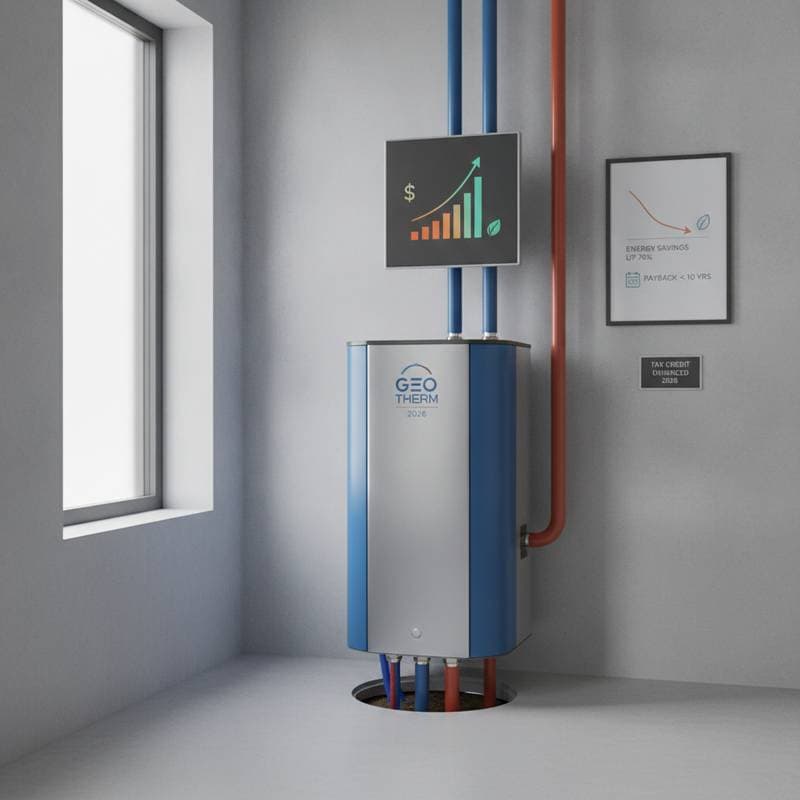
- These systems reduce energy bills by up to 70 percent relative to traditional setups.
- Professional installation and regular maintenance support decades of economical, eco-friendly operation.
- Government incentives and rebates help lower initial expenses, enhancing overall affordability.
Envision a Home Powered by Earth's Reliable Energy
In my experience as a green building professional, many homeowners face escalating energy expenses and HVAC systems that falter under severe weather. Consider entering your home on a sweltering afternoon, anticipating cool air, only to hear the air conditioner strain while the energy meter races. The core issue stems from dependence on erratic energy sources. Contrast this with a home that silently pulls consistent warmth from the ground during winter and refreshing coolness in summer, all while minimizing ecological harm. Geothermal HVAC delivers exactly this vision.
The Untapped Energy Source Underfoot
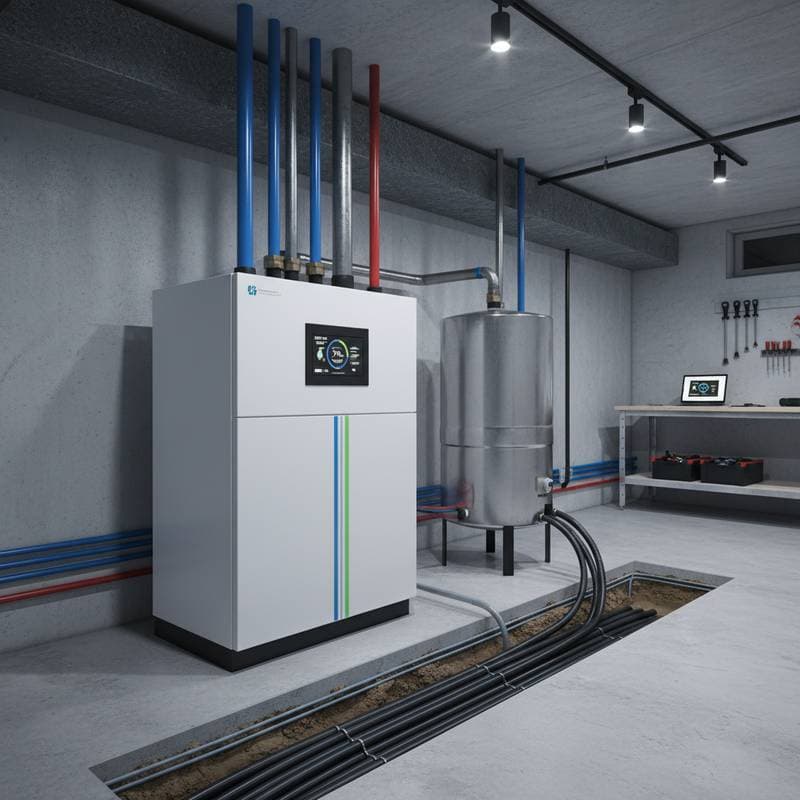
Geothermal heat pumps, also known as ground-source systems, utilize the steady temperatures found several feet underground to control indoor climates. Air-source alternatives often underperform in extreme weather, but geothermal systems deliver uniform efficiency irrespective of external conditions. Through years of practical application, I have observed this technology excel for those pursuing energy autonomy and sustained financial savings. Research indicates that geothermal setups decrease heating and cooling costs by 40 to 70 percent and substantially lower greenhouse gas outputs.
Limitations of Traditional HVAC Systems
Conventional HVAC relies on exchanging heat with variable outdoor air, leading to significant energy loss. In frigid areas, units must exert extra effort against subzero temperatures. In hot regions, compressors work overtime to expel heat into scorching ambient air. Consequently, owners encounter elevated utility charges, frequent service calls, and reduced equipment durability. For those weary of this pattern, geothermal presents a dependable, high-efficiency option rooted in the earth's inherent balance.
Proven Approaches for an Effective Geothermal Installation
1. Evaluate Site Feasibility
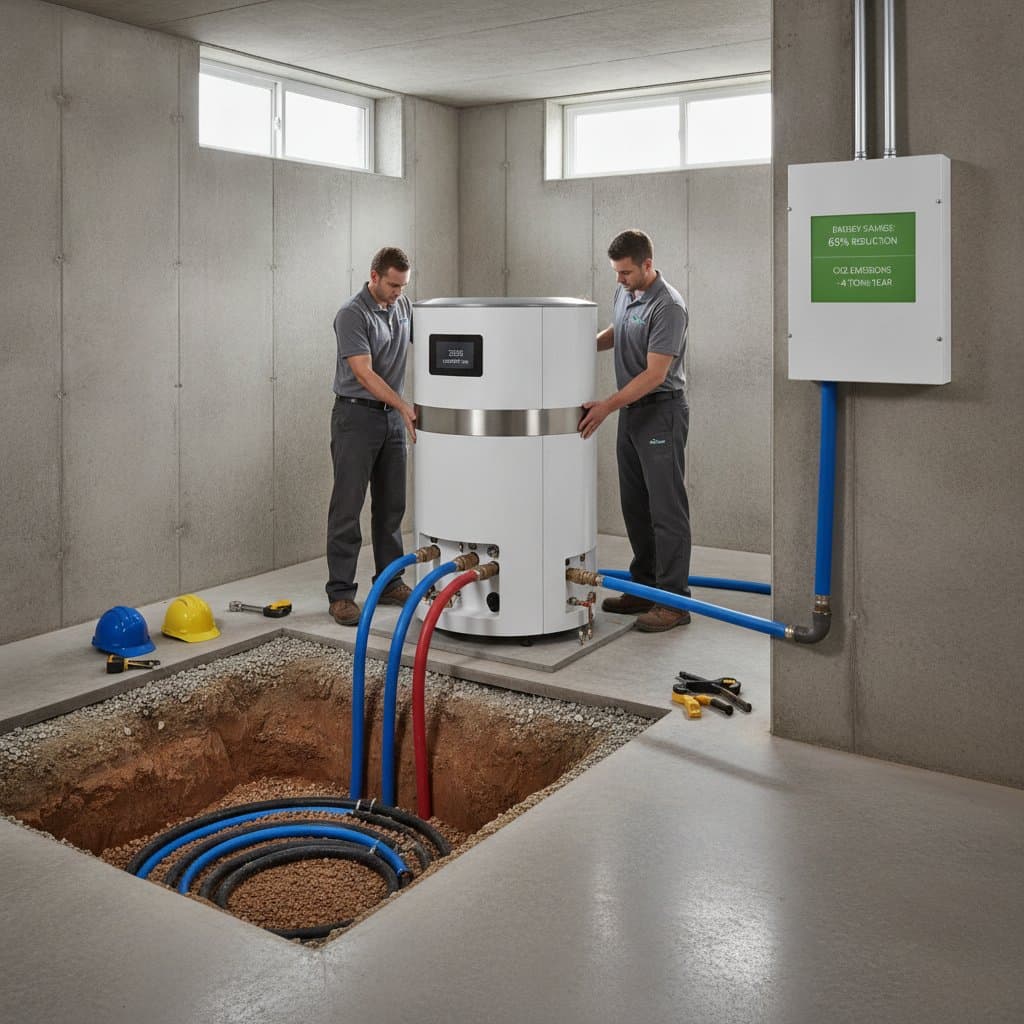
Begin with a thorough assessment by a qualified specialist. Factors such as soil type, water table depth, and land availability dictate the ideal loop design, whether horizontal or vertical. On constrained properties, vertical loops prove effective with limited surface alteration.
2. Select Appropriate System Capacity
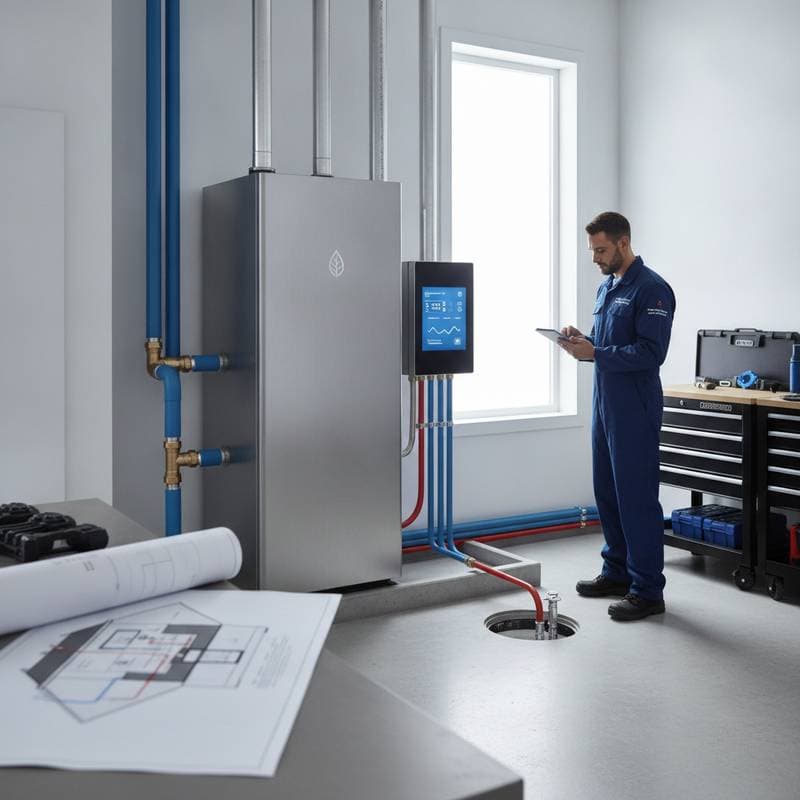
An oversized unit may cycle inefficiently and squander energy, whereas an undersized one cannot satisfy demand. A licensed geothermal technician performs detailed load calculations based on your home's dimensions, insulation levels, and usage patterns to ensure precise sizing.
3. Integrate Seamlessly with Existing Infrastructure
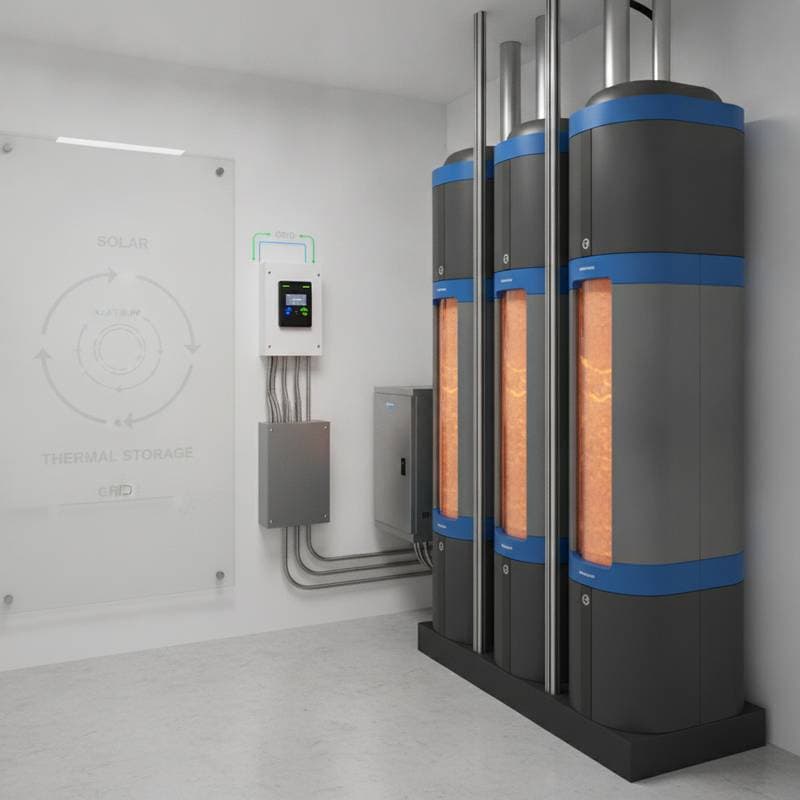
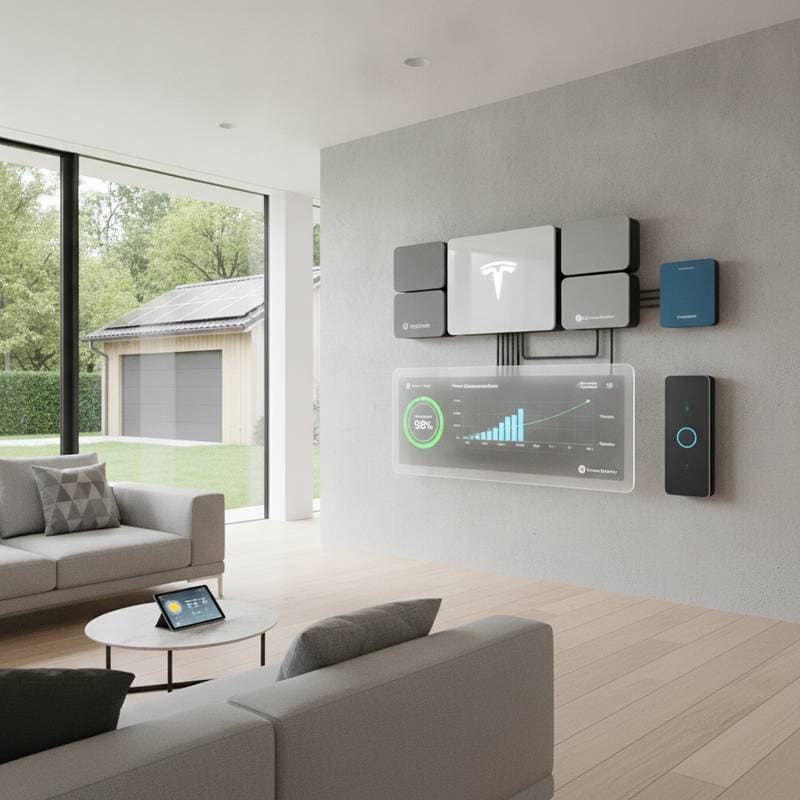
Geothermal systems adapt well to various applications, including radiant floor heating, ducted air distribution, or supplemental hot water generation. From my expertise in sustainable construction, I advise incorporating smart controls to optimize these elements and achieve peak performance.
4. Access Financial Support Options
Federal tax credits, favorable financing, and local utility programs can offset thousands in upfront costs. Most owners recoup their investment within seven to ten years, benefiting from instant reductions in energy use.
Strategies to Enhance Performance and Comfort
- Identify and seal drafts around windows, doors, and ducts prior to setup to eliminate unnecessary energy escape.
- Improve insulation to attain superior R-values, which quantify resistance to heat flow, thereby amplifying system effectiveness.
- Arrange yearly inspections to verify smooth operation of loops, pumps, and heat exchangers.
- Implement zoning systems to customize temperatures in individual rooms for personalized comfort.
Realistic Expectations for Expenses and Durability
Installation costs typically span $15,000 to $30,000, influenced by system scale and geological features. Yet, these units endure for generations: ground loops often exceed 50 years of service, with indoor elements lasting 20 to 25 years. Operating expenses stay minimal due to shelter from environmental exposure. Success hinges on collaborating with a contractor versed in regional geology and weather patterns.
Steps to Implement Your Geothermal Solution
Geothermal HVAC equips your home to withstand future energy challenges. It provides consistent comfort throughout the seasons, stable budgeting for utilities, and reduced environmental impact. Consult a certified specialist via our network to assess customized solutions for your site. Transform your residence into an exemplar of efficient, earth-powered living.
Frequently Asked Questions
Q: How deep must geothermal loops be installed?
A: Vertical configurations generally reach 150 to 400 feet, whereas horizontal ones lie 4 to 6 feet below the surface, adjusted for soil characteristics and space constraints.